Rapid Nucleic Acid Diagnostic Technology for Pandemic Diseases
Yu Lei, Dawei Xu

TL;DR
This review summarizes current fast nucleic acid tests for pandemic diseases like COVID-19 and discusses future improvements.
Contribution
The paper provides a comprehensive review of rapid nucleic acid diagnostic technologies for pandemic diseases.
Findings
Current technologies focus on rapid extraction, amplification, and detection of nucleic acids.
The review highlights the importance of rapid diagnosis in controlling disease spread and improving patient outcomes.
Abstract
The recent global pandemic of coronavirus disease 2019 (COVID-19) has enormously promoted the development of diagnostic technology. To control the spread of pandemic diseases and achieve rapid screening of the population, ensuring that patients receive timely treatment, rapid diagnosis has become the top priority in the development of clinical technology. This review article aims to summarize the current rapid nucleic acid diagnostic technologies applied to pandemic disease diagnosis, from rapid extraction and rapid amplification to rapid detection. We also discuss future prospects in the development of rapid nucleic acid diagnostic technologies.
Genes, proteins, chemicals, diseases, species, mutations and cell lines named across the full text — each resolved to its canonical identifier and authoritative record.
Click any figure to enlarge with its caption.
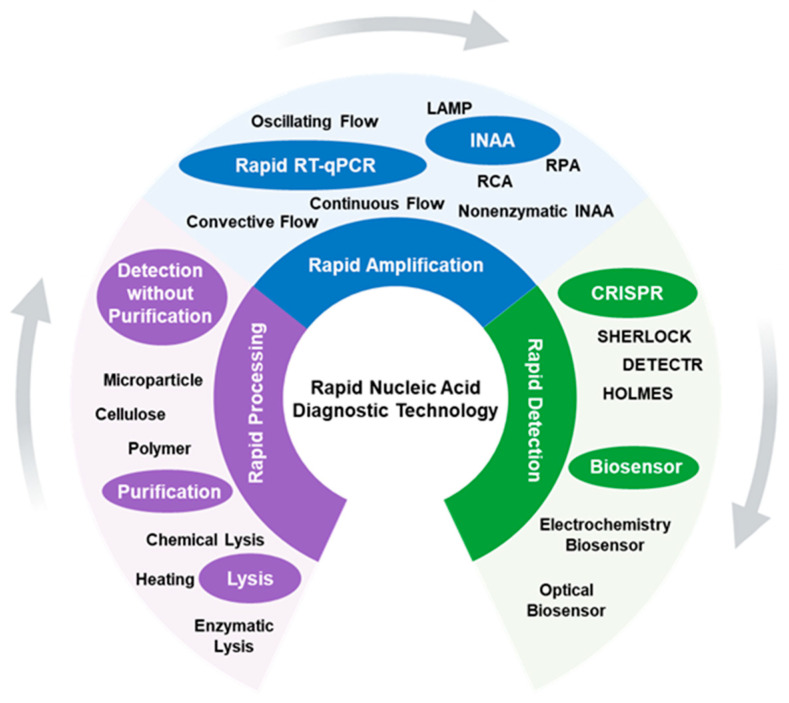 Figure 1
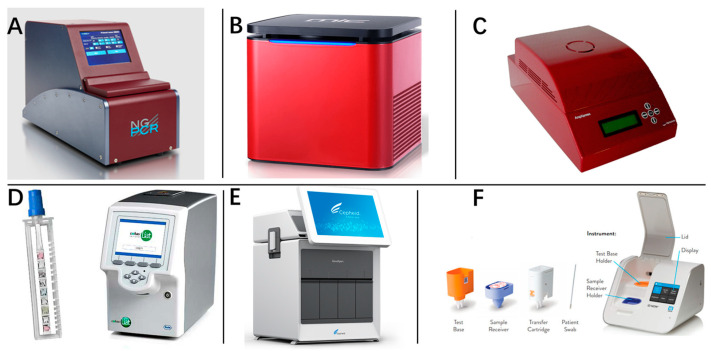 Figure 2
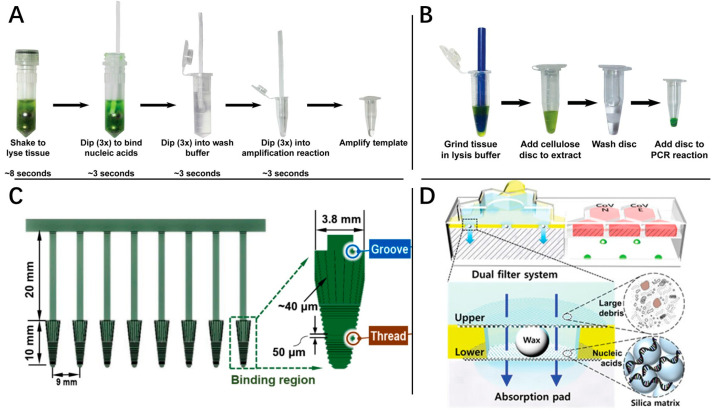 Figure 3
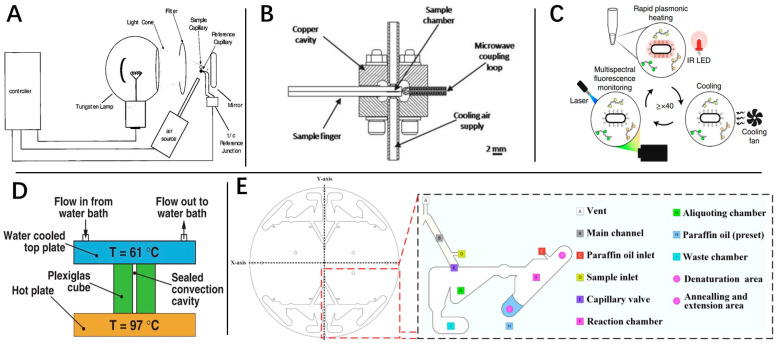 Figure 4
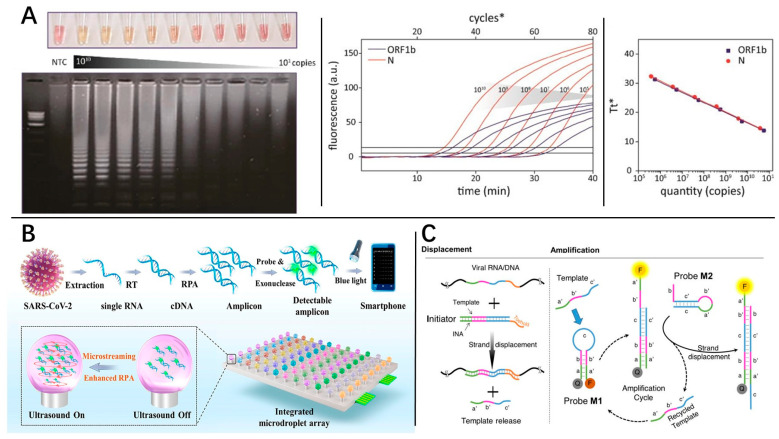 Figure 5
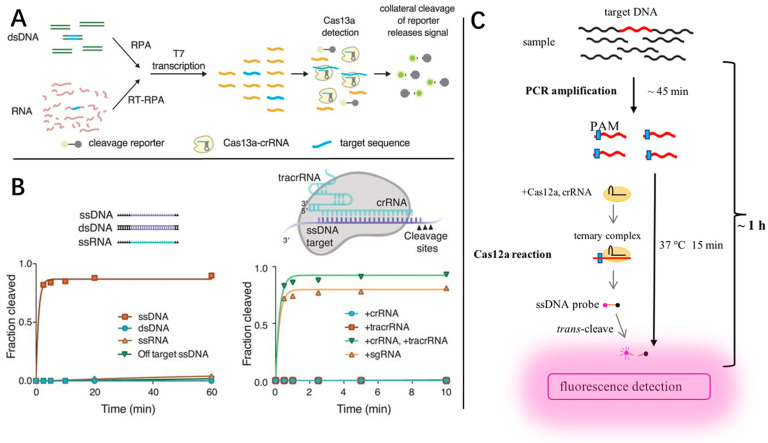 Figure 6
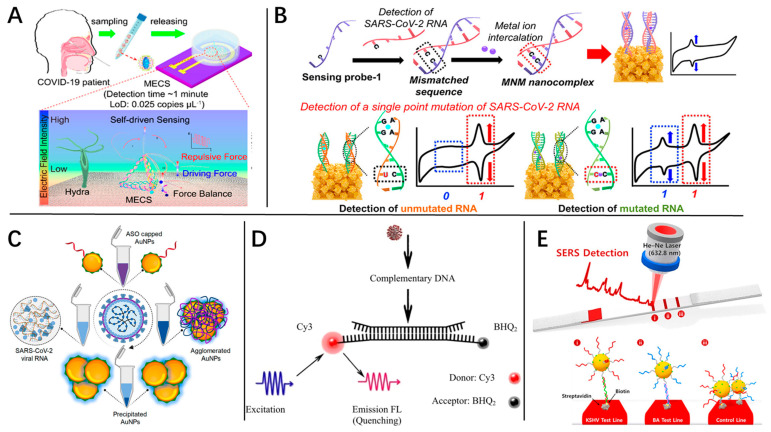 Figure 7
Peer Reviews
No public reviews on file for this paper yet. If you reviewed it on a platform where reviews are public (OpenReview, ICLR, NeurIPS, ICML), you can paste yours below so the community can read it here.
Videos
No videos yet. Explain this paper in a talk, walkthrough, or lecture? Add one.
Taxonomy
TopicsSARS-CoV-2 detection and testing · Biosensors and Analytical Detection · Molecular Biology Techniques and Applications