Metalloid–Organic Intermolecular Complexes with Charge State-Controlled Conformations
Fedor Y. Naumkin

TL;DR
This paper explores how boron-hydrocarbon complexes change shape when charged, which could be useful for tiny electronic devices.
Contribution
The study introduces metalloid–organic complexes that change conformation based on charge state, enabling potential molecular switches.
Findings
Complexes show significant structural changes between neutral and ionic states.
Twisting conformations of up to 90 degrees are observed in different charge states.
Infrared spectra correlate with structural changes, aiding experimental identification.
Abstract
Shape alterations of molecular systems, induced by their (electric) charging/discharging, could facilitate useful electronic and/or mechanical functions in molecular-scale devices and machines. The present study reports structures, stabilities, charge distributions, and IR spectra for a group of complexes of a main-group metalloid (boron) atom with hydrocarbon molecules. The considered systems include the smallest species demonstrating the basic principle of operation, as well as their size-extended analogues, generalizing it to larger counterparts based on such units. The system geometries vary considerably between neutral and ionic counterparts and exhibit two–three typical conformations related to twisting by up to about 90 degrees. The predicted structures correlate with specific infrared spectra, which can enable their experimental identification and transformation tracking. The…
Genes, proteins, chemicals, diseases, species, mutations and cell lines named across the full text — each resolved to its canonical identifier and authoritative record.
Click any figure to enlarge with its caption.
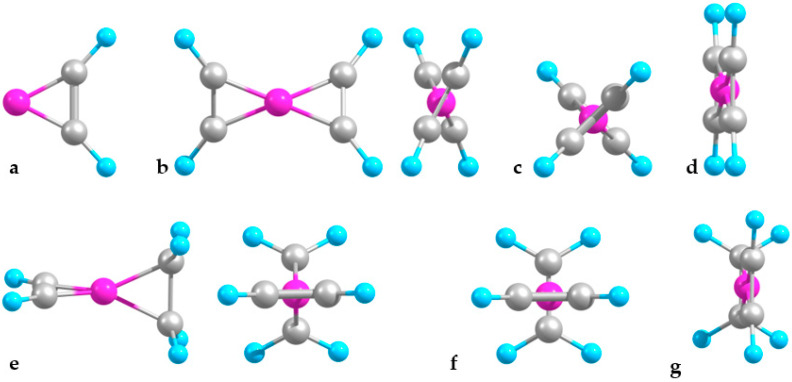 Figure 1
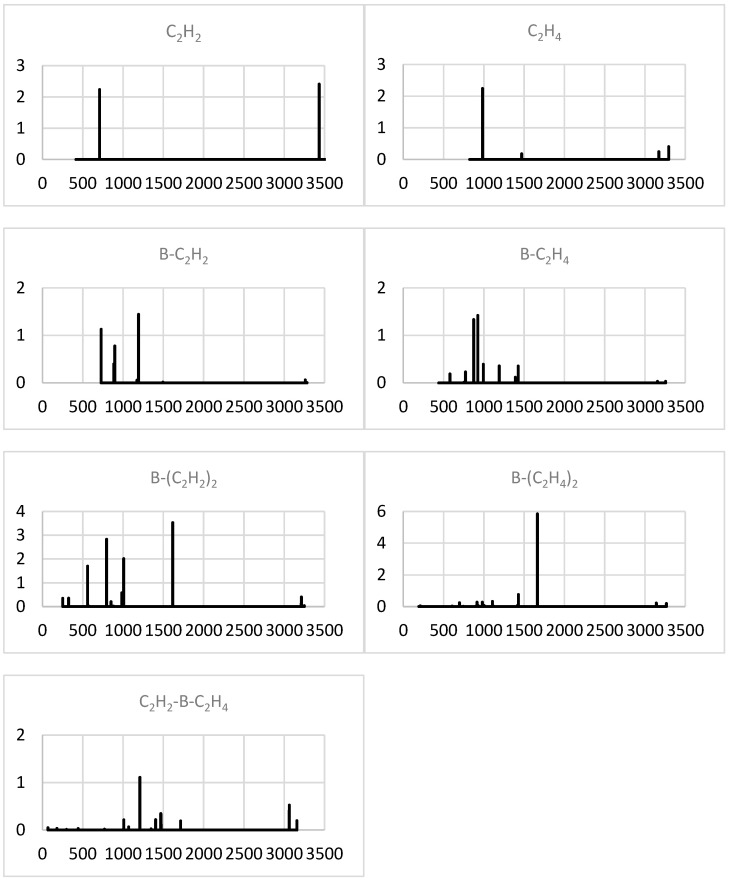 Figure 2
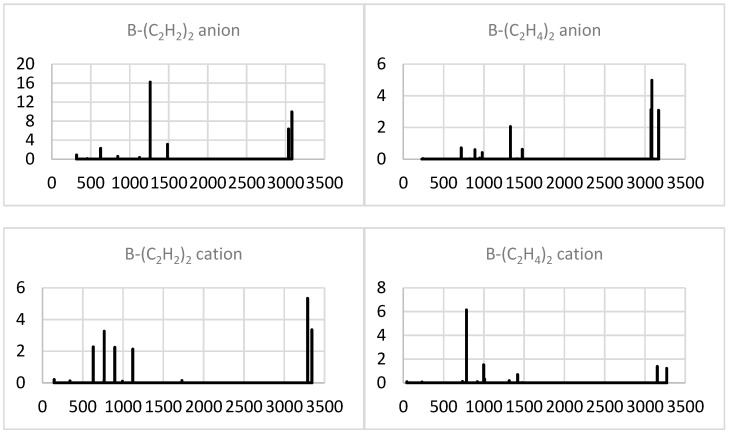 Figure 3
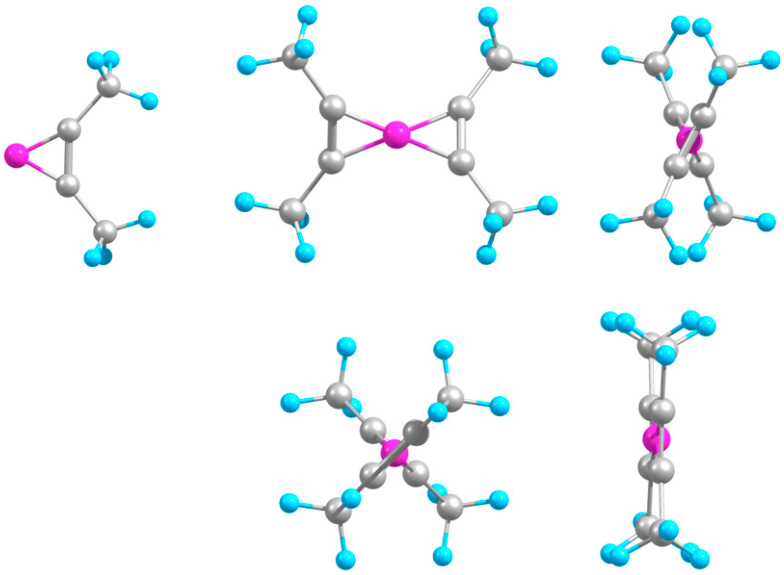 Figure 4
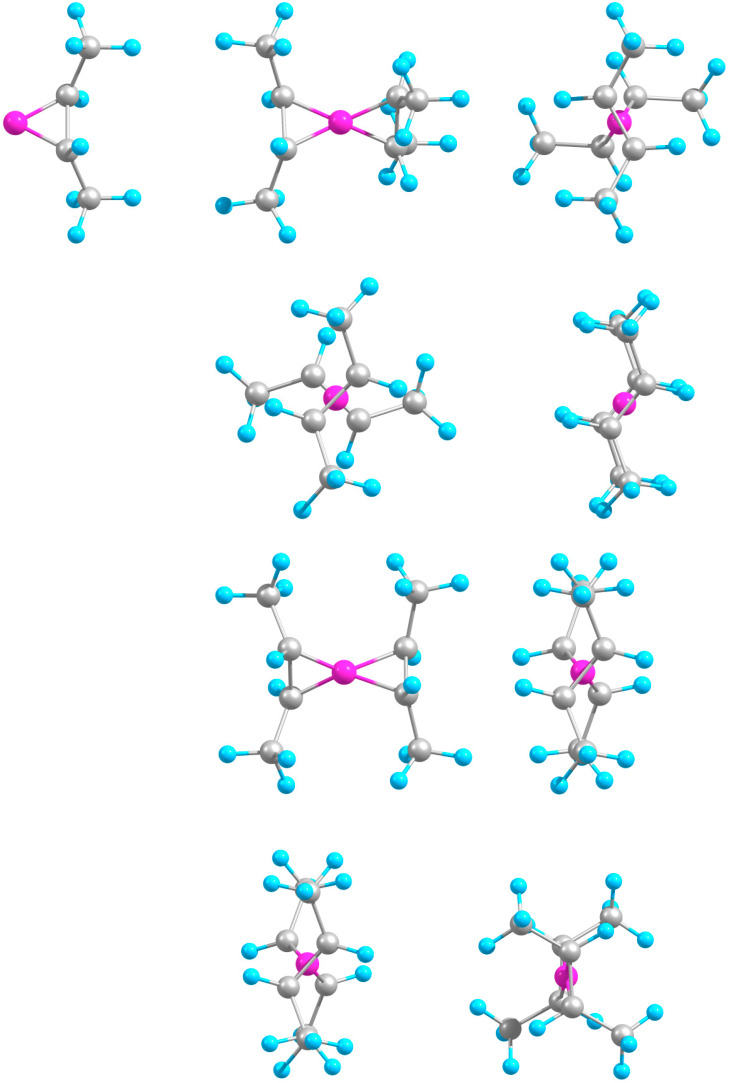 Figure 5
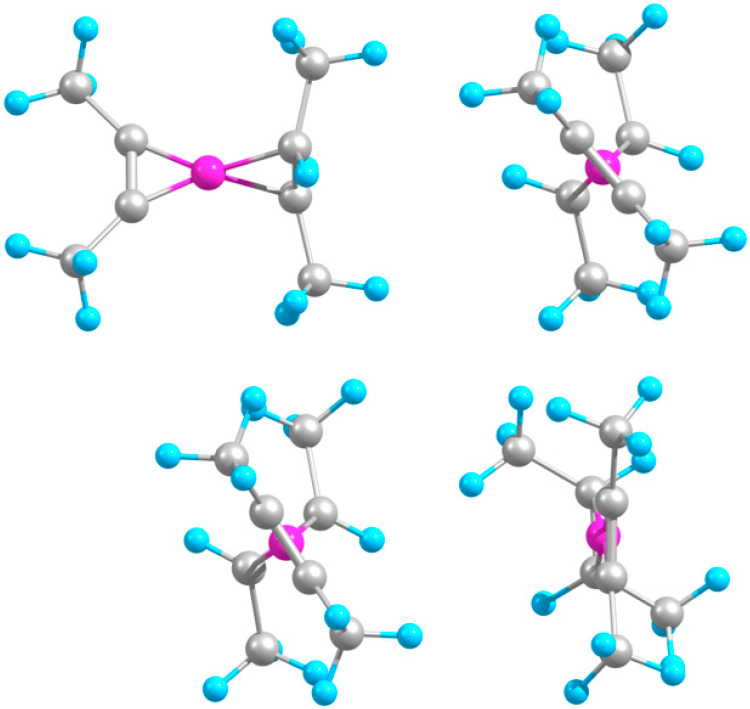 Figure 6
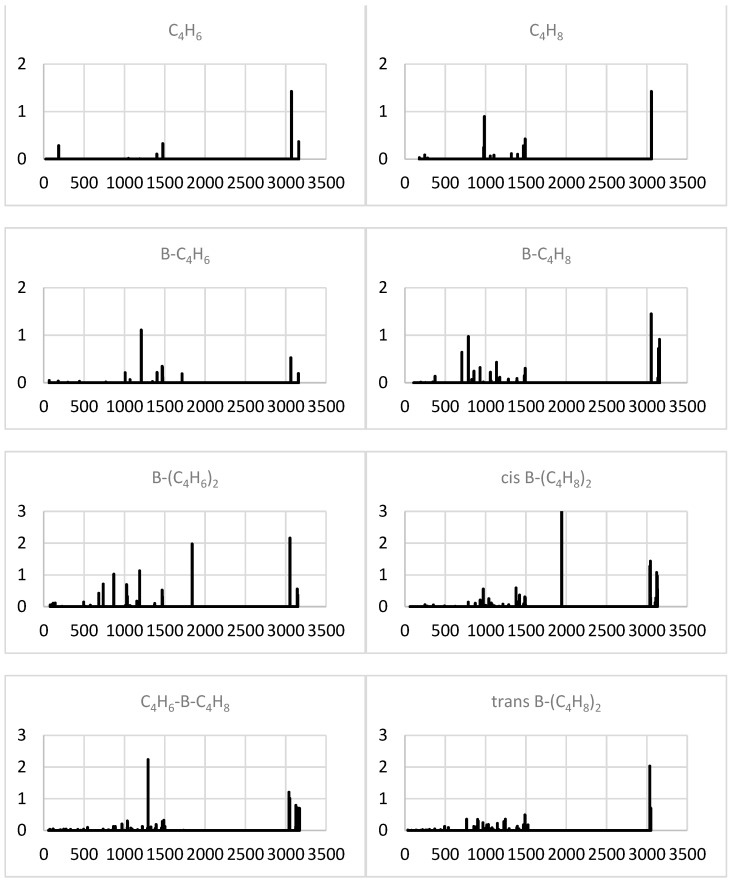 Figure 7
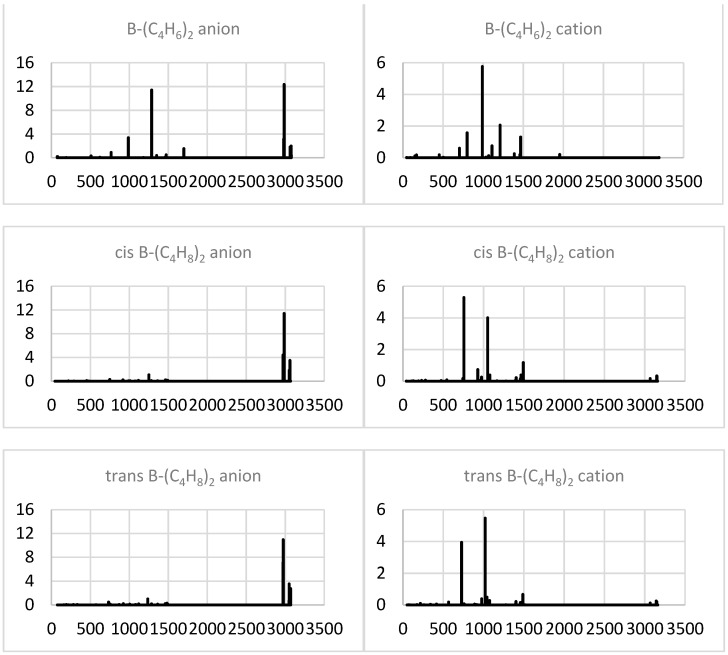 Figure 8
Peer Reviews
No public reviews on file for this paper yet. If you reviewed it on a platform where reviews are public (OpenReview, ICLR, NeurIPS, ICML), you can paste yours below so the community can read it here.
Videos
No videos yet. Explain this paper in a talk, walkthrough, or lecture? Add one.
Taxonomy
TopicsLuminescence and Fluorescent Materials · Molecular Sensors and Ion Detection · Crystallography and molecular interactions