Camel-Derived Nanobodies as Potent Inhibitors of New Delhi Metallo-β-Lactamase-1 Enzyme
Rahma Ben Abderrazek, Emna Hamdi, Alessandra Piccirilli, Sayda Dhaouadi, Serge Muyldermans, Mariagrazia Perilli, Balkiss Bouhaouala-Zahar

TL;DR
Camel-derived nanobodies show strong potential as inhibitors of the NDM-1 enzyme, which is a major cause of antibiotic resistance in Gram-negative bacteria.
Contribution
The study identifies nanobodies as novel, potent inhibitors of the NDM-1 enzyme with nanomolar inhibitory activity.
Findings
Three nanobodies (Nb02NDM-1, Nb12NDM-1, and Nb17NDM-1) act as uncompetitive inhibitors of NDM-1.
Nb02NDM-1 and Nb17NDM-1 have IC50 values of 25.0 nM and 8.5 nM, respectively.
Nanobodies show promise for combating Gram-negative bacterial infections.
Abstract
The injudicious usage of antibiotics during infections caused by Gram-negative bacteria leads to the emergence of β-lactamases. Among them, the NDM-1 enzyme poses a serious threat to human health. Developing new antibiotics or inhibiting β-lactamases might become essential to reduce and prevent bacterial infections. Nanobodies (Nbs), the smallest antigen-binding single-domain fragments derived from Camelidae heavy-chain-only antibodies, targeting enzymes, are innovative alternatives to develop effective inhibitors. The biopanning of an immune VHH library after phage display has helped to retrieve recombinant antibody fragments with high inhibitory activity against recombinant-NDM-1 enzyme. Nb02NDM-1, Nb12NDM-1, and Nb17NDM-1 behaved as uncompetitive inhibitors against NDM-1 with Ki values in the nM range. Remarkably, IC50 values of 25.0 nM and 8.5 nM were noted for Nb02NDM-1 and…
Genes, proteins, chemicals, diseases, species, mutations and cell lines named across the full text — each resolved to its canonical identifier and authoritative record.
Click any figure to enlarge with its caption.
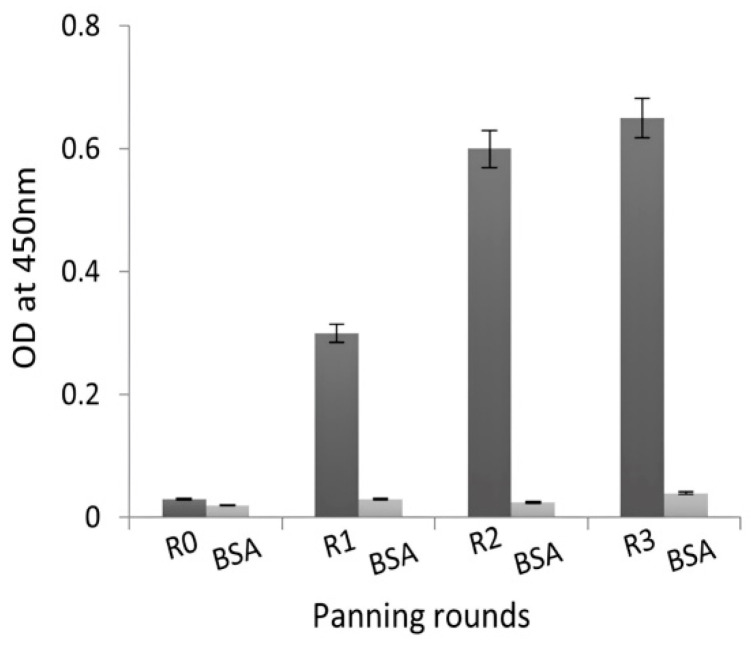 Figure 1
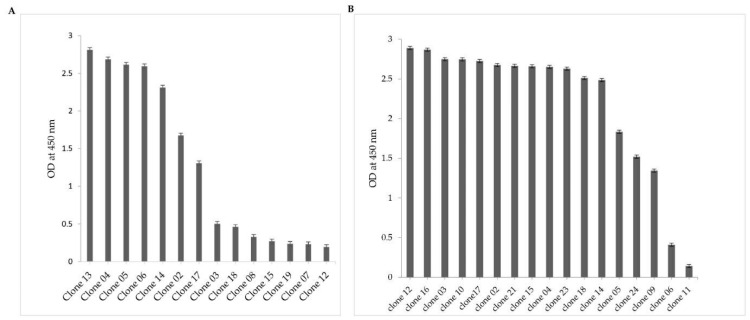 Figure 2
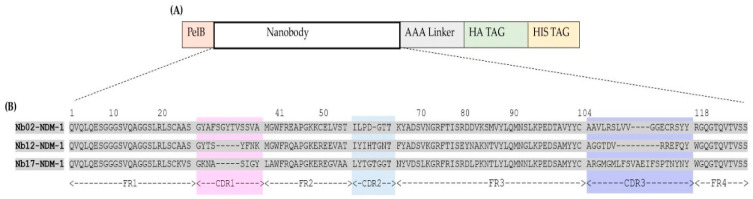 Figure 3
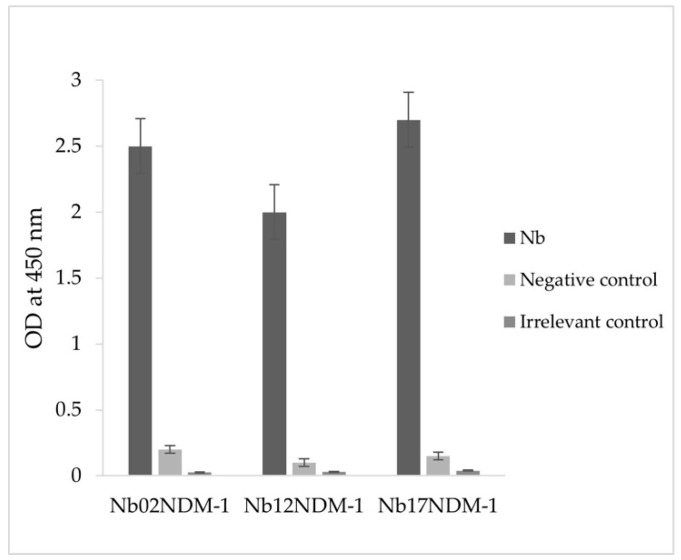 Figure 4
Peer Reviews
No public reviews on file for this paper yet. If you reviewed it on a platform where reviews are public (OpenReview, ICLR, NeurIPS, ICML), you can paste yours below so the community can read it here.
Videos
No videos yet. Explain this paper in a talk, walkthrough, or lecture? Add one.
Taxonomy
TopicsMonoclonal and Polyclonal Antibodies Research · Glycosylation and Glycoproteins Research · Bacteriophages and microbial interactions