Mechanical and Durability Characterization of Hybrid Recycled Aggregate Concrete
Rashid Hameed, Muhammad Tahir, Safeer Abbas, Haseeb Ullah Sheikh, Syed Minhaj Saleem Kazmi, Muhammad Junaid Munir

TL;DR
This study examines the mechanical and durability properties of concrete made with hybrid recycled aggregates from construction waste and burnt clay bricks.
Contribution
The study introduces hybrid recycled aggregate concrete (HRAC) with 100% natural aggregate replacement and evaluates its performance with fly ash as a cement substitute.
Findings
Compressive strength of HRAC is significantly influenced by the proportion of recycled brick and concrete aggregates.
20% fly ash replacement improved the mechanical and durability properties of HRAC for use in bricks or pavers.
Hybrid mixes showed acceptable performance compared to natural aggregate concrete under acidic and brine conditions.
Abstract
The recycling of construction and demolition waste (CDW) for the extraction of recycled concrete aggregates (RCAs) to be used to produce recycled aggregate concrete (RAC) is widely acknowledged internationally. However, CDW not only contains concrete debris but may also contain burnt clay bricks. The recycling of such CDW without the segregation of different components would result in recycled aggregates having different proportions of concrete and brick aggregates. The utilization of these aggregates in concrete requires a detailed investigation of their mechanical and durability properties. In this regard, the present study focused on investigating the mechanical and durability properties of hybrid recycled aggregate concrete (HRAC) made by the 100% replacing of natural aggregates with recycled brick (RBAs) and RCA in hybrid form. The partial replacement of cement with fly ash was…
Genes, proteins, chemicals, diseases, species, mutations and cell lines named across the full text — each resolved to its canonical identifier and authoritative record.
Click any figure to enlarge with its caption.
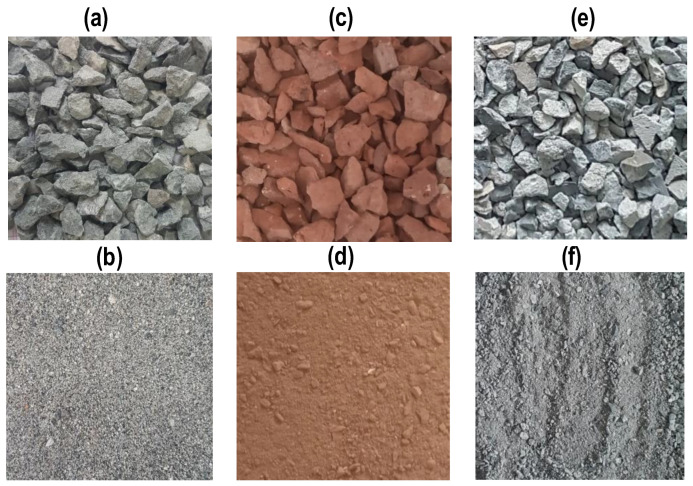 Figure 1
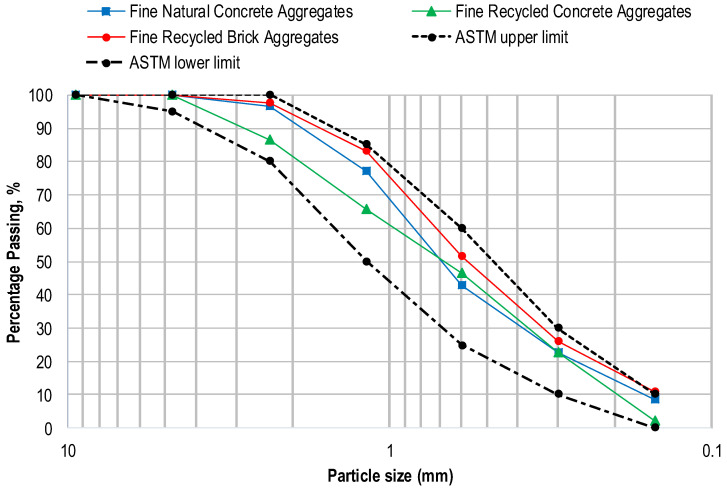 Figure 2
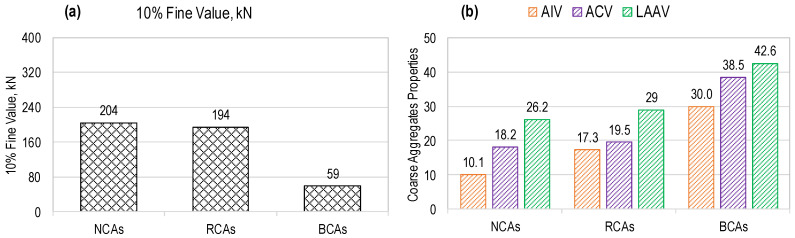 Figure 3
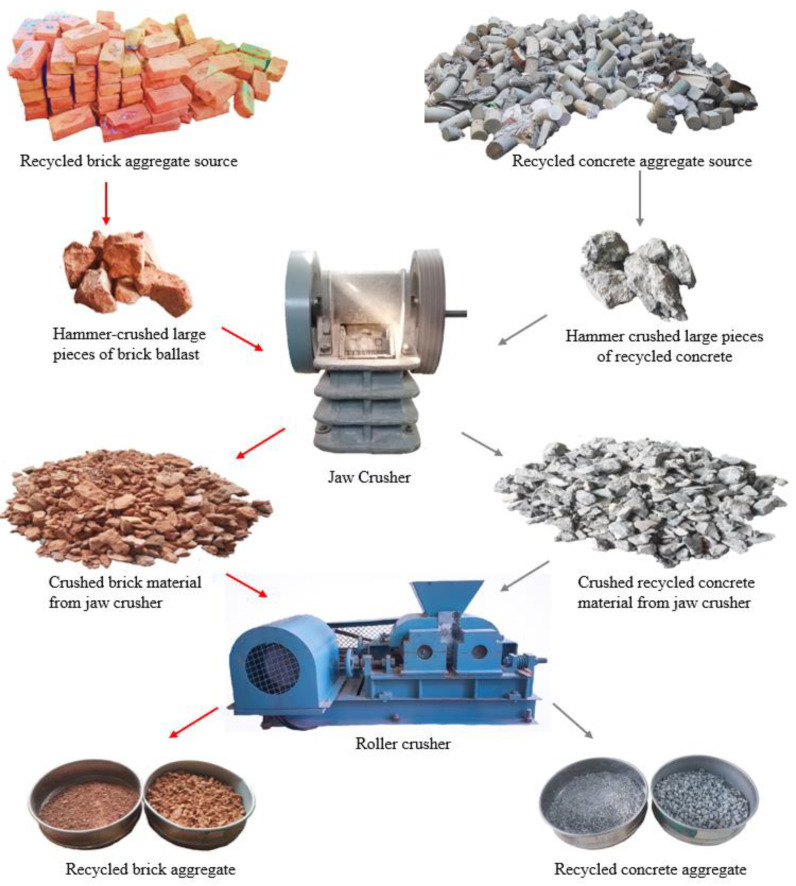 Figure 4
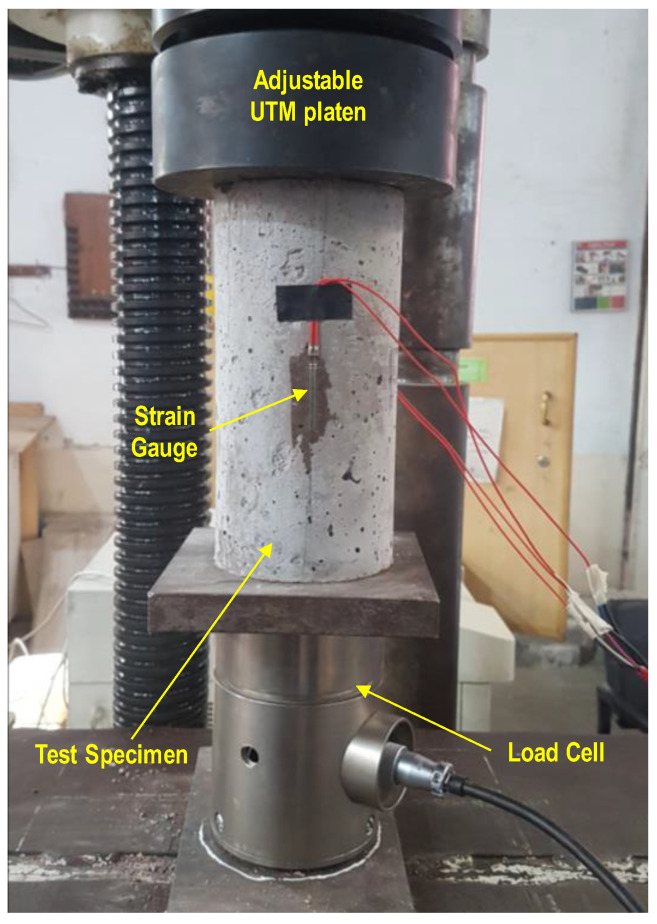 Figure 5
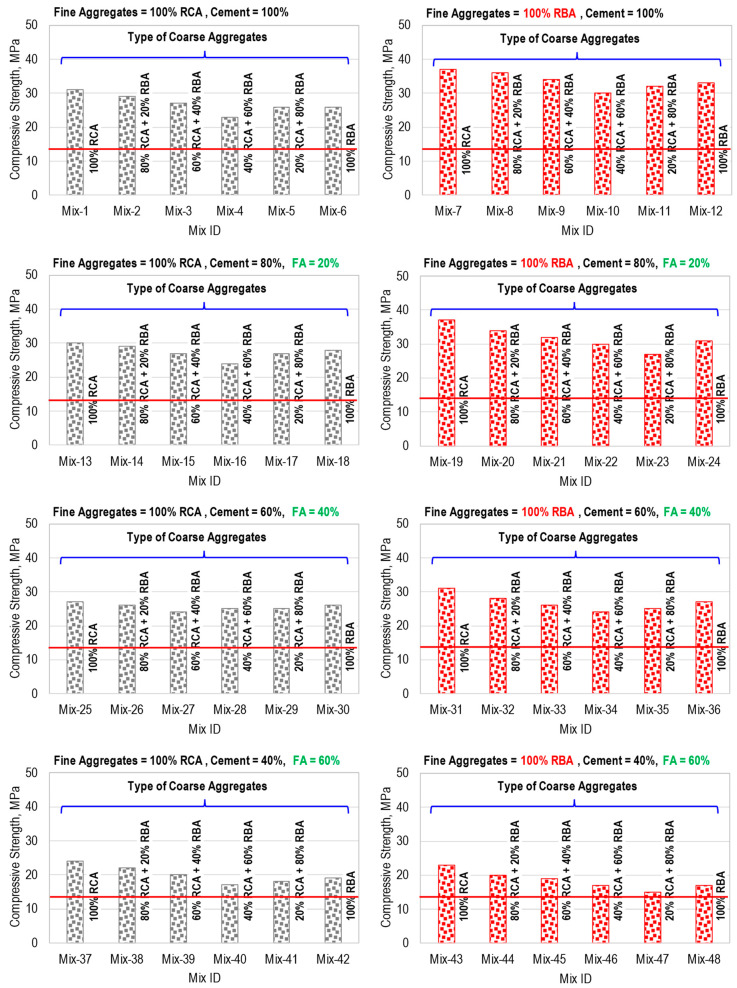 Figure 6
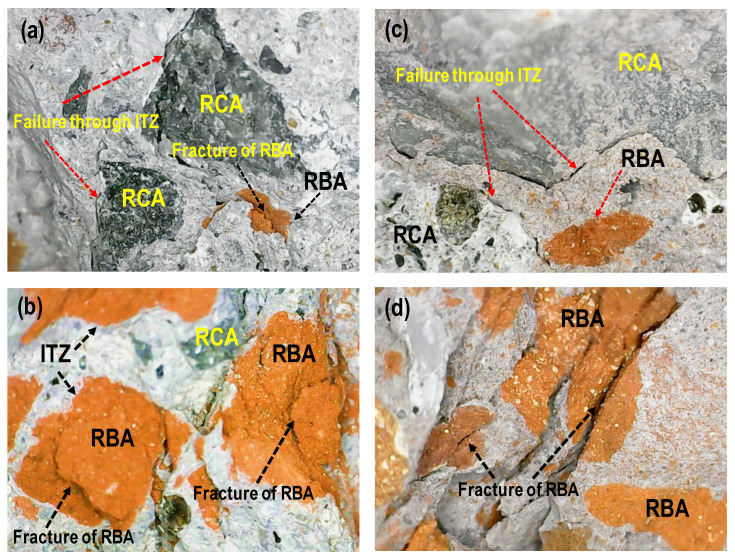 Figure 7
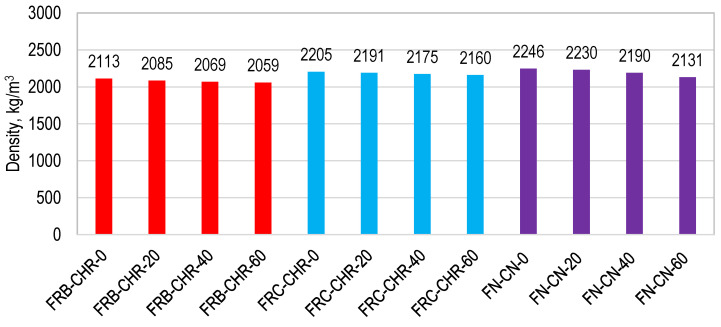 Figure 8
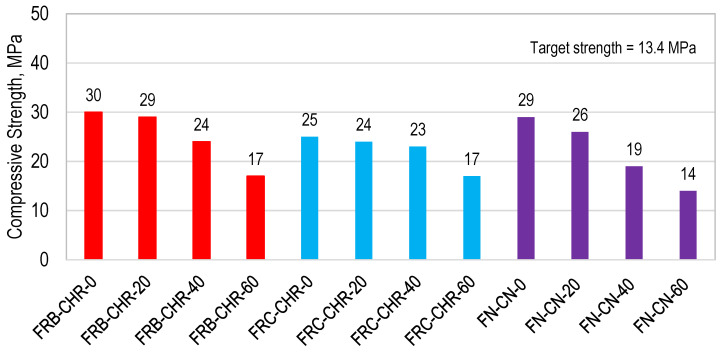 Figure 9
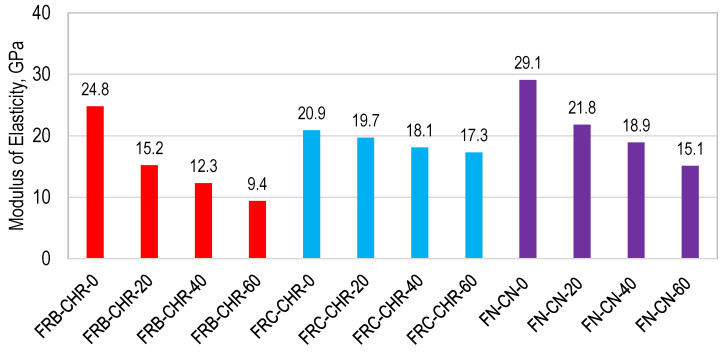 Figure 10
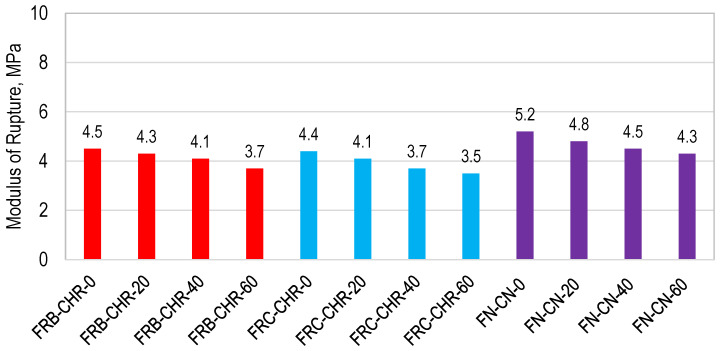 Figure 11
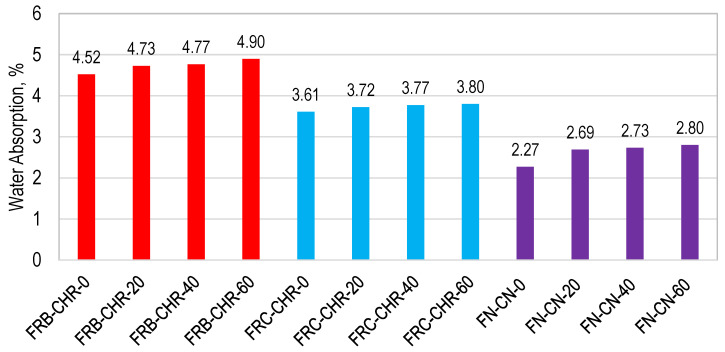 Figure 12
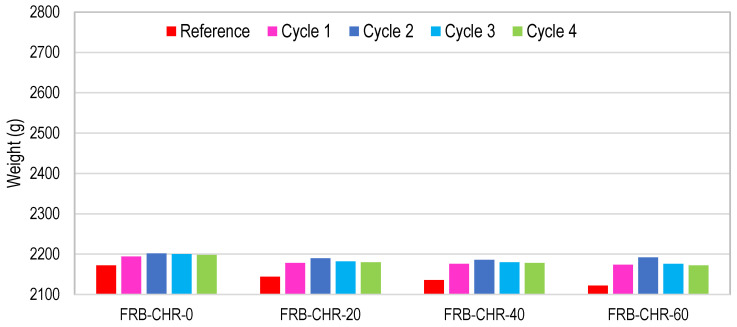 Figure 13
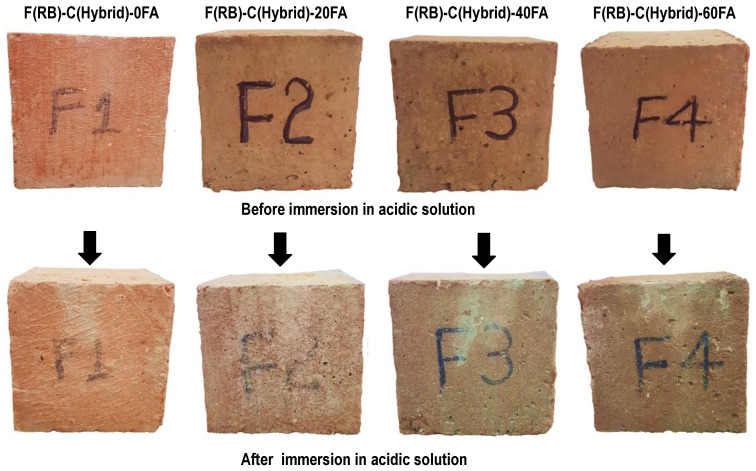 Figure 14
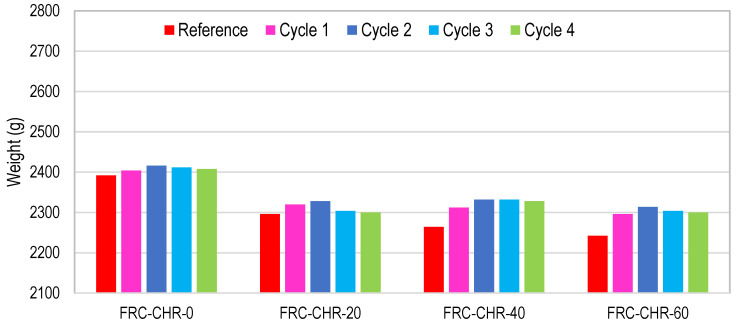 Figure 15
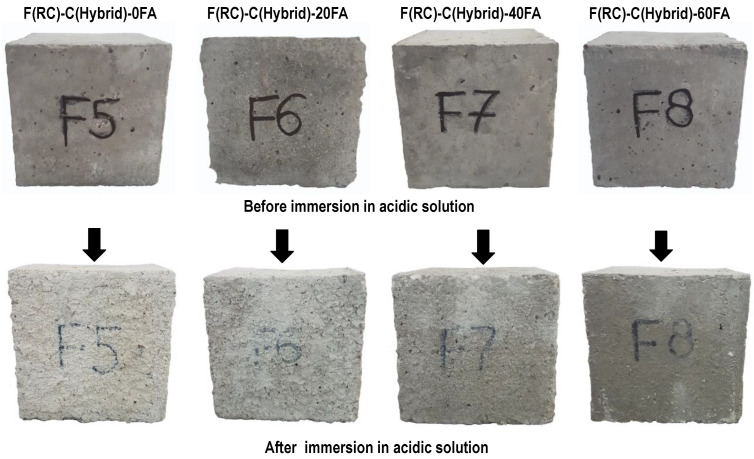 Figure 16
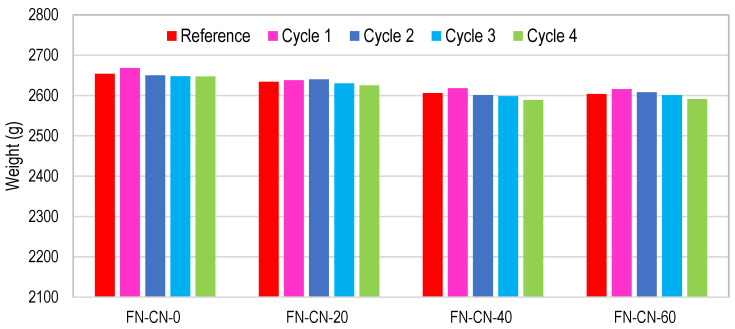 Figure 17
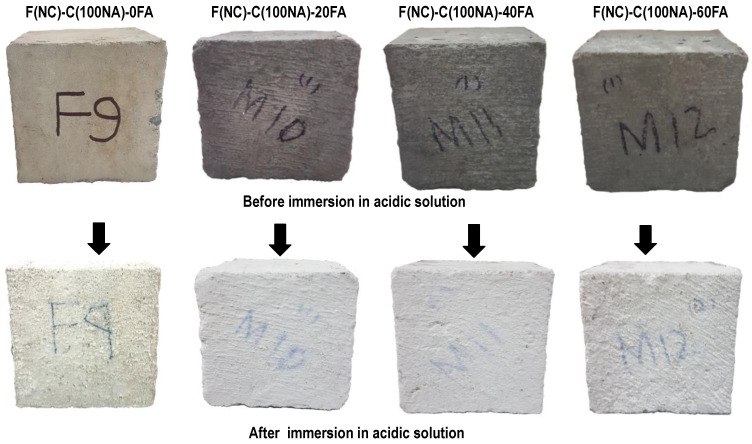 Figure 18
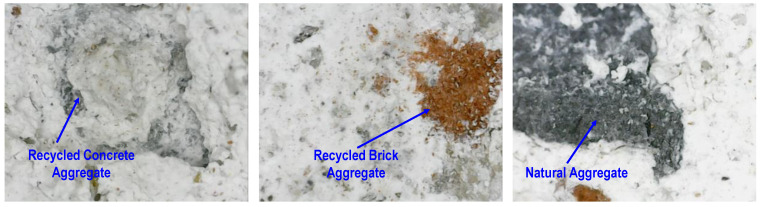 Figure 19
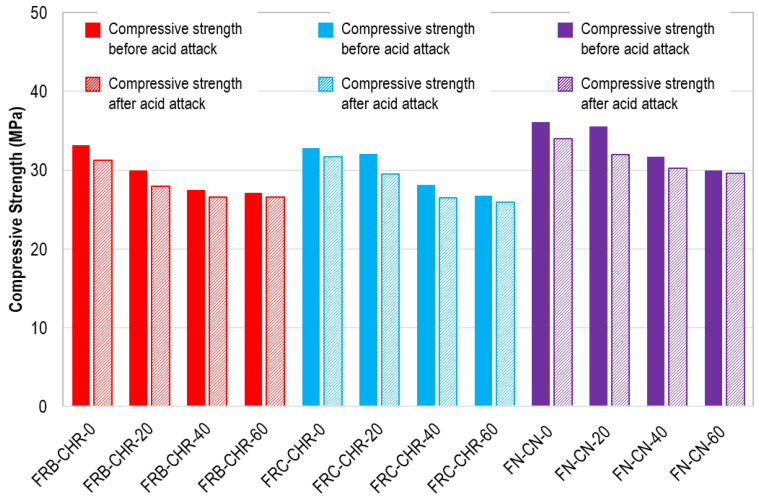 Figure 20
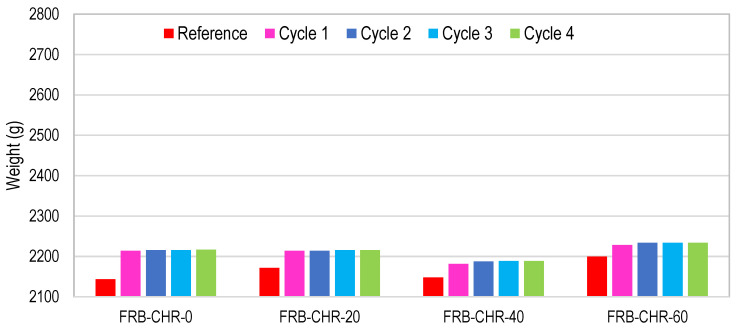 Figure 21
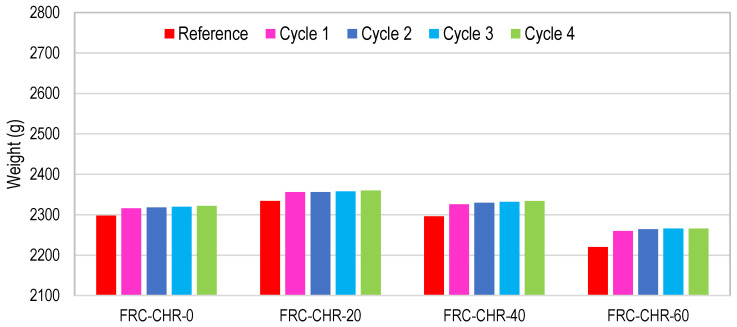 Figure 22
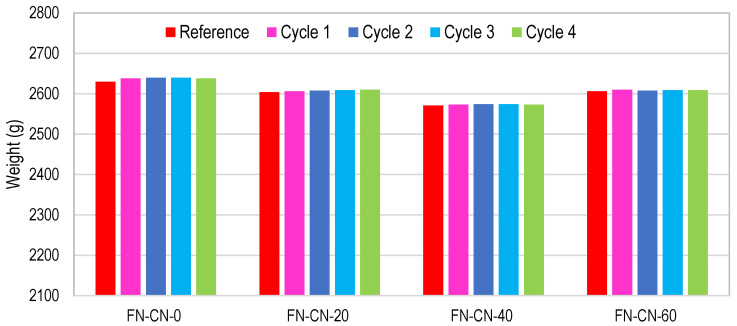 Figure 23
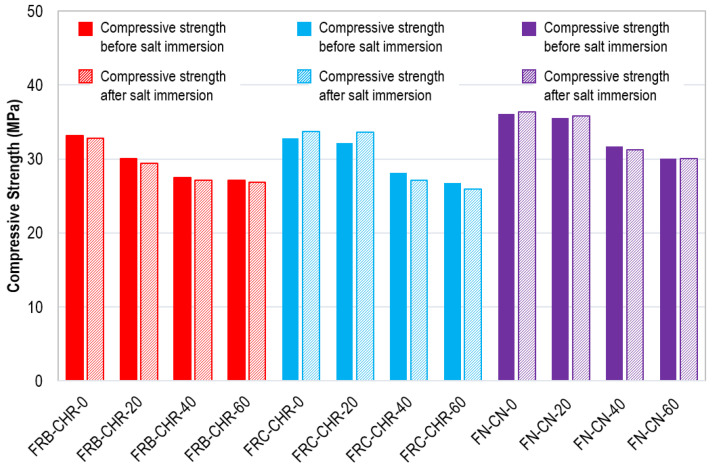 Figure 24
Peer Reviews
No public reviews on file for this paper yet. If you reviewed it on a platform where reviews are public (OpenReview, ICLR, NeurIPS, ICML), you can paste yours below so the community can read it here.
Videos
No videos yet. Explain this paper in a talk, walkthrough, or lecture? Add one.
Taxonomy
TopicsAnimal and Plant Science Education