Microstructure and Magnetic Properties of Fe67.6-Pd32-In0.4 (at.%) Shape Memory Melt-Spun Ribbons
David Vokoun, Yuan-Hung Lo, Oleg Heczko, Sneha Samal, Chen-Ti Hu

TL;DR
This paper studies the microstructure and magnetic properties of a Fe-Pd-In alloy, finding that adding a small amount of Indium increases magneto strain significantly.
Contribution
The addition of Indium to Fe-Pd alloys is shown to enhance magneto strain by four times compared to near-binary Fe-Pd alloys.
Findings
Indium addition shifts transformation temperatures, allowing the martensitic state at room temperature.
Magneto strains of over 400 ppm were achieved with a 9 kOe magnetic field.
Annealing caused an unfavored structural change to bct martensite.
Abstract
Fe-~30 at.%Pd is a ferromagnetic shape memory alloy (SMA) with a reversible thermoelastic fcc-fct phase transformation. The advantage of adding a small amount of Indium to Fe-Pd SMAs is, among other things, the upward shift of the transformation temperatures, which allows us to maintain the material in the martensitic state (fct structure) at room temperature. In this work, we study the microstructure and the magnetic properties of nominally Fe67.6-Pd32-In0.4 (at.%) melt-spun ribbons. Energy-dispersive spectroscopy analysis showed a certain level of non-uniformity of Indium distribution in the as-spun ribbon. However, the attempt to homogenize the ribbon by annealing at 1273 K for 120 h resulted in an unfavoured structural change to bct martensite. Magneto strains induced by a 9 kOe magnetic field reached over 400 ppm for certain field orientations, which is around four times more than…
Genes, proteins, chemicals, diseases, species, mutations and cell lines named across the full text — each resolved to its canonical identifier and authoritative record.
Click any figure to enlarge with its caption.
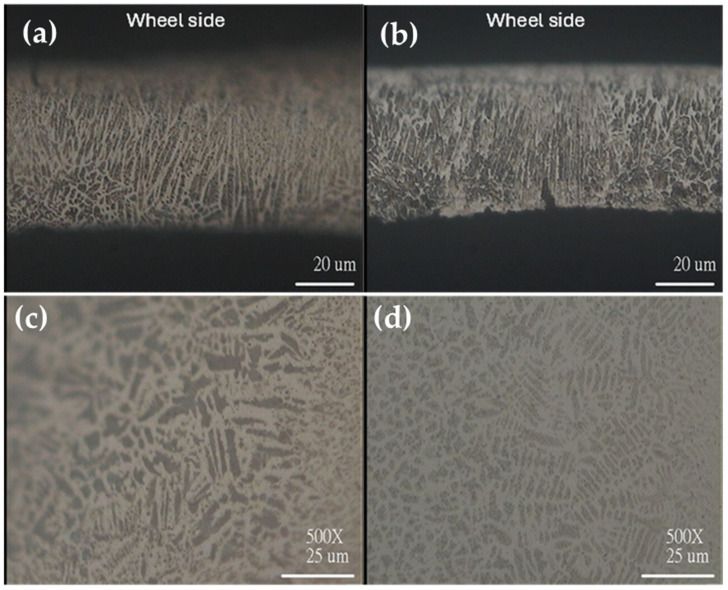 Figure 1
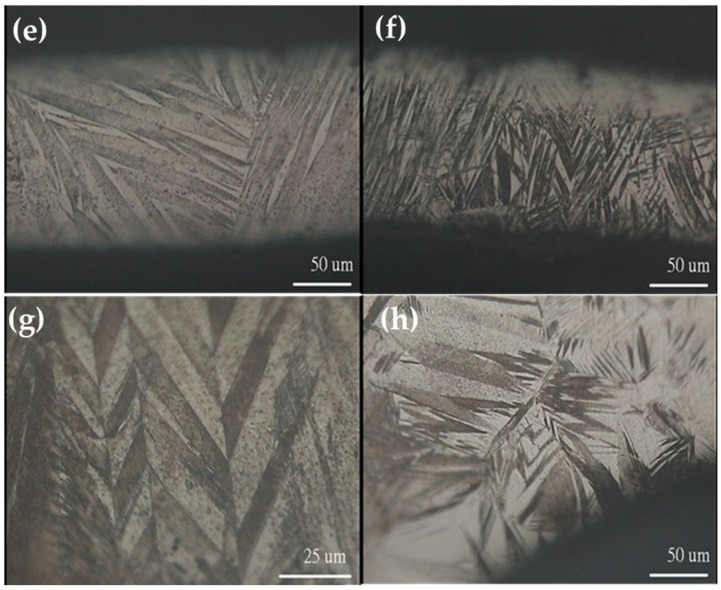 Figure 2
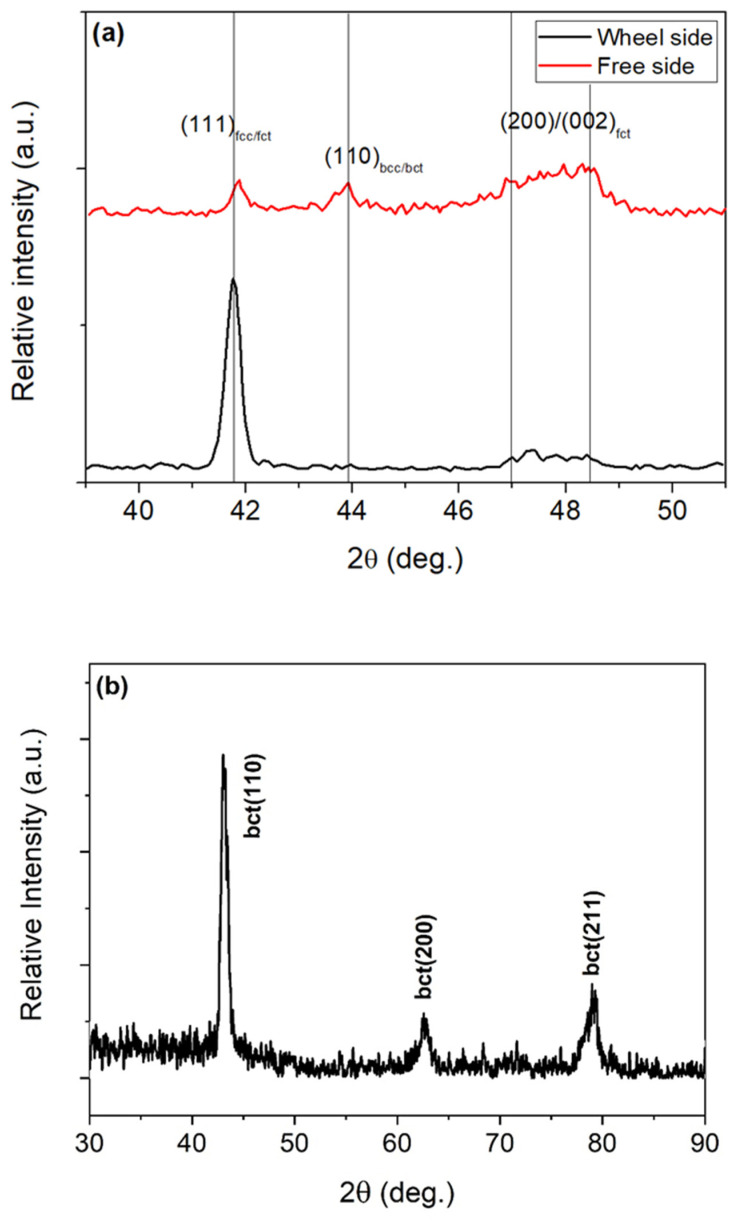 Figure 3
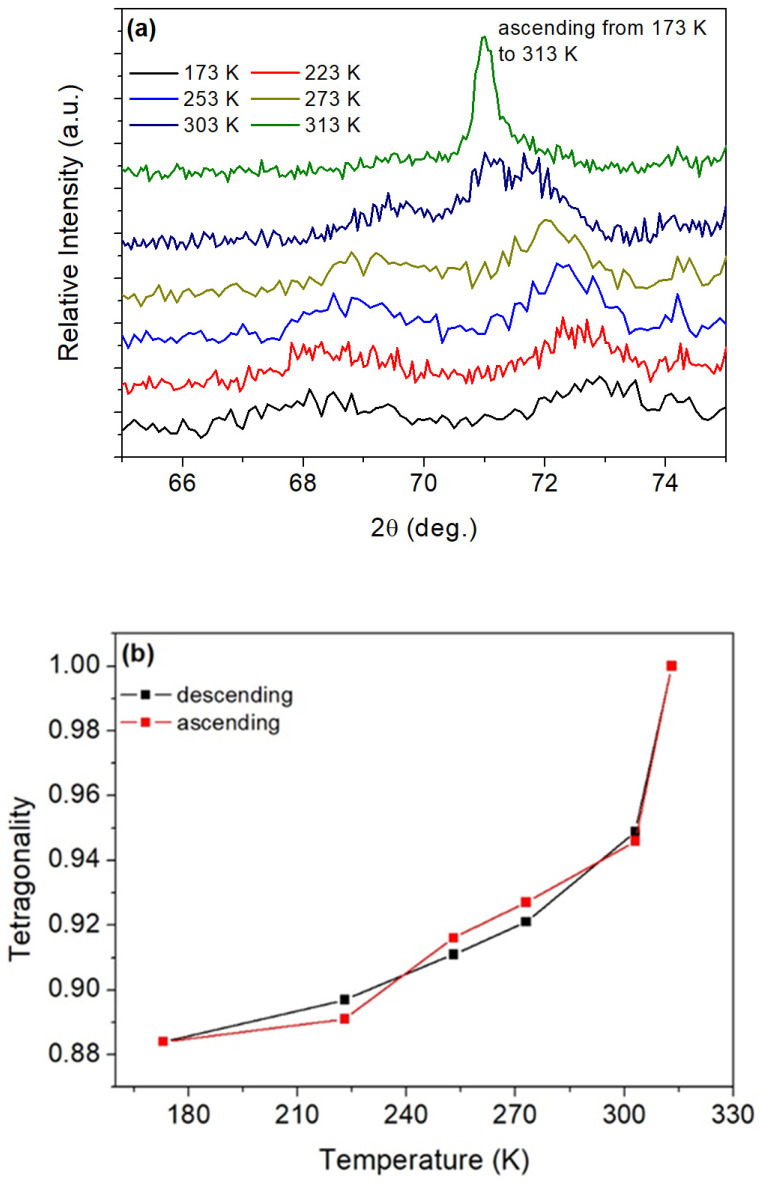 Figure 4
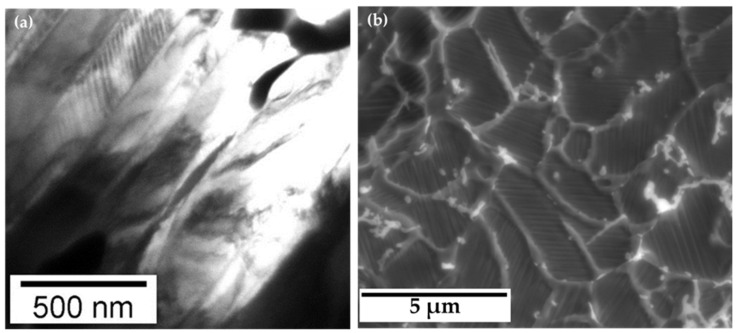 Figure 5
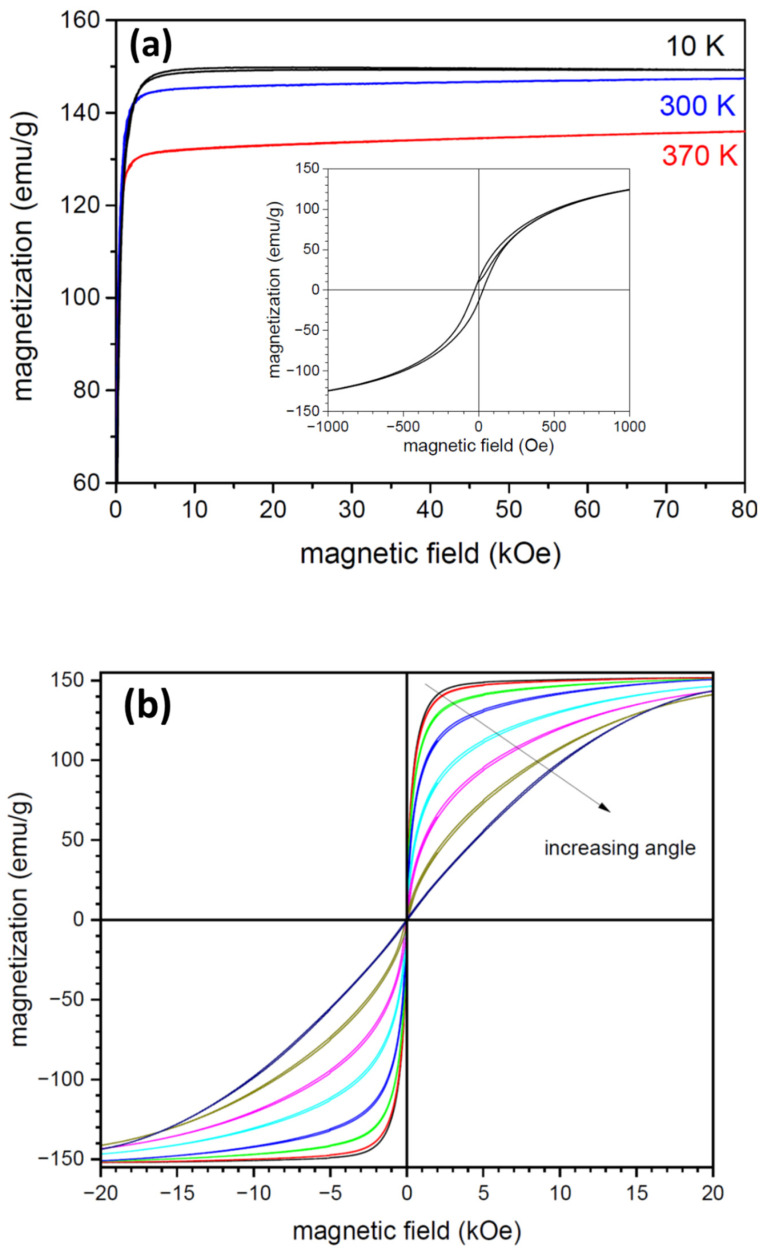 Figure 6
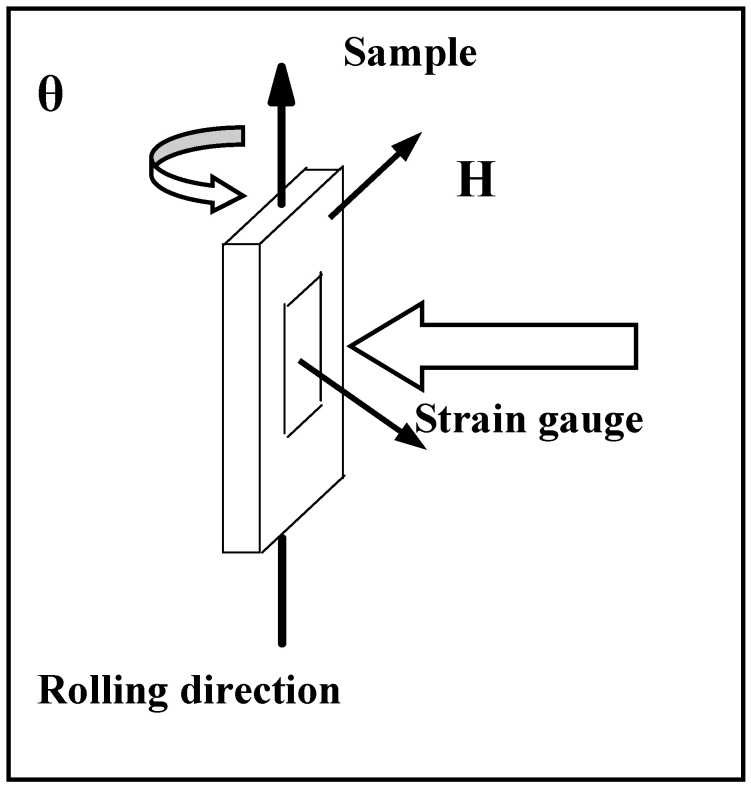 Figure 7
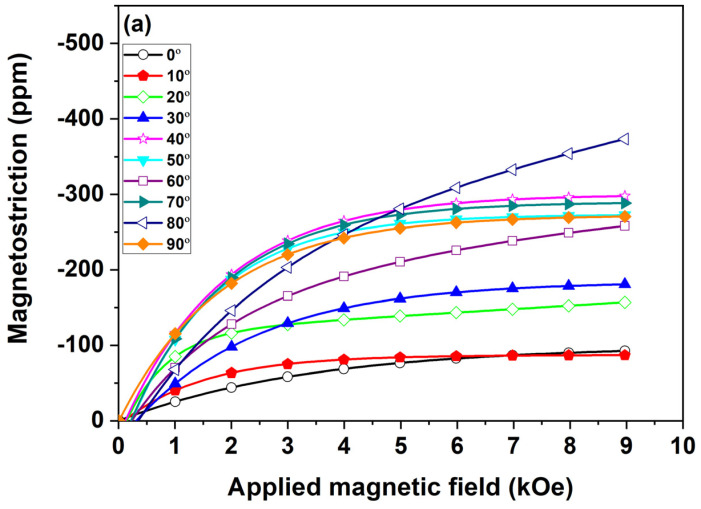 Figure 8
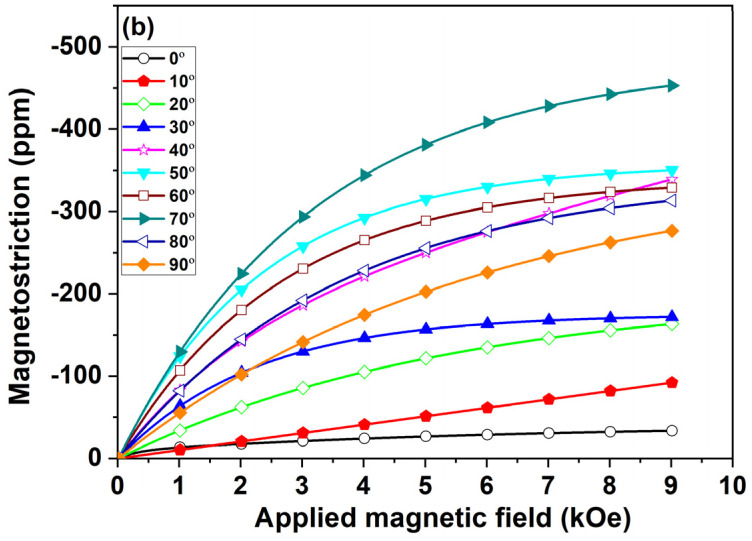 Figure 9
Peer Reviews
No public reviews on file for this paper yet. If you reviewed it on a platform where reviews are public (OpenReview, ICLR, NeurIPS, ICML), you can paste yours below so the community can read it here.
Videos
No videos yet. Explain this paper in a talk, walkthrough, or lecture? Add one.
Taxonomy
TopicsShape Memory Alloy Transformations · Creativity in Education and Neuroscience