The New Modular Sforzesco Brace (Modular Italian Brace) Is as Effective as the Classical One: A Retrospective Controlled Study from a Prospective Cohort
Francesco Negrini, Francesca Febbo, Fabrizio Tessadri, Andrea Zonta, Marta Tavernaro, Sabrina Donzelli, Fabio Zaina, Stefano Negrini

TL;DR
A new modular version of the Sforzesco brace is as effective as the original in treating adolescent scoliosis, with potential benefits in adaptability and cost.
Contribution
The study introduces and validates a modular Sforzesco brace (MI brace) as a viable alternative to the classical design.
Findings
Both braces reduced Cobb angles similarly, with no significant difference between groups.
The MI brace showed a 4.9 times higher likelihood of improving Cobb angle compared to the classical brace.
Secondary outcomes like aesthetics and trunk rotation improved for both braces.
Abstract
Background: The Sforzesco brace is a very rigid push-up brace effective in adolescent idiopathic scoliosis (AIS). We recently developed a new Sforzesco brace based on modularity (the Modular Italian brace—MI brace) that could allow standardization, facilitating global expertise diffusion, increased modifiability and adaptability, and cost savings due to longer brace life. We aimed to compare the short-term results of the two braces. Methods: The retrospective study included 231 consecutive AIS treated with a MI brace (N = 53) or Sforzesco brace (N = 178). The main outcome was the first 6-month follow-up out-of-brace radiograph Cobb angle change. Secondary outcomes included the in-brace Cobb degrees and aesthetics (TRACE), prominence (angle of trunk rotation and mm), kyphosis, and lordosis changes. Results: The two groups were similar at baseline, apart from more immature patients in MI…
Genes, proteins, chemicals, diseases, species, mutations and cell lines named across the full text — each resolved to its canonical identifier and authoritative record.
Click any figure to enlarge with its caption.
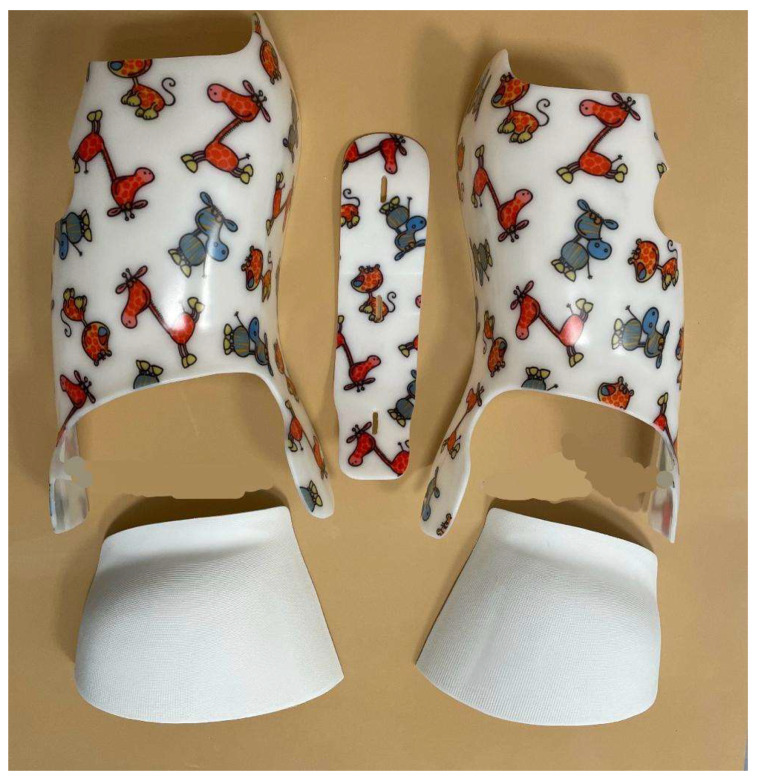 Figure 1
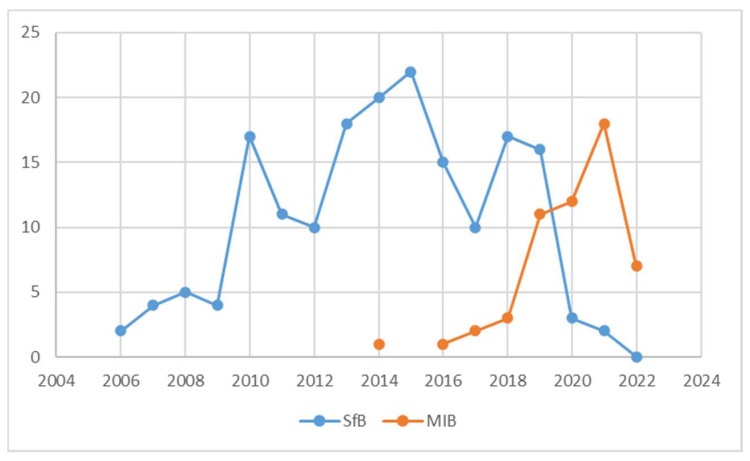 Figure 2
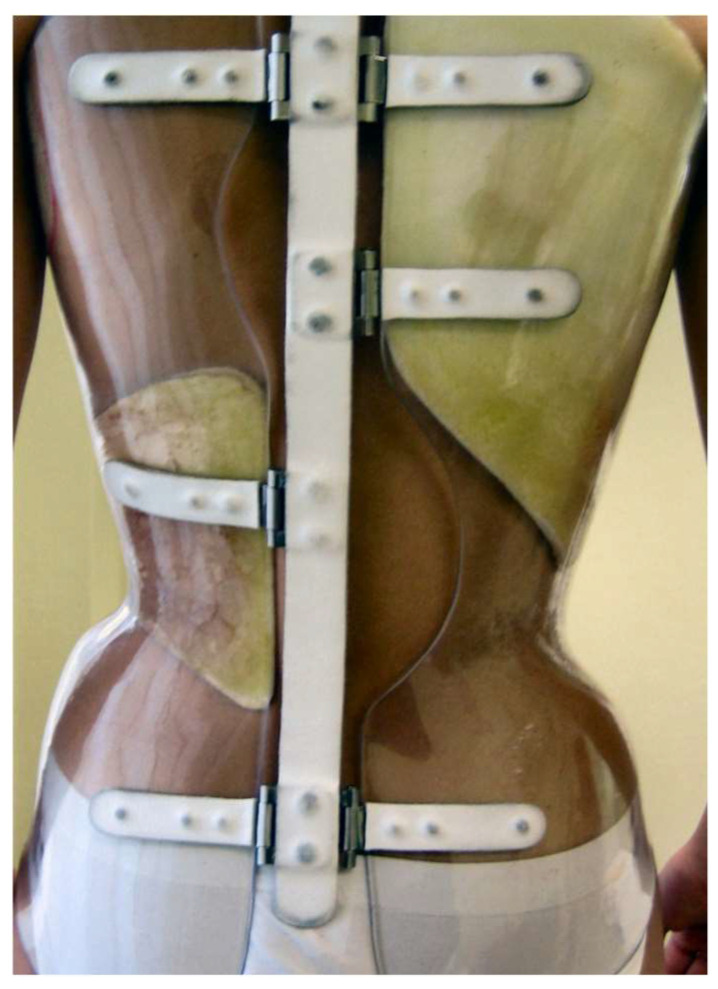 Figure 3
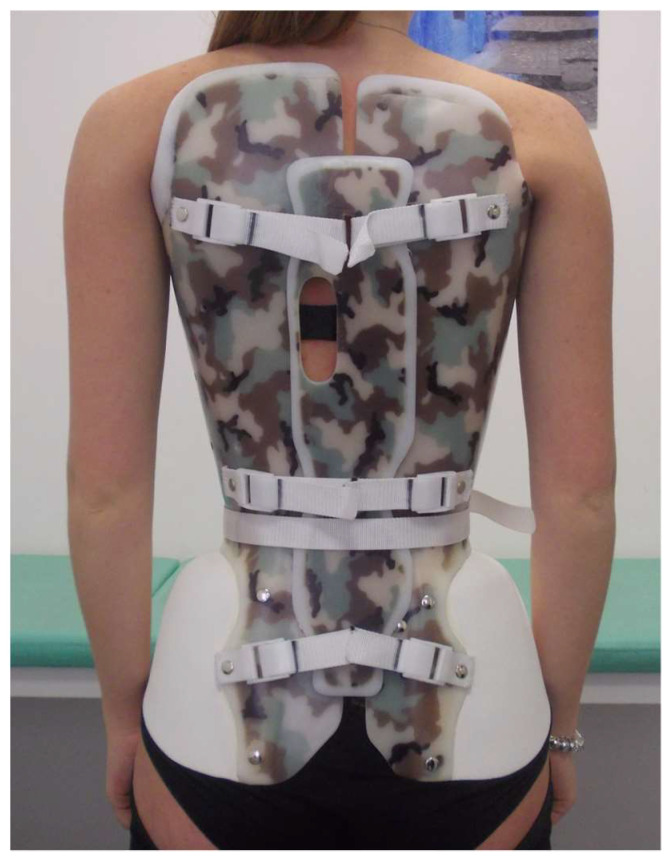 Figure 4
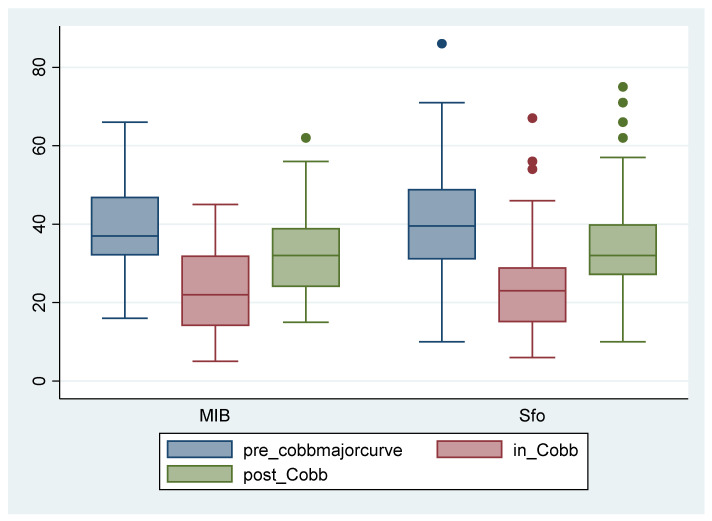 Figure 5
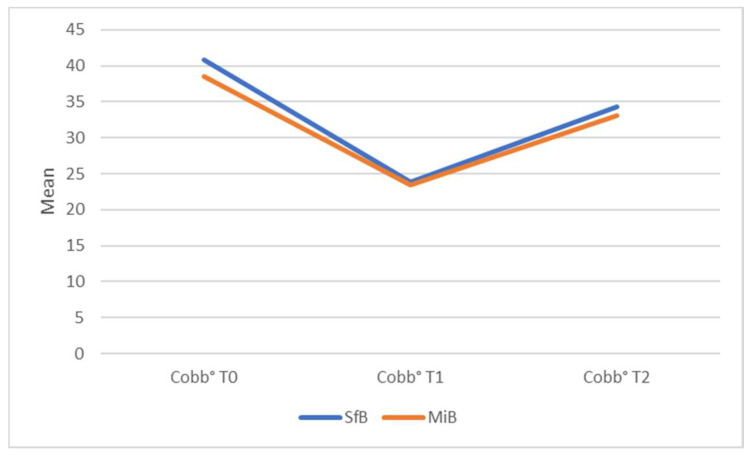 Figure 6
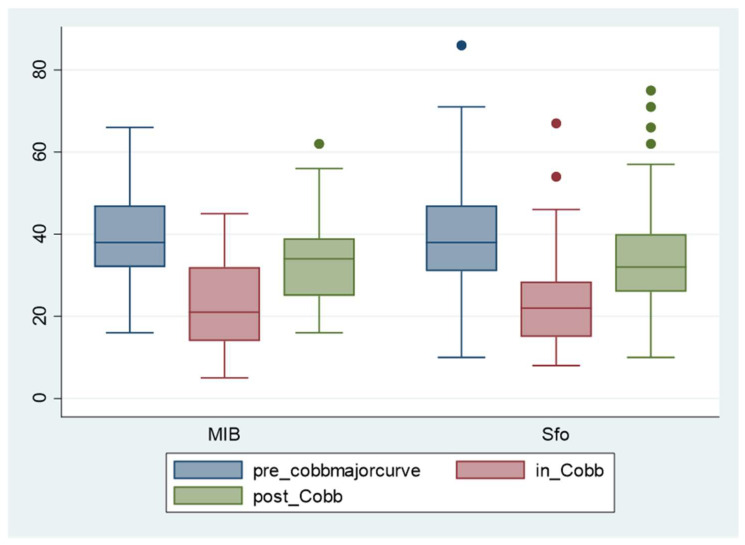 Figure 7
Peer Reviews
No public reviews on file for this paper yet. If you reviewed it on a platform where reviews are public (OpenReview, ICLR, NeurIPS, ICML), you can paste yours below so the community can read it here.
Videos
No videos yet. Explain this paper in a talk, walkthrough, or lecture? Add one.
Taxonomy
TopicsScoliosis diagnosis and treatment · Spinal Fractures and Fixation Techniques · Connective tissue disorders research