Microstructure of Deposits Sprayed by a High Power Torch with Flash Boiling Atomization of High-Concentration Suspensions
Saeid Amrollahy Biouki, Fadhel Ben Ettouil, Andre C. Liberati, Ali Dolatabadi, Christian Moreau

TL;DR
This study explores using flash boiling atomization to spray high-concentration titanium oxide suspensions with a high-power plasma torch, examining how power and concentration affect deposit quality and efficiency.
Contribution
The novel use of flash boiling atomization for high-concentration suspensions in plasma spraying is introduced and evaluated.
Findings
At low torch power, higher solid concentrations reduced deposition efficiency and increased unmelted particles.
High torch power improved deposition efficiency with dense deposits even at 70 wt% concentration.
XRD analysis showed anatase phase percentages ranging from 35.7% to 66.9% depending on power and concentration.
Abstract
The main objective of this study was to use flash boiling atomization as a new method to inject suspensions with high solid content into the high-power plasma flow. The water-based suspension was prepared with submicron titanium oxide particles with an average size of 500 nm. The investigated solid concentrations were 20, 40, 55 and 70 wt%. Two plasma torches operated at 33, 70 and 110 kW were used to investigate the effect of increasing power on the deposited microstructure and deposition efficiency. At low torch power, the deposition efficiency decreased with increasing solid concentration, and deposits with a high number of unmelted particles were obtained with 70 wt% suspensions. At high torch power, the deposition efficiency increased with increasing solid concentration, and dense deposits were obtained with 70 wt% suspensions. XRD analysis was performed on all deposits to…
Genes, proteins, chemicals, diseases, species, mutations and cell lines named across the full text — each resolved to its canonical identifier and authoritative record.
Click any figure to enlarge with its caption.
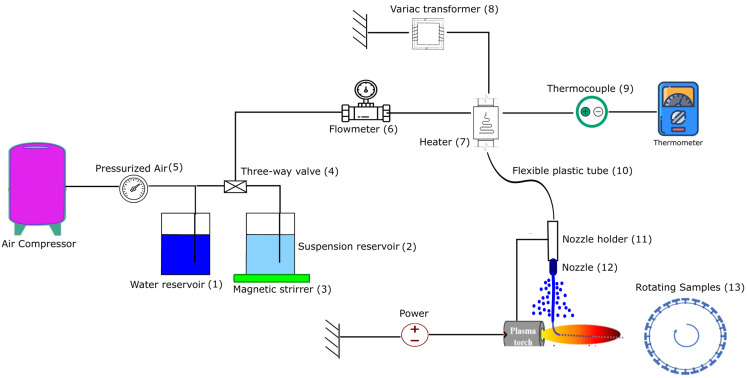 Figure 1
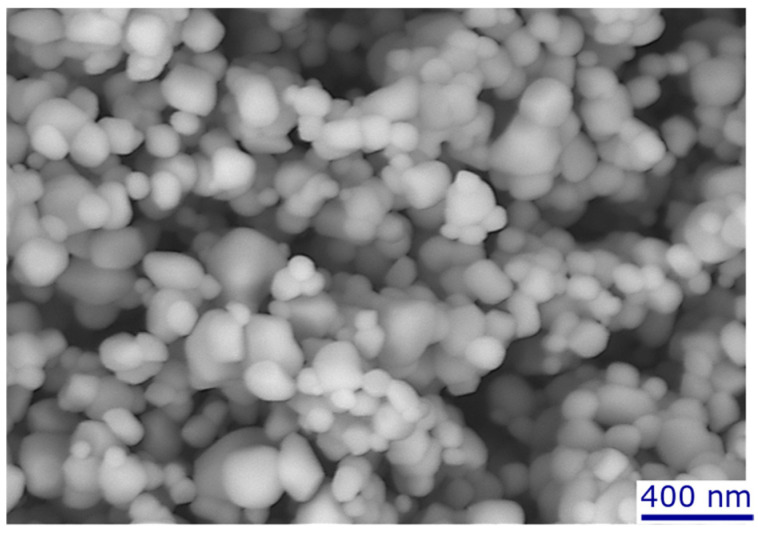 Figure 2
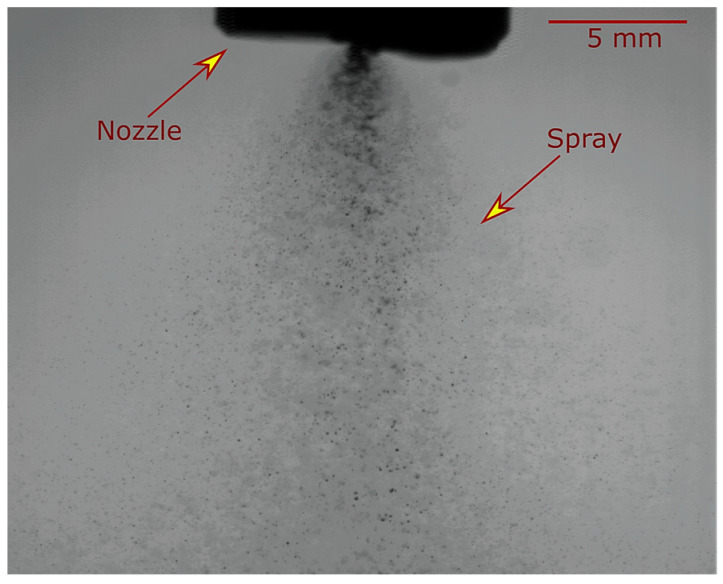 Figure 3
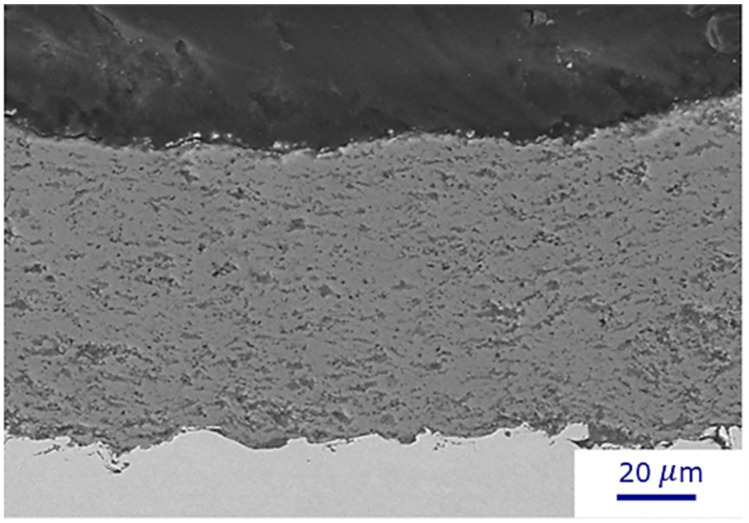 Figure 4
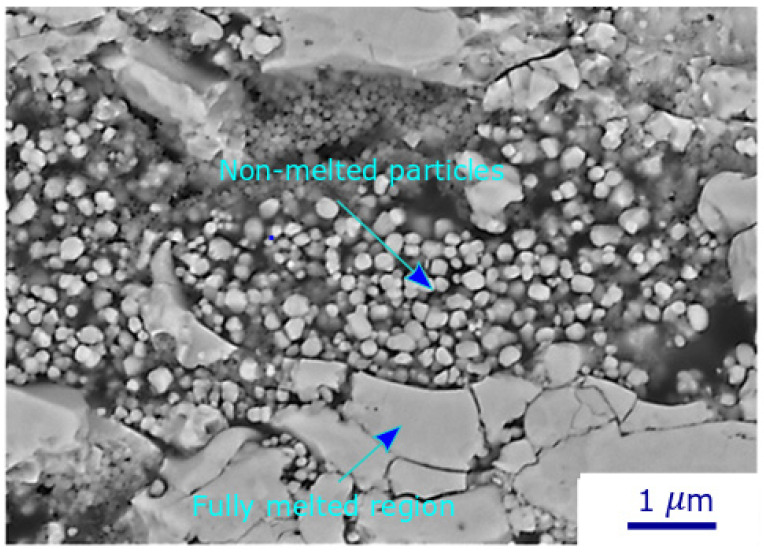 Figure 5
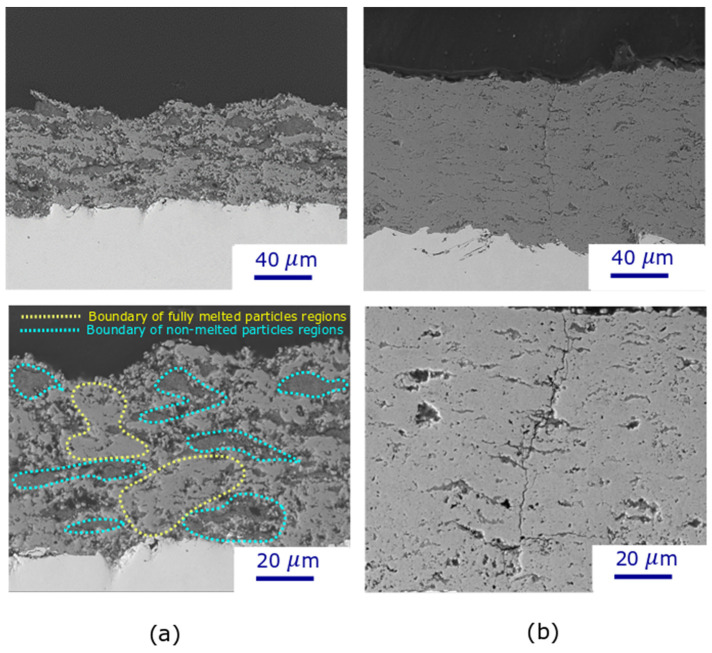 Figure 6
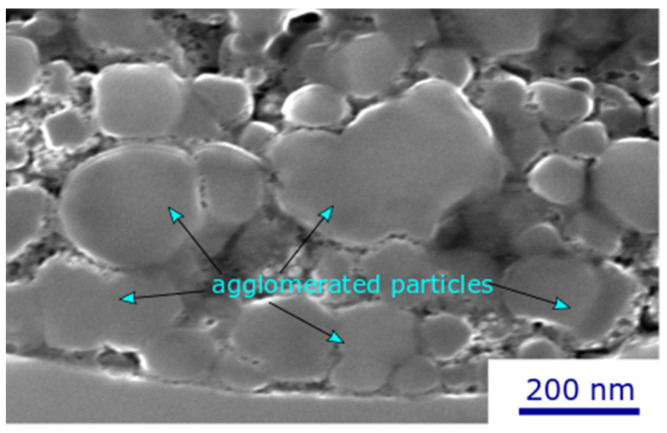 Figure 7
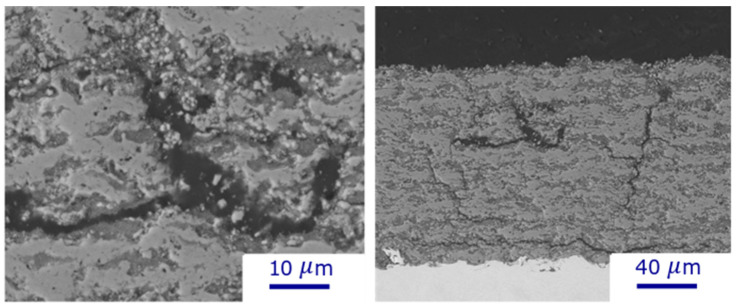 Figure 8
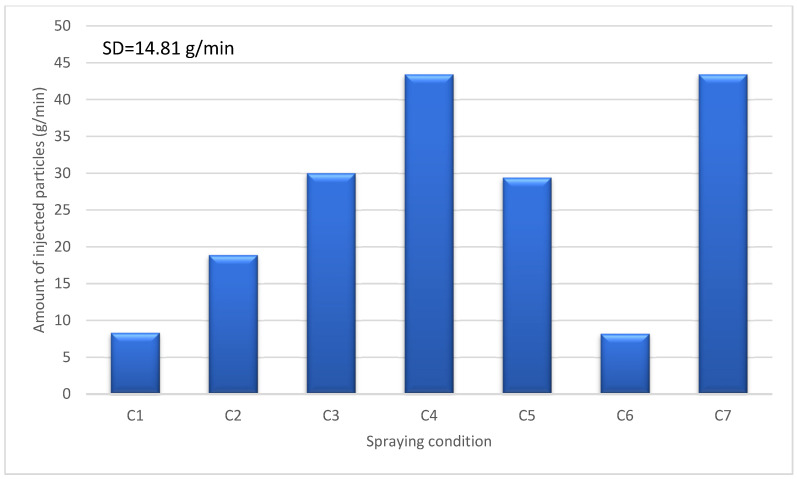 Figure 9
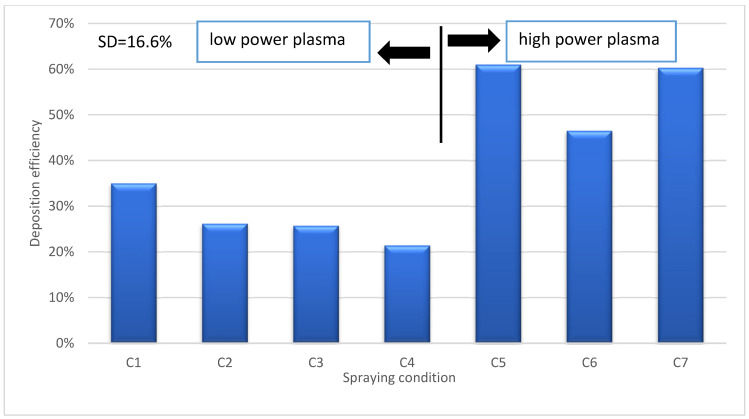 Figure 10
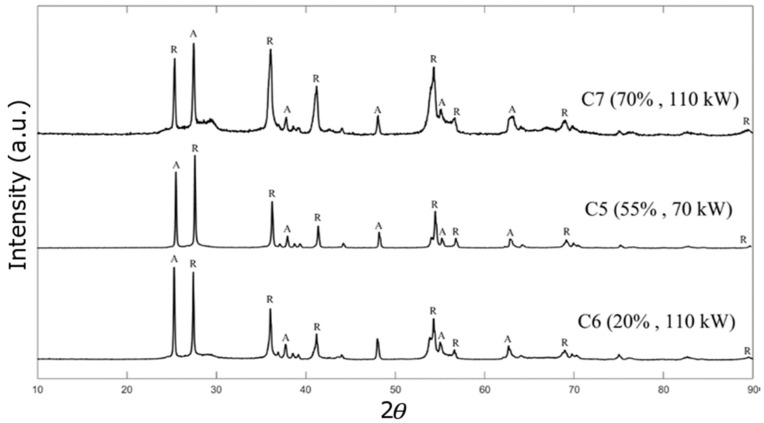 Figure 11
Peer Reviews
No public reviews on file for this paper yet. If you reviewed it on a platform where reviews are public (OpenReview, ICLR, NeurIPS, ICML), you can paste yours below so the community can read it here.
Videos
No videos yet. Explain this paper in a talk, walkthrough, or lecture? Add one.
Taxonomy
TopicsHigh-Temperature Coating Behaviors · Diamond and Carbon-based Materials Research · Catalytic Processes in Materials Science