Molecular and Cellular Characterization of Primary Endothelial Cells from a Familial Cavernomatosis Patient
Laura Lorente-Herraiz, Angel M. Cuesta, Jaime Granado, Lucía Recio-Poveda, Luisa-María Botella, Virginia Albiñana

TL;DR
This study isolates and analyzes endothelial cells from a patient with a rare inherited vascular disorder, revealing functional and genetic differences compared to healthy cells.
Contribution
The novel contribution is the first molecular and cellular characterization of primary endothelial cells from a familial cavernomatosis patient.
Findings
A heterozygous point mutation in CCM1 leads to RNA processing failure and reduced protein expression.
CCM1 endothelial cells show impaired angiogenesis and cell migration, along with decreased expression of vascular-related genes.
Vascular impairments are evident even in the heterozygous state, suggesting early predisposition to damage.
Abstract
Cerebral cavernous malformation (CCM) or familial cavernomatosis is a rare, autosomal dominant, inherited disease characterized by the presence of vascular malformations consisting of blood vessels with an abnormal structure in the form of clusters. Based on the altered gene (CCM1/Krit1, CCM2, CCM3) and its origin (spontaneous or familial), different types of this disease can be found. In this work we have isolated and cultivated primary endothelial cells (ECs) from peripheral blood of a type 1 CCM patient. Differential functional and gene expression profiles of these cells were analyzed and compared to primary ECs from a healthy donor. The mutation of the familial index case consisted of a heterozygous point mutation in the position +1 splicing consensus between exons 15 and 16, causing failure in RNA processing and in the final protein. Furthermore, gene expression analysis by…
Genes, proteins, chemicals, diseases, species, mutations and cell lines named across the full text — each resolved to its canonical identifier and authoritative record.
Click any figure to enlarge with its caption.
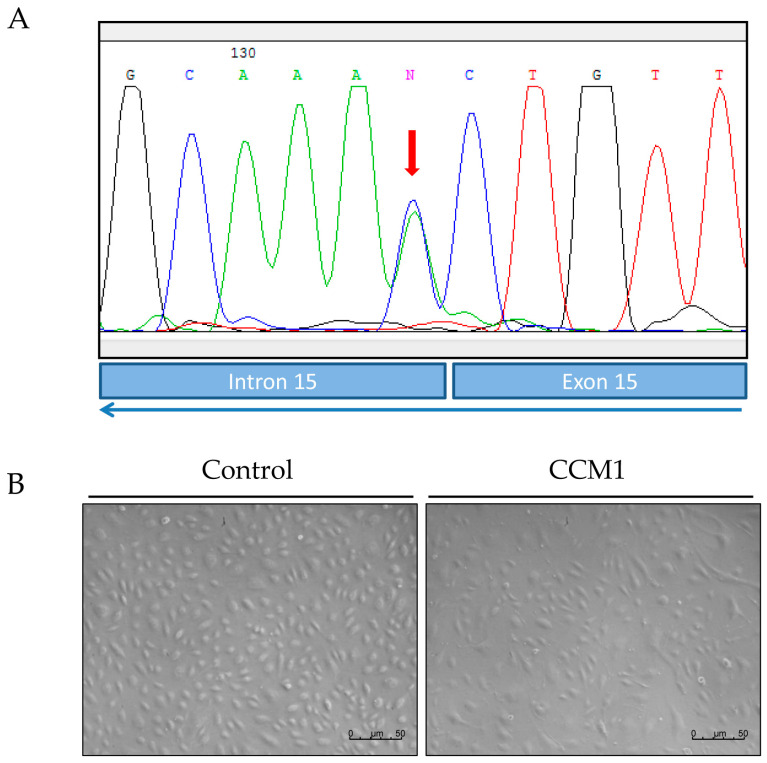 Figure 1
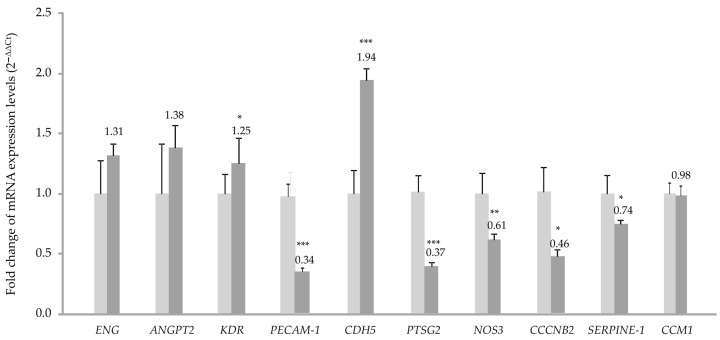 Figure 2
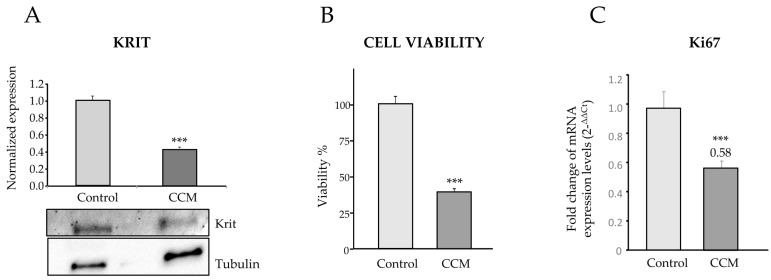 Figure 3
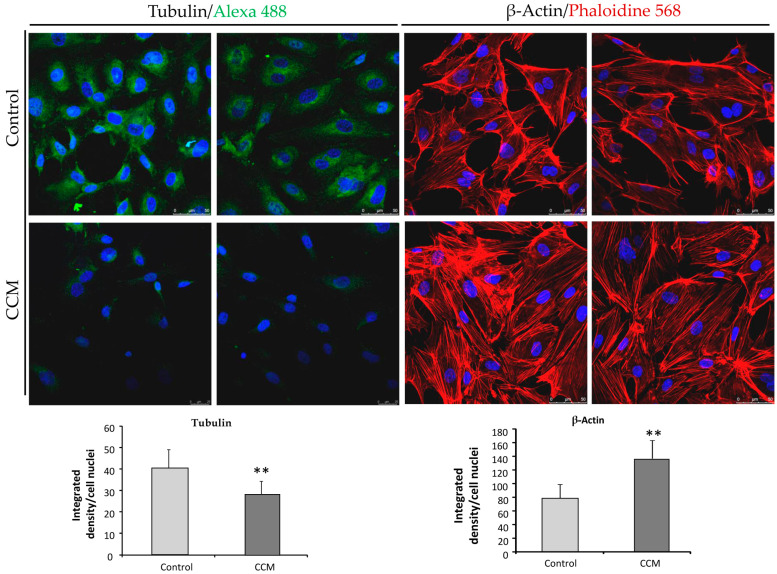 Figure 4
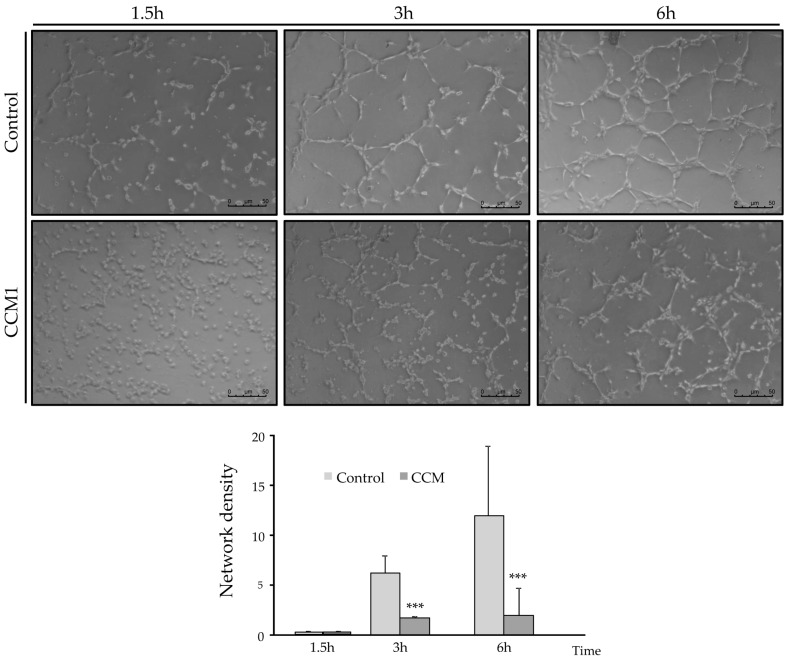 Figure 5
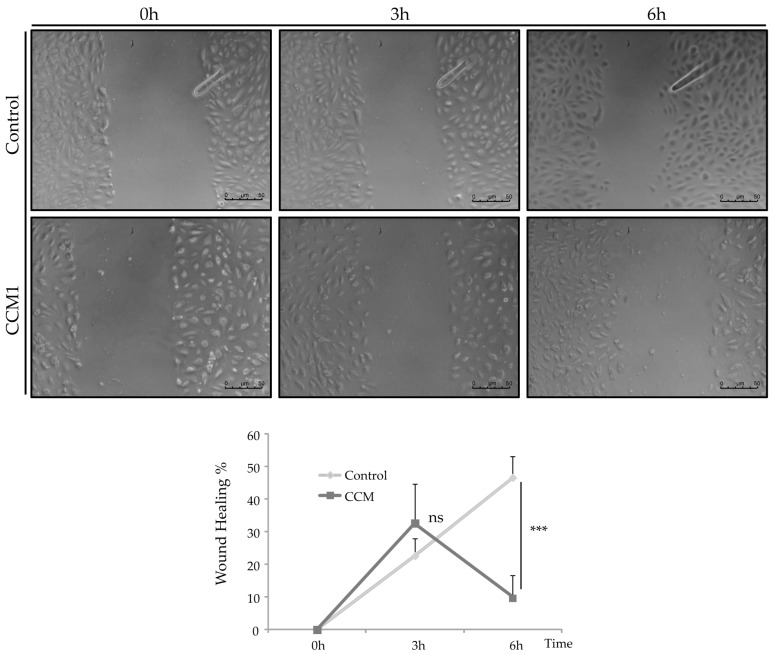 Figure 6
Peer Reviews
No public reviews on file for this paper yet. If you reviewed it on a platform where reviews are public (OpenReview, ICLR, NeurIPS, ICML), you can paste yours below so the community can read it here.
Videos
No videos yet. Explain this paper in a talk, walkthrough, or lecture? Add one.
Taxonomy
TopicsVascular Malformations Diagnosis and Treatment · Intracranial Aneurysms: Treatment and Complications · Intracerebral and Subarachnoid Hemorrhage Research