Genome-Wide Identification of the SPP/SPPL Gene Family and BnaSPPL4 Regulating Male Fertility in Rapeseed (Brassica napus L.)
Guangze Li, Wenjun Zhu, Minyu Tian, Rong Liu, Ying Ruan, Chunlin Liu

TL;DR
This study identifies 26 SPP/SPPL genes in rapeseed and finds that BnaSPPL4 is crucial for male fertility, as its silencing leads to male sterility.
Contribution
The first report on the role of SPP/SPPL genes in rapeseed, specifically identifying BnaSPPL4 as a regulator of male fertility.
Findings
26 SPP/SPPL genes were identified and categorized into three groups in rapeseed.
BnaSPPL4 silencing causes male sterility due to microspore dysplasia in the mononucleate stage.
SPP/SPPL genes are under strong purifying selection and are distributed across 17 chromosomes.
Abstract
Signal peptide peptidase (SPP) and its homologs, signal peptide peptidase-like (SPPL) proteases, are members of the GxGD-type aspartyl protease family, which is widespread in plants and animals and is a class of transmembrane proteins with significant biological functions. SPP/SPPLs have been identified; however, the functions of SPP/SPPL in rapeseed (Brassica napus L.) have not been reported. In this study, 26 SPP/SPPLs were identified in rapeseed and categorized into three groups: SPP, SPPL2, and SPPL3. These members mainly contained the Peptidase_A22 and PA domains, which were distributed on 17 out of 19 chromosomes. Evolutionary analyses indicated that BnaSPP/SPPLs evolved with a large number of whole-genome duplication (WGD) events and strong purifying selection. Members are widely expressed and play a key role in the growth and development of rapeseed. The regulation of rapeseed…
Genes, proteins, chemicals, diseases, species, mutations and cell lines named across the full text — each resolved to its canonical identifier and authoritative record.
Click any figure to enlarge with its caption.
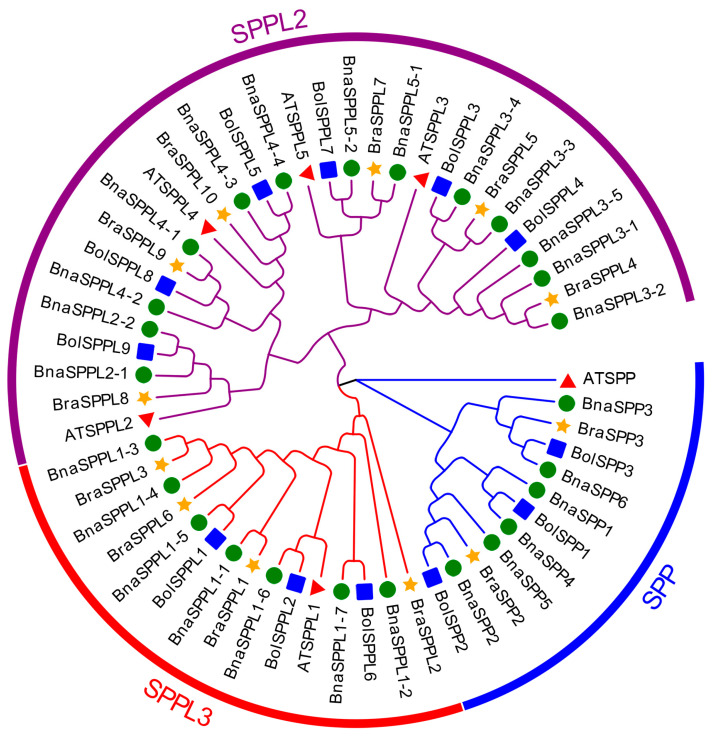 Figure 1
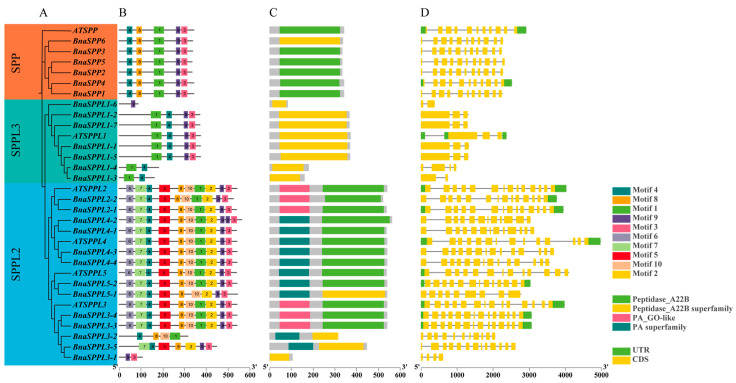 Figure 2
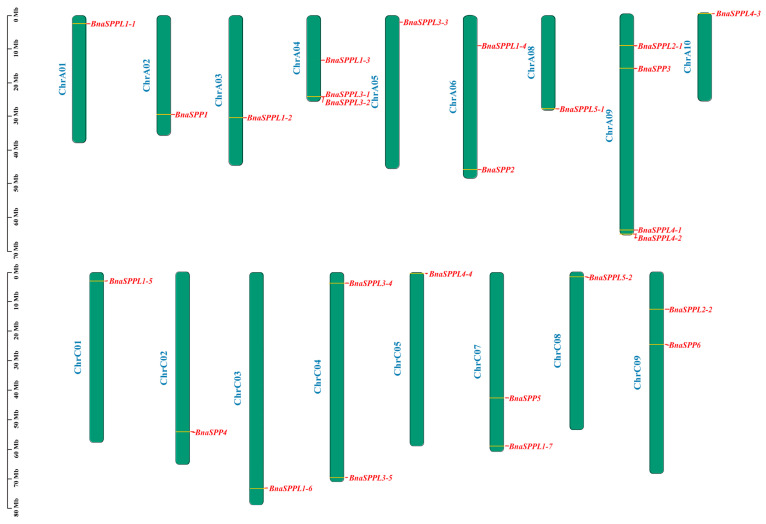 Figure 3
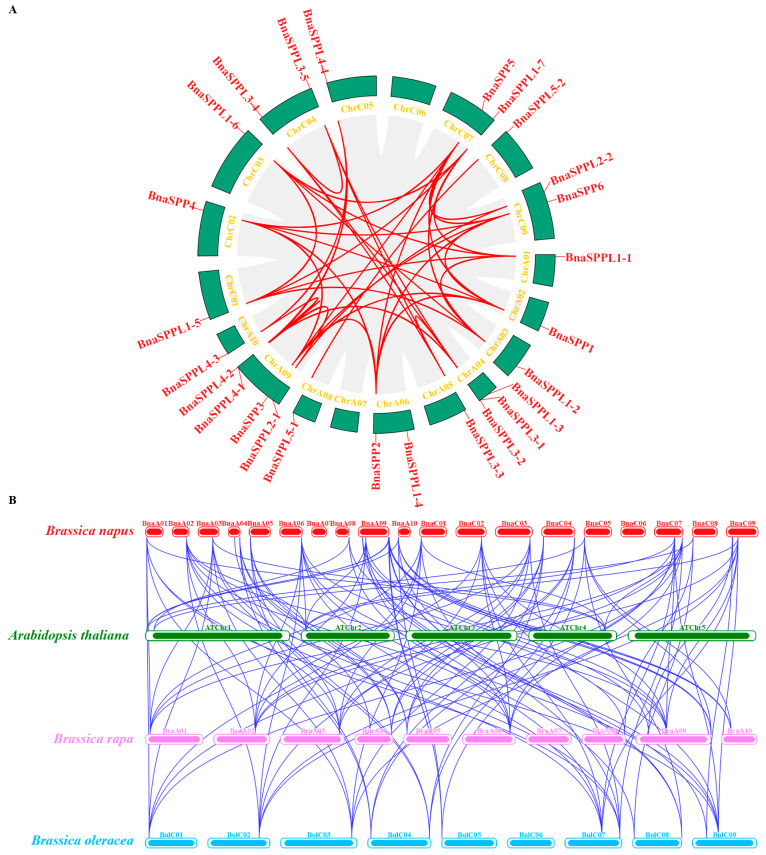 Figure 4
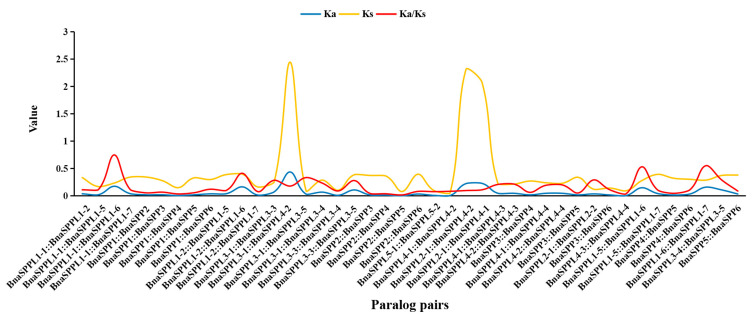 Figure 5
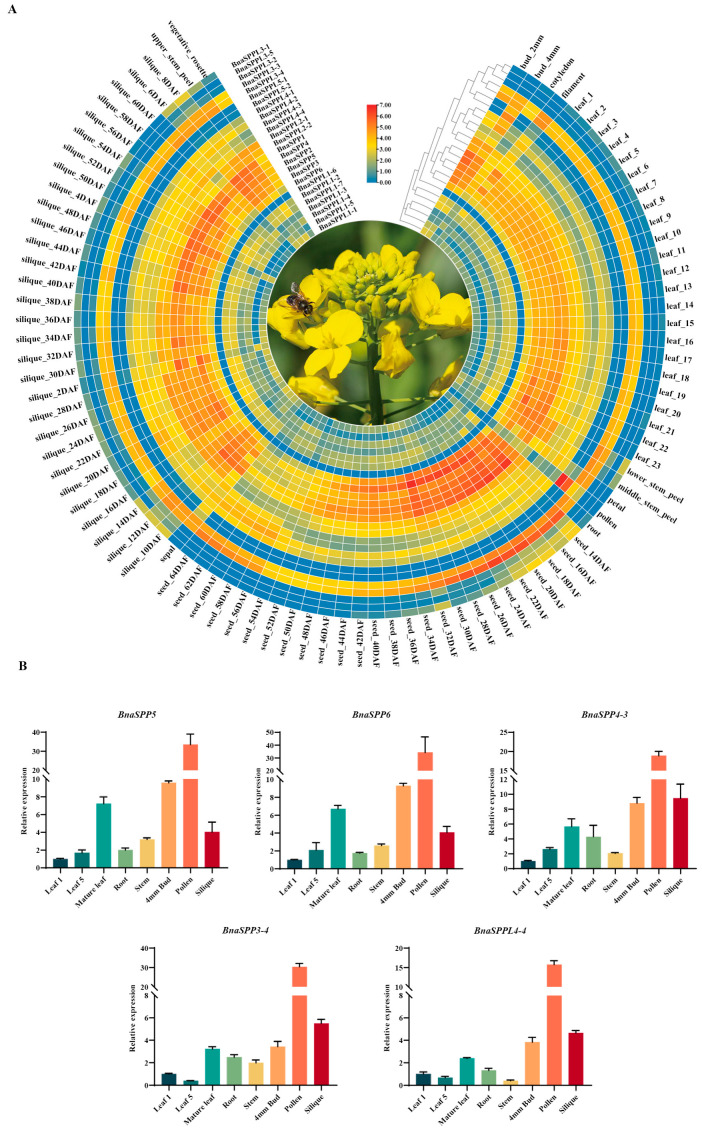 Figure 6
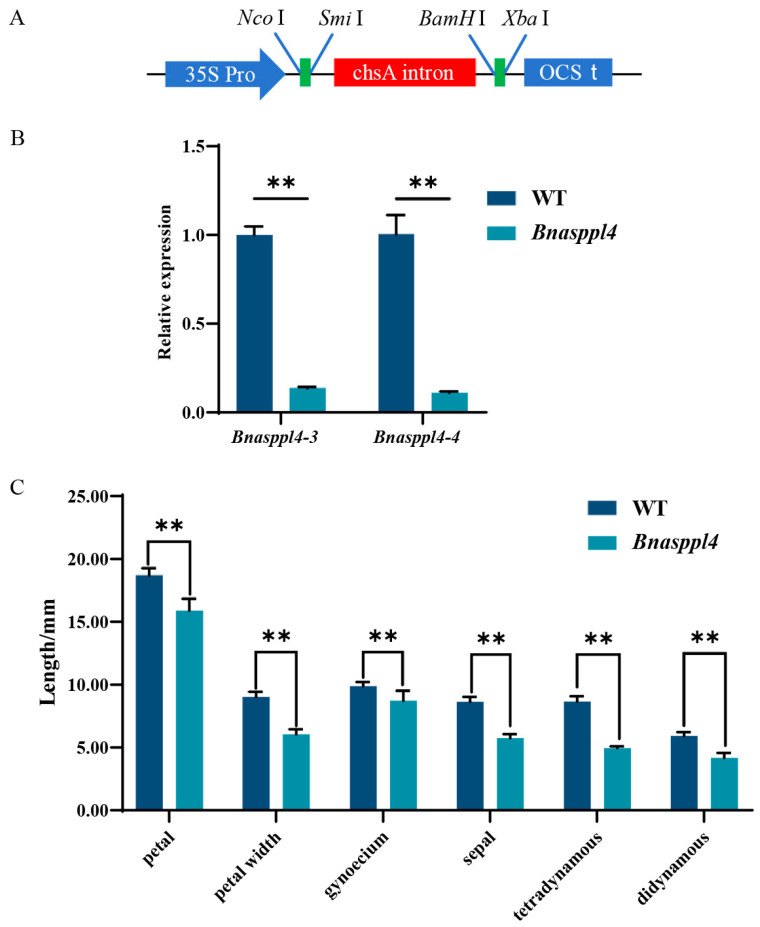 Figure 7
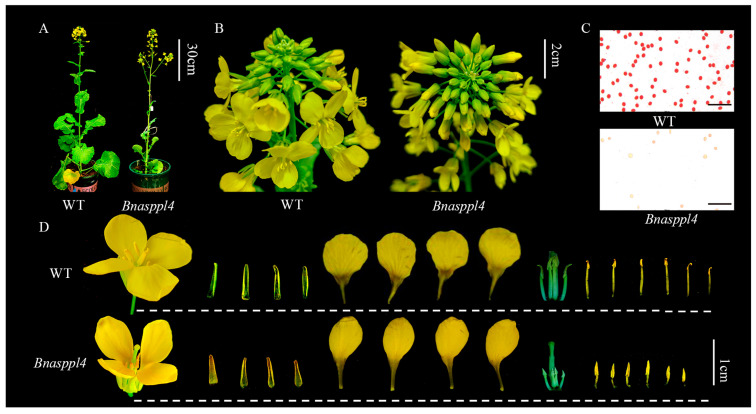 Figure 8
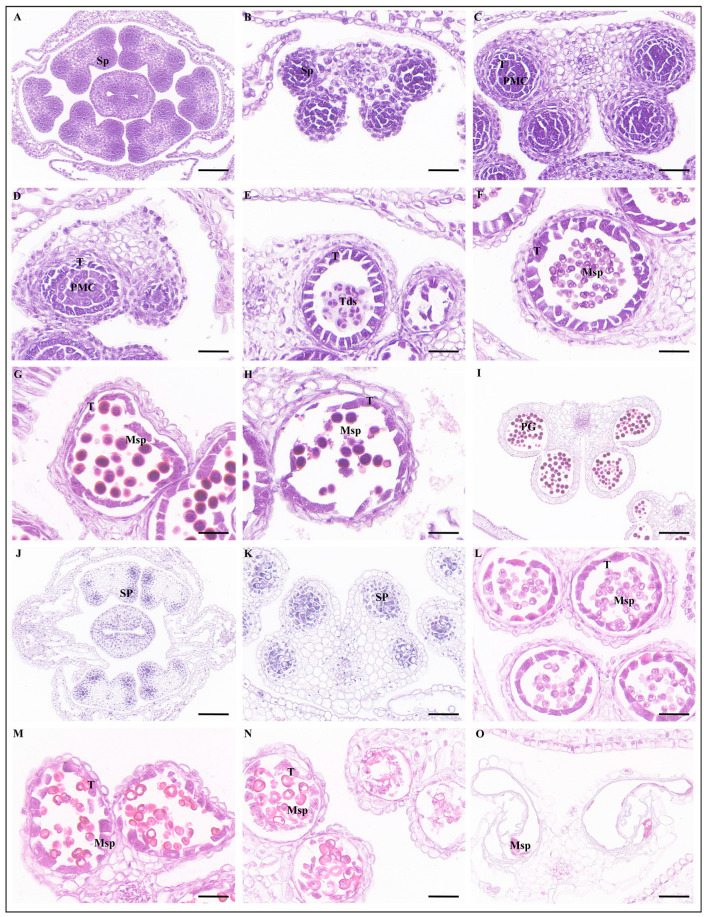 Figure 9
Peer Reviews
No public reviews on file for this paper yet. If you reviewed it on a platform where reviews are public (OpenReview, ICLR, NeurIPS, ICML), you can paste yours below so the community can read it here.
Videos
No videos yet. Explain this paper in a talk, walkthrough, or lecture? Add one.
Taxonomy
TopicsPeptidase Inhibition and Analysis · Plant Reproductive Biology · Phytase and its Applications