Identification of Four Mouse FcRn Splice Variants and FcRn-Specific Vesicles
George Haddad, Judith Blaine

TL;DR
Researchers discovered new mouse FcRn splice variants and special vesicles that store immunoglobulins and albumin, which could help develop new targeted therapies.
Contribution
The study identifies four new mouse FcRn splice variants and FcRn-specific vesicles involved in immunoglobulin and albumin storage.
Findings
Four new mouse FcRn splice variants bind immunoglobulins' Fc and Fab portions.
FcRn-specific vesicles store immunoglobulins and albumin and are linked to the endosomal-lysosomal system.
The findings suggest new opportunities for developing targeted therapeutics.
Abstract
Research into the neonatal Fc receptor (FcRn) has increased dramatically ever since Simister and Mostov first purified a rat version of the receptor. Over the years, FcRn has been shown to function not only as a receptor that transfers immunity from mother to fetus but also performs an array of different functions that include transport and recycling of immunoglobulins and albumin in the adult. Due to its important cellular roles, several clinical trials have been designed to either inhibit/enhance FcRn function or develop of non-invasive therapeutic delivery system such as fusion of drugs to IgG Fc or albumin to enhance delivery inside the cells. Here, we report the accidental identification of several FcRn alternatively spliced variants in both mouse and human cells. The four new mouse splice variants are capable of binding immunoglobulins’ Fc and Fab portions. In addition, we have…
Genes, proteins, chemicals, diseases, species, mutations and cell lines named across the full text — each resolved to its canonical identifier and authoritative record.
Click any figure to enlarge with its caption.
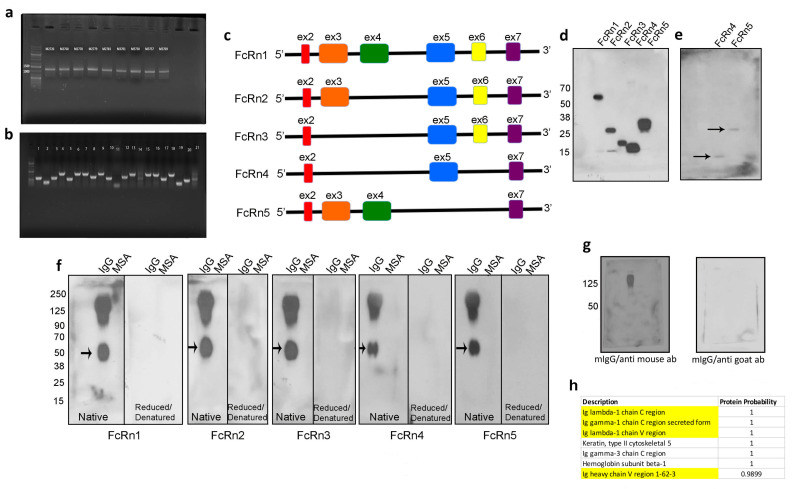 Figure 1
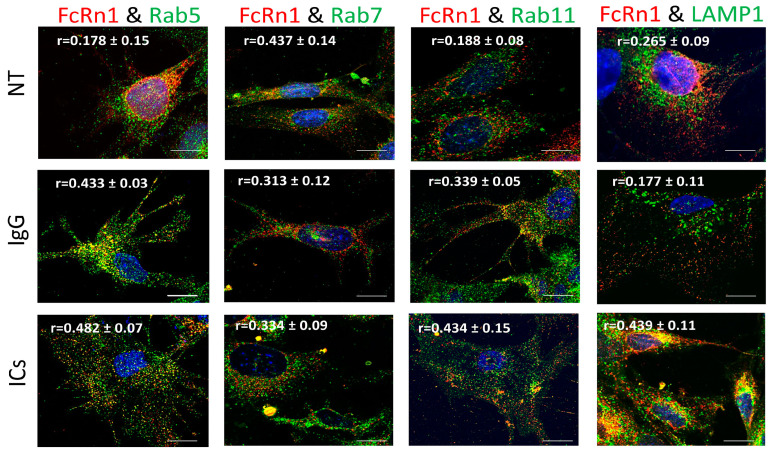 Figure 2
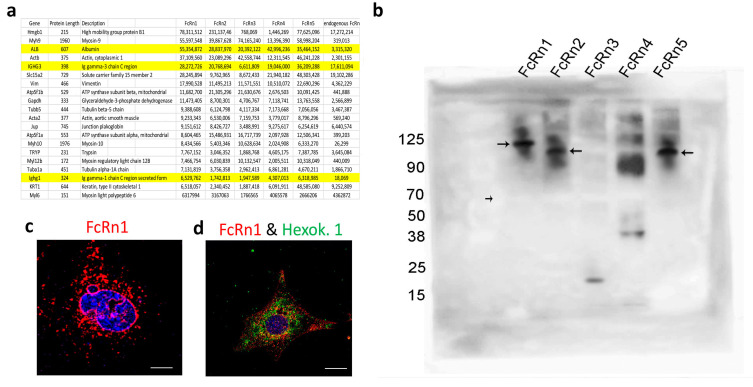 Figure 3
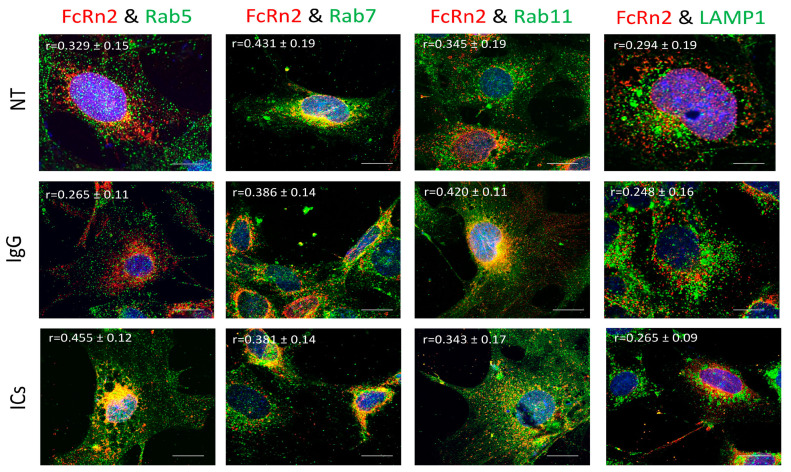 Figure 4
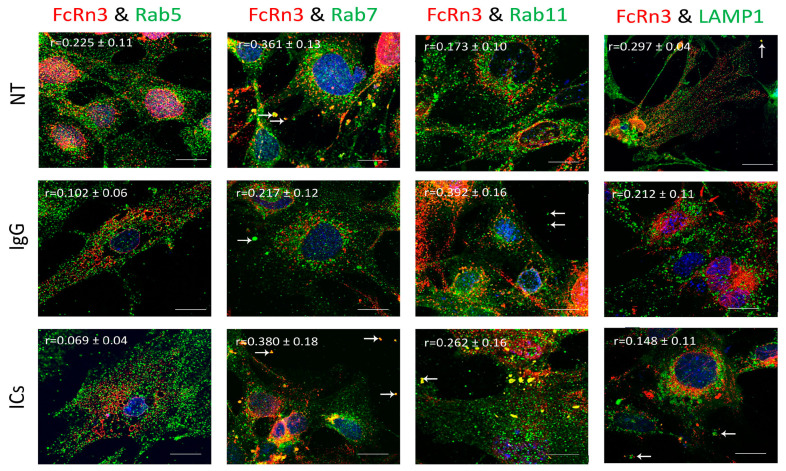 Figure 5
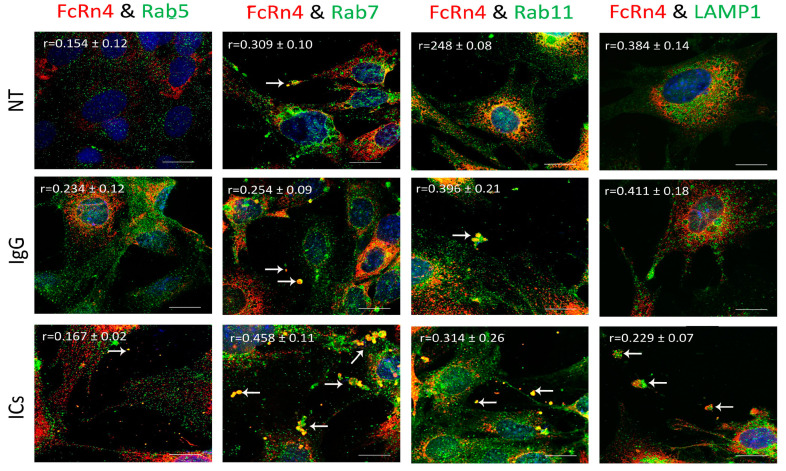 Figure 6
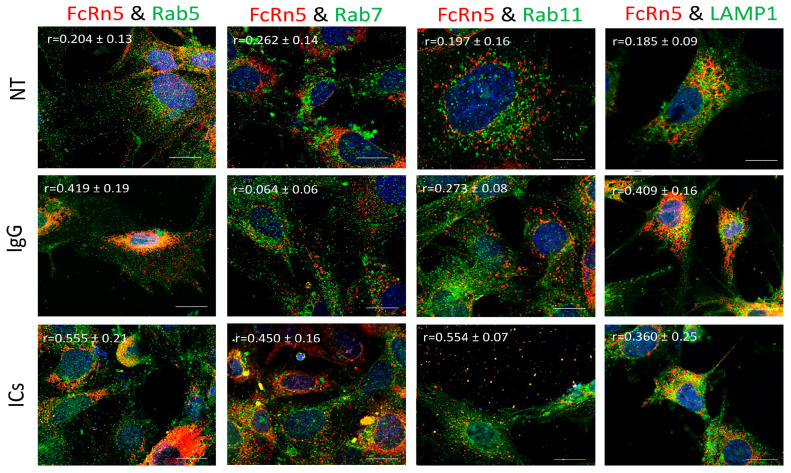 Figure 7
Peer Reviews
No public reviews on file for this paper yet. If you reviewed it on a platform where reviews are public (OpenReview, ICLR, NeurIPS, ICML), you can paste yours below so the community can read it here.
Videos
No videos yet. Explain this paper in a talk, walkthrough, or lecture? Add one.
Taxonomy
TopicsMonoclonal and Polyclonal Antibodies Research · Glycosylation and Glycoproteins Research · Cell Adhesion Molecules Research