Modulation of sHLA-G, PD-1, and PD-L1 Expression in Cervical Lesions Following Imiquimod Treatment and Its Association with Treatment Success
Andrej Cokan, Neila Caroline Henrique da Silva, Rajko Kavalar, Igor But, Maja Pakiž, Sheilla Andrade de Oliveira, Fabiana Oliveira dos Santos Gomes, Rodrigo Soares da Silva, Christina Alves Peixoto, Norma Lucena-Silva

TL;DR
This study shows that imiquimod, a non-invasive treatment for cervical lesions, may help reduce HPV infection and improve outcomes by affecting immune checkpoint molecules like PD-L1 and sHLA-G.
Contribution
The study identifies baseline sHLA-G levels as a potential predictor of imiquimod treatment success in cervical lesions.
Findings
Baseline sHLA-G levels were associated with unsuccessful imiquimod treatment (p = 0.0036).
Successful treatment correlated with reduced PD-L1 levels (p = 0.0509) and lower HPV burden.
Imiquimod showed efficacy in lesion regression without significantly altering PD-1 expression.
Abstract
This study investigates the therapeutic potential of imiquimod (IMQ), a synthetic toll-like receptor 7 agonist, for treating cervical intraepithelial neoplasia (CIN) associated with human papillomavirus (HPV) infection. Given the risks associated with conventional surgical treatments, IMQ non-invasive application makes it an attractive alternative. This study specifically explores the correlation between IMQ treatment and the expression levels of immune checkpoint molecules PD-1, PD-L1, and sHLA-G in cervical lesions. The results suggest that baseline sHLA-G levels may predict treatment outcomes, while PD-L1 expression before treatment correlates with success. Understanding these immunomodulatory effects sheds light on IMQ potential as a conservative treatment for high-risk cervical lesions. (1) Background: Cervical intraepithelial neoplasia (CIN) is a precancerous condition linked to…
Genes, proteins, chemicals, diseases, species, mutations and cell lines named across the full text — each resolved to its canonical identifier and authoritative record.
Click any figure to enlarge with its caption.
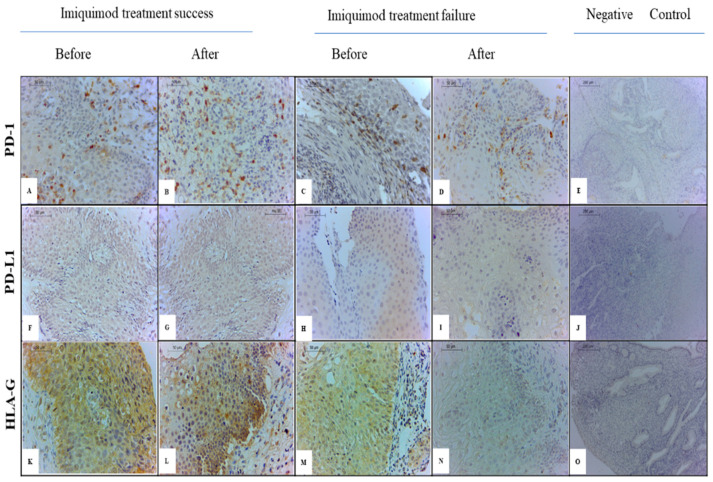 Figure 1
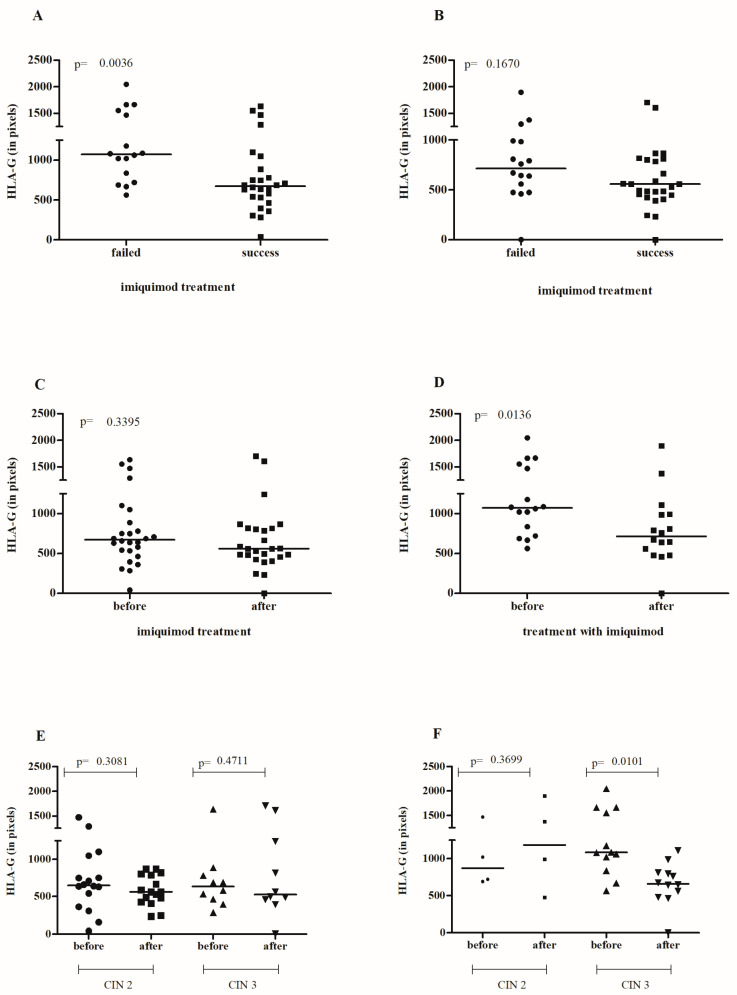 Figure 2
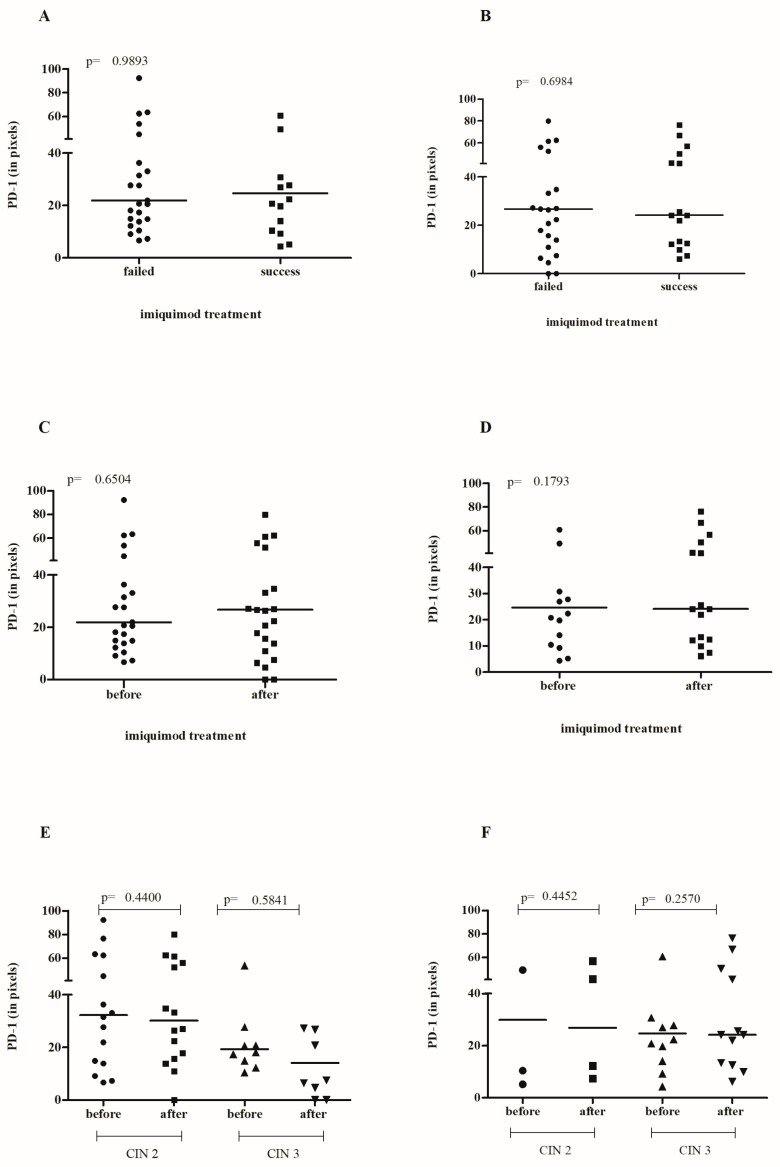 Figure 3
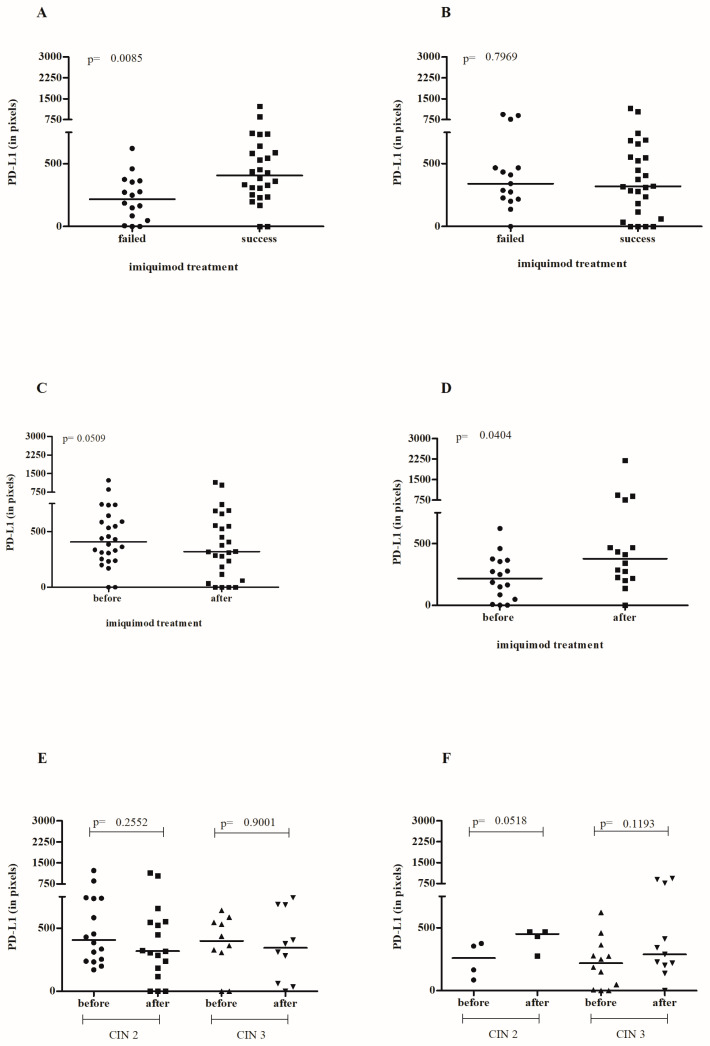 Figure 4
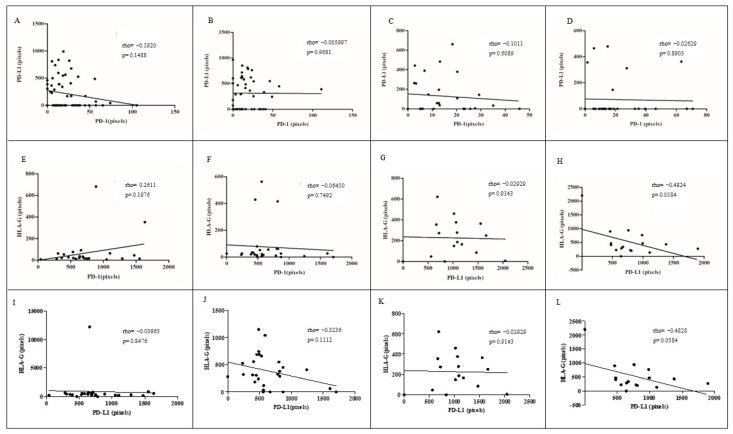 Figure 5
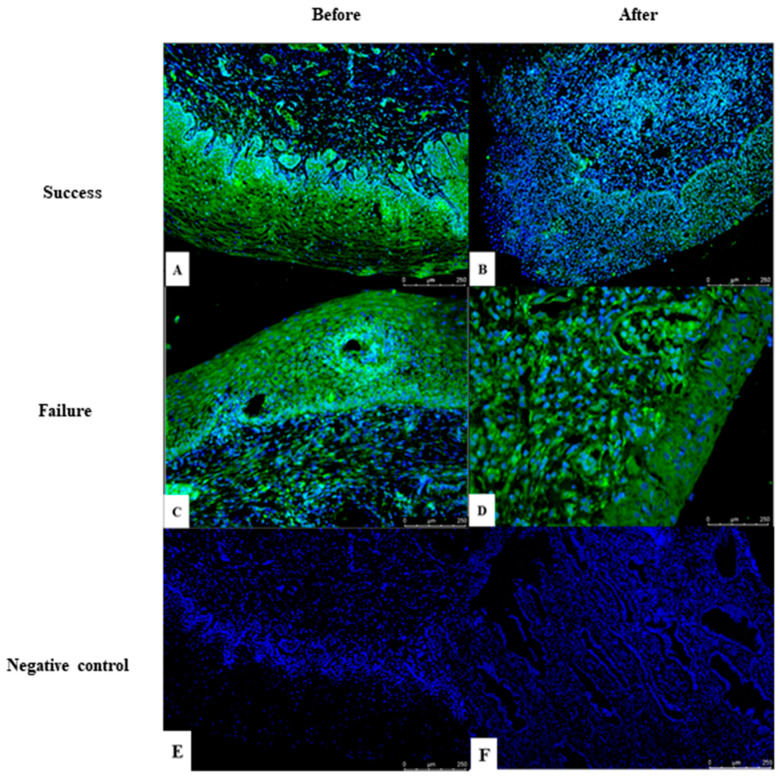 Figure 6
Peer Reviews
No public reviews on file for this paper yet. If you reviewed it on a platform where reviews are public (OpenReview, ICLR, NeurIPS, ICML), you can paste yours below so the community can read it here.
Videos
No videos yet. Explain this paper in a talk, walkthrough, or lecture? Add one.
Taxonomy
TopicsCervical Cancer and HPV Research · Colorectal and Anal Carcinomas · Cancer Immunotherapy and Biomarkers