Study of the Membrane Activity of the Synthetic Peptide ∆M3 Against Extended-Spectrum β-lactamase Escherichia coli Isolates
Estefanía Fandiño-Devia, Gloria A. Santa-González, Maria C. Klaiss-Luna, Marcela Manrique-Moreno

TL;DR
This study shows that the synthetic peptide ΔM3 effectively targets drug-resistant E. coli without harming human cells, likely by disrupting bacterial membranes.
Contribution
The novel contribution is the evaluation of ΔM3's membrane activity against extended-spectrum β-lactamase-producing E. coli isolates.
Findings
ΔM3 is active against E. coli isolates at concentrations similar to Meropenem.
The peptide showed no cytotoxicity in HaCaT keratinocyte cells.
ΔM3 interacts with bacterial membrane lipids, causing permeabilization.
Abstract
Escherichia coli is the most common microorganism causing nosocomial or community-acquired bacteremia, and extended-spectrum β-lactamase-producing Escherichia coli isolates are identified worldwide with increasing frequency. For this reason, it is necessary to evaluate potential new molecules like antimicrobial peptides. They are recognized for their biological potential which makes them promising candidates in the fight against infections. The goal of this research was to evaluate the potential of the synthetic peptide ΔM3 on several extended-spectrum β-lactamase producing E. coli isolates. The antimicrobial and cytotoxic activity of the peptide was spectrophotometrically determined. Additionally, the capacity of the peptide to interact with the bacterial membrane was monitored by fluorescence microscopy and infrared spectroscopy. The results demonstrated that the synthetic peptide is…
Genes, proteins, chemicals, diseases, species, mutations and cell lines named across the full text — each resolved to its canonical identifier and authoritative record.
Click any figure to enlarge with its caption.
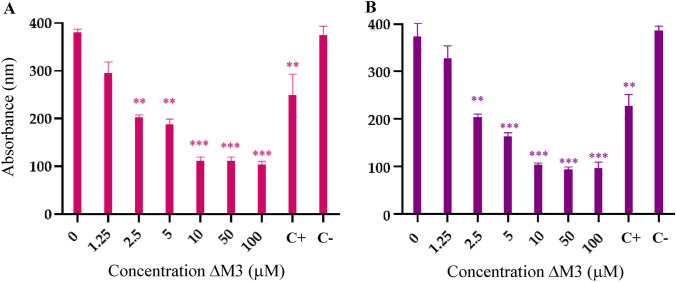 Figure 1
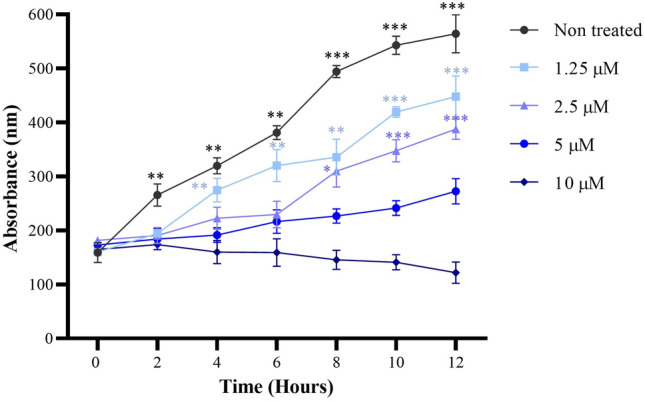 Figure 2
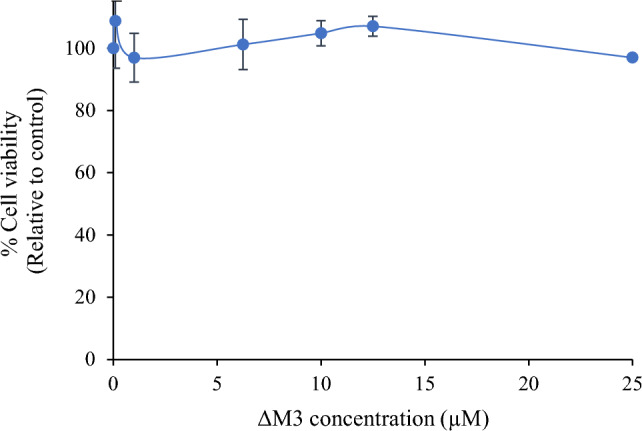 Figure 3
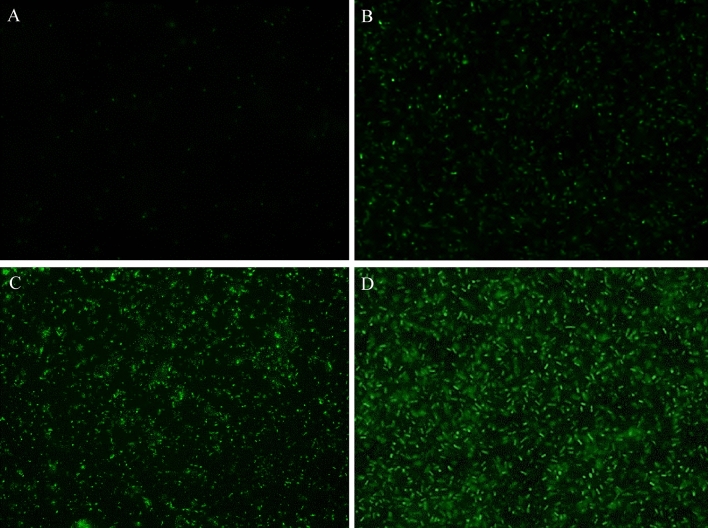 Figure 4
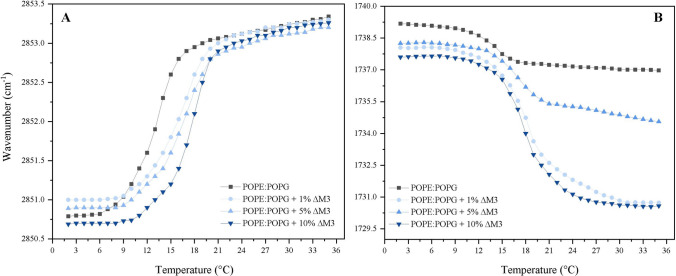 Figure 5
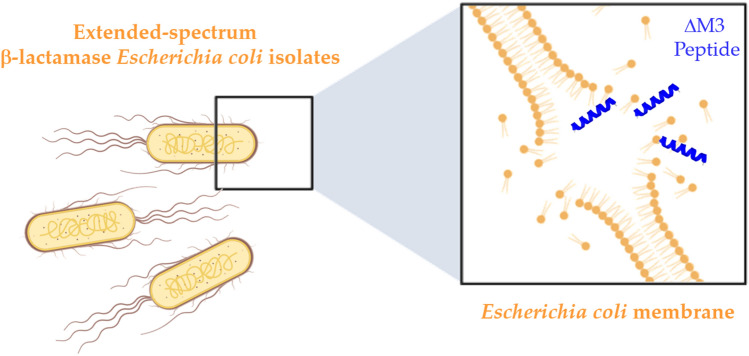 Figure 6
Peer Reviews
No public reviews on file for this paper yet. If you reviewed it on a platform where reviews are public (OpenReview, ICLR, NeurIPS, ICML), you can paste yours below so the community can read it here.
Videos
No videos yet. Explain this paper in a talk, walkthrough, or lecture? Add one.
Taxonomy
TopicsAntimicrobial Peptides and Activities · Antibiotic Resistance in Bacteria · Probiotics and Fermented Foods