Time trajectories and within-subject correlations of matrix metalloproteinases 3, 8, 9, 10, 12, and 13 serum levels and their ability to predict mortality in polytraumatized patients: a pilot study
Lukas L. Negrin, Greta L. Carlin, Robin Ristl, Stefan Hajdu

TL;DR
This pilot study explores how specific matrix metalloproteinase (MMP) serum levels change over time in polytrauma patients and their potential to predict survival.
Contribution
The study identifies time-dependent patterns of MMP levels and suggests that MMP10 may predict mortality in polytraumatized patients.
Findings
MMP8, MMP9, and MMP12 levels showed similar time trajectories and strong correlations after polytrauma.
MMP10 levels at admission were a predictor of in-hospital mortality, with higher levels associated with lower odds of death.
MMP3, MMP10, and MMP13 levels increased initially but decreased later, showing synchronized patterns.
Abstract
Managing polytrauma victims poses a significant challenge to clinicians since applying the same therapy to patients with similar injury patterns may result in different outcomes. Using serum biomarkers hopefully allows for treating each multiple injured in the best possible individual way. Since matrix metalloproteinases (MMPs) play pivotal roles in various physiological processes, they might be a reliable tool in polytrauma care. We evaluated 24 blunt polytrauma survivors and 12 fatalities (mean age, 44.2 years, mean ISS, 45) who were directly admitted to our Level I trauma center and stayed at the intensive care unit for at least one night. We determined their MMP3, MMP8, MMP9, MMP10, MMP12, and MMP13 serum levels at admission (day 0) and on days 1, 3, 5, 7, and 10. Median MMP8, MMP9, and MMP12 levels immediately rose after the polytrauma occurred; however, they significantly…
Genes, proteins, chemicals, diseases, species, mutations and cell lines named across the full text — each resolved to its canonical identifier and authoritative record.
Click any figure to enlarge with its caption.
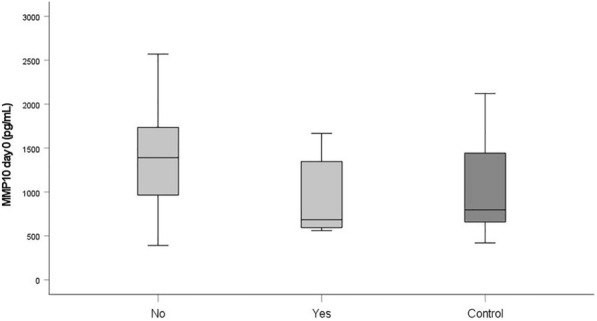 Figure 10
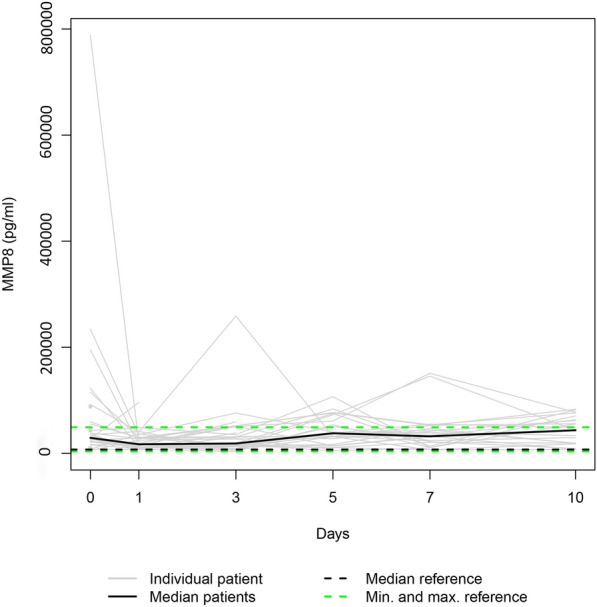 Figure 1
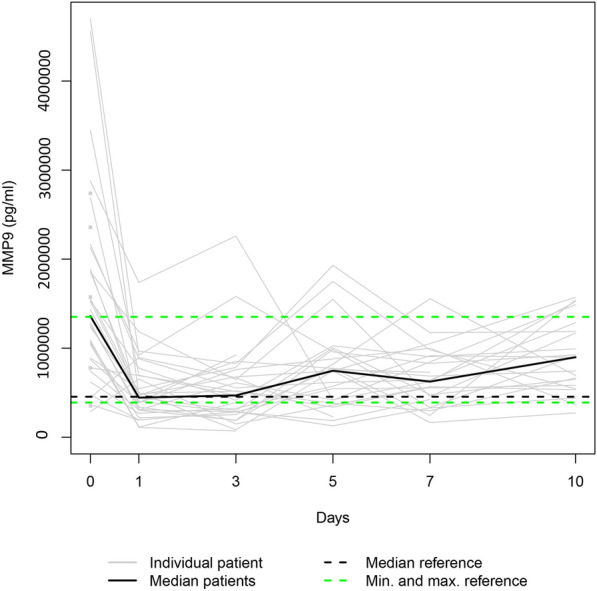 Figure 2
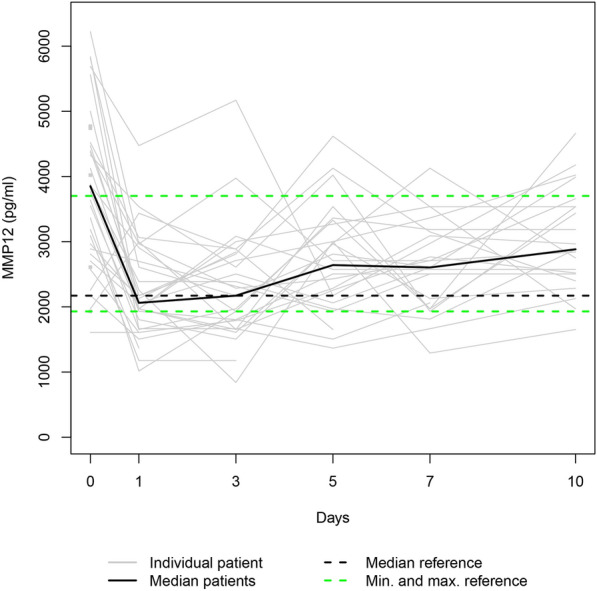 Figure 3
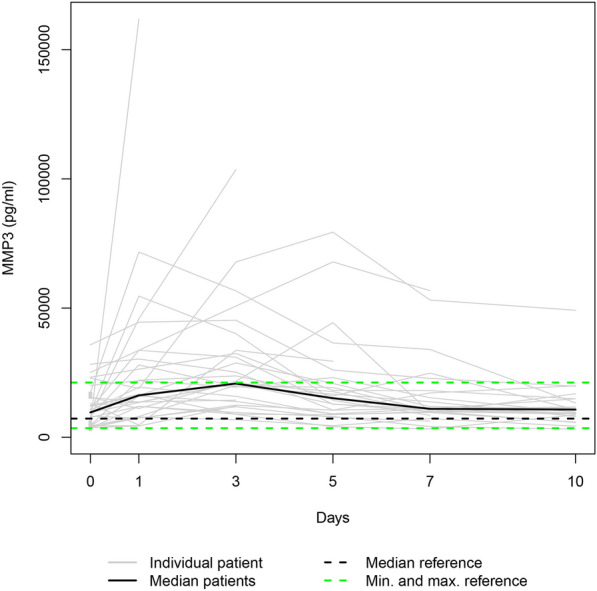 Figure 4
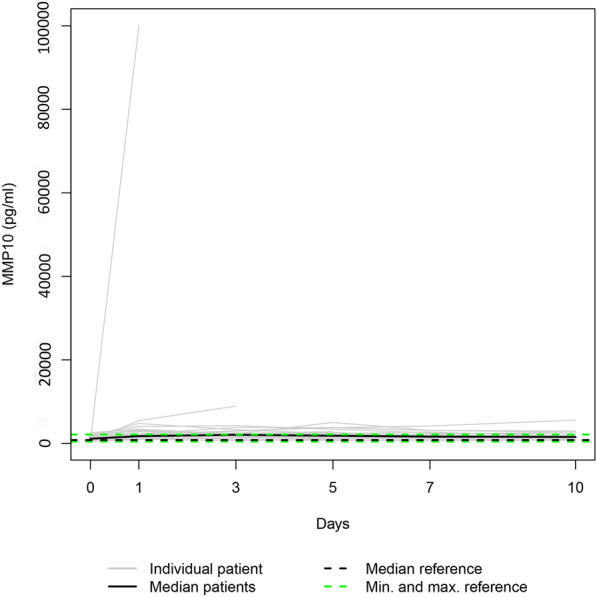 Figure 5
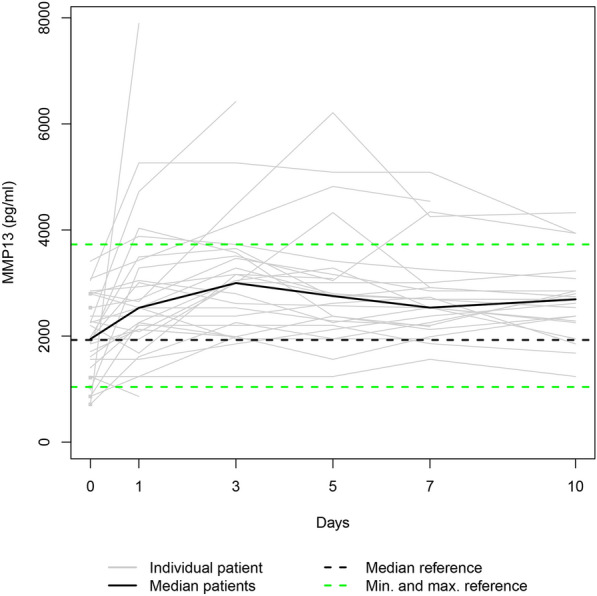 Figure 6
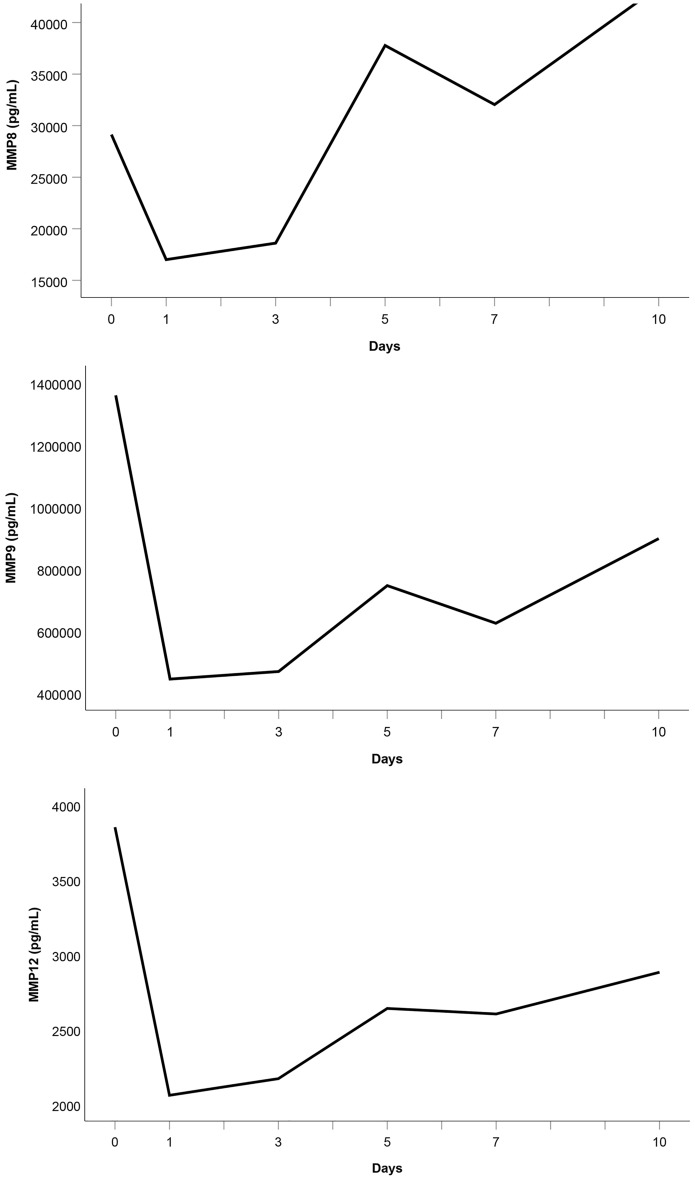 Figure 7
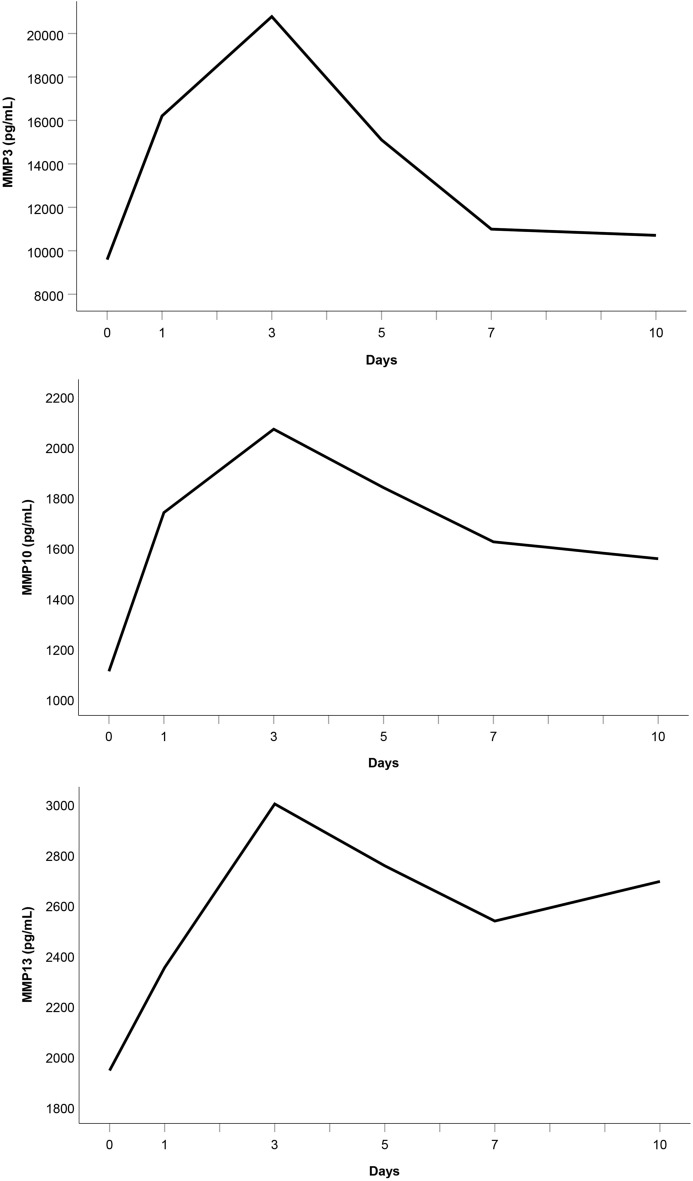 Figure 8
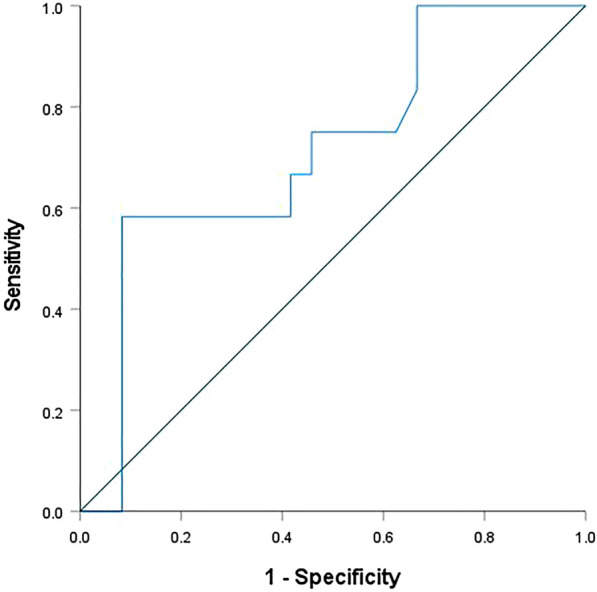 Figure 9
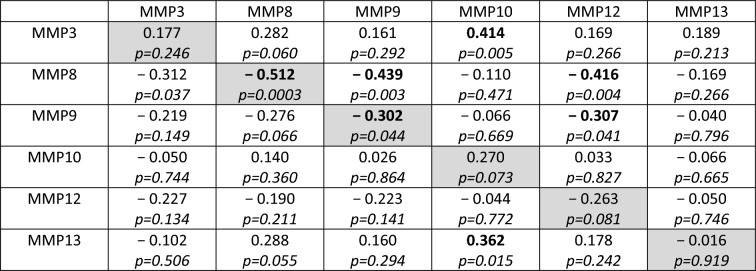 Figure 11
Peer Reviews
No public reviews on file for this paper yet. If you reviewed it on a platform where reviews are public (OpenReview, ICLR, NeurIPS, ICML), you can paste yours below so the community can read it here.
Videos
No videos yet. Explain this paper in a talk, walkthrough, or lecture? Add one.
Taxonomy
TopicsProtease and Inhibitor Mechanisms · Trauma and Emergency Care Studies · Blood Coagulation and Thrombosis Mechanisms