Evaluation of HIV-1 DNA levels among adolescents living with perinatally acquired HIV-1 in Yaounde, Cameroon: A contribution to paediatric HIV cure research in Sub-Saharan Africa
Aude Christelle Ka'e, Maria Mercedes Santoro, Leonardo Duca, Collins Ambe Chenwi, Ezechiel Ngoufack Jagni Semengue, Alex Durand Nka, Naomi-Karell Etame, Willy Leroi Togna Pabo, Grace Beloumou, Marie Laure Mpouel, Sandrine Djupsa, Desire Takou, Samuel Martin Sosso

TL;DR
This study examines HIV-1 DNA levels in adolescents with perinatally acquired HIV in Cameroon to understand factors influencing viral reservoirs and inform pediatric HIV cure research.
Contribution
The study identifies early ART initiation and long-term treatment as predictors of lower HIV-1 DNA levels in adolescents, offering insights for pediatric HIV cure strategies in Sub-Saharan Africa.
Findings
High HIV-1 RNA viremia correlates with higher HIV-1 DNA levels, indicating larger viral reservoirs.
Early ART initiation and longer treatment duration are linked to lower HIV-1 DNA levels and sustained viral control.
Approximately 14% of adolescents maintained aviremia and immune competence, suggesting potential for post-treatment control.
Abstract
With the advent of antiretroviral therapy (ART), most children living with HIV in sub-Saharan Africa (SSA) are growing toward adolescence, with scarcity of evidence on the size of viral reservoirs to enhance paediatric cure research strategies. This study aims to compare HIV-1 proviral DNA levels according to virological response among adolescents living with perinatally acquired HIV-1 (ALPHIV) and identify associated-factors in the Cameroonian context. In this observational cohort study, HIV-1 RNA viremia and CD4+ T-cell count were assessed through RT-PCR and flow cytometry respectively at three time-points over 18 months of observation. At the third time-point, 80 randomly-selected participants were classified as with viremia (≥50 HIV-1 copies/mL; n = 40) or without viremia (<50 HIV-1 copies/mL; n = 40); immune-competent (≥500 CD4+ T cells/mm3) or immunocompromised (<500 CD4+ T…
Genes, proteins, chemicals, diseases, species, mutations and cell lines named across the full text — each resolved to its canonical identifier and authoritative record.
Click any figure to enlarge with its caption.
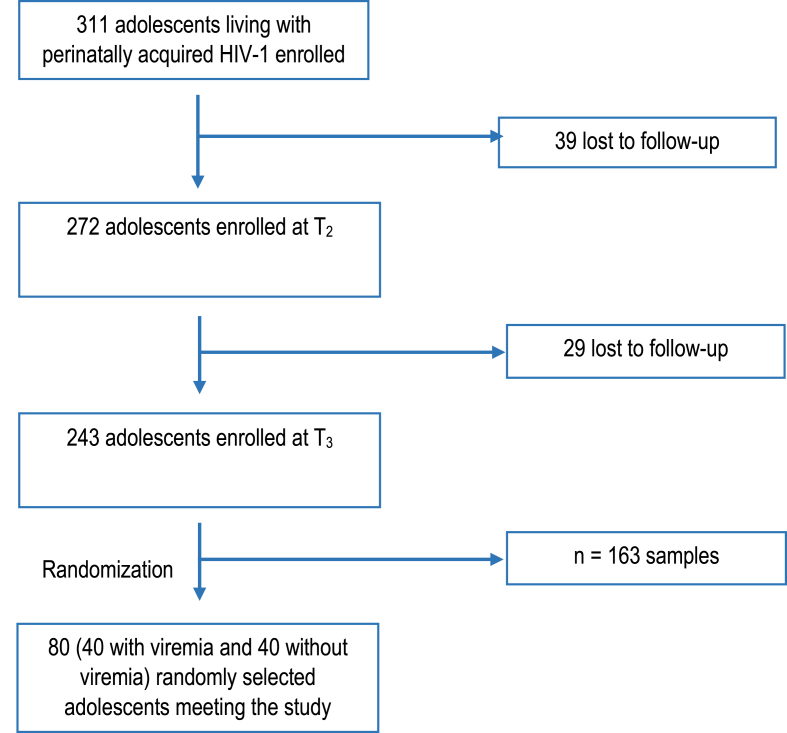 Figure 1
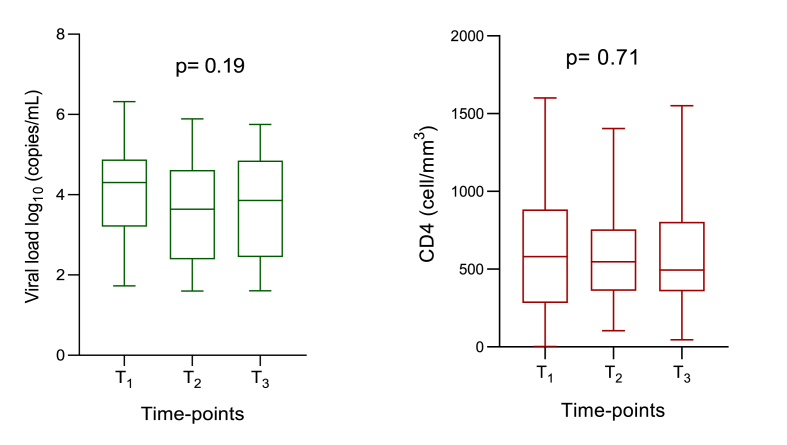 Figure 2
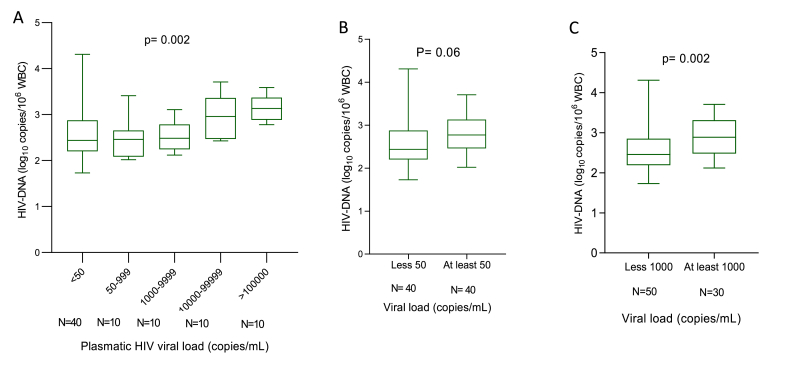 Figure 3
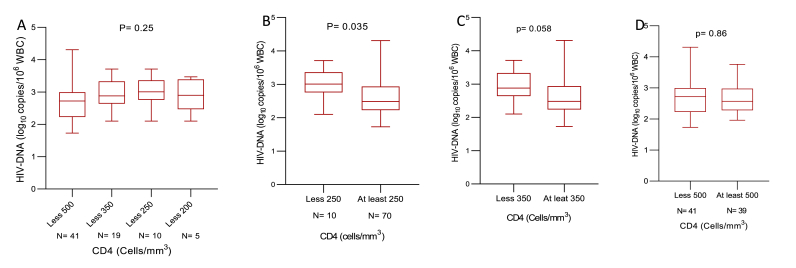 Figure 4
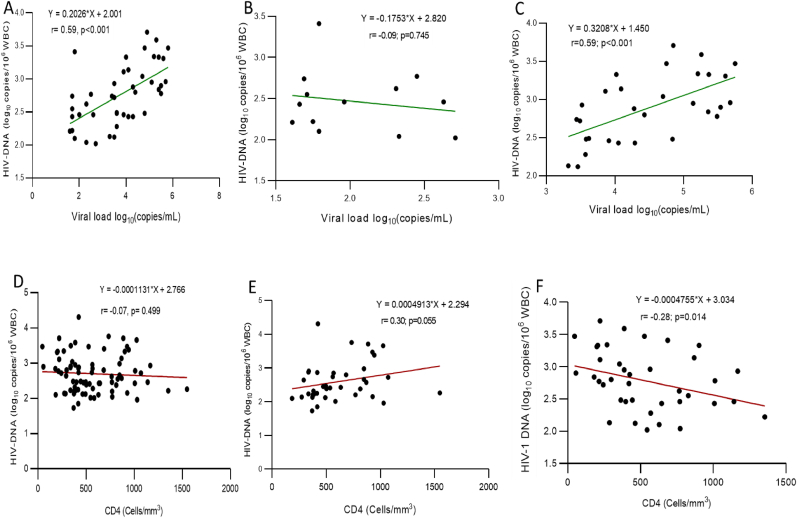 Figure 5
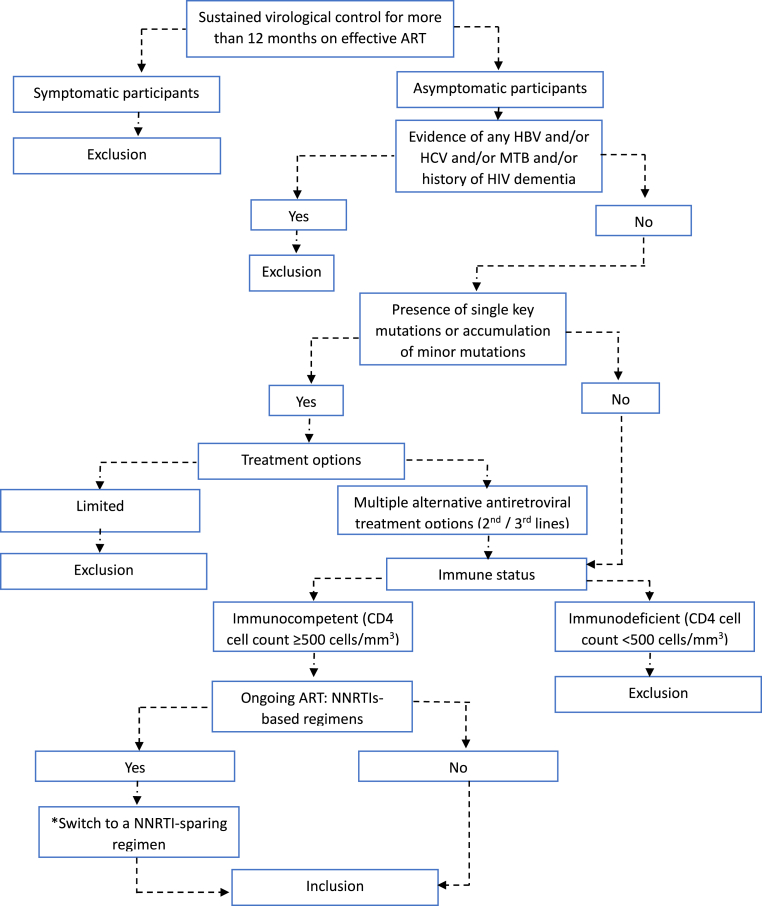 Figure 6
Peer Reviews
No public reviews on file for this paper yet. If you reviewed it on a platform where reviews are public (OpenReview, ICLR, NeurIPS, ICML), you can paste yours below so the community can read it here.
Videos
No videos yet. Explain this paper in a talk, walkthrough, or lecture? Add one.
Taxonomy
TopicsHeavy Metal Pollution Remediation