Cardioid oscillator-based pattern generator for imitating the time-ratio-asymmetrical behavior of the lower limb exoskeleton
Qiang Fu, Tianhong Luo, TingQiong Cui, Xiangyu Ma, Shuang Liang, Yi Huang, Shengxue Wang

TL;DR
This paper introduces a pattern generator using cardioid oscillators to mimic the asymmetric timing of human lower limb movement for exoskeleton control.
Contribution
A novel pattern generator with four degrees of freedom based on self-excited cardioid oscillators for imitating asymmetric gait characteristics.
Findings
The proposed pattern generator exhibits self-excitation and asymmetric time ratios similar to natural human gait.
Simulated trajectories match experimental joint trajectories, showing phase locking and self-adjustment capabilities.
The generator can serve as a reference model for lower limb exoskeleton control algorithms.
Abstract
Periodicity, self-excitation, and time ratio asymmetry are the fundamental characteristics of the human gait. In order to imitate these mentioned characteristics, a pattern generator with four degrees of freedom is proposed based on cardioid oscillators developed by the authors. The proposed pattern generator is composed of four coupled cardioid oscillators, which are self-excited and have asymmetric time ratios. These oscillators are connected with other oscillators through coupled factors. The dynamic behaviors of the proposed oscillators, such as phase locking, time ratio, and self-excitation, are analyzed via simulations by employing the harmonic balance method. Moreover, for comparison, the simulated trajectories are compared with the natural joint trajectories measured in experiments. Simulation and experimental results show that the behaviors of the proposed pattern generator…
Genes, proteins, chemicals, diseases, species, mutations and cell lines named across the full text — each resolved to its canonical identifier and authoritative record.
Click any figure to enlarge with its caption.
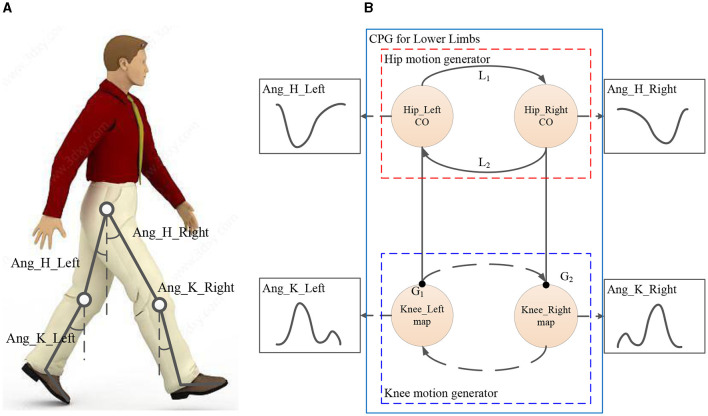 Figure 1
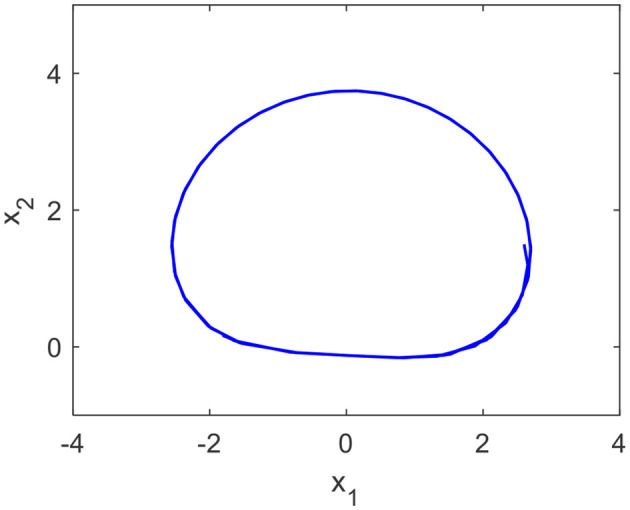 Figure 2
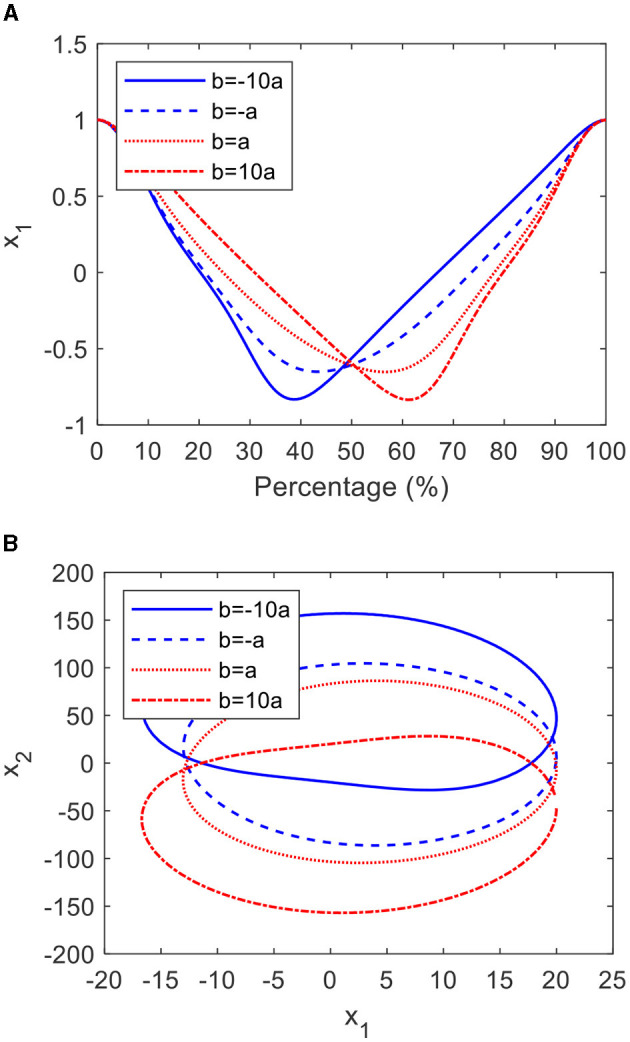 Figure 3
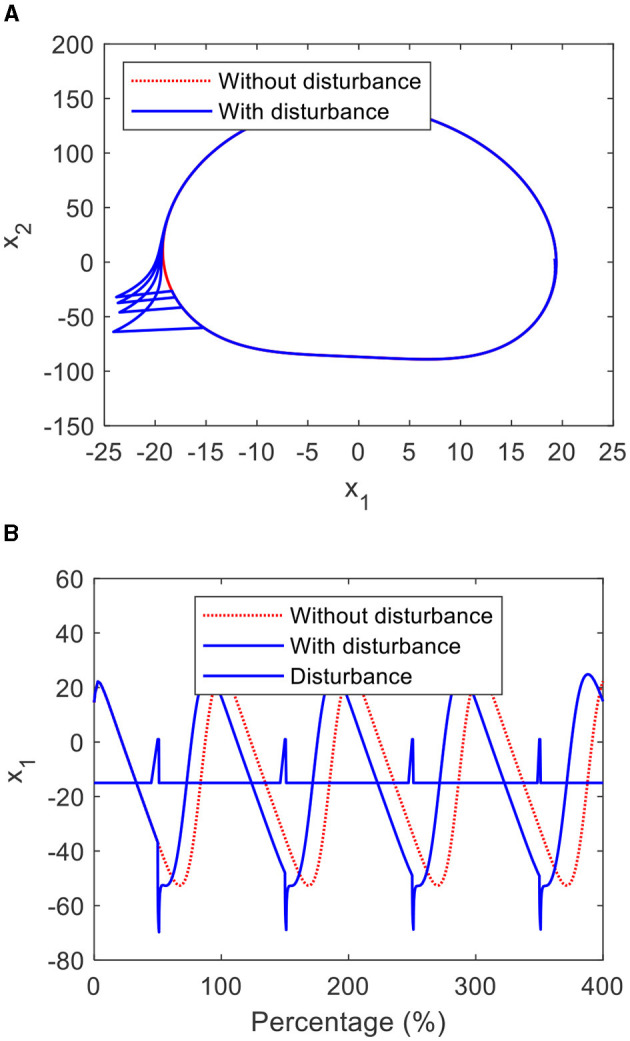 Figure 4
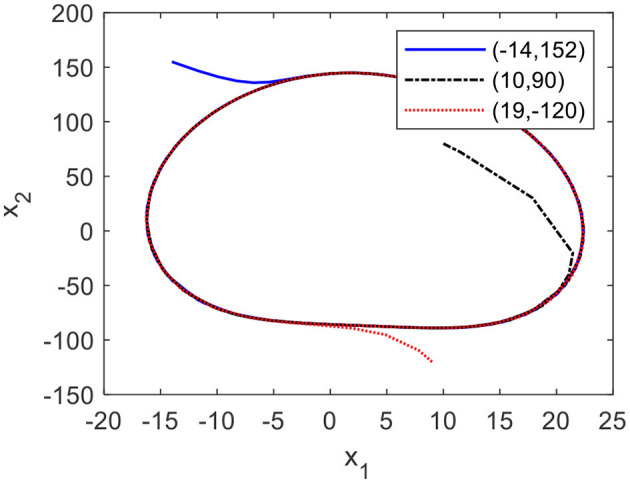 Figure 5
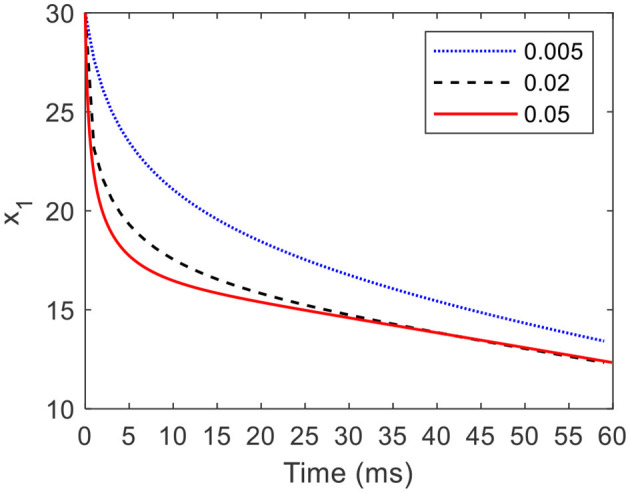 Figure 6
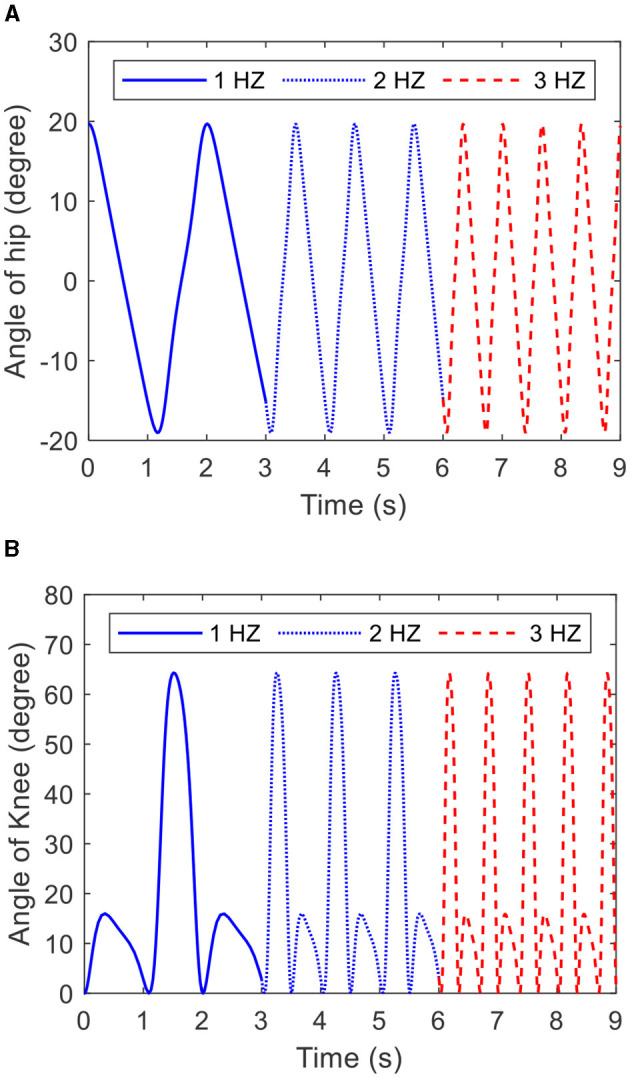 Figure 7
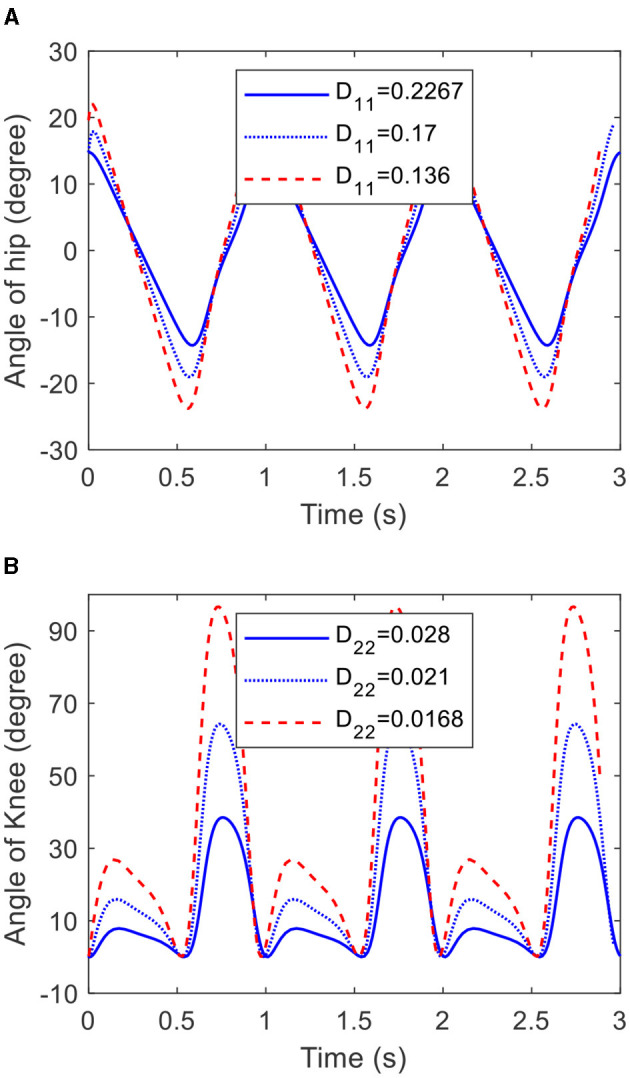 Figure 8
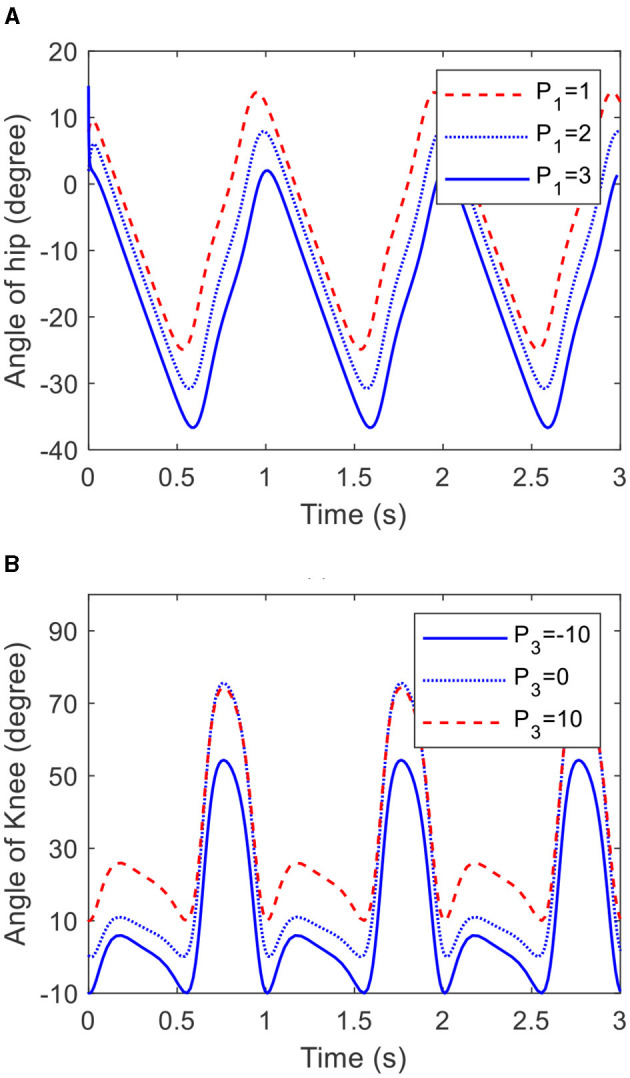 Figure 9
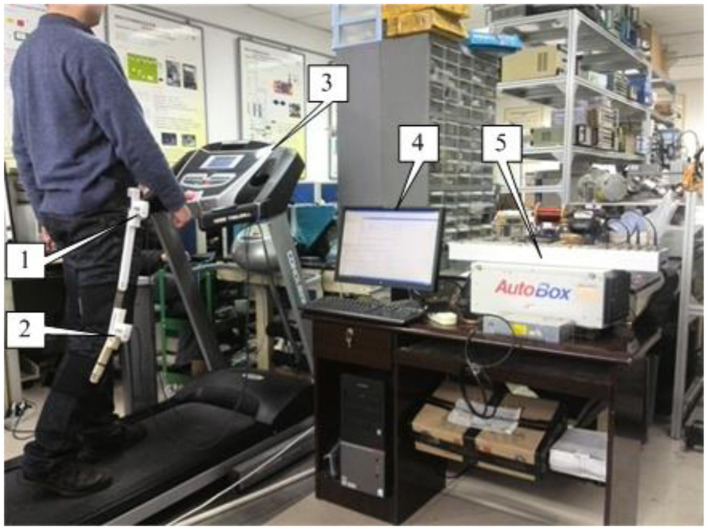 Figure 10
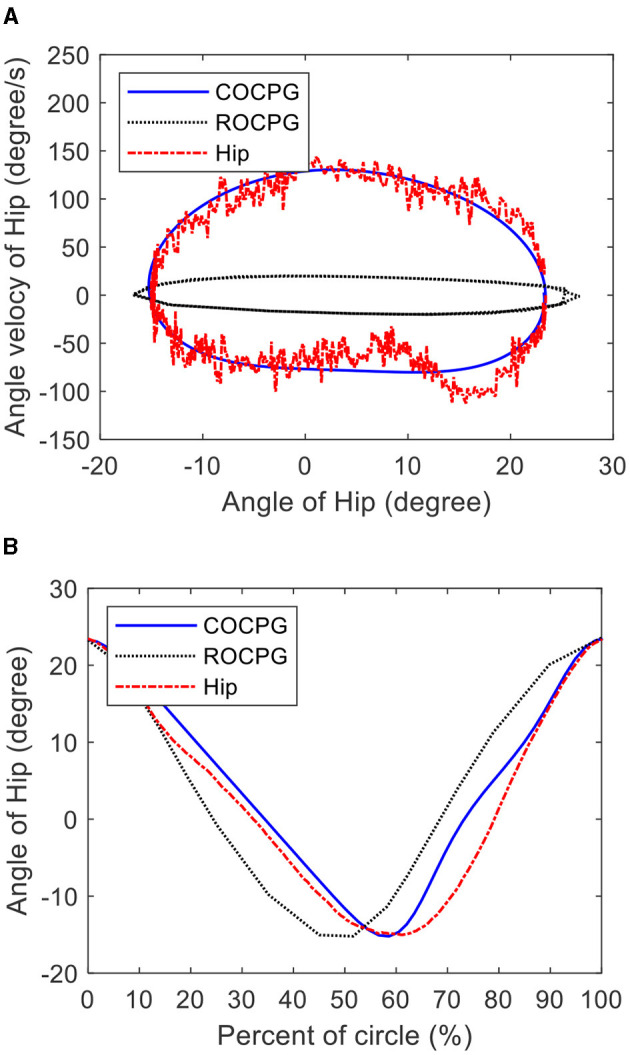 Figure 11
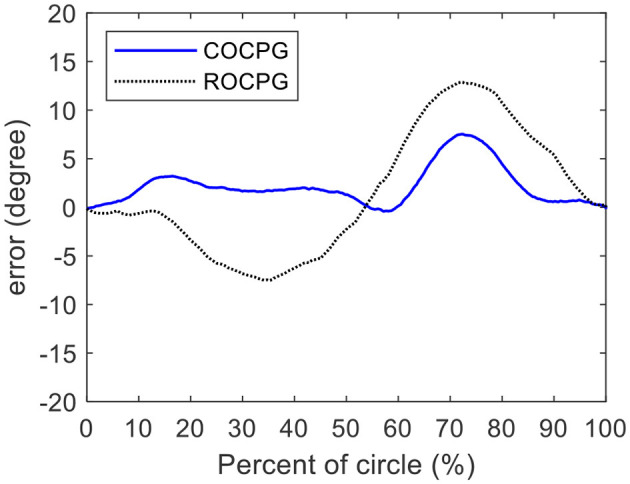 Figure 12
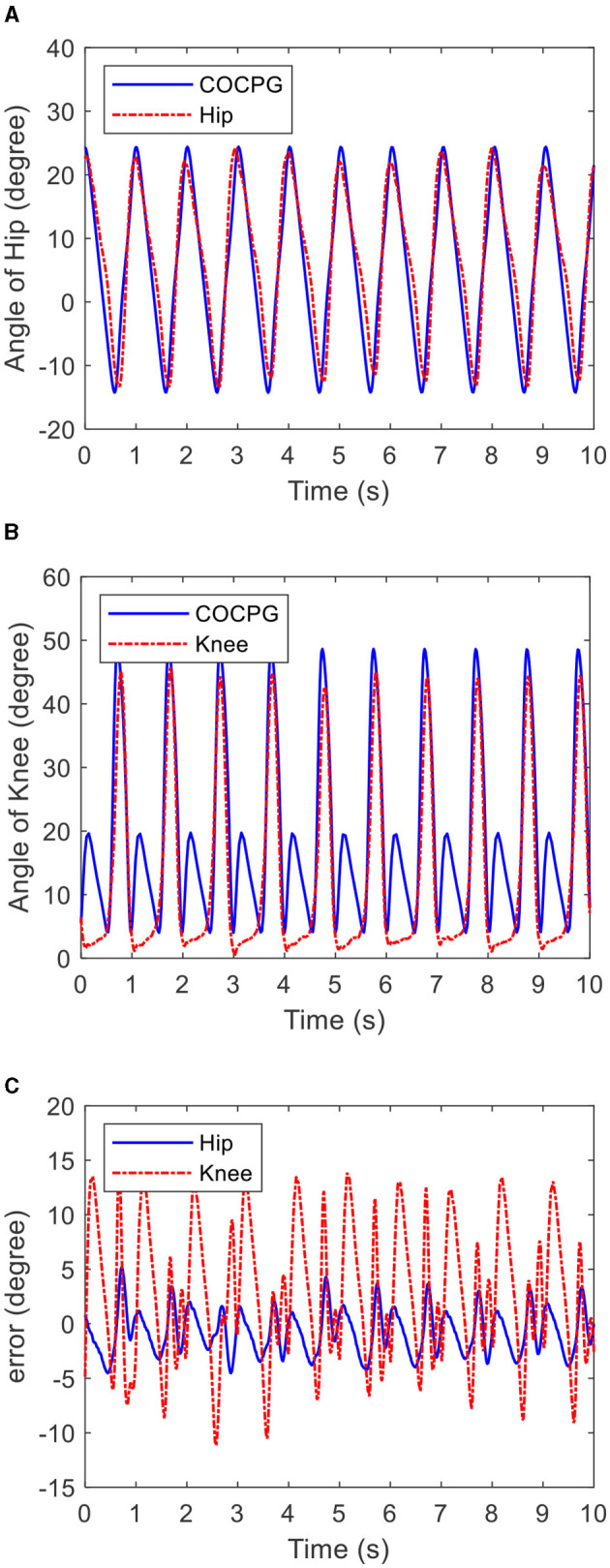 Figure 13
Peer Reviews
No public reviews on file for this paper yet. If you reviewed it on a platform where reviews are public (OpenReview, ICLR, NeurIPS, ICML), you can paste yours below so the community can read it here.
Videos
No videos yet. Explain this paper in a talk, walkthrough, or lecture? Add one.
Taxonomy
TopicsNeuroscience and Neural Engineering · Planarian Biology and Electrostimulation · Muscle activation and electromyography studies