Commonality and variance of resting-state networks in common marmoset brains
Kanako Muta, Yawara Haga, Junichi Hata, Takaaki Kaneko, Kei Hagiya, Yuji Komaki, Fumiko Seki, Daisuke Yoshimaru, Ken Nakae, Alexander Woodward, Rui Gong, Noriyuki Kishi, Hideyuki Okano

TL;DR
This study identifies resting-state brain networks in common marmosets using extensive imaging data, revealing new networks that could help understand neurodegenerative diseases.
Contribution
The study identifies three novel resting-state networks in marmosets using a large dataset and evaluates their potential for neurodegenerative disease research.
Findings
16 resting-state networks were detected in marmosets, including three previously unreported networks.
The study provides insights into the commonality and variability of these networks across individuals.
The findings may aid in understanding the functional effects of neurodegenerative diseases.
Abstract
Animal models of brain function are critical for the study of human diseases and development of effective interventions. Resting-state network (RSN) analysis is a powerful tool for evaluating brain function and performing comparisons across animal species. Several studies have reported RSNs in the common marmoset (Callithrix jacchus; marmoset), a non-human primate. However, it is necessary to identify RSNs and evaluate commonality and inter-individual variance through analyses using a larger amount of data. In this study, we present marmoset RSNs detected using > 100,000 time-course image volumes of resting-state functional magnetic resonance imaging data with careful preprocessing. In addition, we extracted brain regions involved in the composition of these RSNs to understand the differences between humans and marmosets. We detected 16 RSNs in major marmosets, three of which were novel…
Genes, proteins, chemicals, diseases, species, mutations and cell lines named across the full text — each resolved to its canonical identifier and authoritative record.
Click any figure to enlarge with its caption.
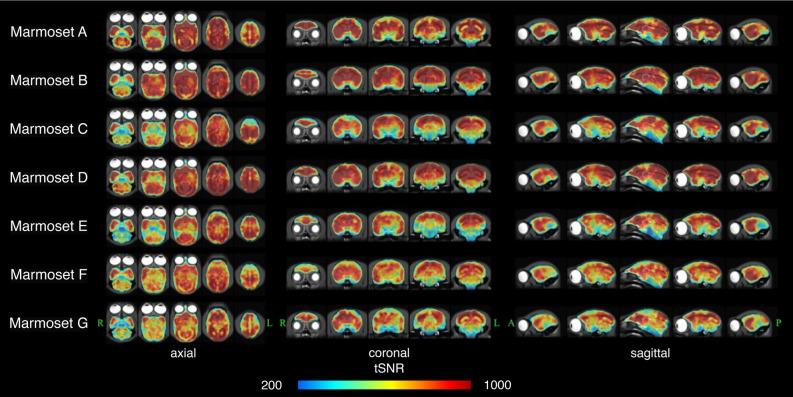 Figure 1
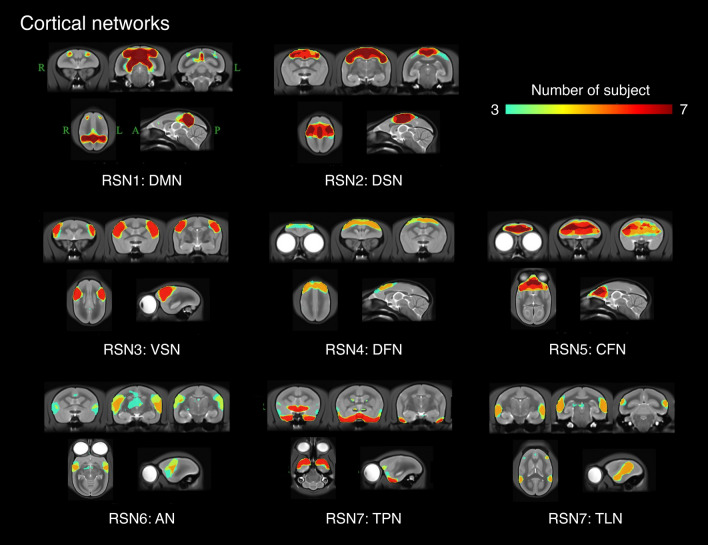 Figure 2
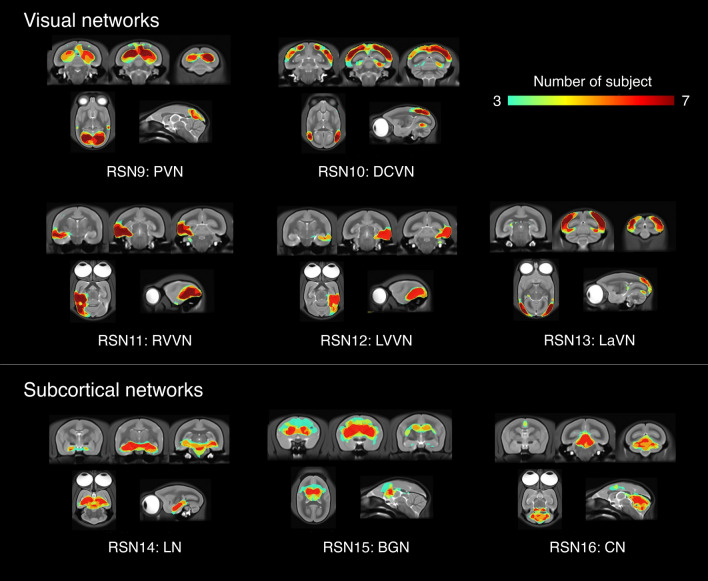 Figure 3
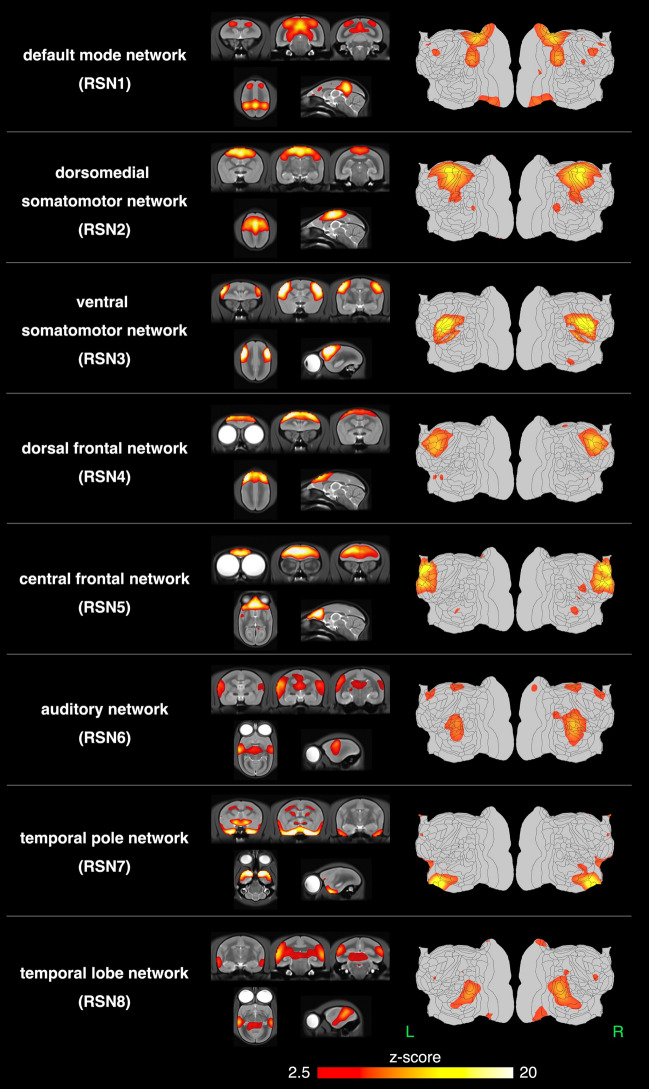 Figure 4
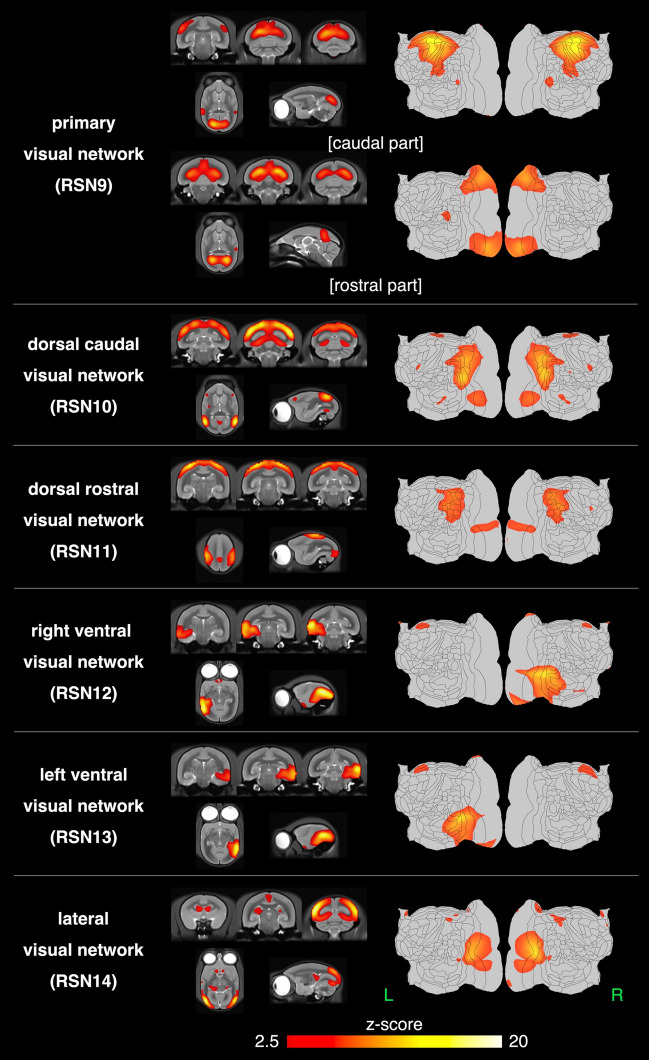 Figure 5
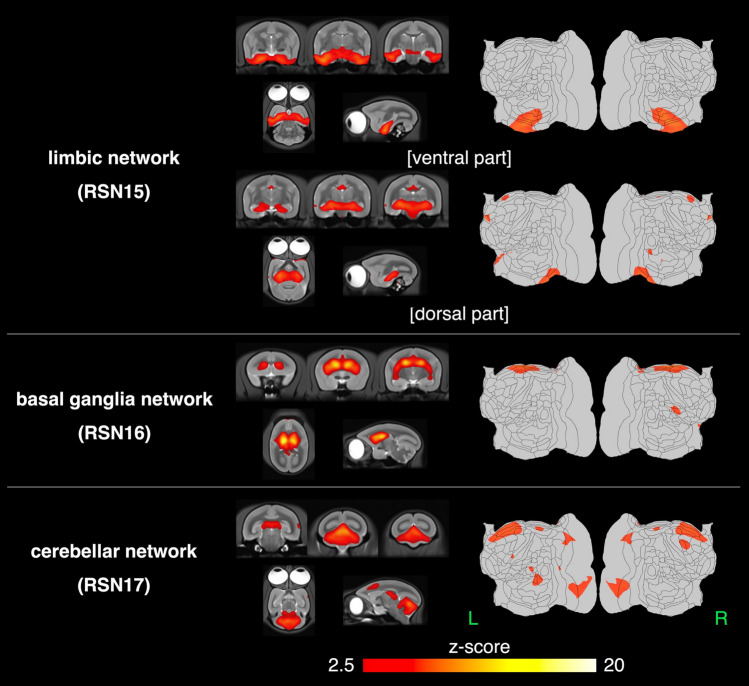 Figure 6
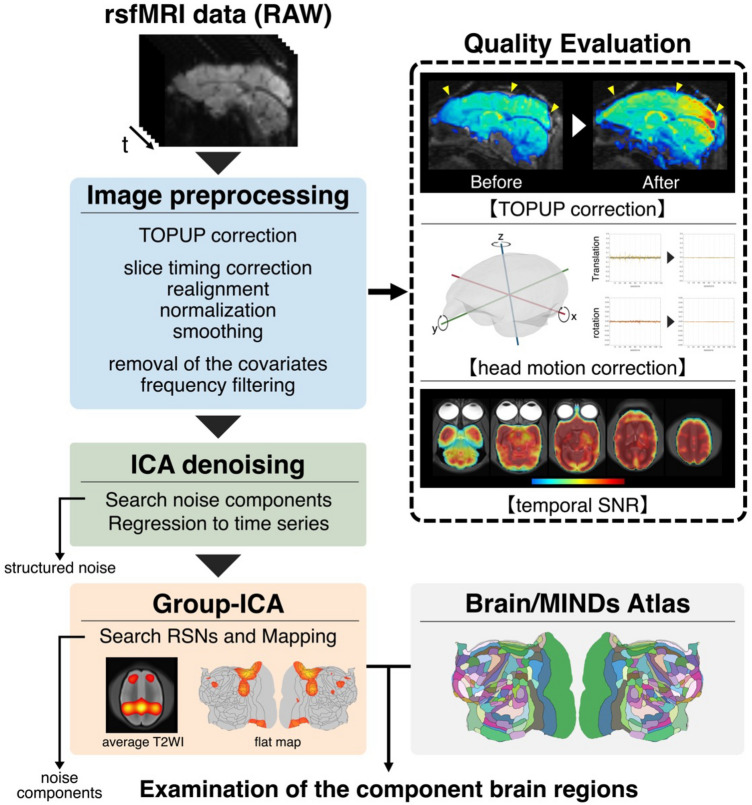 Figure 7
Peer Reviews
No public reviews on file for this paper yet. If you reviewed it on a platform where reviews are public (OpenReview, ICLR, NeurIPS, ICML), you can paste yours below so the community can read it here.
Videos
No videos yet. Explain this paper in a talk, walkthrough, or lecture? Add one.
Taxonomy
TopicsQuality of Life Measurement · Aviation Industry Analysis and Trends · Polish socio-economic development