Impact of respiratory cycle during mechanical ventilation on beat-to-beat right ventricle stroke volume estimation by pulmonary artery pulse wave analysis
Arnoldo Santos, M. Ignacio Monge-García, João Batista Borges, Jaime Retamal, Gerardo Tusman, Anders Larsson, Fernando Suarez-Sipmann

TL;DR
This study shows that correcting for mechanical ventilation effects improves the accuracy of estimating right ventricle stroke volume using pulmonary artery pulse wave analysis.
Contribution
A new method is introduced to correct for mechanical ventilation effects in pulmonary artery pulse wave analysis for more reliable stroke volume estimation.
Findings
Correcting for mechanical ventilation significantly improved the correlation between reference and estimated stroke volume.
The correction method reduced the limits of agreement between reference and estimated stroke volume in both healthy and ARDS conditions.
The method's effectiveness was demonstrated in an experimental model using pigs.
Abstract
The same principle behind pulse wave analysis can be applied on the pulmonary artery (PA) pressure waveform to estimate right ventricle stroke volume (RVSV). However, the PA pressure waveform might be influenced by the direct transmission of the intrathoracic pressure changes throughout the respiratory cycle caused by mechanical ventilation (MV), potentially impacting the reliability of PA pulse wave analysis (PAPWA). We assessed a new method that minimizes the direct effect of the MV on continuous PA pressure measurements and enhances the reliability of PAPWA in tracking beat-to-beat RVSV. Continuous PA pressure and flow were simultaneously measured for 2–3 min in 5 pigs using a high-fidelity micro-tip catheter and a transonic flow sensor around the PA trunk, both pre and post an experimental ARDS model. RVSV was estimated by PAPWA indexes such as pulse pressure (SVPP), systolic area…
Genes, proteins, chemicals, diseases, species, mutations and cell lines named across the full text — each resolved to its canonical identifier and authoritative record.
Click any figure to enlarge with its caption.
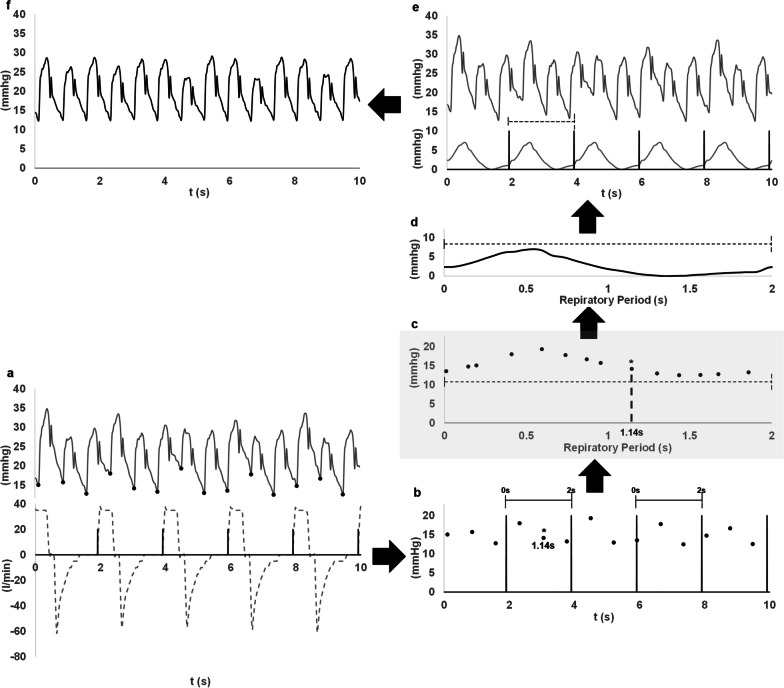 Figure 1
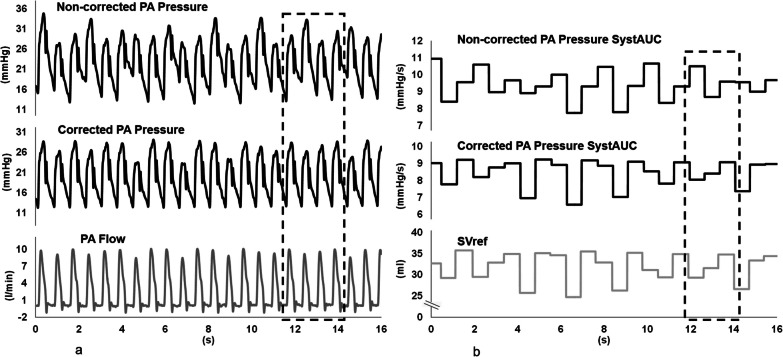 Figure 2
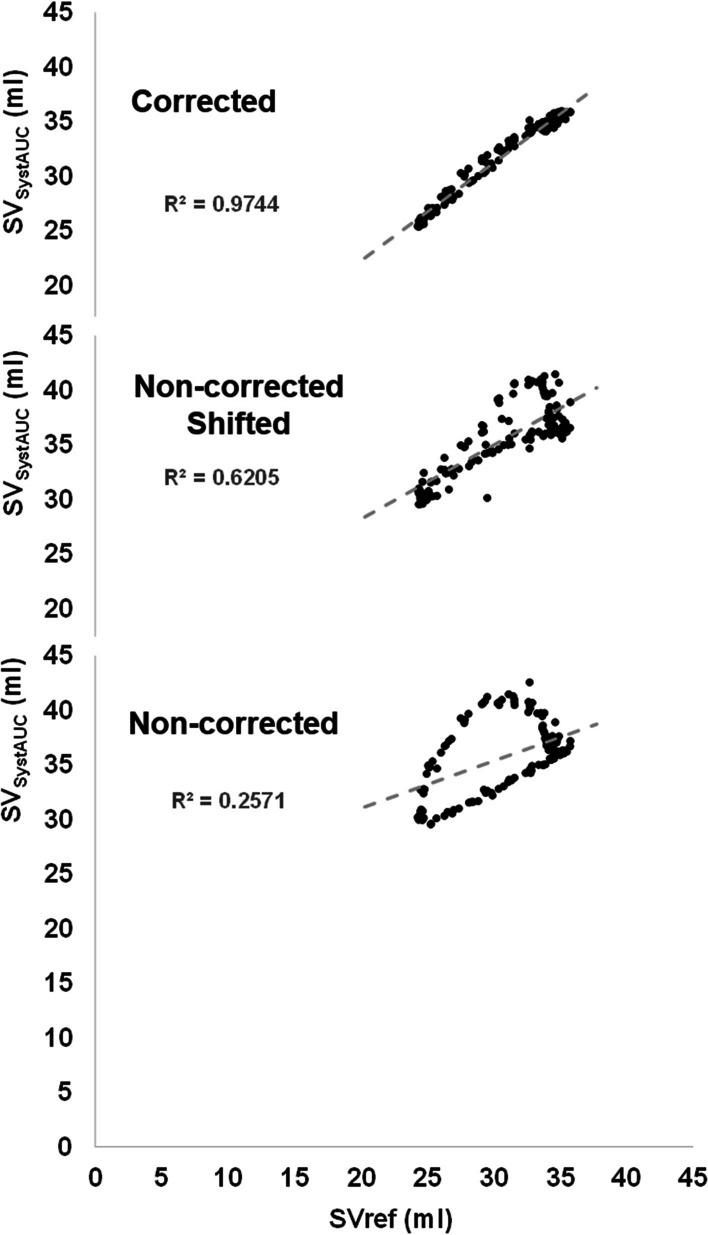 Figure 3
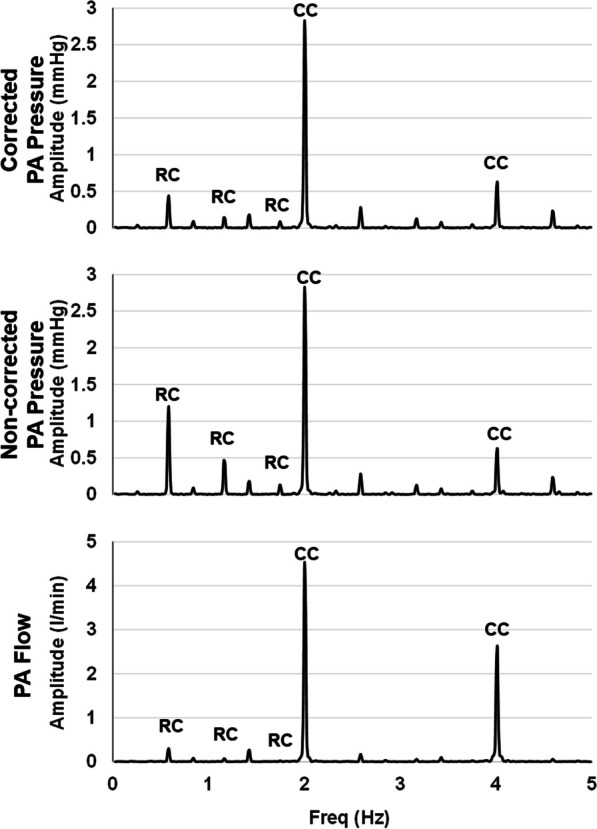 Figure 4
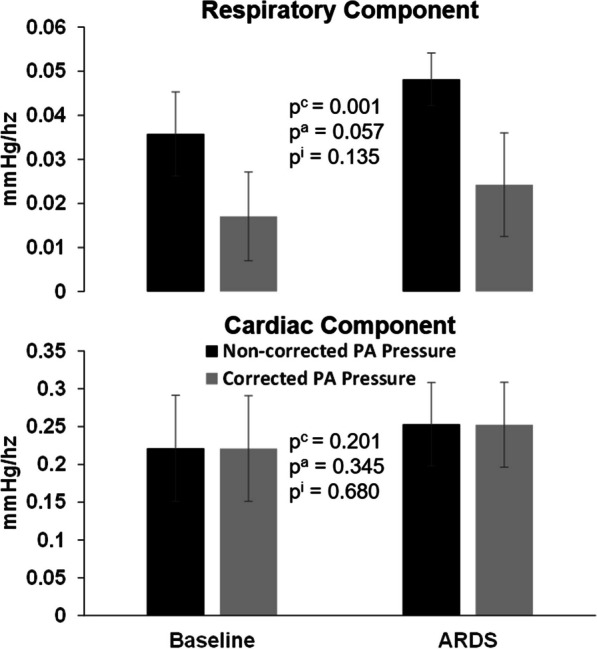 Figure 5
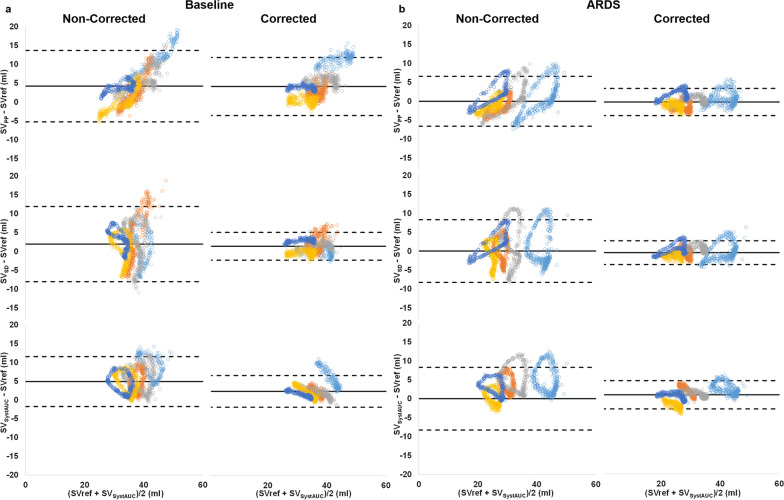 Figure 6
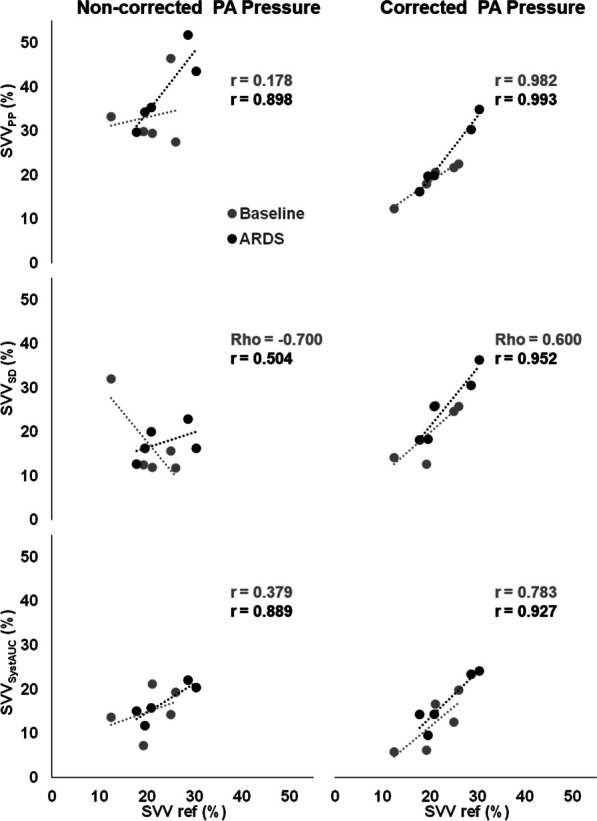 Figure 7
Peer Reviews
No public reviews on file for this paper yet. If you reviewed it on a platform where reviews are public (OpenReview, ICLR, NeurIPS, ICML), you can paste yours below so the community can read it here.
Videos
No videos yet. Explain this paper in a talk, walkthrough, or lecture? Add one.
Taxonomy
TopicsHemodynamic Monitoring and Therapy · Non-Invasive Vital Sign Monitoring · Heart Rate Variability and Autonomic Control