Skull fractures by glass bottles tested on cadaveric heads
Ana I. Lorente, Samuel Maza-Peón, César Hidalgo-García, Carlos López-de-Celis, Jacobo Rodríguez-Sanz, Albert Pérez-Bellmunt, Mario Maza-Frechín

TL;DR
This study tests how glass bottles can cause skull fractures when used as weapons, using cadaver heads to simulate real-life scenarios.
Contribution
The study provides empirical biomechanical evidence on skull injuries caused by glass bottle impacts, aiding forensic analysis of violence.
Findings
Glass bottle impacts at 9.5 m/s caused varying degrees of skull fractures depending on impact orientation.
The most severe injuries included fractures in the cranial base, sphenoid, and zygomatic bones.
Controlled experiments help understand injury mechanisms in forensic cases involving glassware.
Abstract
Head trauma is frequently related to the misuse of drinking vessels as weapons. Forensic reports usually evaluate these blunt injuries as having occurred in scenarios where the alcohol intake is high. Fatal consequences are seen in blows with glass bottles aiming at the head. To prove the outcome that a glass bottle thrown to the head could cause, three intact human cadaver heads were impacted with 1-liter glass bottles at 9.5 m/s using a drop-tower. The impact location covered the left temporal bone, sphenoid bone, and zygomatic arch. The contact between the head and the bottle was produced at an angle of 90° with (1) the valve of the bottle, (2) the bottom of the bottle, and (3) with the head rotated 20° in the frontal plane touching again with the bottom of the bottle. The three bottles remained intact after the impact, and the injury outcomes were determined by computed tomography…
Genes, proteins, chemicals, diseases, species, mutations and cell lines named across the full text — each resolved to its canonical identifier and authoritative record.
Click any figure to enlarge with its caption.
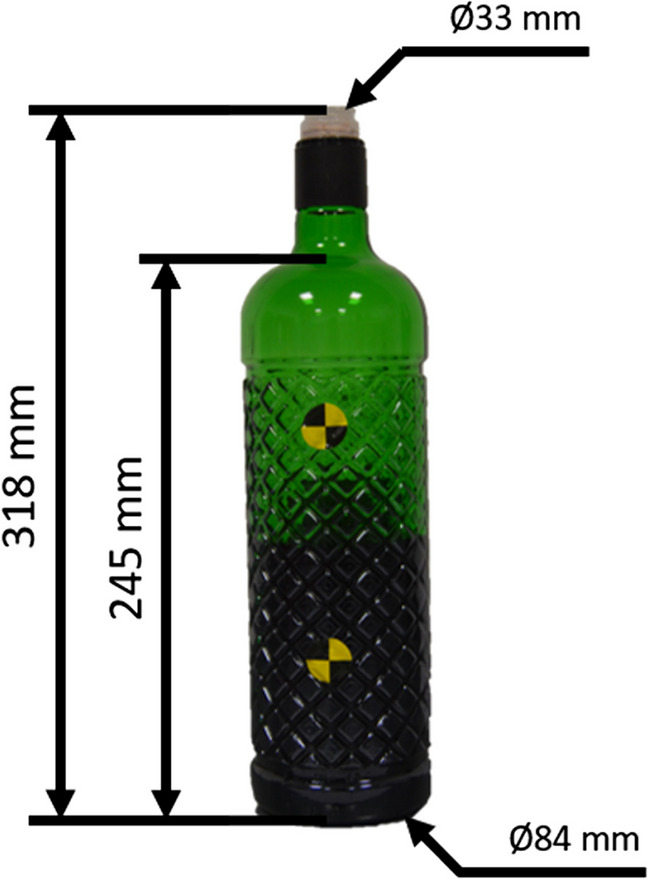 Figure 1
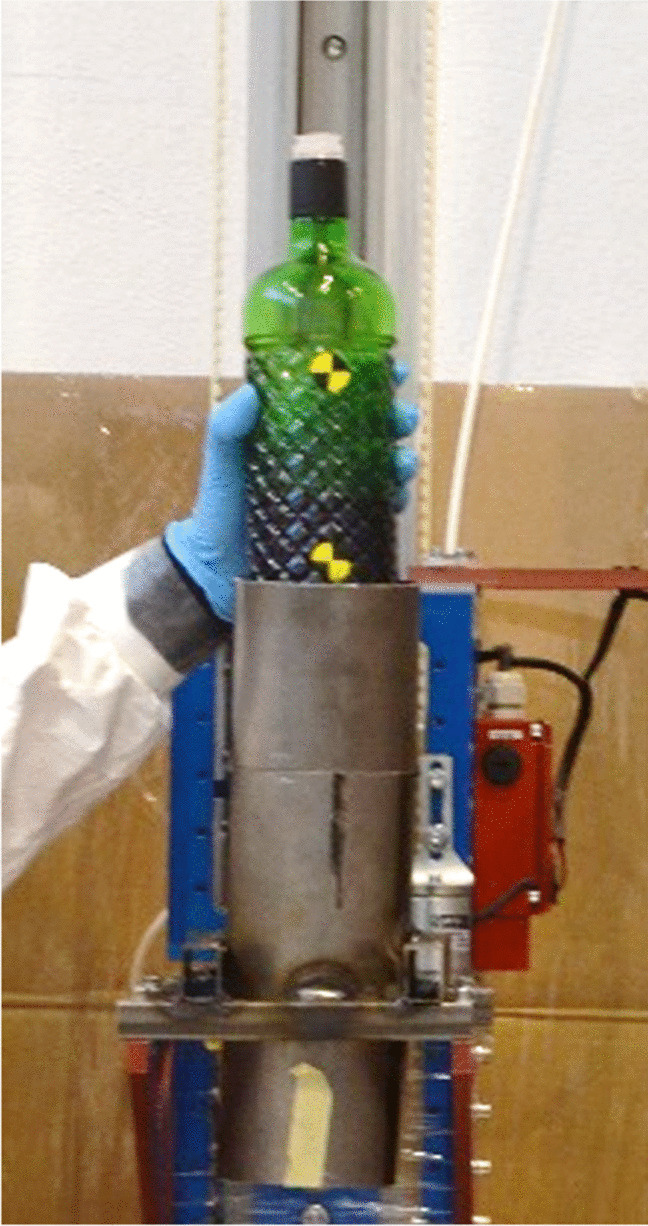 Figure 2
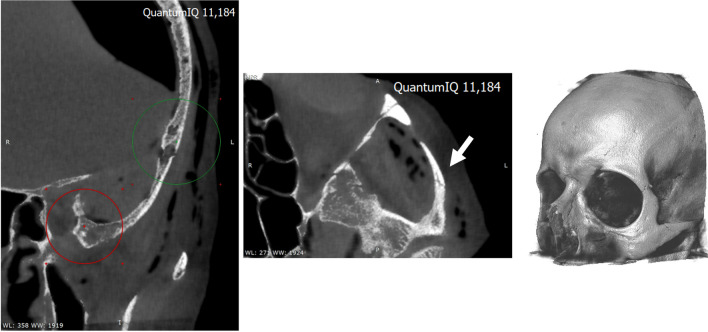 Figure 3
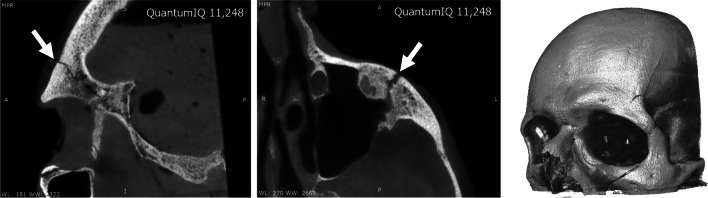 Figure 4
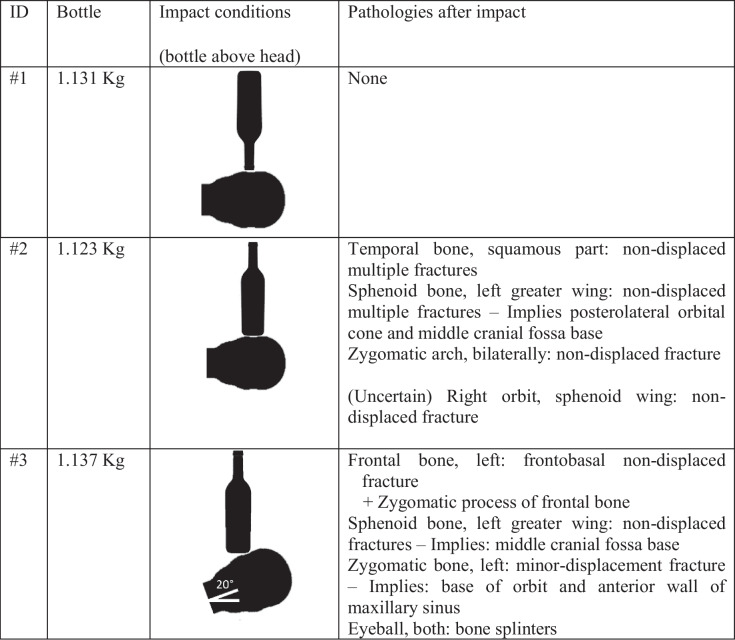 Figure 5
Peer Reviews
No public reviews on file for this paper yet. If you reviewed it on a platform where reviews are public (OpenReview, ICLR, NeurIPS, ICML), you can paste yours below so the community can read it here.
Videos
No videos yet. Explain this paper in a talk, walkthrough, or lecture? Add one.
Taxonomy
TopicsTraumatic Ocular and Foreign Body Injuries · Automotive and Human Injury Biomechanics · Facial Trauma and Fracture Management