Development of an online optical prototype for the simultaneous analysis of defects or gels in industrially synthesized polypropylene films. Part 1: Comparison with ASTM D 3351–93 methods
Hernández-Fernández Joaquin, Ortiz Katherine, Lopez-Martinez Juan

TL;DR
This paper introduces a new optical method for detecting defects in polypropylene films that is as accurate as the ASTM D 3351–93 standard but faster and more efficient.
Contribution
The development of an online optical prototype that matches ASTM D 3351–93 performance while improving precision and reducing human error.
Findings
The new optical method showed excellent linearity with correlation coefficients between 0.997 and 0.999.
Statistical analysis confirmed the new method is statistically equivalent to ASTM D 3351–93 with a p-value of 0.946.
The prototype requires only one operator and provides faster response times with less human error.
Abstract
Polypropylene (PP) films are crucial in various industrial applications, from packaging to medical products. However, a common challenge in PP manufacturing is the presence of gel-like defects. These gels are minor defects on the surface of the films that significantly affect the physicochemical, mechanical, and organoleptic properties of the films, compromising the quality of the final product. This first research focuses on developing and validating an in-line optical method to replace the international method ASTM D 3351–93. The main objective was to create a methodology that has the same scope and analytical performance as those reported by ASTM D 3351–93 in such a way that it can compete with it in terms of precision and accuracy, thus allowing end users to this ASTM, such as PP producers, PP marketers, PP film producers, among others internationally, can use this new methodology…
Genes, proteins, chemicals, diseases, species, mutations and cell lines named across the full text — each resolved to its canonical identifier and authoritative record.
Click any figure to enlarge with its caption.
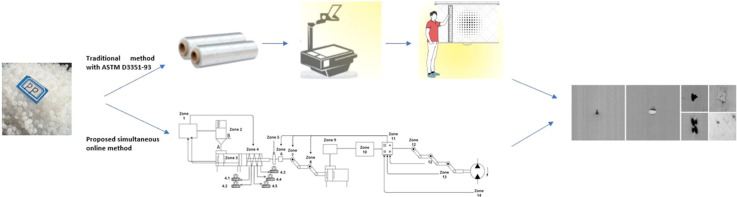 Figure 1
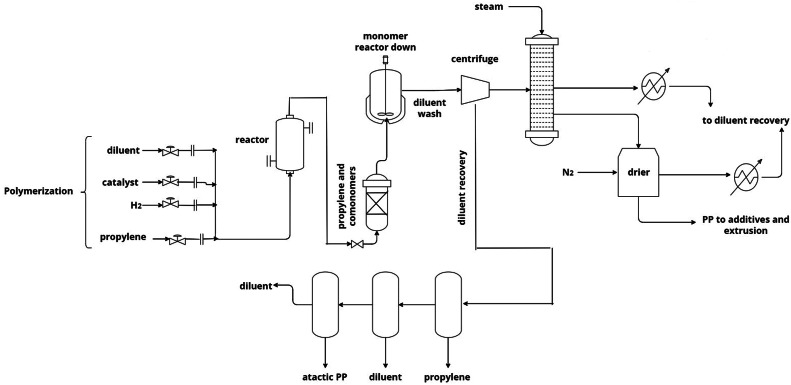 Figure 2
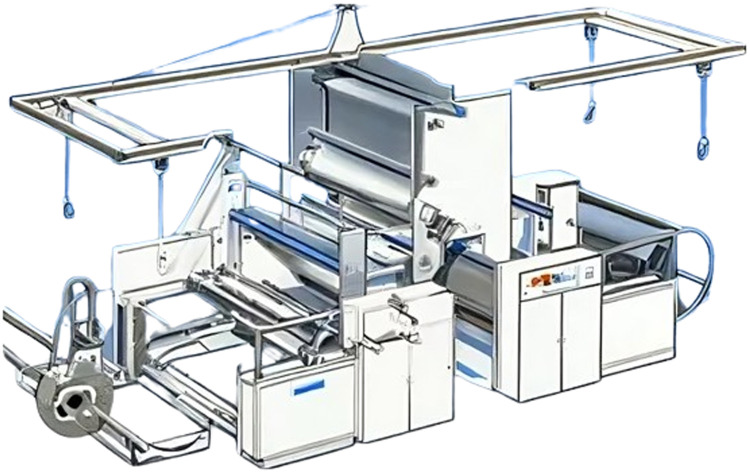 Figure 3
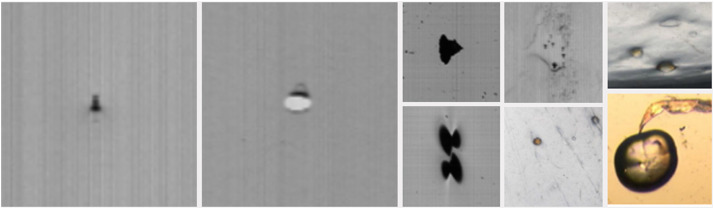 Figure 4
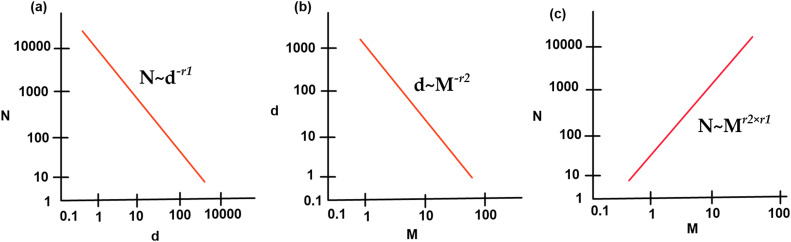 Figure 5
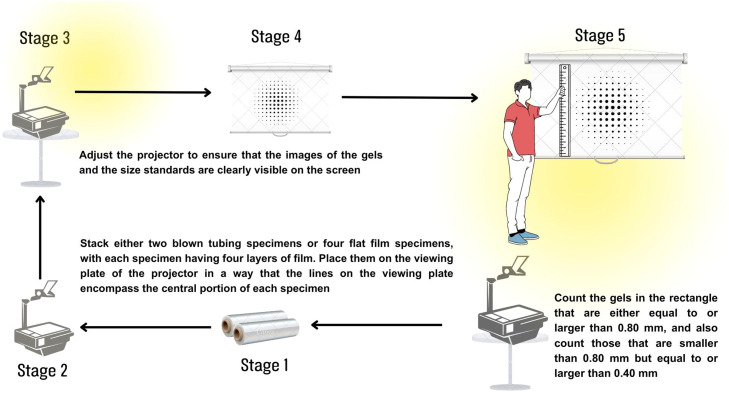 Figure 6
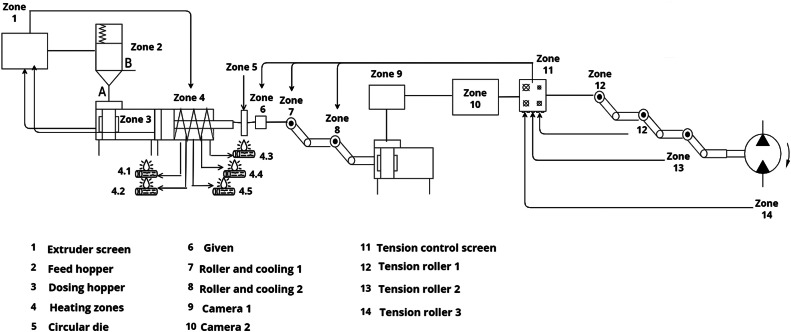 Figure 7
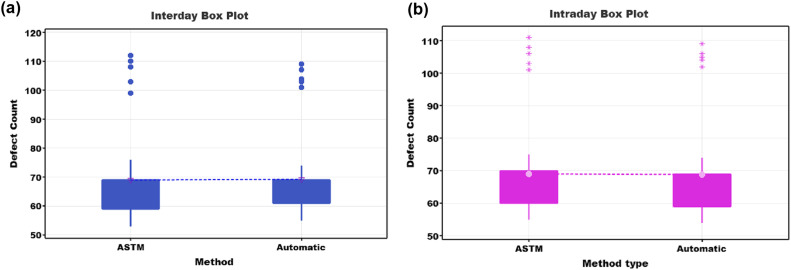 Figure 8
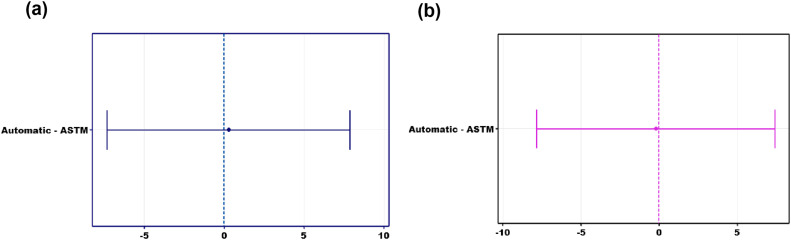 Figure 9
Peer Reviews
No public reviews on file for this paper yet. If you reviewed it on a platform where reviews are public (OpenReview, ICLR, NeurIPS, ICML), you can paste yours below so the community can read it here.
Videos
No videos yet. Explain this paper in a talk, walkthrough, or lecture? Add one.
Taxonomy
TopicsLubricants and Their Additives · Analytical Chemistry and Sensors · Force Microscopy Techniques and Applications