Diagnostic Dilemma Regarding Postpartum Seizure in the Setting of Preeclampsia
Jeevan Jangam

TL;DR
This case study highlights the challenge of diagnosing postpartum seizures, emphasizing the importance of considering neurocysticercosis in patients from endemic regions.
Contribution
The paper presents a novel case where neurocysticercosis was identified as a rare cause of postpartum seizures in the context of preeclampsia.
Findings
Neurocysticercosis can present as a seizure in postpartum women with preeclampsia.
The condition is often overlooked in non-endemic healthcare settings like Australia.
A combination of clinical findings, imaging, and serology is essential for diagnosis.
Abstract
This case demonstrates a diagnostic dilemma regarding the management of seizures in the postnatal setting. It seeks to highlight the importance of a thorough exploration of history and risk factors for females presenting with seizures in the postpartum period to ensure appropriate treatment and workup. Preeclampsia (PET) is a hypertensive disorder of pregnancy affecting 2%-8% of pregnancies worldwide. Less than 1% of females with preeclampsia experience eclamptic seizures. However, they are associated with significant mortality and morbidity. The majority of these seizures occur in the third trimester with 80% occurring intrapartum or within 48 hours of delivery. Warning symptoms such as headache, visual disturbances, or epigastric pain are not always present. Eclamptic seizures after the first week postpartum are very rare. Seizures, in general, are triggered by many other organic and…
Genes, proteins, chemicals, diseases, species, mutations and cell lines named across the full text — each resolved to its canonical identifier and authoritative record.
Click any figure to enlarge with its caption.
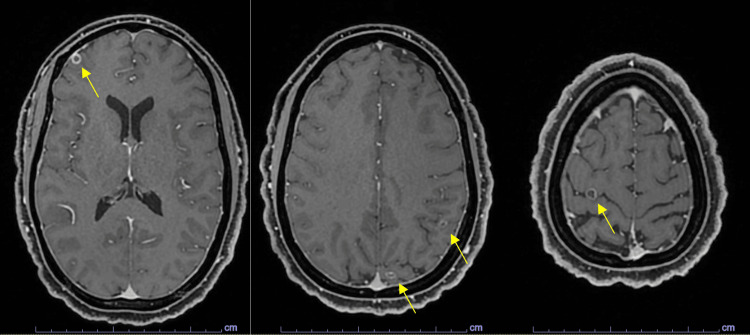 Figure 1
Peer Reviews
No public reviews on file for this paper yet. If you reviewed it on a platform where reviews are public (OpenReview, ICLR, NeurIPS, ICML), you can paste yours below so the community can read it here.
Videos
No videos yet. Explain this paper in a talk, walkthrough, or lecture? Add one.
Taxonomy
TopicsParasitic infections in humans and animals · Pregnancy and preeclampsia studies · Congenital Anomalies and Fetal Surgery