Design of Oscillatory Networks through Post-Translational Control of Network Components
Brianna E.K. Jayanthi, Shridhar Jayanthi, Laura Segatori

TL;DR
This paper shows how controlling protein degradation can create or modify oscillatory behaviors in biological networks without changing their genetic makeup.
Contribution
The study introduces a non-genetic method using the NanoDeg platform to modulate oscillatory behaviors through post-translational control of protein degradation.
Findings
Post-translational modulation of degradation rates can induce oscillations in non-oscillating networks.
Two mechanisms—timescale separation and leaky expression mitigation—were identified as key to generating oscillatory behavior.
The NanoDeg platform allows for flexible and targeted control of protein degradation without genetic manipulation.
Abstract
Many essential functions in biological systems, including cell cycle progression and circadian rhythm regulation, are governed by the periodic behaviors of specific molecules. These periodic behaviors arise from the precise arrangement of components in biomolecular networks that generate oscillatory output signals. The dynamic properties of individual components of these networks, such as maturation delays and degradation rates, often play a key role in determining the network’s oscillatory behavior. In this study, we explored the post-translational modulation of network components as a means to generate genetic circuits with oscillatory behaviors and perturb the oscillation features. Specifically, we used the NanoDeg platform—A bifunctional molecule consisting of a target-specific nanobody and a degron tag—to control the degradation rates of the circuit’s components and predicted the…
Genes, proteins, chemicals, diseases, species, mutations and cell lines named across the full text — each resolved to its canonical identifier and authoritative record.
Click any figure to enlarge with its caption.
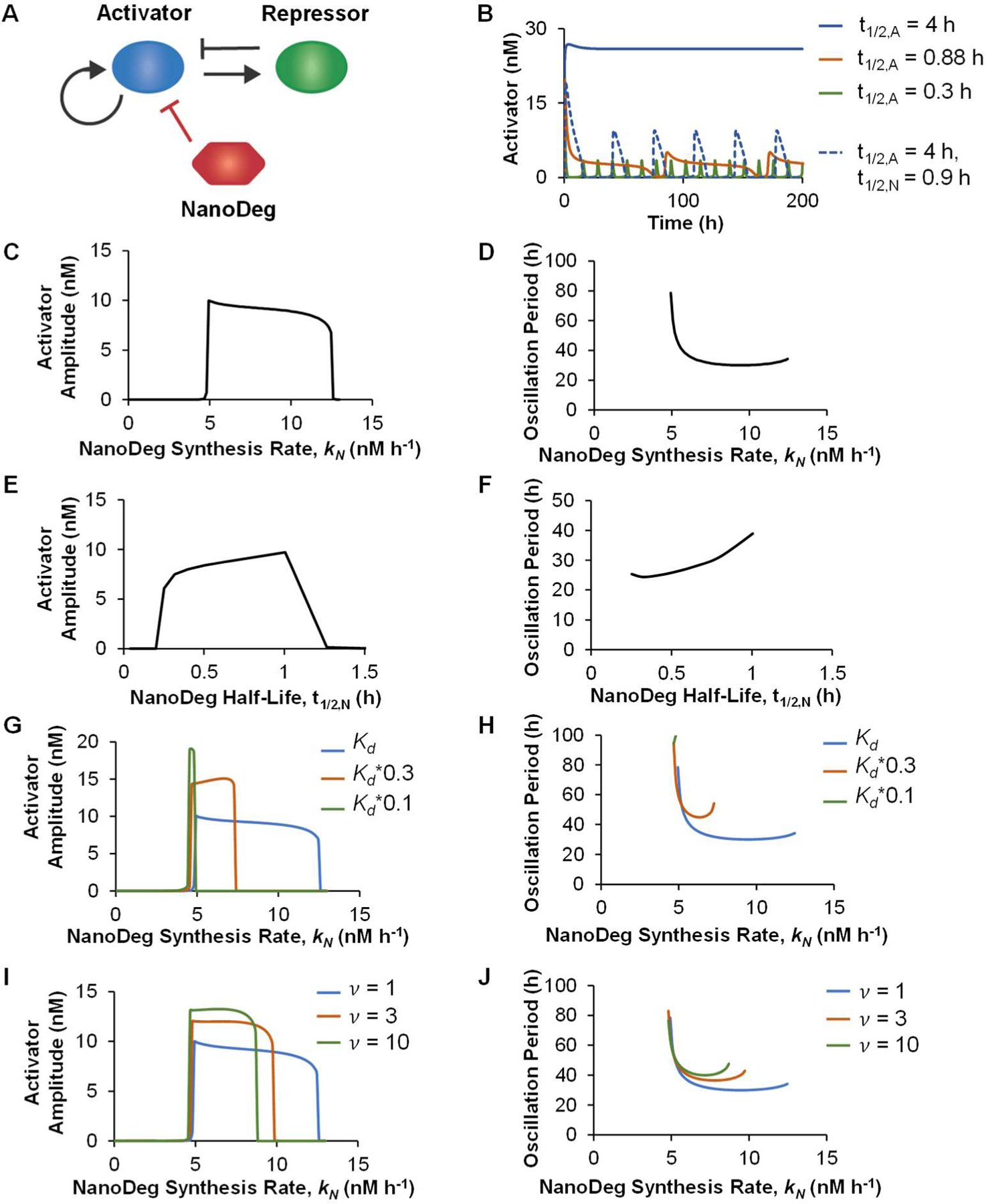 Figure 1
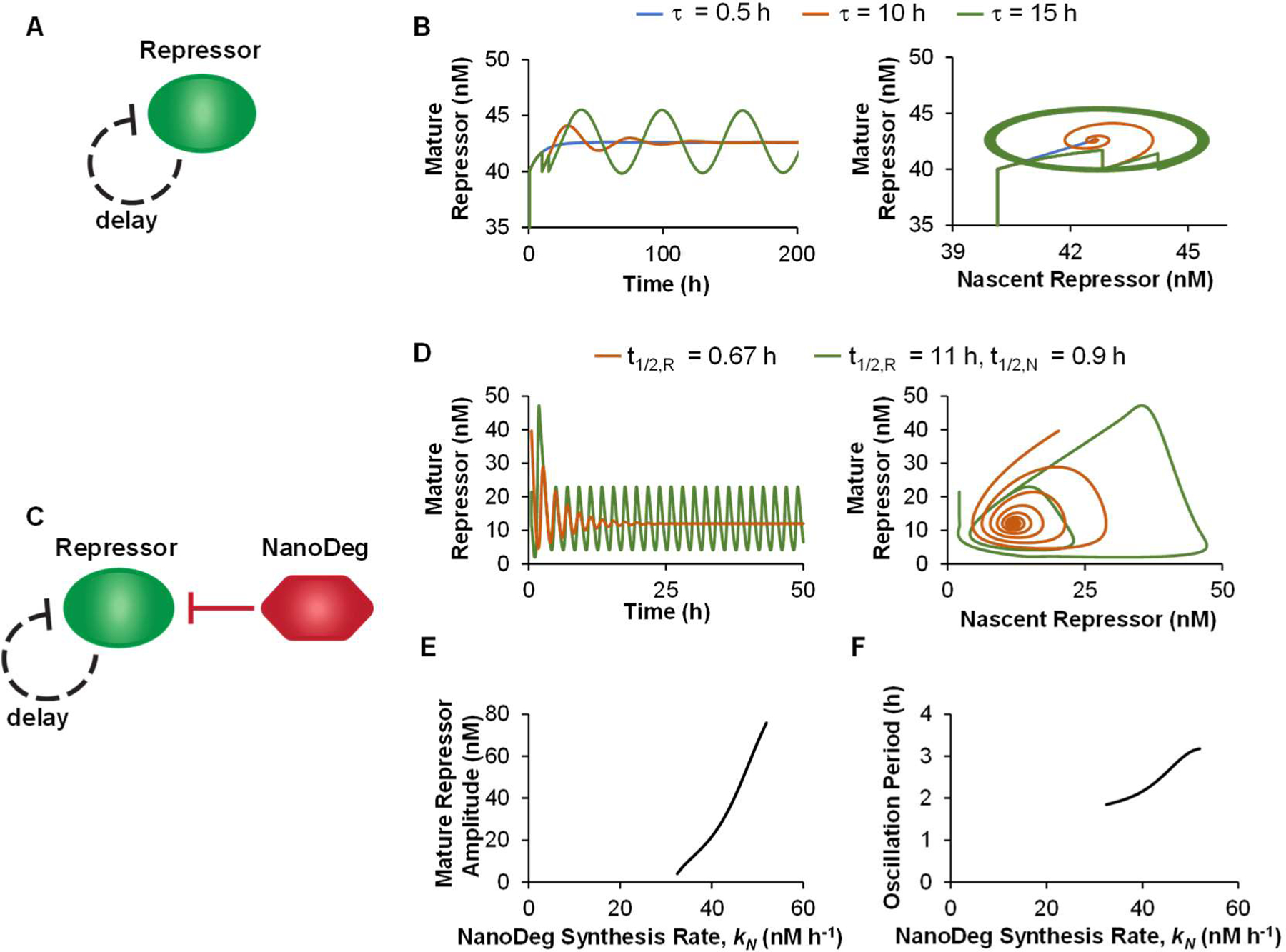 Figure 2
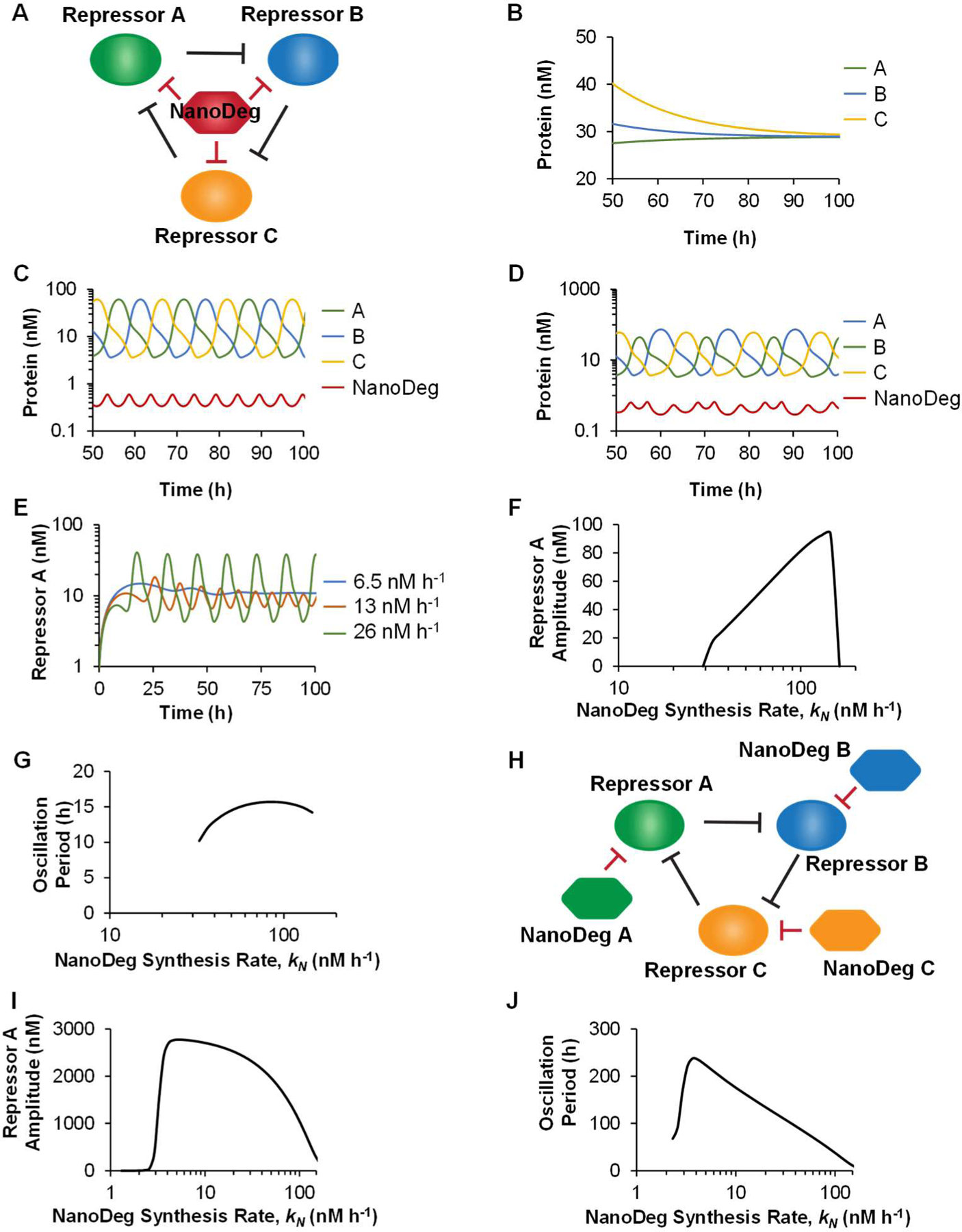 Figure 3
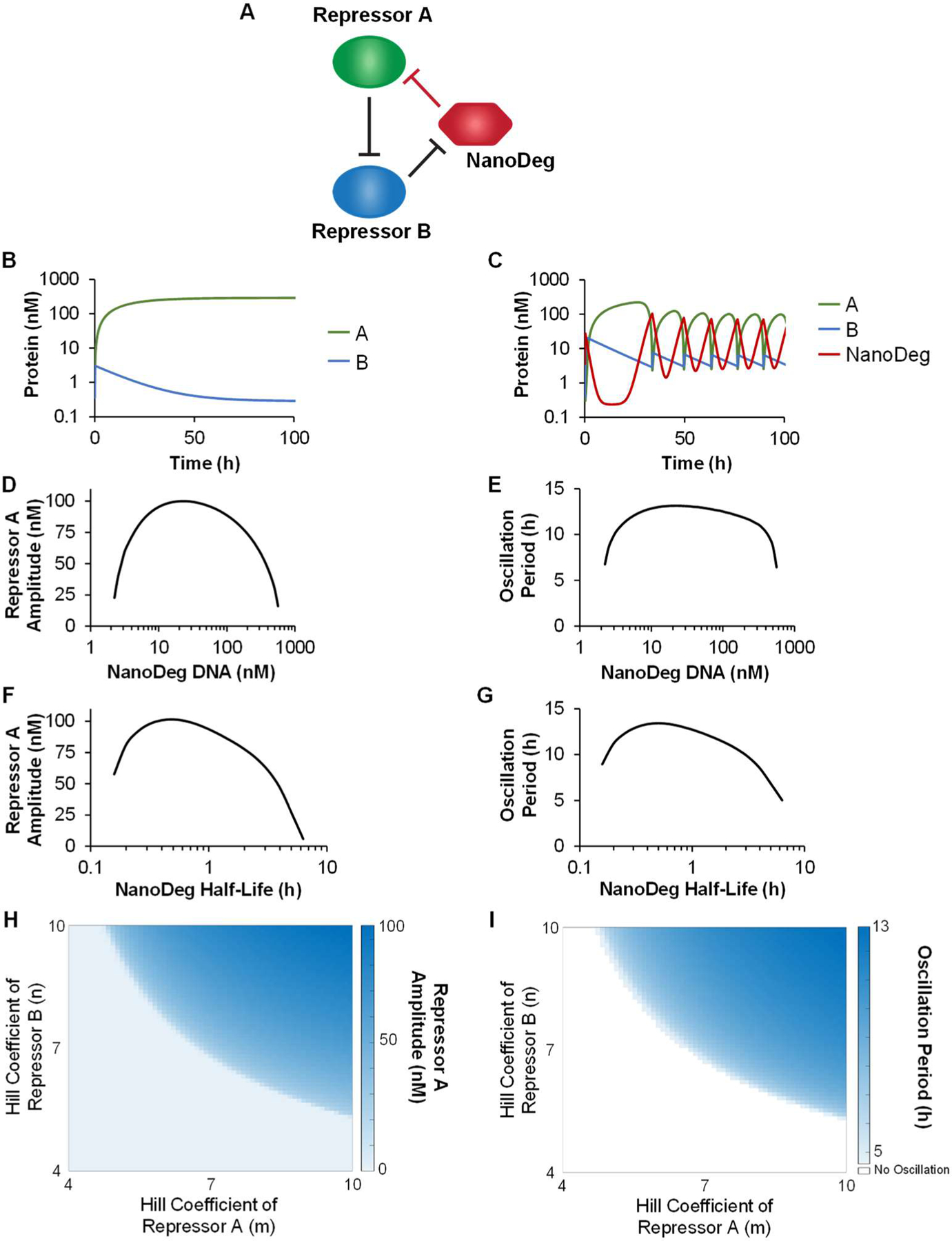 Figure 4
Peer Reviews
No public reviews on file for this paper yet. If you reviewed it on a platform where reviews are public (OpenReview, ICLR, NeurIPS, ICML), you can paste yours below so the community can read it here.
Videos
No videos yet. Explain this paper in a talk, walkthrough, or lecture? Add one.
Taxonomy
TopicsTransgenic Plants and Applications · Gene Regulatory Network Analysis · Fungal and yeast genetics research