Comparative quantitation of liver-type fatty acid-binding protein localizations in liver injury and non-pathological liver tissue in dogs
Jirapat Arunorat, Nuttawan Chusakulwong, Natcha Sakunasing, Pitchaya Matchimakul

TL;DR
This study shows that liver-type fatty acid-binding protein (L-FABP) is more active in injured dog livers, suggesting it could help diagnose liver disease.
Contribution
The study identifies L-FABP as a potential novel biomarker for diagnosing liver injury in dogs.
Findings
L-FABP expression was significantly higher in dogs with liver injury compared to non-pathological livers.
L-FABP was strongly expressed in hepatocytes of dogs with lipidosis and hepatocellular carcinoma.
Quantitative analysis showed increased L-FABP levels correlate with liver pathology severity.
Abstract
Liver injury results in the production of free radicals that can lead to hepatocytic degeneration, cirrhosis, and hepatocellular carcinoma (HCC). Liver-fatty acid-binding protein (L-FABP) is highly expressed in hepatocytes and is a key regulator of hepatic lipid metabolism and antioxidant characteristics. Interestingly, the increase in L-FABP expression could be used as a novel marker of liver injury. Therefore, this study aimed to use immunohistochemical techniques to investigate the expression of L-FABP in dogs with liver injury compared with dogs with non-pathological liver. Liver tissue samples were collected from dog biopsy specimens at the Veterinary Diagnostic Laboratory at the Faculty of Veterinary Medicine, Chiang Mai University. The tissues were prepared for immunohistochemistry and the expression and localization of L-FABP were investigated using one-way analysis of…
Genes, proteins, chemicals, diseases, species, mutations and cell lines named across the full text — each resolved to its canonical identifier and authoritative record.
Click any figure to enlarge with its caption.
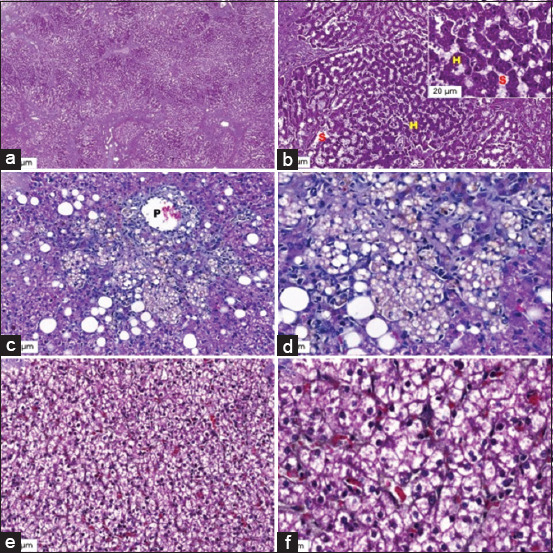 Figure 1
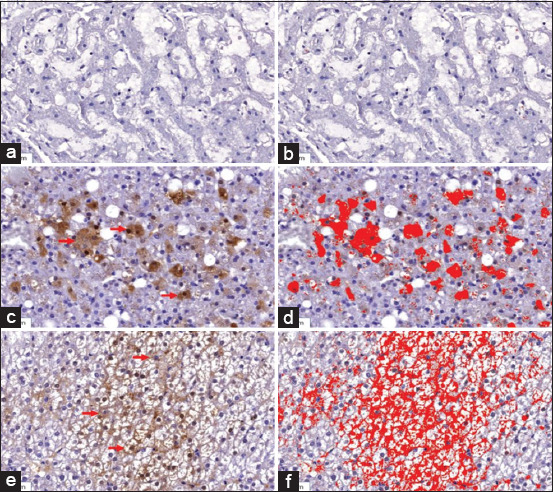 Figure 2
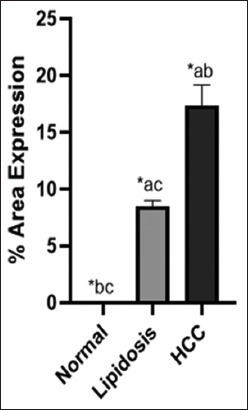 Figure 3
Peer Reviews
No public reviews on file for this paper yet. If you reviewed it on a platform where reviews are public (OpenReview, ICLR, NeurIPS, ICML), you can paste yours below so the community can read it here.
Videos
No videos yet. Explain this paper in a talk, walkthrough, or lecture? Add one.
Taxonomy
TopicsPeroxisome Proliferator-Activated Receptors · Liver Disease Diagnosis and Treatment · Metabolism and Genetic Disorders