Interaction of bacteriophage P1 with an epiphytic Pantoea agglomerans strain—the role of the interplay between various mobilome elements
Katarzyna Giermasińska-Buczek, Jan Gawor, Emil Stefańczyk, Urszula Gągała, Karolina Żuchniewicz, Hanna Rekosz-Burlaga, Robert Gromadka, Małgorzata Łobocka

TL;DR
This study explores how bacteriophage P1 interacts with Pantoea agglomerans, showing it can be used for genome engineering and plasmid replacement.
Contribution
The study demonstrates P1's utility in P. agglomerans genome engineering and highlights how antibiotic selection affects horizontal gene transfer outcomes.
Findings
P1 with Tn9 can transfer plasmids to P. agglomerans and replace resident plasmids under certain conditions.
Antibiotic selection influences whether P1 can outcompete resident plasmids based on marker mobility.
P. agglomerans strains often contain plasmids with replication or partition incompatibility with P1.
Abstract
P1 is a model, temperate bacteriophage of the 94 kb genome. It can lysogenize representatives of the Enterobacterales order. In lysogens, it is maintained as a plasmid. We tested P1 interactions with the biocontrol P. agglomerans L15 strain to explore the utility of P1 in P. agglomerans genome engineering. A P1 derivative carrying the Tn9 (cmR) transposon could transfer a plasmid from Escherichia coli to the L15 cells. The L15 cells infected with this derivative formed chloramphenicol-resistant colonies. They could grow in a liquid medium with chloramphenicol after adaptation and did not contain prophage P1 but the chromosomally inserted cmR marker of P1 Tn9 (cat). The insertions were accompanied by various rearrangements upstream of the Tn9 cat gene promoter and the loss of IS1 (IS1L) from the corresponding region. Sequence analysis of the L15 strain genome revealed a chromosome and…
Genes, proteins, chemicals, diseases, species, mutations and cell lines named across the full text — each resolved to its canonical identifier and authoritative record.
Click any figure to enlarge with its caption.
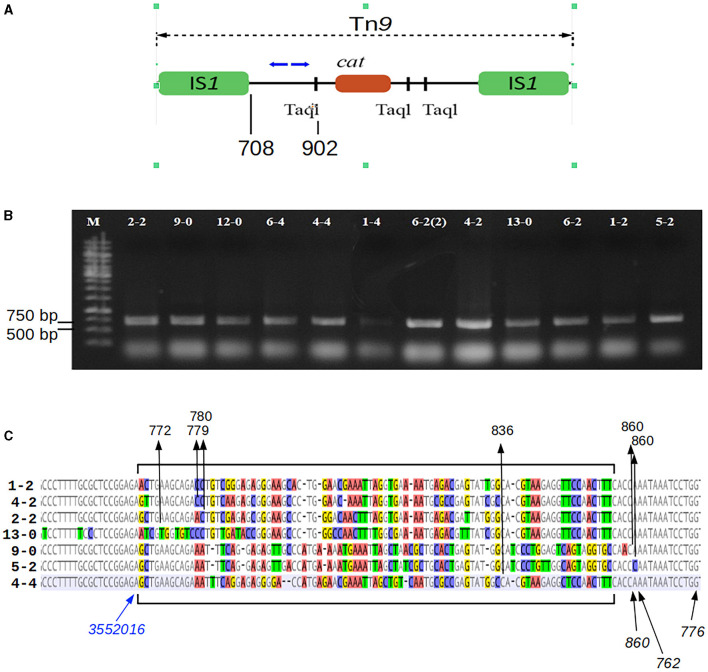 Figure 1
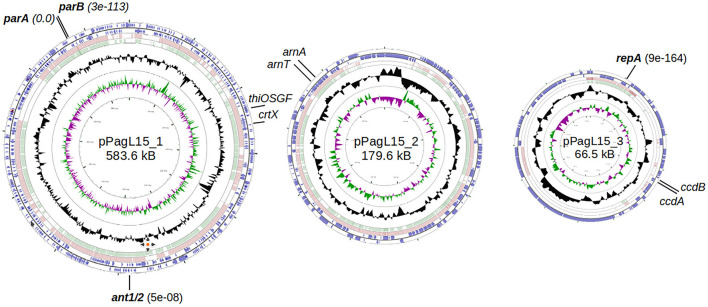 Figure 2
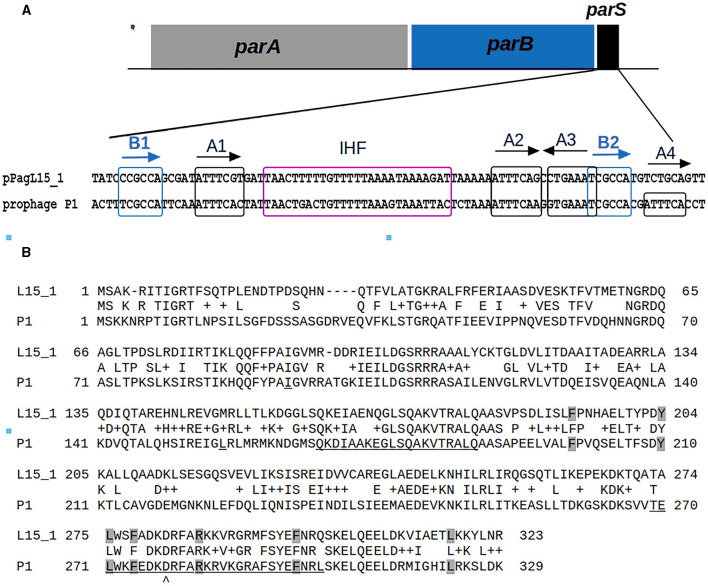 Figure 3
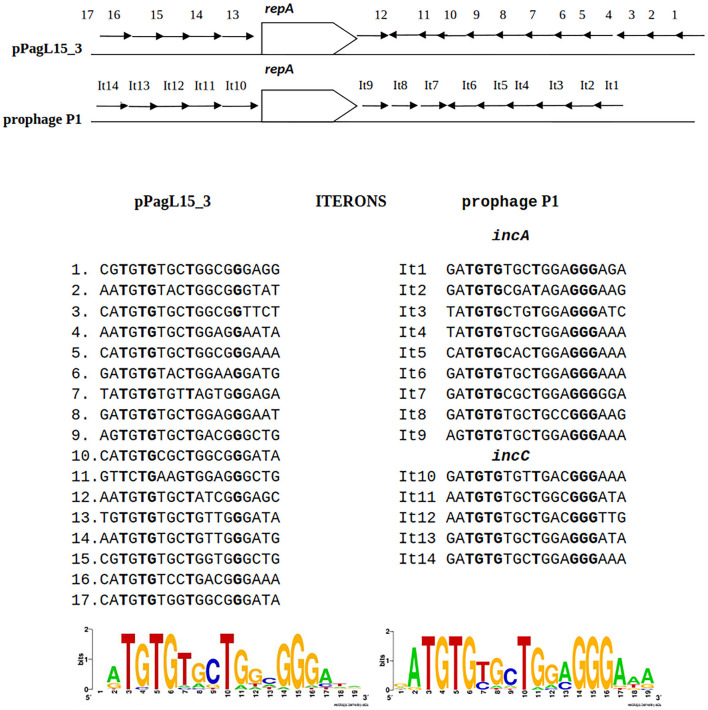 Figure 4
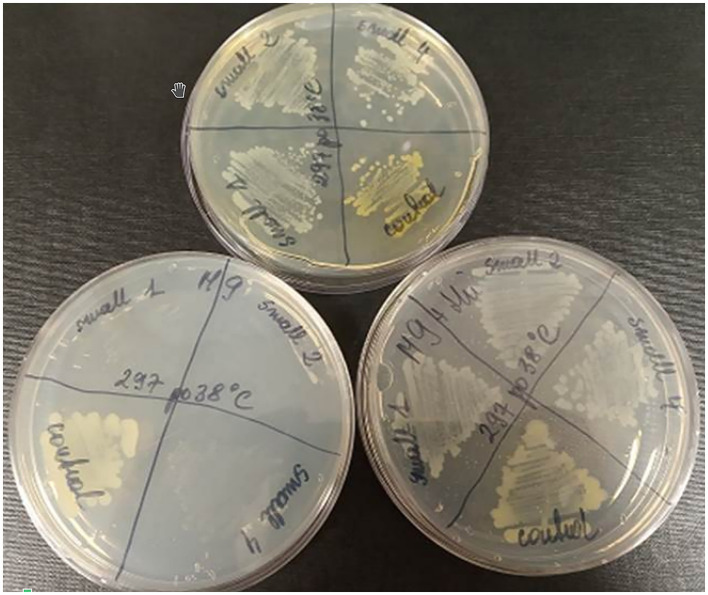 Figure 5
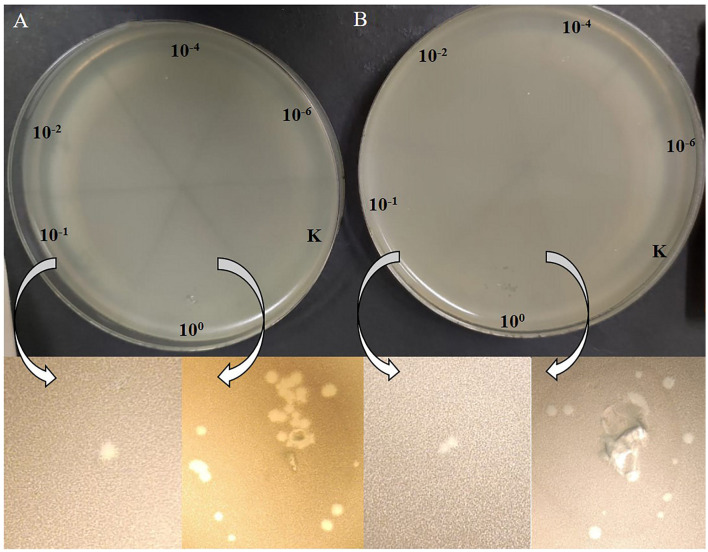 Figure 6
Peer Reviews
No public reviews on file for this paper yet. If you reviewed it on a platform where reviews are public (OpenReview, ICLR, NeurIPS, ICML), you can paste yours below so the community can read it here.
Videos
No videos yet. Explain this paper in a talk, walkthrough, or lecture? Add one.
Taxonomy
TopicsBacteriophages and microbial interactions · Plant Pathogenic Bacteria Studies · Genomics and Phylogenetic Studies