Severe Sepsis Associated With Multiorgan Failure and Precipitating Nonhepatic Hyperammonemia Crisis in Late-Onset Ornithine Transcarbamylase Deficiency: A Case Report and Literature Review
Sabastain F Forsah, Derek Ugwendum, Divine Besong Arrey Agbor, Nkafu Bechem Ndemazie, Gauvain Kankeu Tonpouwo, Nancelle Ndema, Akua Aboah Taylor, Jay Nfonoyim

TL;DR
A case report shows how severe sepsis can reveal a rare metabolic disorder, ornithine transcarbamylase deficiency, through a hyperammonemia crisis.
Contribution
Highlights a rare case where sepsis unmasked late-onset ornithine transcarbamylase deficiency, offering clinical awareness for similar presentations.
Findings
Severe sepsis can unmask undiagnosed ornithine transcarbamylase deficiency.
Hyperammonemia crisis occurred in a patient with multiorgan failure due to sepsis.
Physicians should consider metabolic disorders in sepsis patients with altered mental status and seizures.
Abstract
Sepsis is characterized by a dysregulated immune response to an infection. It is a major public health problem owing to its high mortality and morbidity. Sepsis is a medical emergency and requires aggressive and timely management. It can cause multiorgan failure, unmask an existing but undiagnosed disease such as ornithine transcarbamylase deficiency (OTCD), or make a known well-controlled disease worse. We present the case of a 52-year-old male who was brought to the emergency department unresponsive. He was diagnosed with severe sepsis which was associated with multiorgan failure and hyperammonemia crisis. Hyperammonemia was due to a newly diagnosed, late-onset OTCD which was unmasked by severe sepsis. This case will enable physicians to be aware and consider OTCD in a patient presenting with severe sepsis, altered mentation, and seizures, with no obvious cause of hyperammonemia.
Genes, proteins, chemicals, diseases, species, mutations and cell lines named across the full text — each resolved to its canonical identifier and authoritative record.
Click any figure to enlarge with its caption.
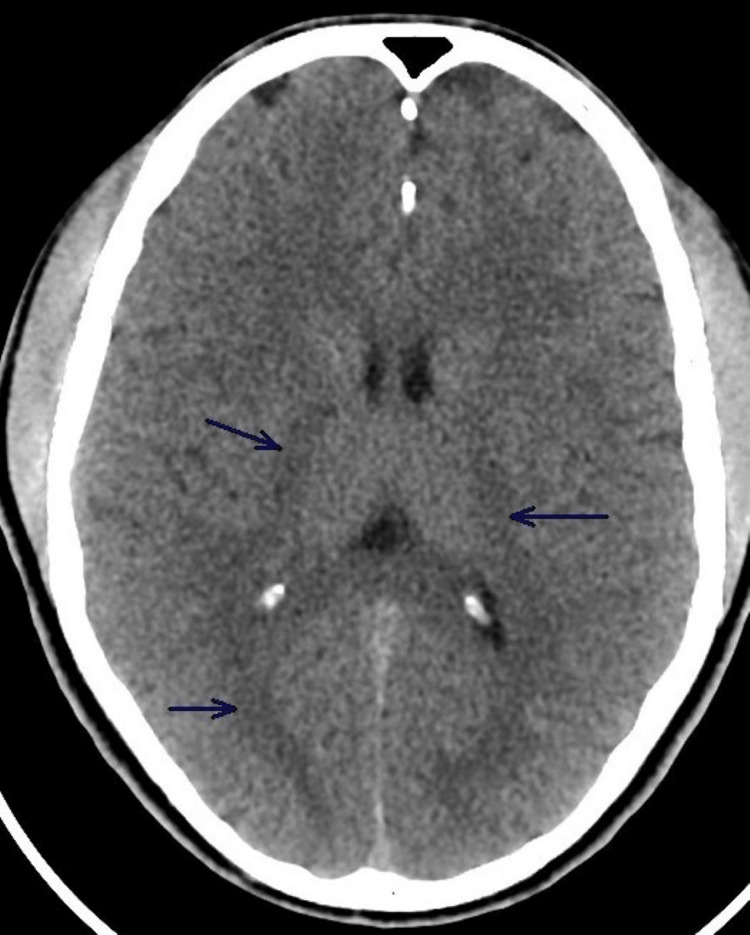 Figure 1
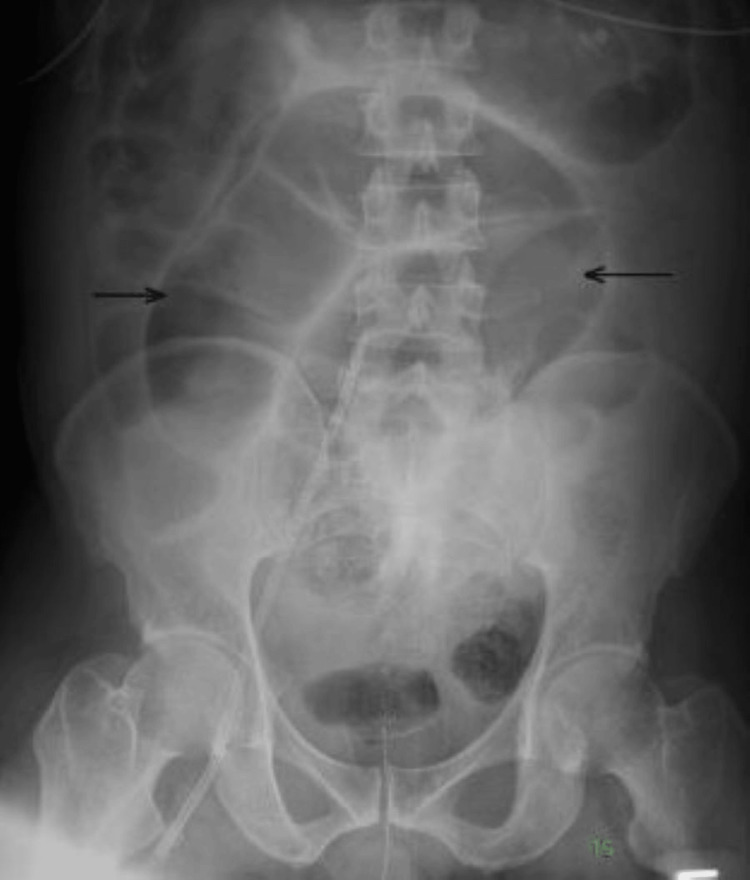 Figure 2
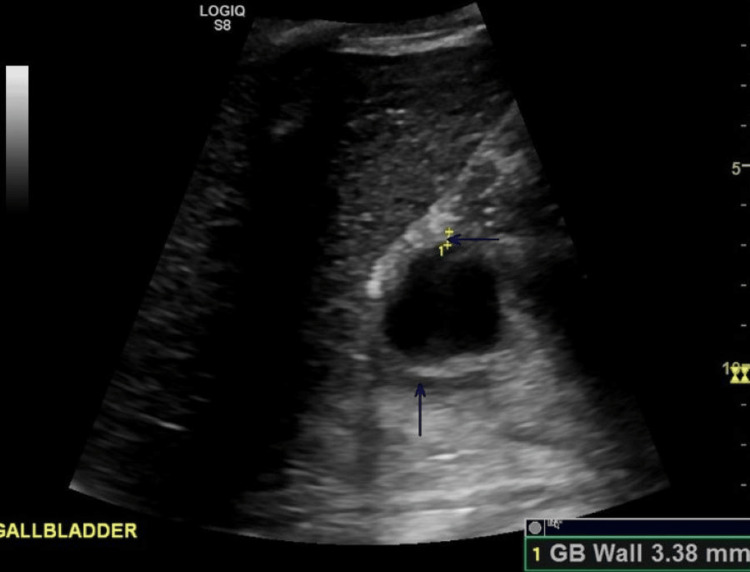 Figure 3
| Parameters | Patient’s results | Reference value |
| Hematology | ||
| WBC (K/UL) | 14,2 | 4-11.2 |
| Hb (g/dl) | 16.3 | 13.7-17.5 |
| Platelet (k/UL) | 183 | 150-400 |
| Biochemistry | ||
| Sodium (mmol/L) | 148 | 136-145 |
| Potassium (mmol/L) | 3.9 | 3.5-5.1 |
| Chloride (mmol/L) | 98 | 98-108 |
| CO2 (mmol/L) | <10 | 20-31 |
| Anion gap (mmol/L) | 45 | 10-20 |
| BUN (mg/dl) | 23 | 7-18 |
| Creatinine (mg/dl) | 2.3 | 0.7-1.3 |
| T bili (mg/dl) | 0.6 | 0.2-1 |
| AST (U/L) | 29 | <34 |
| ALT (U/L) | 42 | 10-49 |
| Lactic acid (mmol/L) | 29 | 0.5-2.2 |
| Ammonia (umol/L) | 870 | 11-32 |
| High-sensitivity troponin (ng/L) | 96.6 | < 55 |
| Creatine kinase (U/L) | 102460 | 46-171 |
| Coagulation factors | ||
| PT(sec) | 13 | 12-14.8 |
| PTT(sec) | 33 | 22.8-36.5 |
| INR | 1.1 | 0.9-1.12 |
| Time | Reference values | Initial labs | After first HD | 12 hours after admission | 24 hours after admission | 36 hours after admission |
| Ammonia (umol/L) | 11-32 | 870 | 207 | 507 | 723 | 353 |
| Lactic acid (nmol/L) | 0.5-2.2 | 29 | 20.3 | 19.4 | 21.1 | 24.7 |
| Creatine kinase (U/L) | 0.7-1.3 | 102400 | 16,045 | 204494 | 151882 | 14583 |
| ALT (U/L) | 10-49 | 42 | 535 | 1196 | 8612 | 13615 |
| AST (U/L) | <34 | 29 | 575 | 2041 | 18589 | 24032 |
| T. Bili (mg/dL) | 0.2-1 | 0.6 | 0.5 | 1.3 | 2.1 | 3.4 |
| INR | 0.9 – 1.12 | 1.1 | 8.3 | >20 | 10.52 | 8.04 |
| PTT (sec) | 22.8-36.5 | 13 | 86 | >200 | 171 | 143 |
| High sensitivity troponins (ng/L) | <55 | 96.6 | 3787 | 3087 | 2235 | 1923 |
| Hb (g/dl) | 13.7-17.5 | 16.3 | 14.1 | 12.4 | 7.4 | 8.5 |
| Platelets | 150-400 | 183 | 97 | 57 | 37 | 41 |
| Cr (mg/dL) | 0.7-1.3 | 2.3 | 2.87 | 3.41 | 3.47 | 4.61 |
| Potassium (mmol/L) | 3.5- 5.1 | 3.9 | 6.1 | 5.3 | 6.3 | 5.1 |
Peer Reviews
No public reviews on file for this paper yet. If you reviewed it on a platform where reviews are public (OpenReview, ICLR, NeurIPS, ICML), you can paste yours below so the community can read it here.
Videos
No videos yet. Explain this paper in a talk, walkthrough, or lecture? Add one.
Taxonomy
TopicsMetabolism and Genetic Disorders · Infectious Encephalopathies and Encephalitis · Neurological and metabolic disorders
Introduction
Globally, sepsis accounts for about 20% of deaths, with most cases requiring intensive care unit (ICU) admission [1]. It is a major public health problem owing to its high morbidity and mortality [2]. Sepsis is a medical emergency with guidelines recommending aggressive and timely management because a patient can rapidly deteriorate into multiorgan failure [3]. Sepsis can also unmask an existing, but undiagnosed disease. One such condition is ornithine transcarbamylase deficiency (OTCD) which can cause significantly elevated serum ammonia levels, with the risk of developing cerebral edema and brain herniation [4]. Symptoms of OTCD usually develop after a stressful event like an acute infection [5]. In this case presentation, we have a male patient with no knowledge about his OTCD, who presented with severe sepsis and as a result developed multiorgan failure and severe symptomatic hyperammonemia without significant liver dysfunction. Further testing revealed that he had OTCD. This is a unique case of severe sepsis progressing to septic shock with multiorgan failure and precipitating a hyperammonemic crisis in a patient with an undiagnosed OTCD.
Case presentation
A 52-year-old male with a past medical history of stage 3 chronic kidney disease, type 2 diabetes mellitus, hepatitis B infection, and hypertension and with no known history of seizures was brought to the emergency department unresponsive. According to his wife, the patient had no signs and symptoms the days prior. He had two generalized, tonic-clonic seizures en route to the hospital and one more seizure in the emergency room with the latter lasting for about four minutes. The patient’s primary care doctor reported that six months before his current presentation, he had no complaints and his blood work was grossly normal.
Initial vital signs showed a blood pressure of 109/70 mmHg; heart rate of 131 beats per minute; respiratory rate of 26 breaths per minute; and temperature of 96.1oF. He was cyanotic and unresponsive to noxious stimuli, with pupils sluggishly reactive to light. Corneal and gag reflexes were present. His abdomen was distended and soft with hypoactive bowel sounds. The rest of his physical examination was unremarkable. The quick Sequential Organ Failure Assessment (qSOFA) score was 2, due to the patient's respiratory rate being >22 breaths per minute and his altered mental status.
Initial key laboratory findings are shown in Table 1. It shows significantly elevated ammonia, creatine kinase, and lactic acid levels with a very high anion gap metabolic acidosis. He also had leukocytosis while the liver enzymes were within normal limits.
Additionally, the urine drug screen was negative; serum alcohol, acetaminophen, and salicylate levels were undetectable, and there were no features suggestive of a urinary tract infection.
His electrocardiogram (EKG) showed normal sinus rhythm and bedside echocardiogram showed normal left ventricular function with no wall motion or valvular abnormalities. The computed tomography (CT) scan of the brain showed no acute abnormalities (Figure 1).
CT of the brain showing no acute abnormalities
Abdominal X-ray showed moderate fecal stasis and dilation of the colon with no intestinal obstruction and no intraperitoneal free air (Figure 2).
Abdominal X-ray showing the dilated colon
Abdominal ultrasound showed biliary sludge, gallbladder wall thickening, and pericholecystic fluid, suggesting cholecystitis. The liver was normal in size, echotexture, and without a focal hepatic lesion (Figure 3).
Abdominal ultrasound showing gallbladder wall thickening and pericholecystic fluid
The patient was intubated for airway protection, mechanically ventilated, sedated with propofol, and admitted to the ICU. He became hypotensive but after fluid resuscitation, his blood pressure did not improve, requiring norepinephrine to maintain a mean arterial pressure above 65mmHg. Lactulose was administered through an orogastric tube (OGT) to enhance bowel movement. A sodium bicarbonate drip was initiated for severe metabolic acidosis and broad-spectrum antibiotics were administered after blood cultures were obtained. Plasma amino acid levels, urine organic acid, and urea cycle enzyme testing were done because of the significantly high ammonia levels. Electroencephalography (EEG) showed diffuse slowing with no epileptiform discharges.
Urgent hemodialysis (HD) was done due to severe hyperammonemia and a repeat ammonia level after HD was 207umol/L. His kidney function, liver enzymes, electrolytes, troponin, lactic acid, creatine kinase, and ammonia levels were monitored every 12 hours and post HD as shown in Table 2.
Due to worsening abdominal distention, his OGT was connected to intermittent suction, and approximately 1300mls of bloody gastrointestinal fluid was aspirated. Fibrinogen level was <60mg/dl, prompting the administration of prothrombin complex concentrate and the transfusion of pack red blood cells and platelets due to the high risk of severe bleeding with elevated international normalized ratio (INR), acute blood loss anemia, and severe thrombocytopenia, respectively.
His short hospital course was marked by anuria, high oxygen requirement, dissemination intravascular coagulation, and loss of brain stem function. About 38 hours after admission, the patient went into a cardiopulmonary arrest, and resuscitation attempts were unsuccessful.
Delayed results showed negative blood cultures; the patient however had OTCD, which was a new diagnosis in this patient.
Discussion
Globally, about 49 million patients were diagnosed with sepsis resulting in 11 million deaths in 2017 [1]. Sepsis is an acute life-threatening, dysregulated immune response to an infection leading to physiological, pathological, and biological abnormalities. Patients with sepsis, if left untreated, may progress to severe sepsis which is characterized by organ dysfunction involving either a single organ or multiple organs. As part of the pathophysiology of sepsis, some patients deteriorate further to septic shock, in which case, despite adequate volume resuscitation, hypotension persists, requiring vasopressors to maintain a mean arterial pressure ≥ 65 mmHg as was the case of our patient [2].
Clinically, sepsis presents with fever, tachycardia, and tachypnea as well as signs and symptoms relating to the organ bearing the source of infection [6]. Severe sepsis and septic shock cause decreased tissue perfusion leading to lactic acidosis, oliguria, and acute alteration in mentation [6,7]. The most commonly used scoring system to assess sepsis severity is the Sequential Organ Failure Assessment (SOFA) but the simplified qSOFA (quick SOFA) score can be used at the bedside to quickly assess and determine if a patient presenting with an infection is at risk of developing severe sepsis. Our patient had a score of 2, indicating a high risk for long ICU stays and high mortality [8].
Laboratory investigations for sepsis include a complete blood count, complete metabolic panel, lactic acid level, procalcitonin level, and C-reactive proteins [6]. Many different imaging modalities are also used to help localize the source of infection [3]. However, the culture of blood and body fluids is the gold standard for the identification of the microorganisms involved in sepsis, to inform the choice of antimicrobial [9]. Sometimes, evidence of infection is extrapolated from radiographic and laboratory results because as much as 30% of suspected sepsis may yield negative cultures [10]. Our patient had a negative blood culture, but his abdominal ultrasound was significant for cholecystitis.
Sepsis is a medical emergency and therefore requires timely initiation of aggressive and appropriate treatment [3,9]. Infection control, hemodynamic stabilization, and modulation of the septic response form the basis of treatment. Hypotension and perfusion defects are managed with fluids and pressors as needed [11]. Empirical antibiotic therapy should be started within 60 minutes of suspicion of sepsis, based on likely pathogen and local resistance patterns, and then de-escalated after identification of a causative organism [9,11]. Respiratory support becomes necessary and patients might undergo endotracheal intubation in cases of severe hypoxemia or severe depression of mentation [7].
Severe sepsis and septic shock as in the case of our patient can cause multiorgan failure with a very high risk of mortality [9]. In addition to local organ damage by the pathogens and the consequences resulting from organ hypoperfusion, sepsis has organ-specific mechanisms of causing damage to individual organs [7]. Our patient had multisystemic failure including the hematological system [12], cardiovascular system [13], central nervous system [7], hepatobiliary system [14], renal system [15], respiratory system [7], and musculoskeletal system [16].
It is worth noting that our patient’s laboratory findings were also significant for hyperammonemia. From the literature, about 90% of hyperammonemia is caused by liver dysfunction. Nonhepatic causes of hyperammonemia include inborn errors of metabolism, excessive muscle contractions, medications, malignancy, or infection with urease-producing bacteria [17]. Our patient was later diagnosed with late-onset OTCD. This is the most common urea cycle enzyme disorder worldwide and it occurs in about 1 in 56 500 people [4]. It is an x-linked disorder associated with markedly elevated ammonia levels. It has been observed that 30% of patients with OTCD present in the neonatal period while up to 70% present later in life [5]. Late-onset OTCD develops in men with partial OTCD and heterozygous women [5]. The median age of onset of late-onset OTCD is about 37 years [18].
Late-onset OTCD is difficult to diagnose because most people are asymptomatic or when symptoms develop, they are nonspecific with normal laboratory findings, except for hyperammonemia during crisis [4,5]. Symptoms usually develop after a stressful event like an acute infection, trauma, steroid administration, starvation, surgery, medications, or increased protein intake [4,18]. Patients may report chronic headaches, anorexia, and vomiting. Severe manifestations include confusion, seizures, and coma [18-20]. Ammonia crosses the blood-brain barrier and is metabolized by glutamine synthetase (GS). However, when large amounts of ammonia accumulate, it causes osmotic astrocyte swelling and cerebral edema due to intracellular accumulation of glutamine [21].
Our patient’s family reported that he was generally in good health before the present hospitalization. Although our patient had hepatitis B, he had normal liver enzymes upon admission, and imaging was unremarkable for any liver dysfunction. We can therefore conclude that his high ammonia level was likely due to an extrahepatic cause, in this case, OTCD, with sepsis being the precipitating factor possibly through the following mechanisms. Sepsis can cause liver dysfunction which can lead to abnormalities in ammonia metabolism [22]. Sepsis may also disrupt the intestinal barrier function which can lead to additional absorption of ammonia. Additionally, patients with sepsis are in a catabolic state, breaking down massive amounts of amino acids, leading to an increase in the production of ammonia [23]. Contributory factors to high ammonia levels in our patient were constipation [20] and tonic-clonic seizures [24]. In a patient deficient in an enzyme participating in breaking down ammonia in the urea cycle like the case of our patient who had OTCD, ammonia levels rapidly increase leading to hyperammonemic crisis [25]. Therefore, OTCD should be suspected in patients with marked hyperammonemia without liver cirrhosis. Of note, laboratory diagnosis of OTCD includes a low plasma citrulline level with increased urine orotic acid and it is confirmed with molecular genetic testing [26].
Ammonia levels must be rapidly decreased to levels below 200 µmol/L, as higher levels are associated with lower survival rates [4]. Patients with marked hyperammonemia should immediately undergo hemodialysis regardless of the cause [27]. Treatment also includes lactulose and rifaximin, ammonia scavengers like sodium phenylacetate, glycerol phenylbutyrate, and sodium benzoate, and supplementation with urea cycle intermediates like L-arginine and L-carnitine as well as low protein diet [28].
Our patient benefited from endotracheal intubation, HD, lactulose, antibiotics, fluid resuscitation, vasopressors, and transfusion of blood products. However, because of the many poor prognostic features present, severe acute kidney injury [29], severe hyperammonemia with change in mental status [4], severe rhabdomyolysis, and septic shock [16], the patient’s chances of clinical improvement were low.
Conclusions
Sepsis is a major cause of morbidity and mortality and when suspected needs to be treated aggressively. With delayed treatment, multiorgan failure can develop. Additionally, sepsis can unmask diseases, like in the case of our patient, in which sepsis precipitated a hyperammonemia crisis and unmasked a rare adult onset OTCD. Consequently, clinicians should always consider OTCD as a differential diagnosis in patients presenting with severe hyperammonemia with normal liver function.
The reference list from the paper itself. Each links out to its DOI / PubMed record.
- 1Global, regional, and national sepsis incidence and mortality, 1990-2017: analysis for the Global Burden of Disease Study Lancet Rudd KE Johnson SC Agesa KM 20021139520203195446510.1016/S 0140-6736(19)32989-7PMC 6970225 · doi ↗ · pubmed ↗
- 2The Third International Consensus Definitions for sepsis and septic shock (sepsis-3)JAMA Singer M Deutschman CS Seymour CW 80181031520162690333810.1001/jama.2016.0287 PMC 4968574 · doi ↗ · pubmed ↗
- 3Definitions for sepsis and organ failure and guidelines for the use of innovative therapies in sepsis. The ACCP/SCCM Consensus Conference Committee. American College of Chest Physicians/Society of Critical Care Medicine Chest Bone RC Balk RA Cerra FB 164416551011992130362210.1378/chest.101.6.1644 · doi ↗ · pubmed ↗
- 4Urea cycle disorders overview Ah Mew N Simpson KL Gropman AL Seattle Gene Reviews® [Internet]2003 https://www.ncbi.nlm.nih.gov/books/NBK 1217/
- 5Long-term outcomes in ornithine transcarbamylase deficiency: a series of 90 patients Orphanet J Rare Dis Brassier A Gobin S Arnoux JB 581020152595838110.1186/s 13023-015-0266-1PMC 4443534 · doi ↗ · pubmed ↗
- 6Organ dysfunction in sepsis: an ominous trajectory from infection to death Yale J Biol Med Caraballo C Jaimes F 629640922019 https://pubmed.ncbi.nlm.nih.gov/31866778/31866778 PMC 6913810 · pubmed ↗
- 7Sepsis and septic shock Nat Rev Dis Primers Hotchkiss RS Moldawer LL Opal SM Reinhart K Turnbull IR Vincent JL 16045220162811739710.1038/nrdp.2016.45PMC 5538252 · doi ↗ · pubmed ↗
- 8The SOFA (Sepsis-related Organ Failure Assessment) score to describe organ dysfunction/failure Intensive Care Med Vincent JL Moreno R Takala J 707710221996884423910.1007/BF 01709751 · doi ↗ · pubmed ↗