Application of Chemical Ionization in the Analysis of Ethylphosphonic Acid Derivatives
Maciej Boczkowski, Stanisław Popiel, Jakub Nawała

TL;DR
This paper explores how chemical ionization mass spectrometry can be used to analyze ethylphosphonic acid derivatives, which are relevant to chemical weapons identification.
Contribution
The study introduces a method for predicting mass spectra and retention parameters of ethylphosphonic acid derivatives using chemical ionization.
Findings
Protonated molecules with high intensities were observed using methane in chemical ionization.
Retention parameters and mass spectra of five new compounds were successfully determined.
The method proved effective for identifying substances relevant to chemical weapons analysis.
Abstract
The microsynthesis of 32 dialkyl derivatives of ethylphosphonic acid and the same number of monoalkyl derivatives was carried out to perform comparative studies using gas chromatography combined with mass spectrometry in chemical ionization mode which is one of the analytical techniques recommended by the Organisation for the Prohibition of Chemical Weapons (OPCW). The huge number of possible representatives makes it difficult to have complete spectral libraries of all substances in this class. Therefore, we decided to synthesize and instrumentally analyze only representatives of the selected series of homologues in this work. The analysis of the obtained results allowed us to find the rules for predicting mass spectra and the factors determining the retention parameters. Symmetrical diesters and monoesters of ethylphosphonic acid were selected for this study. During the conducted…
Genes, proteins, chemicals, diseases, species, mutations and cell lines named across the full text — each resolved to its canonical identifier and authoritative record.
Click any figure to enlarge with its caption.
 Figure 1
 Figure 2
 Figure 3
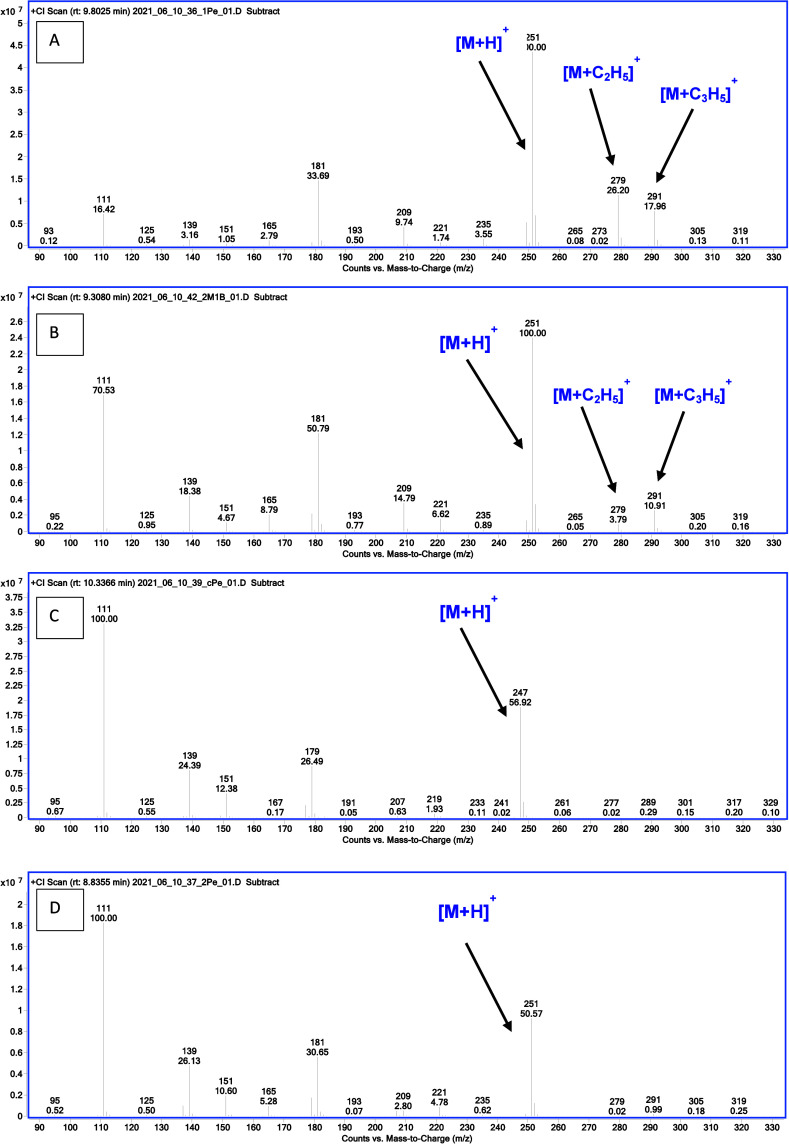 Figure 4
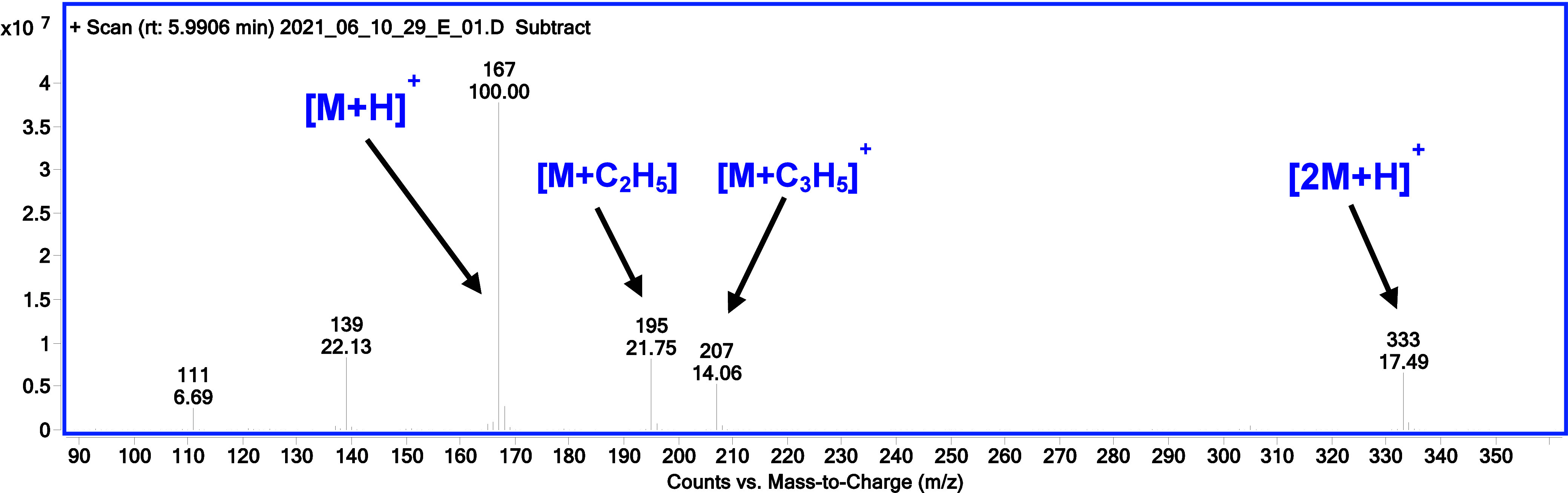 Figure 5
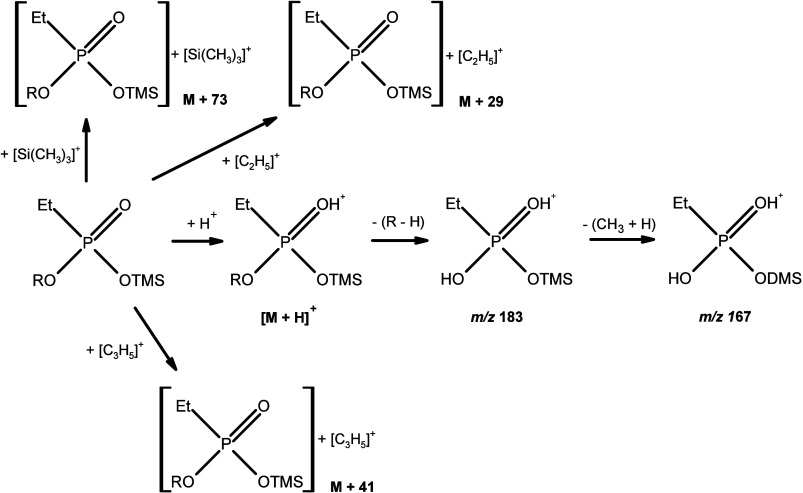 Figure 6
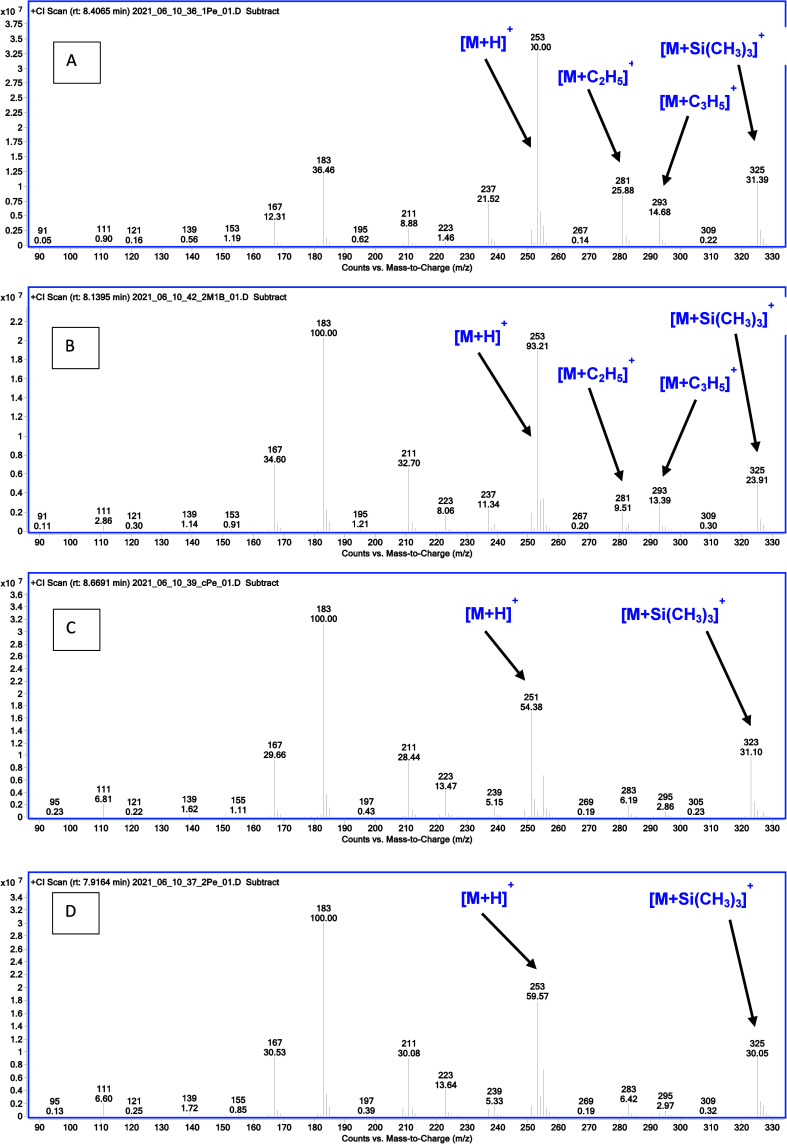 Figure 7
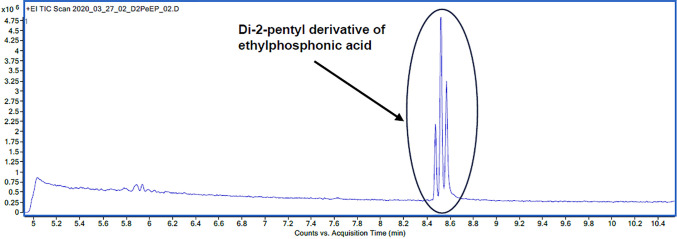 Figure 8
 Figure 9
 Figure 10
 Figure 11
 Figure 12
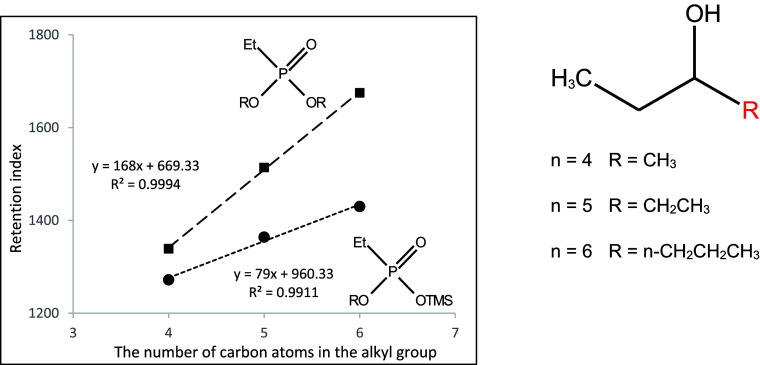 Figure 13
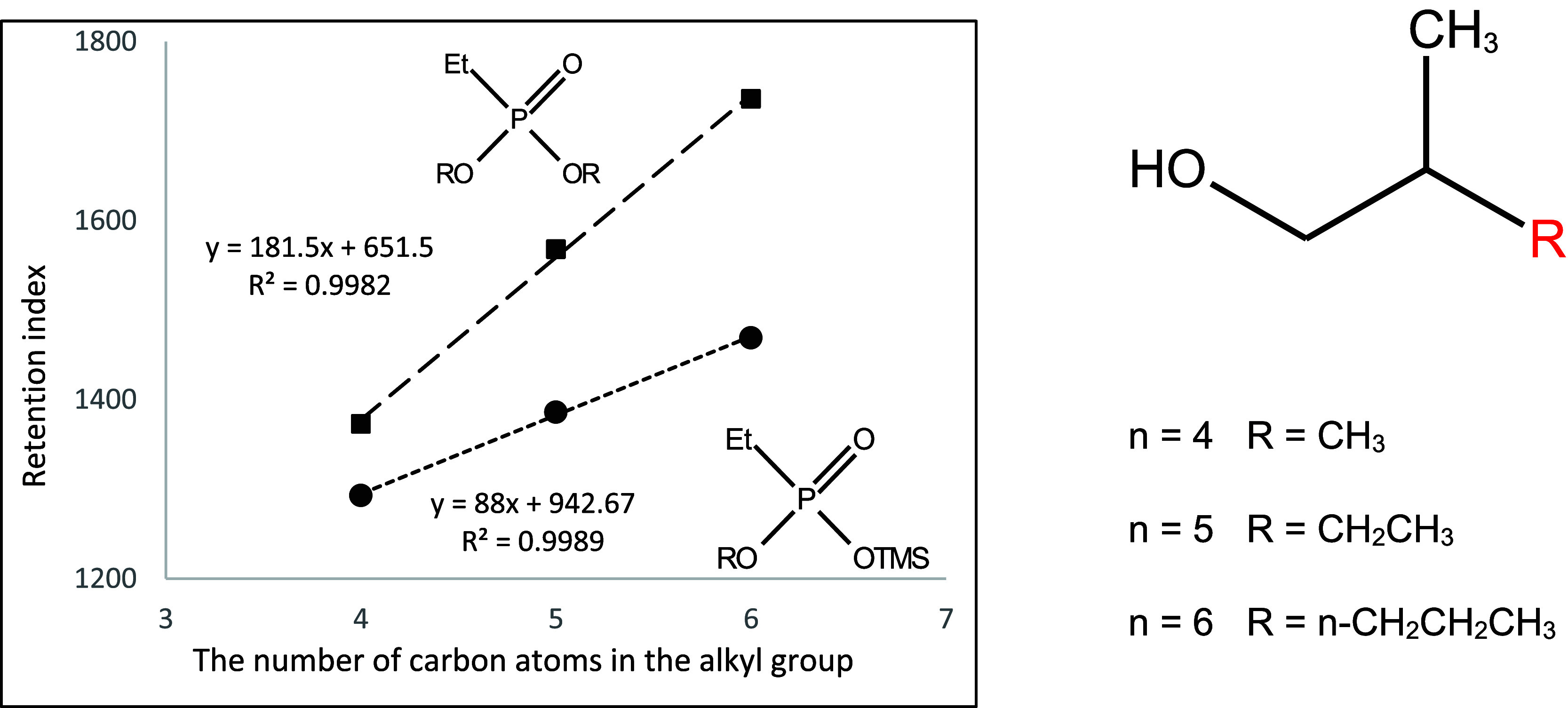 Figure 14
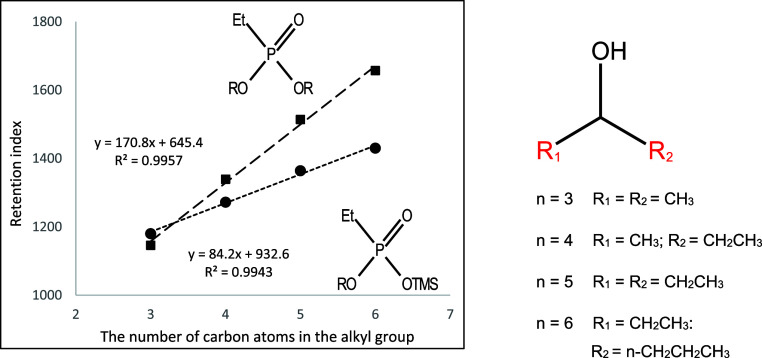 Figure 15
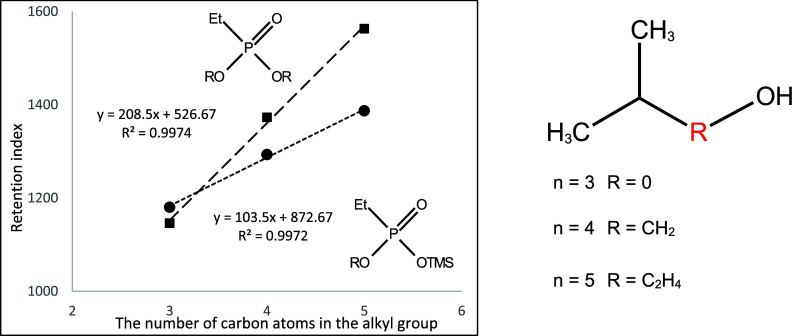 Figure 16
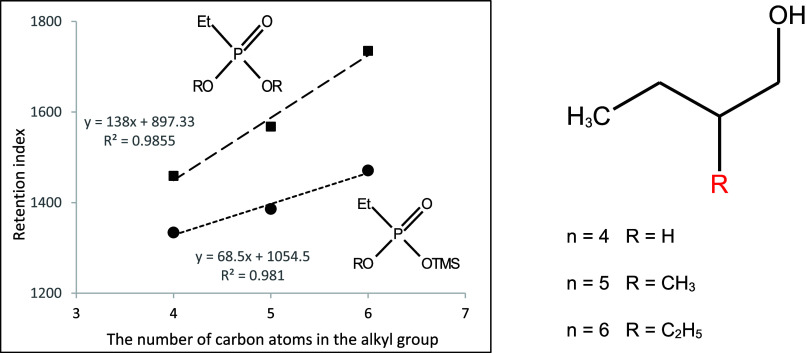 Figure 17
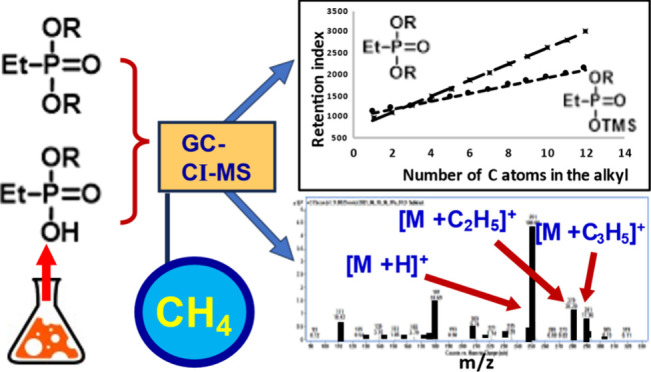 Figure 18
 Figure 19
 Figure 20
 Figure 21
 Figure 22
 Figure 23
Peer Reviews
No public reviews on file for this paper yet. If you reviewed it on a platform where reviews are public (OpenReview, ICLR, NeurIPS, ICML), you can paste yours below so the community can read it here.
Videos
No videos yet. Explain this paper in a talk, walkthrough, or lecture? Add one.
Taxonomy
TopicsPesticide Exposure and Toxicity · Pesticide Residue Analysis and Safety · Insect and Pesticide Research