Hiding in Plain Sight: An Atypical Presentation of the Uncommon Merkel Cell Carcinoma
Elisha Myers, Matthew Uhde

TL;DR
A rare case of Merkel cell carcinoma is presented, highlighting the importance of specific markers for accurate diagnosis and treatment.
Contribution
The paper contributes a case study emphasizing the role of INSM1 as a diagnostic marker for Merkel cell carcinoma.
Findings
Merkel cell carcinoma was diagnosed using histopathological and immunohistochemical analysis.
INSM1 positivity confirmed the diagnosis with high sensitivity and specificity.
The patient showed no recurrence after one year of follow-up with standard treatment.
Abstract
Merkel cell carcinoma (MCC) is a cutaneous neoplasm that is challenging to diagnose secondary to its rarity. We report a case involving a 76-year-old Caucasian female with a seemingly benign skin nodule on her right forearm. Histopathological analysis revealed characteristics of MCC, including uniform round cells with minimal cytoplasm and fine granular chromatin. Immunohistochemical staining confirmed insulinoma-associated protein 1 (INSM1) positivity, a marker with high sensitivity and specificity in localized MCC diagnosis. The subsequent treatment plan involved wide local excision, sentinel lymph node evaluation, and radiation therapy, aligning with therapeutic standards for MCC. Negative positron emission tomography (PET) scans and follow-up for one year have demonstrated no evidence of recurrence or additional lesions. This case demonstrates the challenges in diagnosing MCC and…
Genes, proteins, chemicals, diseases, species, mutations and cell lines named across the full text — each resolved to its canonical identifier and authoritative record.
Click any figure to enlarge with its caption.
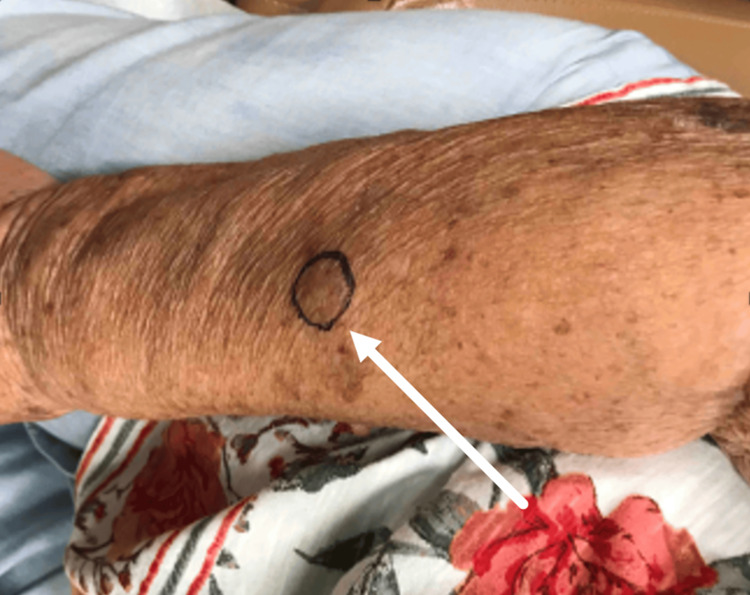 Figure 1
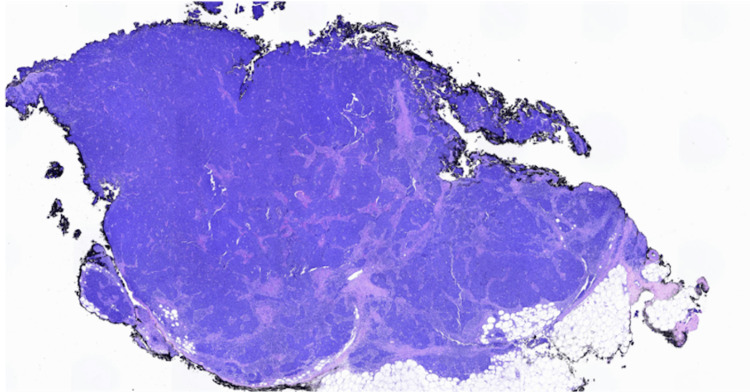 Figure 2
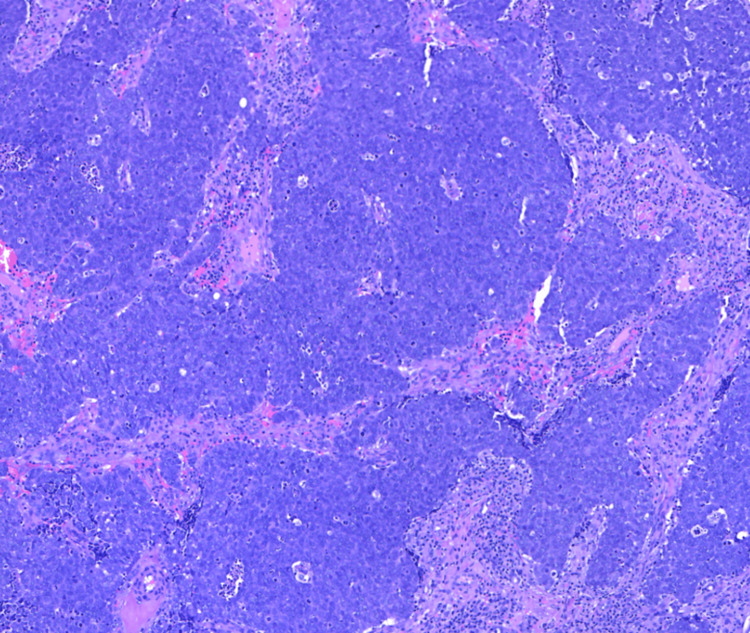 Figure 3
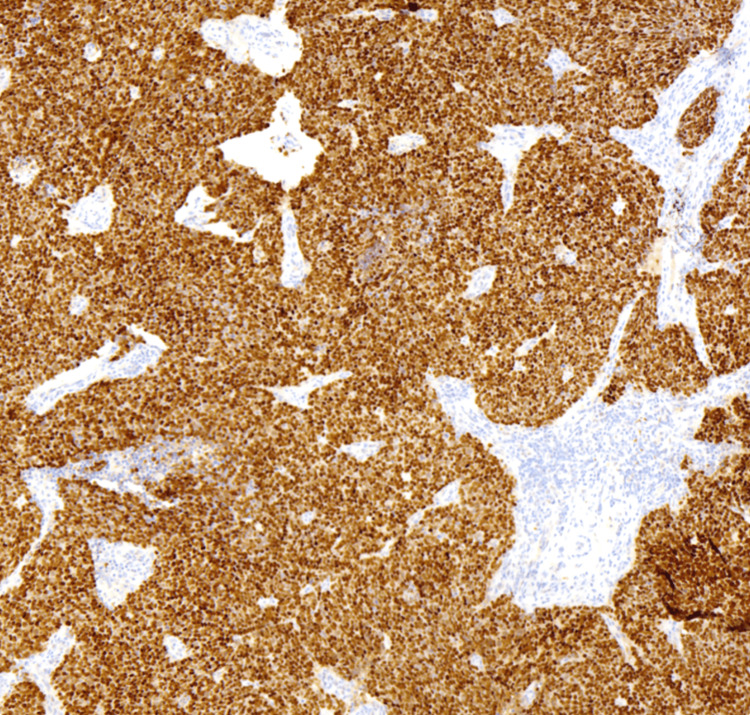 Figure 4
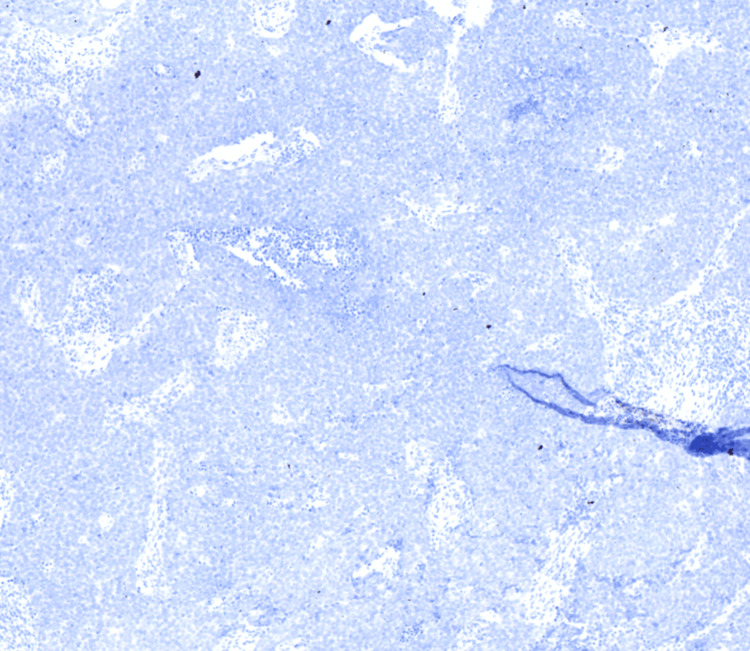 Figure 5
Peer Reviews
No public reviews on file for this paper yet. If you reviewed it on a platform where reviews are public (OpenReview, ICLR, NeurIPS, ICML), you can paste yours below so the community can read it here.
Videos
No videos yet. Explain this paper in a talk, walkthrough, or lecture? Add one.
Taxonomy
TopicsPolyomavirus and related diseases · Full-Duplex Wireless Communications · Antenna Design and Analysis