Integrating UPLC-Q-Orbitrap MS with serum pharmacochemistry network and experimental verification to explore the pharmacological mechanisms of Cynanchi stauntonii rhizoma et radix against sepsis-induced acute lung injury
Hejun Gao, Ziyi Yuan, Haoxuan Liang, Youtan Liu

TL;DR
This study explores how a traditional herbal medicine, Cynanchi stauntonii rhizoma et radix, may treat sepsis-induced lung injury by identifying its active compounds and molecular mechanisms.
Contribution
The study integrates advanced analytical methods and experimental validation to reveal the multi-target, multi-pathway mechanisms of Csrer in treating ALI.
Findings
Forty-six bioactive components and 192 potential targets were identified for Csrer in ALI.
Key pathways include PI3K-Akt, apoptosis, and p53, with molecular docking confirming strong compound-protein interactions.
Animal experiments confirmed Csrer's protective effects via p53-mediated apoptosis and inflammation reduction.
Abstract
Introduction: Patients with sepsis are at an incremental risk of acute lung injury (ALI). Baiqian, also known as Cynanchi stauntonii rhizoma et radix (Csrer), has anti-inflammatory properties and is traditionally used to treat cough and phlegm. This study aimed to demonstrate the multicomponent, multitarget, and multi-pathway regulatory molecular mechanisms of Csrer in treating lipopolysaccharide (LPS)-induced ALI. Methods: The bioactive components of Csrer were identified by ultrahigh-performance liquid chromatography Q-Orbitrap mass spectrometry (UPLC-Q-Orbitrap MS). Active targets predicted from PharmMapper. DrugBank, OMIM, TTD, and GeneCards were used to identify potential targets related to ALI. Intersection genes were identified for Csrer against ALI. The PPI network was analysed to identify prime targets. GO and KEGG analyses were performed. A…
Genes, proteins, chemicals, diseases, species, mutations and cell lines named across the full text — each resolved to its canonical identifier and authoritative record.
Click any figure to enlarge with its caption.
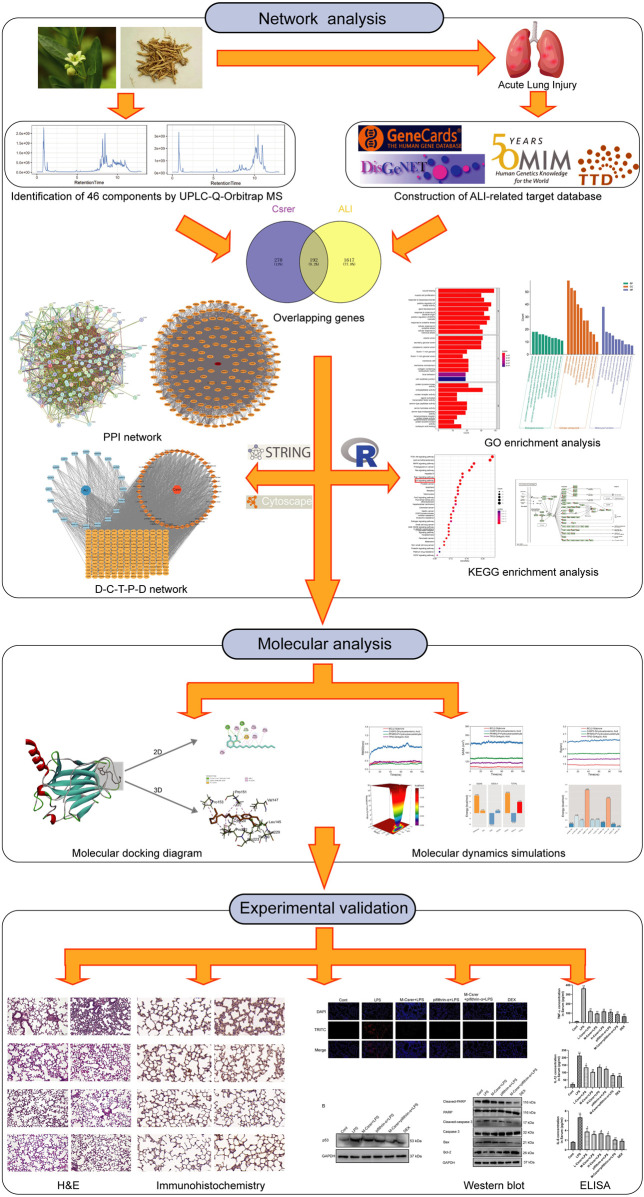 Figure 1
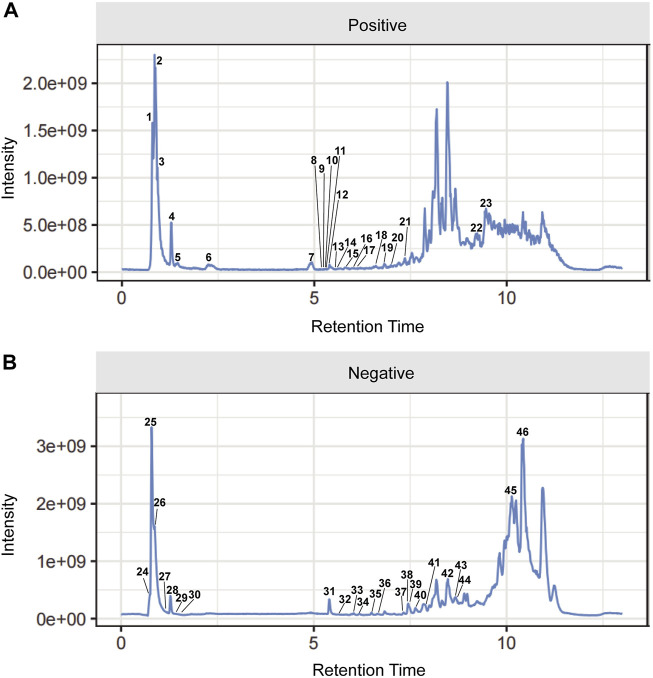 Figure 2
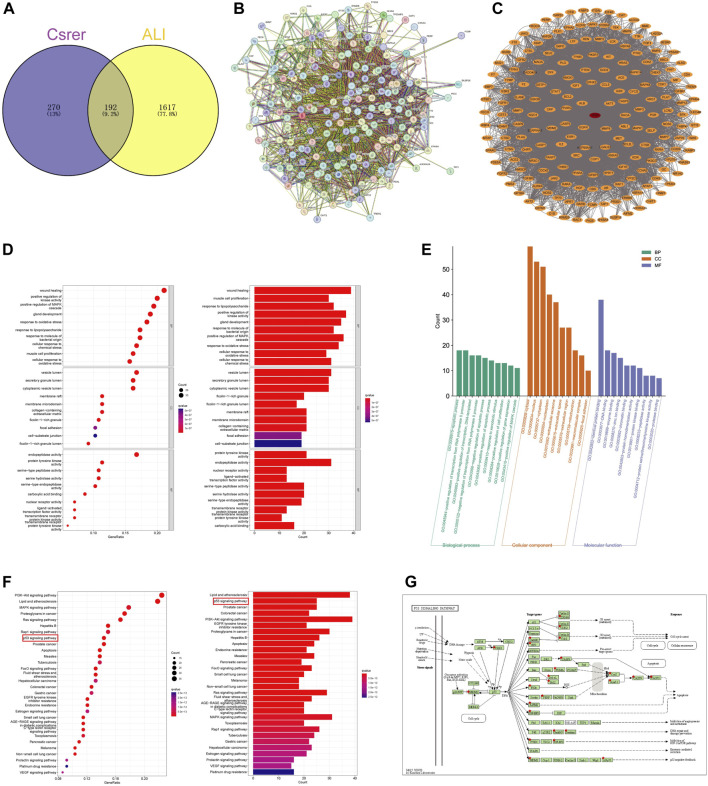 Figure 3
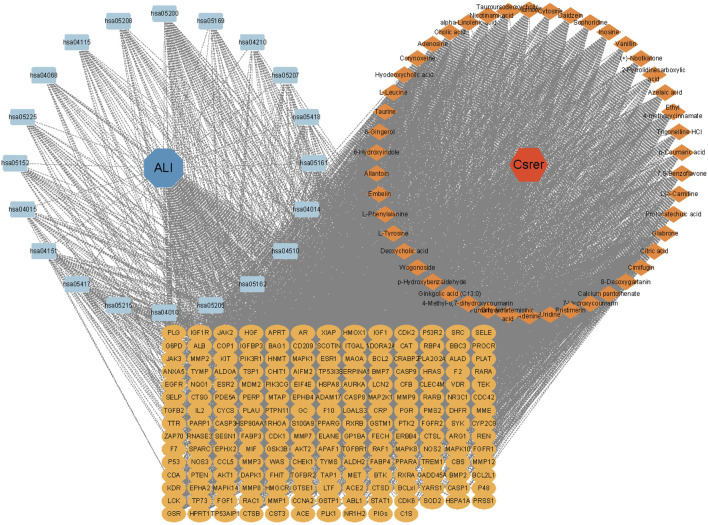 Figure 4
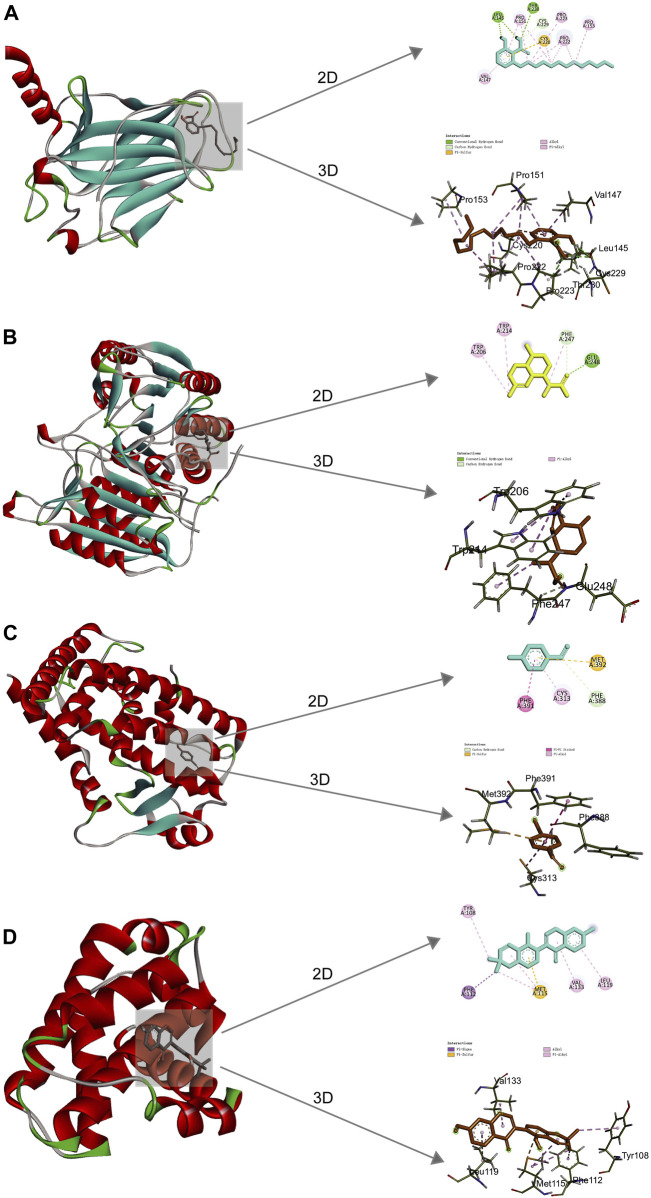 Figure 5
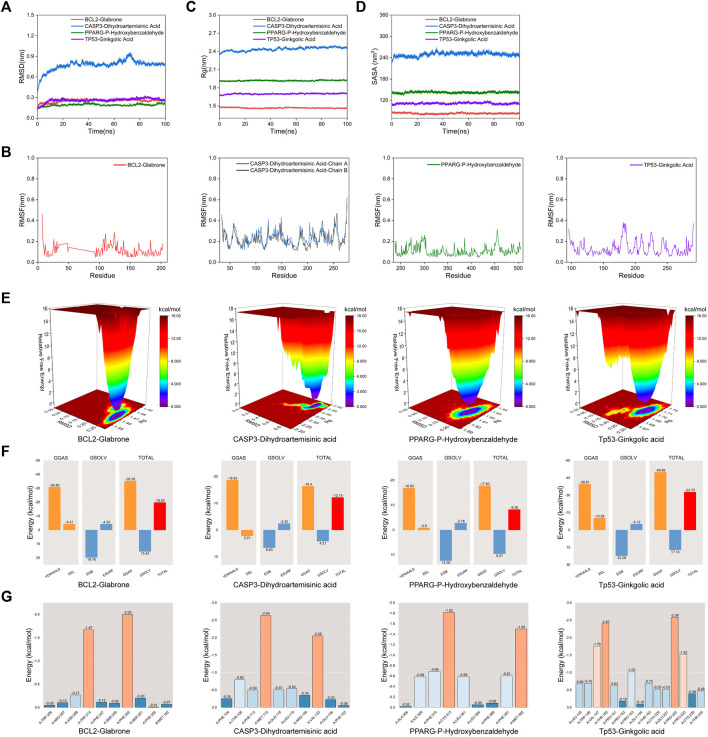 Figure 6
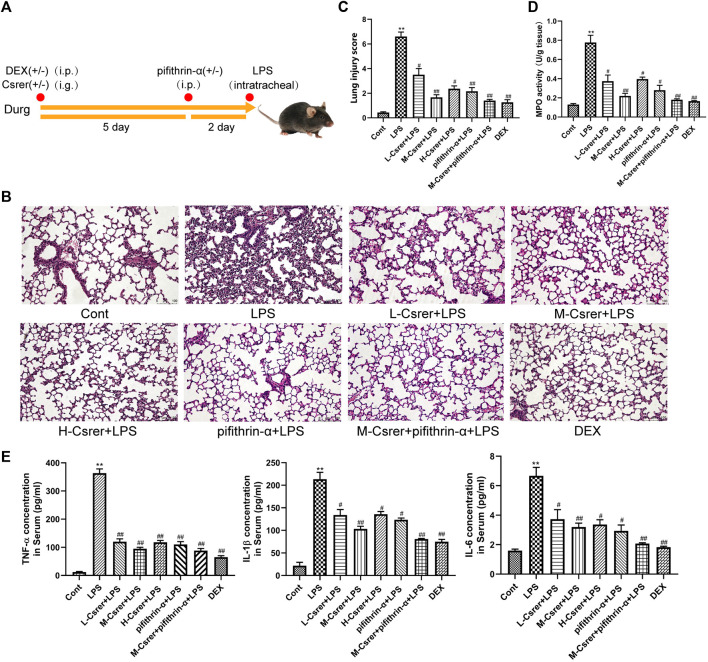 Figure 7
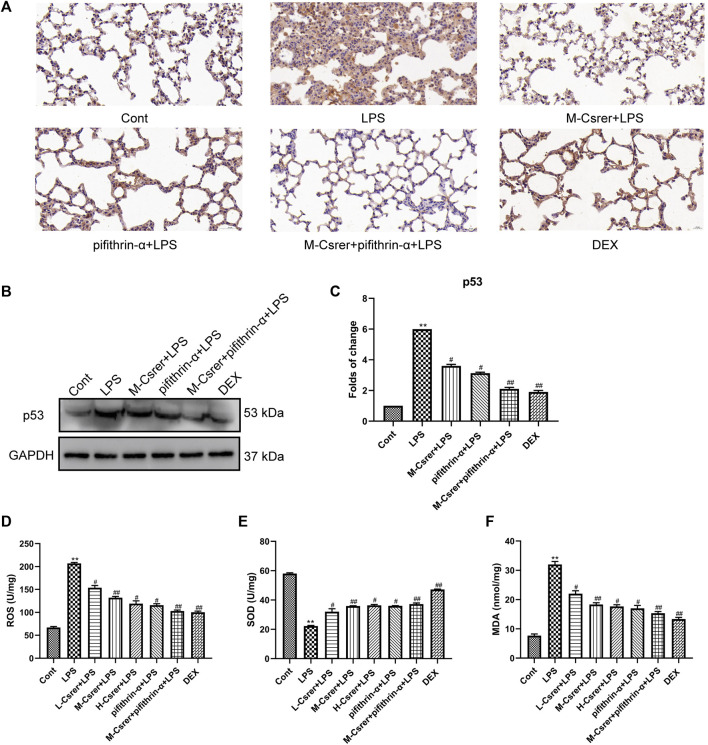 Figure 8
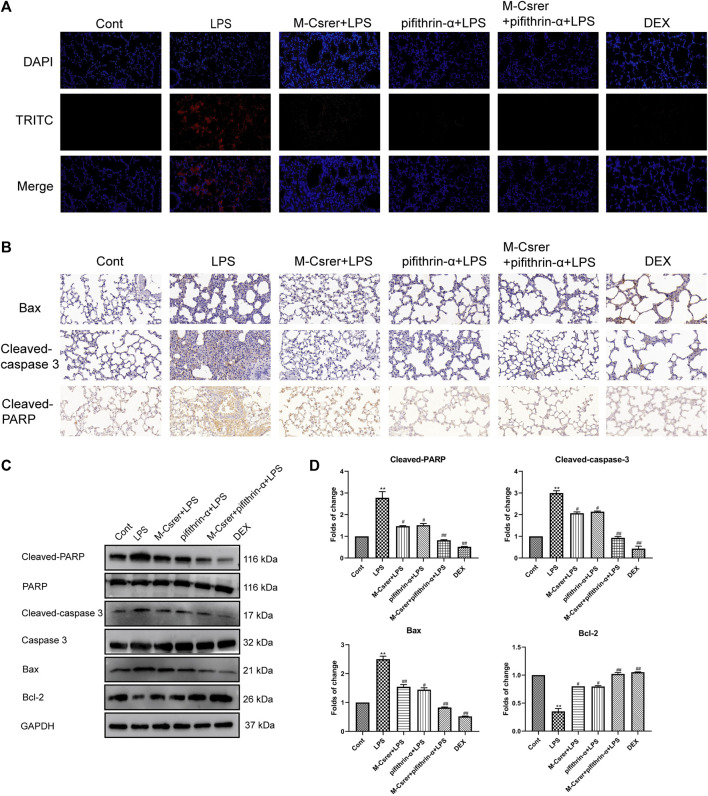 Figure 9
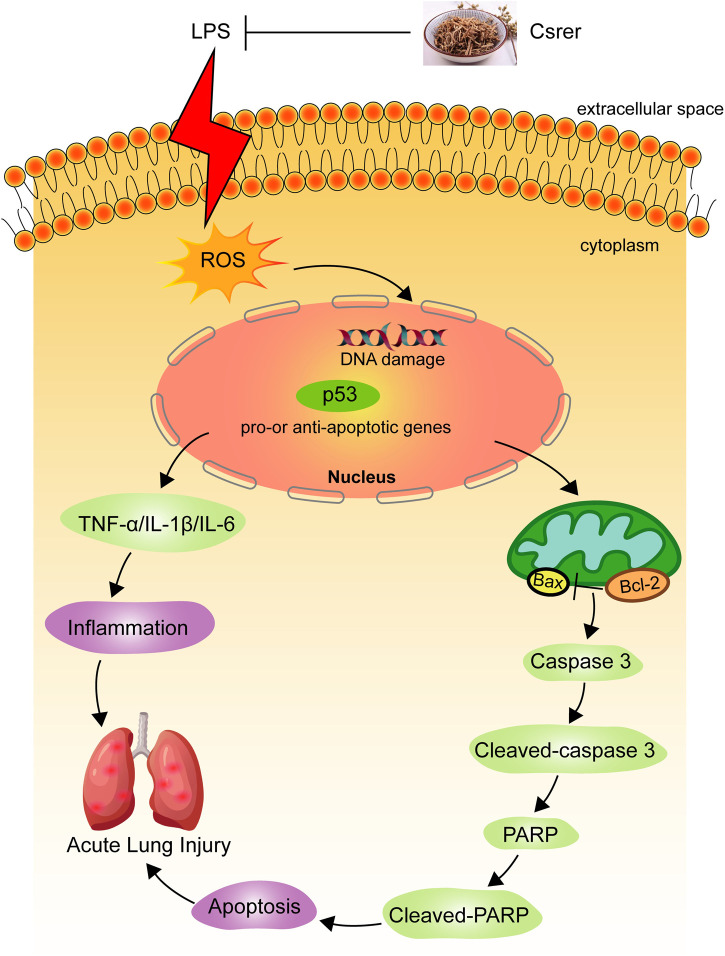 Figure 10
Peer Reviews
No public reviews on file for this paper yet. If you reviewed it on a platform where reviews are public (OpenReview, ICLR, NeurIPS, ICML), you can paste yours below so the community can read it here.
Videos
No videos yet. Explain this paper in a talk, walkthrough, or lecture? Add one.
Taxonomy
TopicsPhytochemistry and Bioactive Compounds · Natural product bioactivities and synthesis · Plant-based Medicinal Research