Unraveling the evolutionary origin of the complex Nuclear Receptor Element (cNRE), a cis-regulatory module required for preferential expression in the atrial chamber
Luana Nunes Santos, Ângela Maria Sousa Costa, Martin Nikolov, João E. Carvalho, Allysson Coelho Sampaio, Frank E. Stockdale, Gang Feng Wang, Hozana Andrade Castillo, Mariana Bortoletto Grizante, Stefanie Dudczig, Michelle Vasconcelos, Nadia Rosenthal, Patricia Regina Jusuf

TL;DR
This study identifies a 32-base-pair element in a quail gene that evolved from a viral infection and controls atrial-specific protein expression in the heart.
Contribution
The study reveals the evolutionary origin of a cis-regulatory module from a viral element that drives chamber-specific gene expression in the heart.
Findings
The cNRE element controls preferential atrial expression of the SMyHC III gene.
The cNRE evolved from an endogenous viral element in an ancestral host germline.
Atrial activation and ventricular repression motifs work together to achieve chamber-specific expression.
Abstract
Cardiac function requires appropriate proteins in each chamber. Atria requires slow myosin to act as reservoirs, while ventricles demand fast myosin for swift pumping. Myosins are thus under chamber-biased cis-regulation, with myosin gene expression imbalances leading to congenital heart dysfunction. To identify regulatory inputs leading to cardiac chamber-biased expression, we computationally and molecularly dissected the quail Slow Myosin Heavy Chain III (SMyHC III) promoter that drives preferential expression to the atria. We show that SMyHC III gene states are orchestrated by a complex Nuclear Receptor Element (cNRE) of 32 base pairs. Using transgenesis in zebrafish and mice, we demonstrate that preferential atrial expression is achieved by a combinatorial regulatory input composed of atrial activation motifs and ventricular repression motifs. Using comparative genomics, we show…
Genes, proteins, chemicals, diseases, species, mutations and cell lines named across the full text — each resolved to its canonical identifier and authoritative record.
Click any figure to enlarge with its caption.
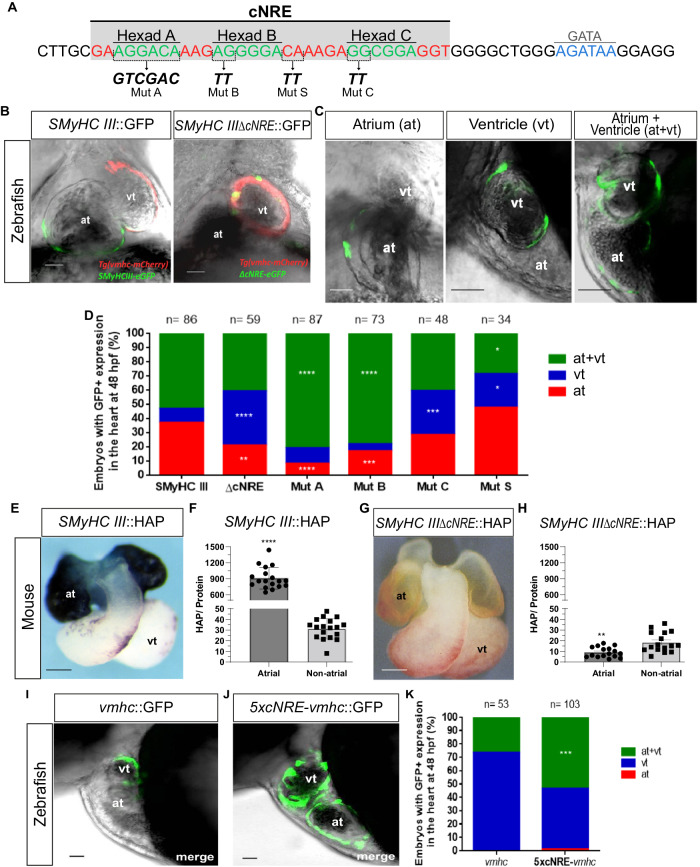 Figure 1
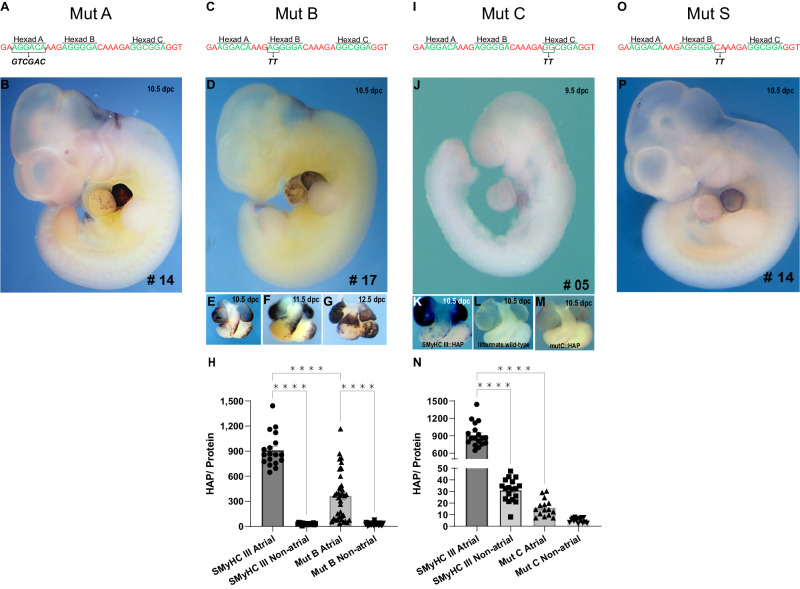 Figure 2
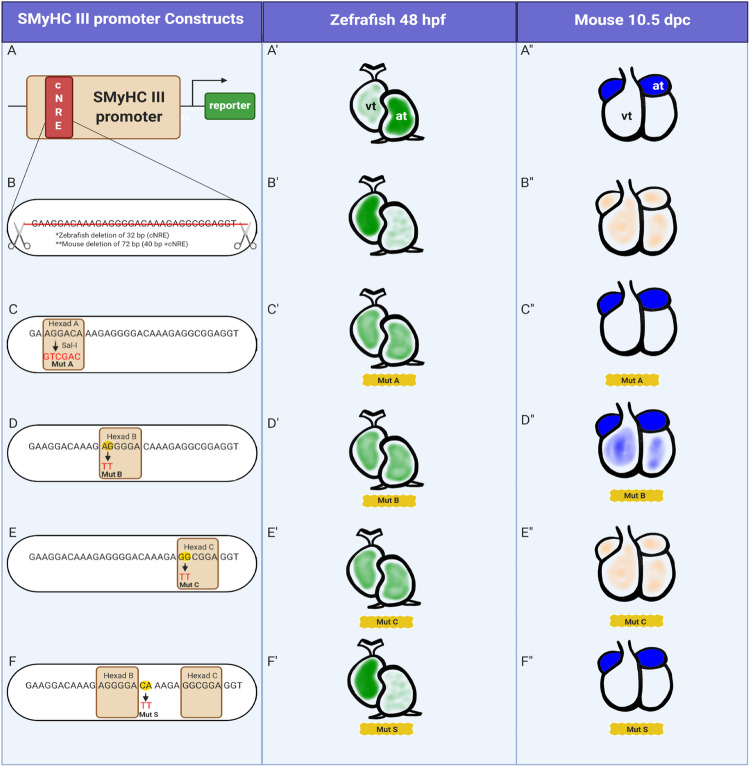 Figure 3
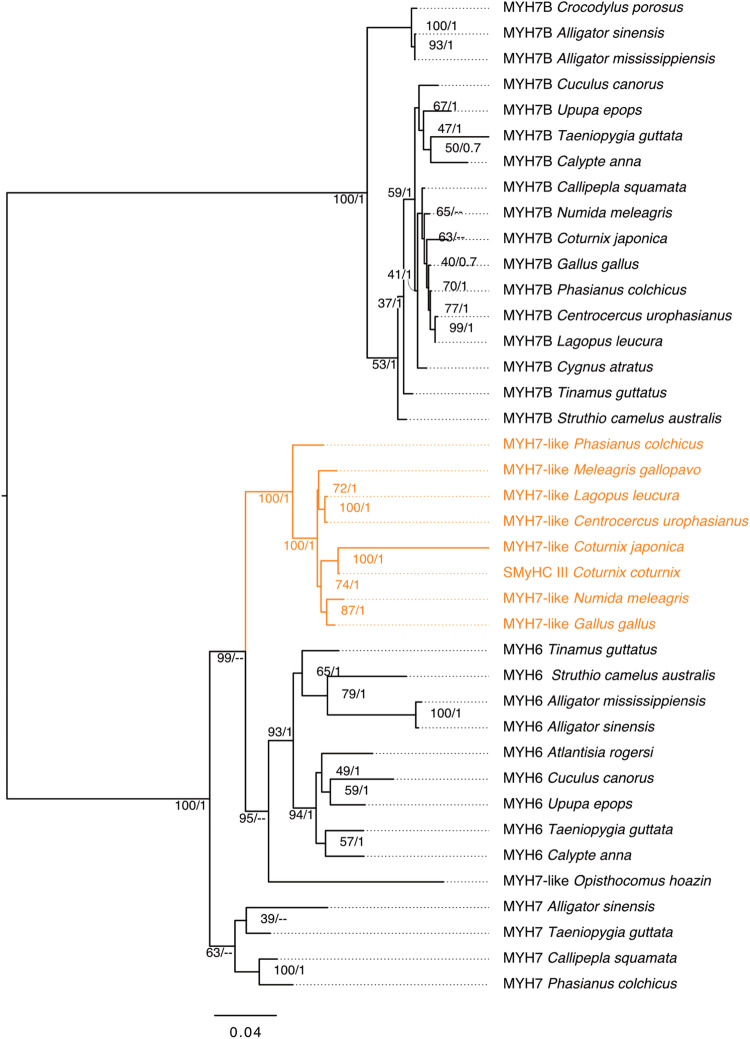 Figure 4
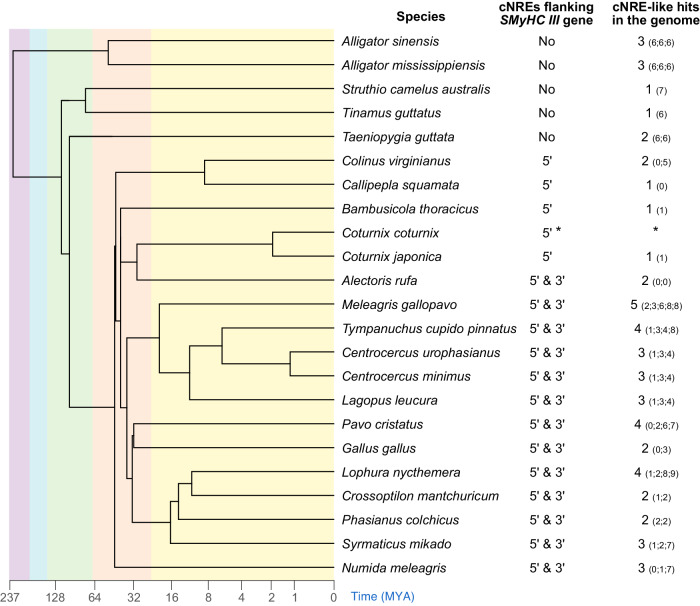 Figure 5
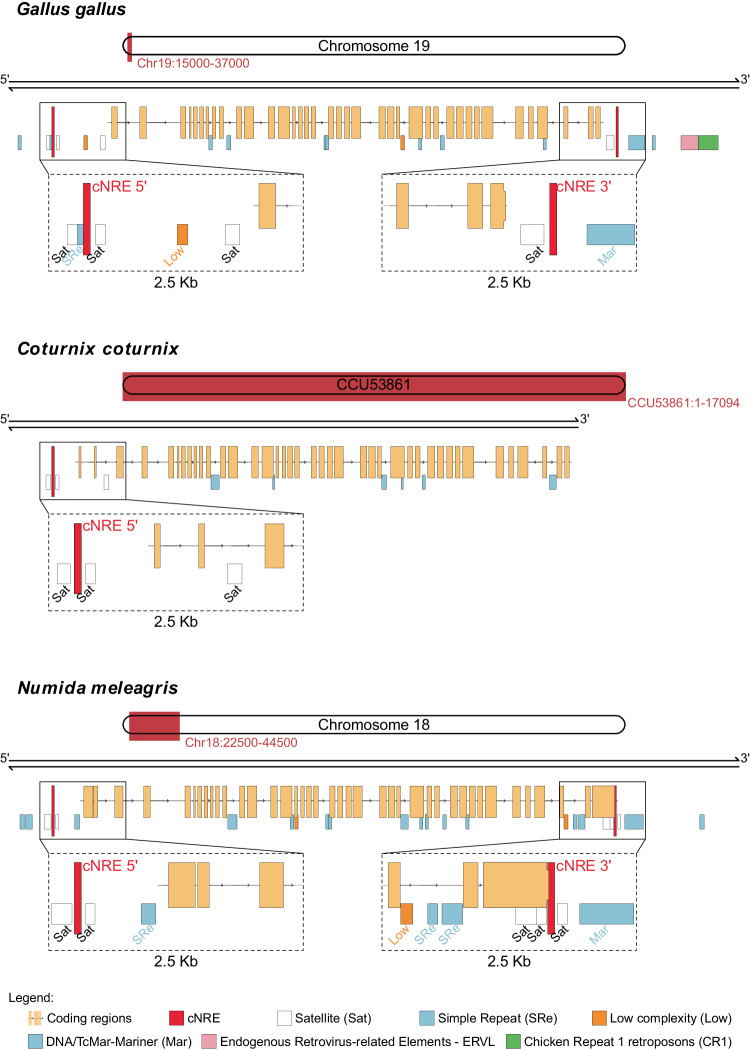 Figure 6
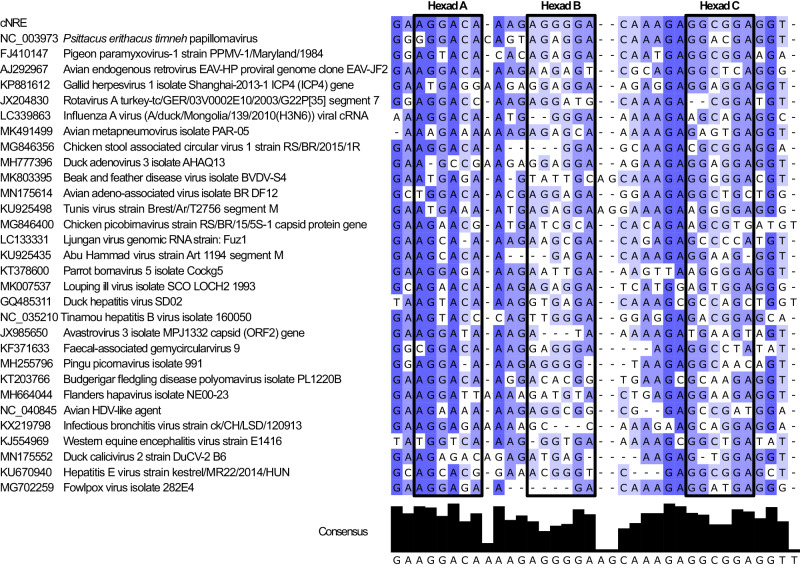 Figure 7
Peer Reviews
No public reviews on file for this paper yet. If you reviewed it on a platform where reviews are public (OpenReview, ICLR, NeurIPS, ICML), you can paste yours below so the community can read it here.
Videos
No videos yet. Explain this paper in a talk, walkthrough, or lecture? Add one.
Taxonomy
TopicsRNA Research and Splicing · RNA and protein synthesis mechanisms · Cardiomyopathy and Myosin Studies