Performance characterization and biocompatibility assessment of silicone polyurethanes for polymer heart valve applications
Bixuan Liu, Zhihua Liu, Haiyang Wei, Yana Meng, Qianwen Hou, Aili Wang, Yongkai Zhang, Enhui Han, Shengshou Hu, Jianye Zhou

TL;DR
This study evaluates four silicone polyurethane materials for heart valves, finding that higher silicon content improves biocompatibility but reduces mechanical strength.
Contribution
The study provides a detailed performance and biocompatibility comparison of four silicone polyurethanes for heart valve applications.
Findings
Higher silicon content improves biocompatibility by forming a protective layer that reduces cell and protein adsorption.
Increased silicon content leads to decreased mechanical performance, risking mechanical failure in heart valves.
Surface silicon migration enhances biological stability but compromises mechanical strength.
Abstract
Silicone polyurethanes have gained widespread application in the biomedical field due to their excellent biocompatibility. This study comprehensively investigates four silicone polyurethane materials suitable for polymer heart valves, each exhibiting distinct chemical compositions and structural characteristics, leading to significant differences, particularly in mechanical performance and biocompatibility. Surface analysis reveals an elevated surface silicon element content in all materials compared to the bulk, indicating a migration of silicon elements towards the surface, providing a structural basis for enhancing biological stability and biocompatibility. However, higher silicon content leads to a decrease in mechanical performance, potentially resulting in mechanical failure and rupture in artificial heart valves. Concerning biocompatibility, an increase in silicone content…
Genes, proteins, chemicals, diseases, species, mutations and cell lines named across the full text — each resolved to its canonical identifier and authoritative record.
Click any figure to enlarge with its caption.
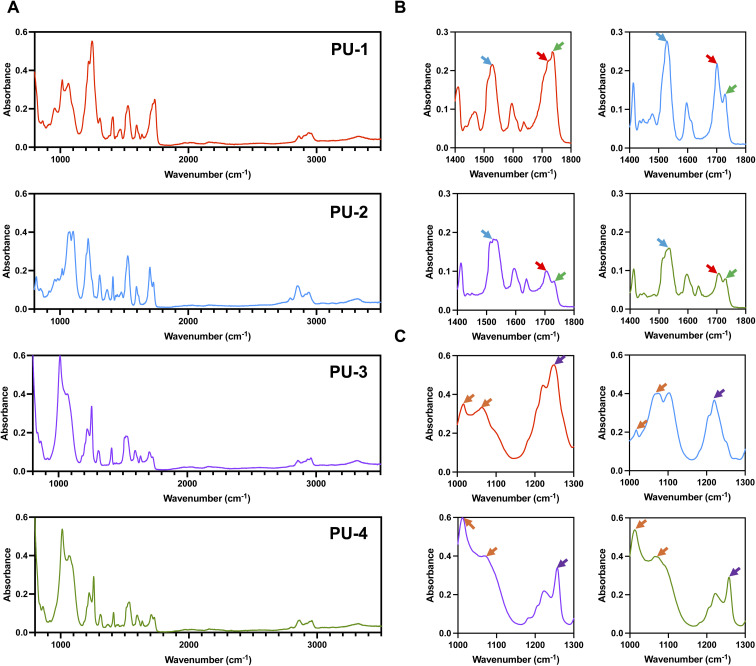 Figure 1
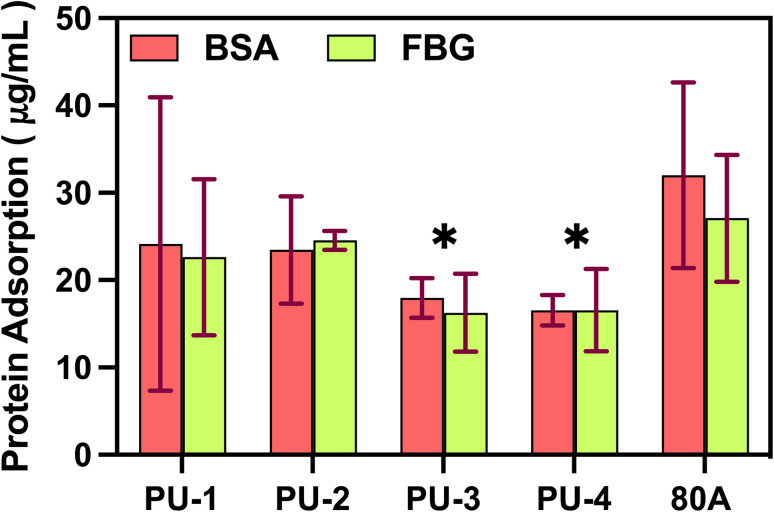 Figure 2
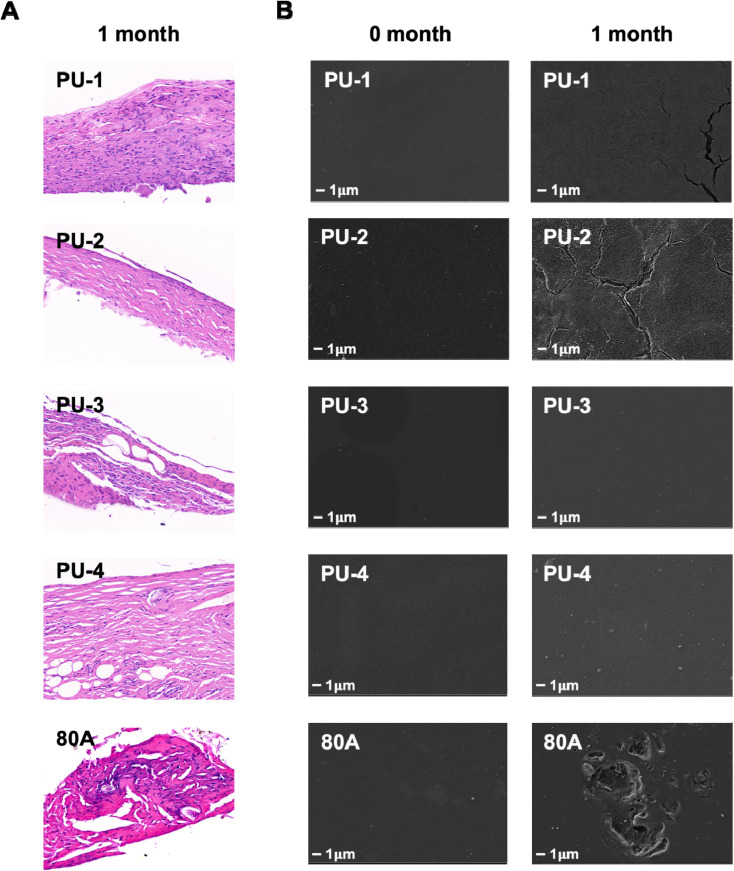 Figure 3
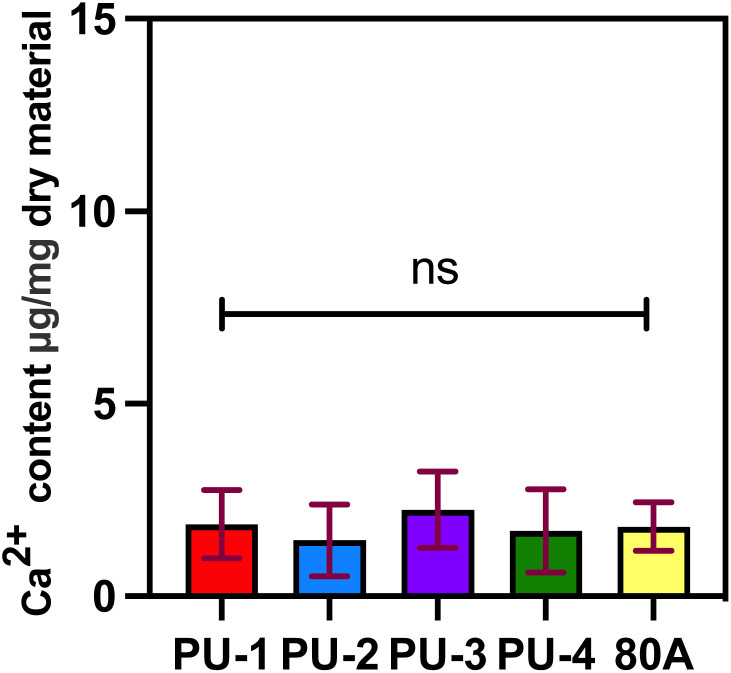 Figure 4
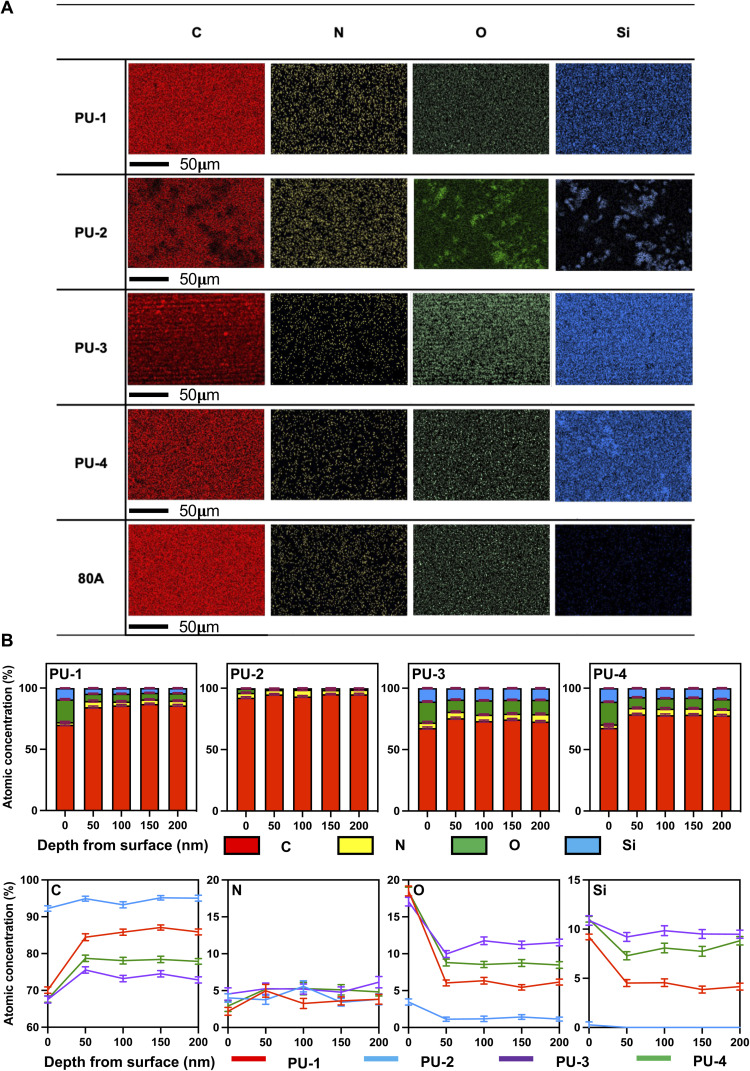 Figure 5
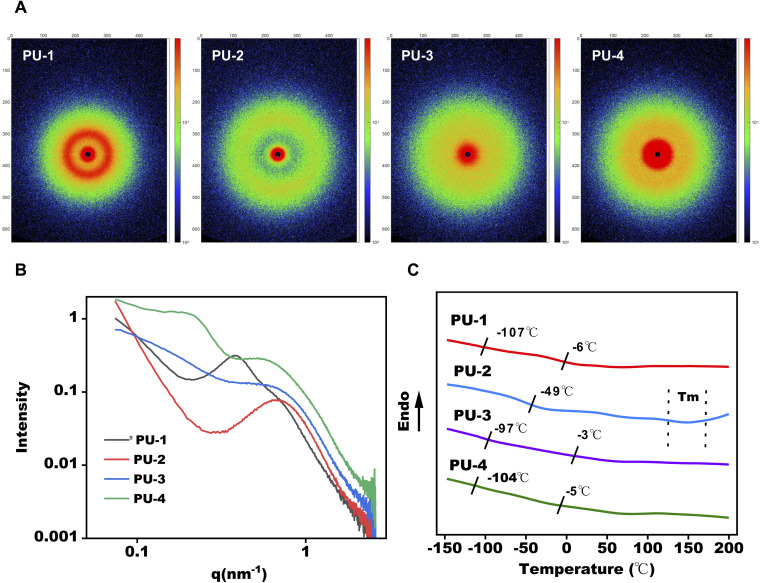 Figure 6
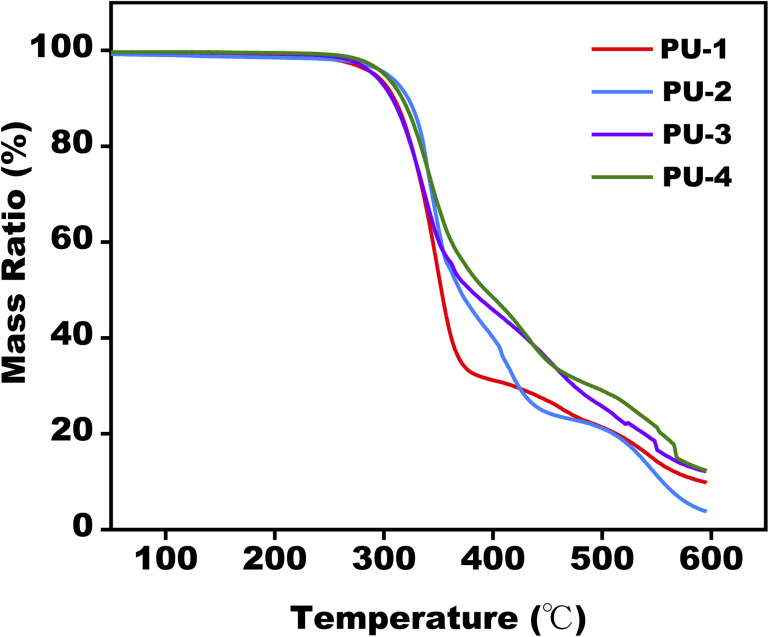 Figure 7
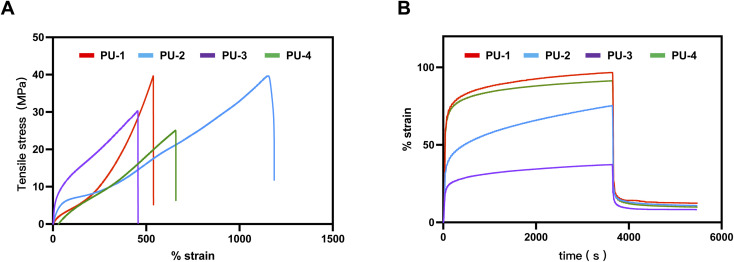 Figure 8
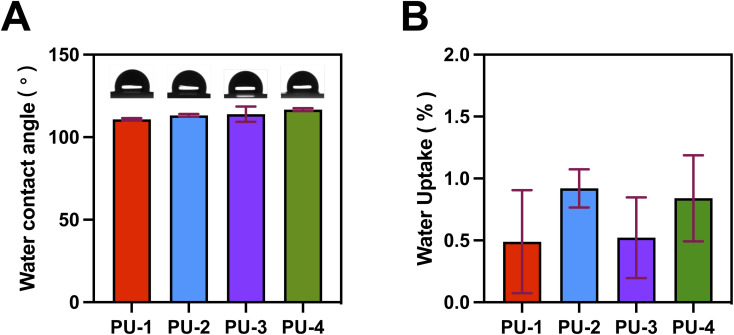 Figure 9
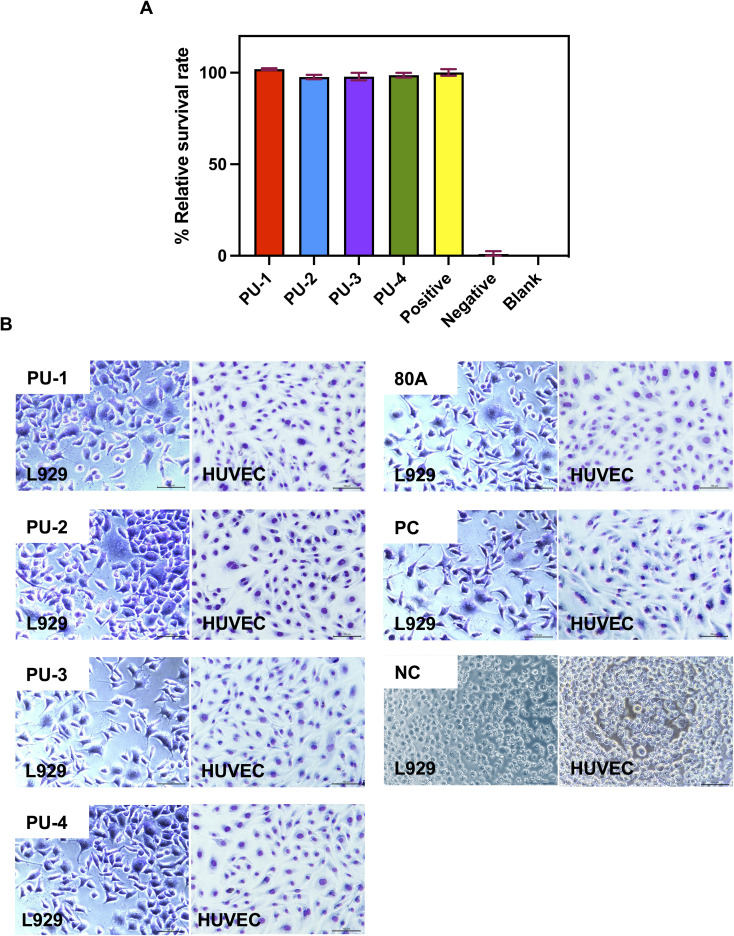 Figure 10
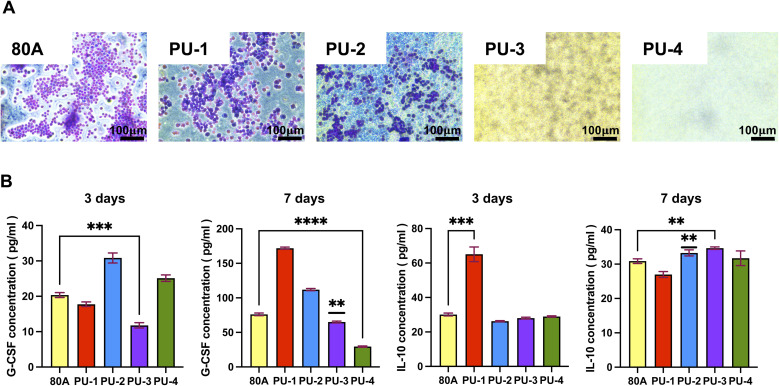 Figure 11
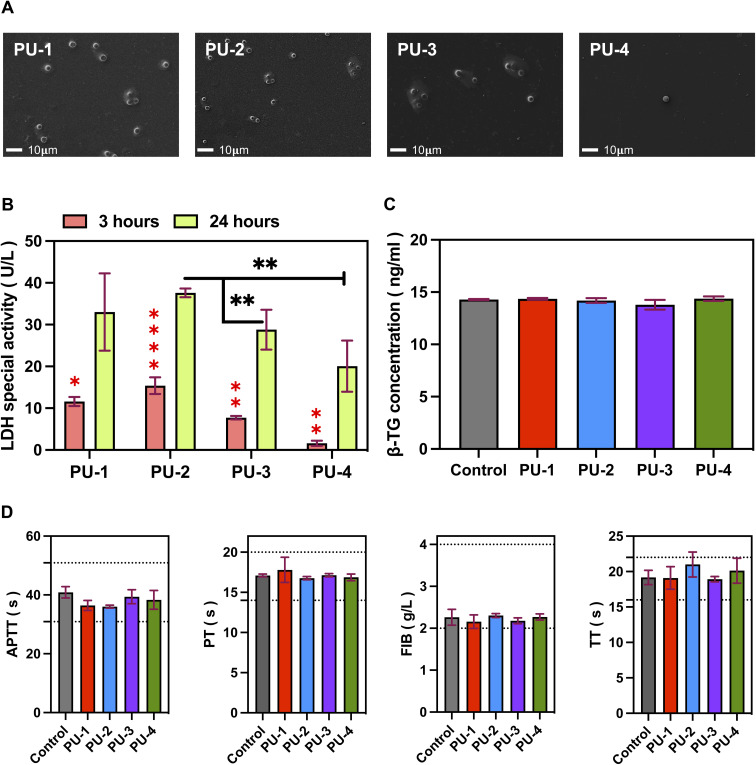 Figure 12
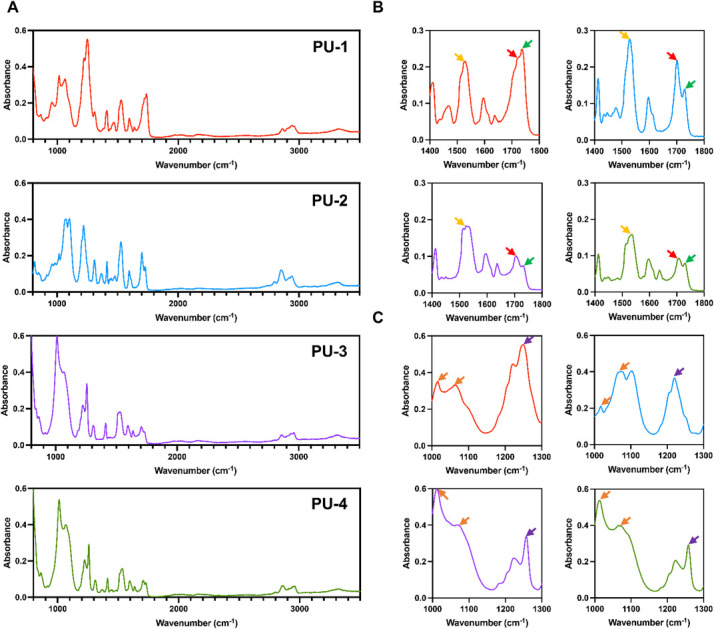 Figure 13
Peer Reviews
No public reviews on file for this paper yet. If you reviewed it on a platform where reviews are public (OpenReview, ICLR, NeurIPS, ICML), you can paste yours below so the community can read it here.
Videos
No videos yet. Explain this paper in a talk, walkthrough, or lecture? Add one.
Taxonomy
TopicsPolymer composites and self-healing · Electrospun Nanofibers in Biomedical Applications · Cardiac Valve Diseases and Treatments