Desmin gene expression is not ubiquitous in all upper airway myofibers and the pattern differs between healthy and sleep apnea subjects
Per Stål, Hanna Nord, Jonas von Hofsten, Thorbjörn Holmlund, Farhan Shah

TL;DR
This study shows that some muscle fibers in the soft palate lack desmin, a key muscle protein, and that this pattern differs between healthy people and those with sleep apnea.
Contribution
The study identifies a novel muscle fiber phenotype lacking desmin mRNA and protein in the upper airway, with differences observed in sleep apnea patients.
Findings
Some muscle fibers in the soft palate lack both desmin mRNA and protein in both healthy and sleep apnea subjects.
OSA patients show desmin protein aggregates and altered mRNA distribution in affected muscle fibers.
RT–qPCR revealed higher overall desmin mRNA levels in OSA patients compared to healthy subjects.
Abstract
Desmin is a major cytoskeletal protein considered ubiquitous in mature muscle fibers. However, we earlier reported that a subgroup of muscle fibers in the soft palate of healthy subjects and obstructive sleep apnea patients (OSA) lacked immunoexpression for desmin. This raised the question of whether these fibers also lack messenger ribonucleic acid (mRNA) for desmin and can be considered a novel fiber phenotype. Moreover, some fibers in the OSA patients had an abnormal distribution and aggregates of desmin. Thus, the aim of the study was to investigate if these desmin protein abnormalities are also reflected in the expression of desmin mRNA in an upper airway muscle of healthy subjects and OSA patients. Muscle biopsies from the musculus uvulae in the soft palate were obtained from ten healthy male subjects and six male patients with OSA. Overnight sleep apnea registrations were done…
Genes, proteins, chemicals, diseases, species, mutations and cell lines named across the full text — each resolved to its canonical identifier and authoritative record.
Click any figure to enlarge with its caption.
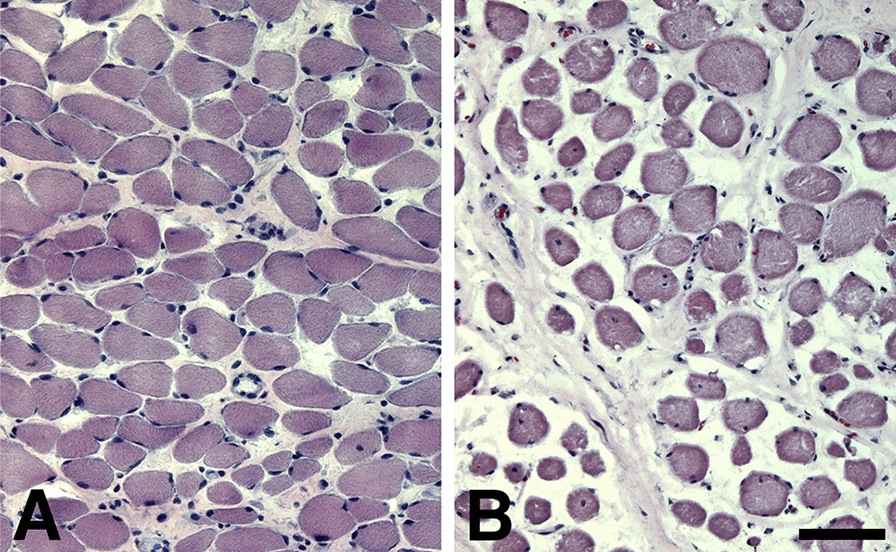 Figure 1
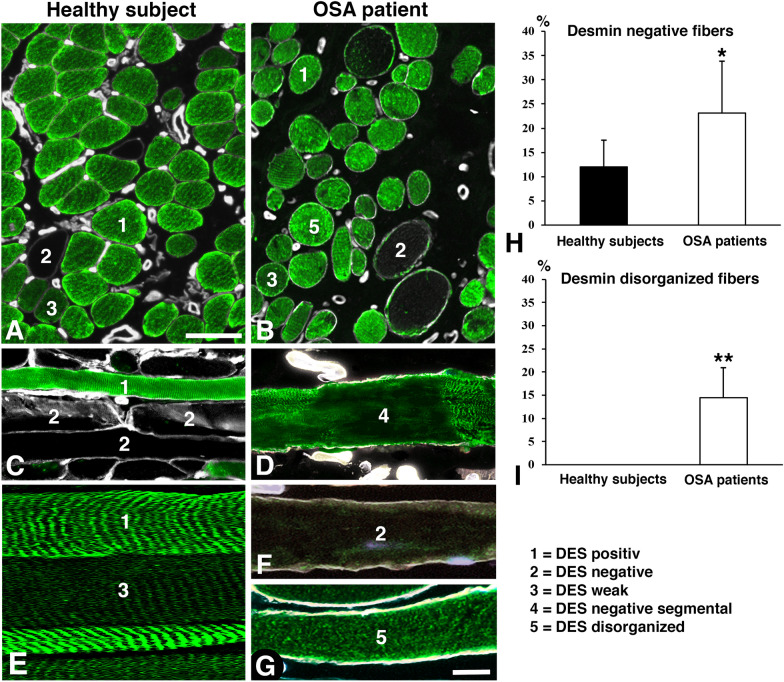 Figure 2
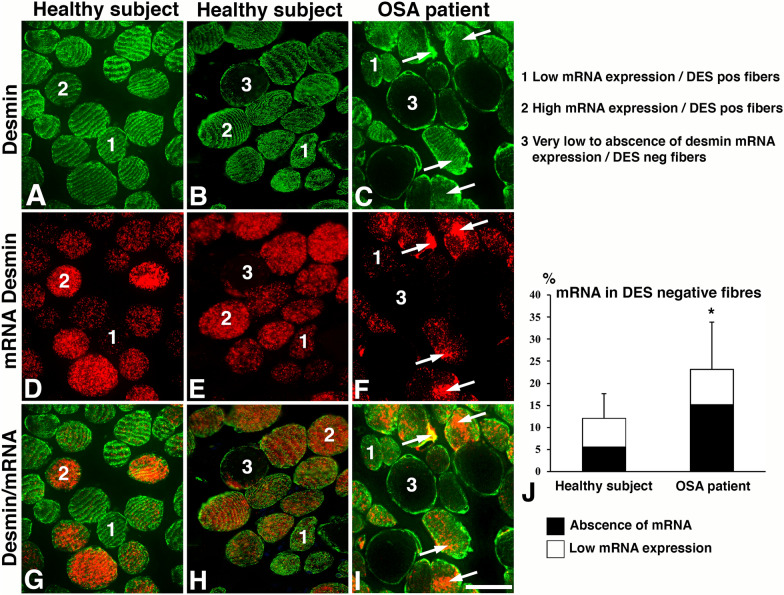 Figure 3
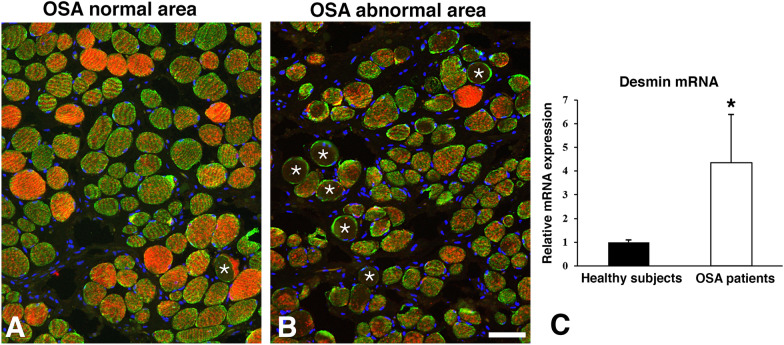 Figure 4
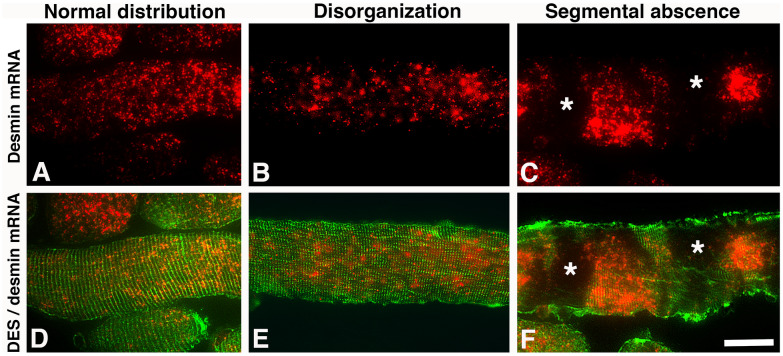 Figure 5
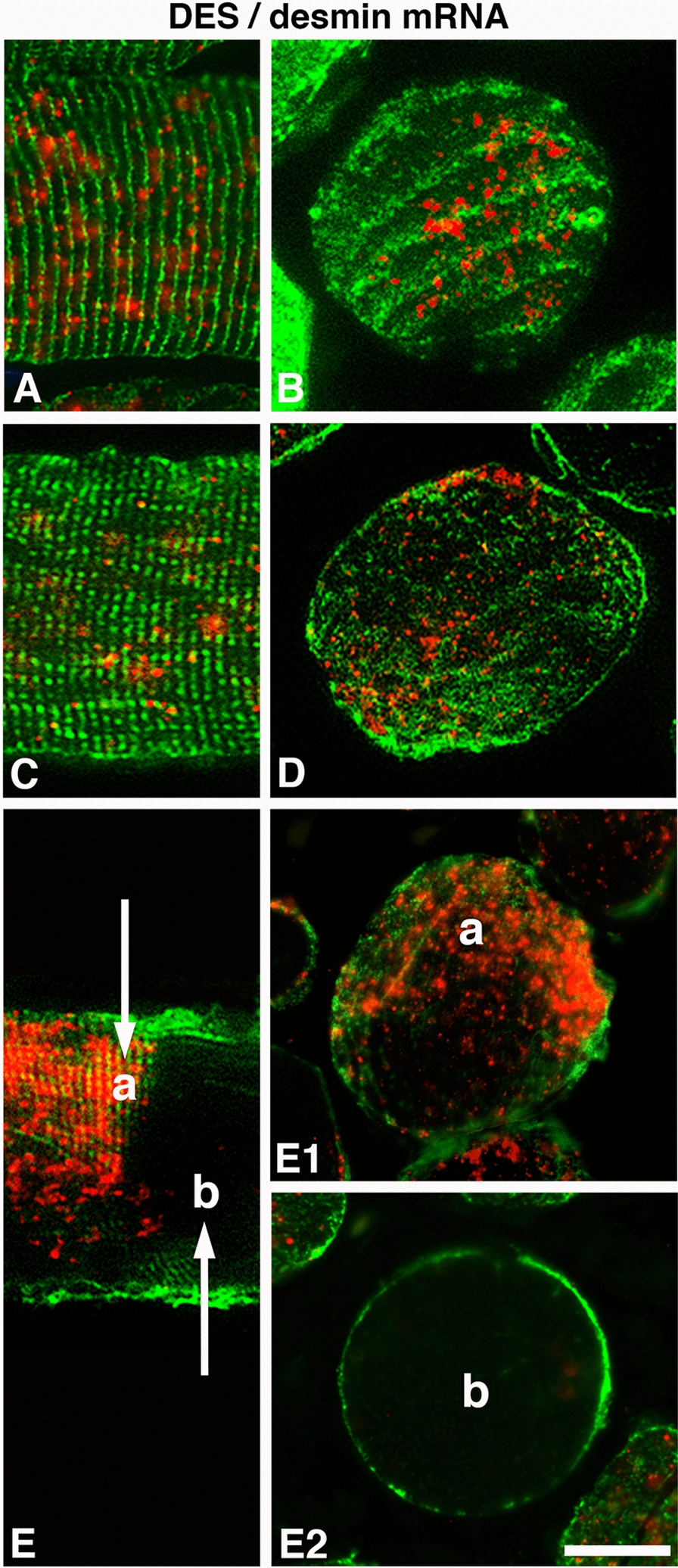 Figure 6
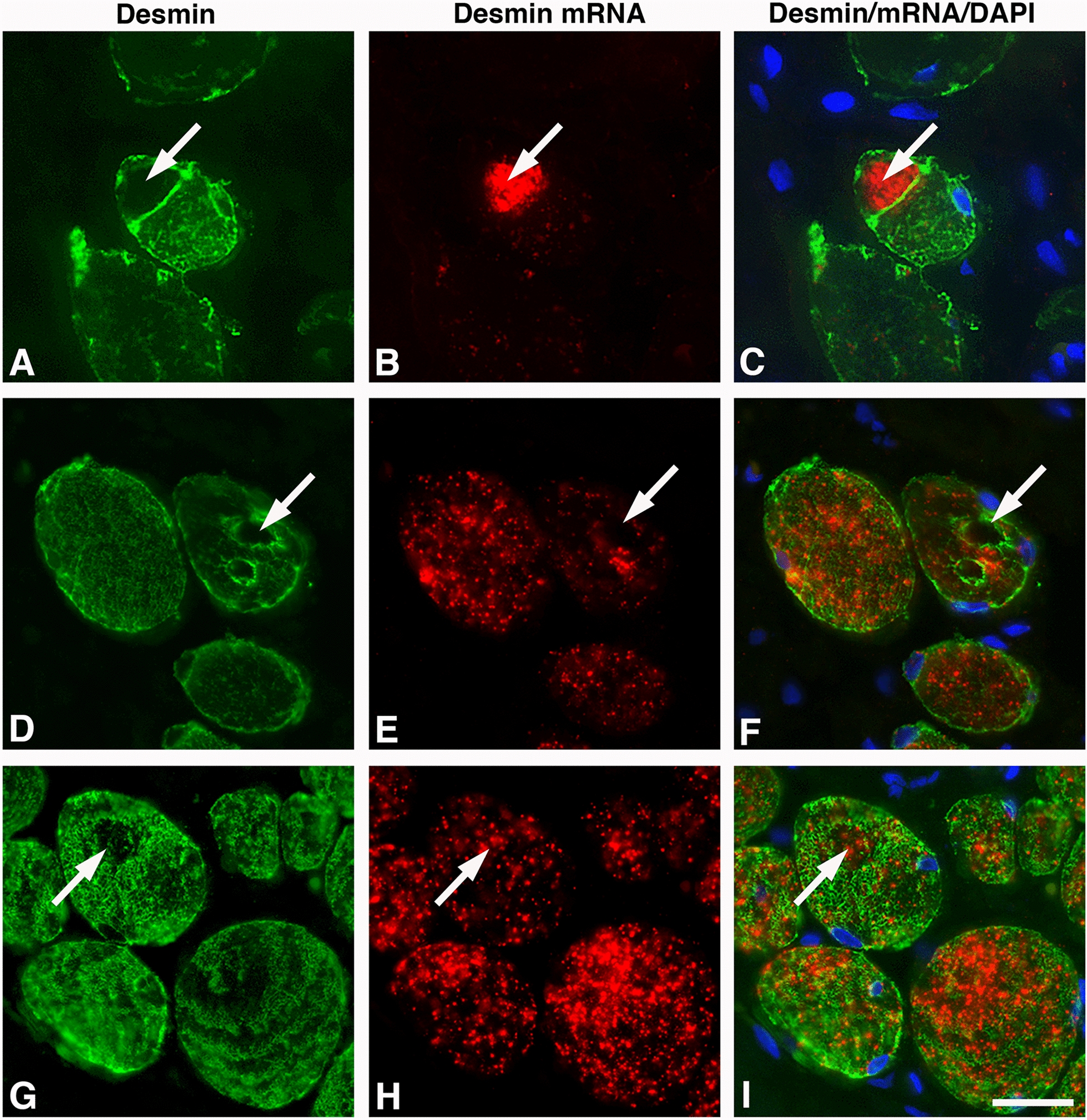 Figure 7
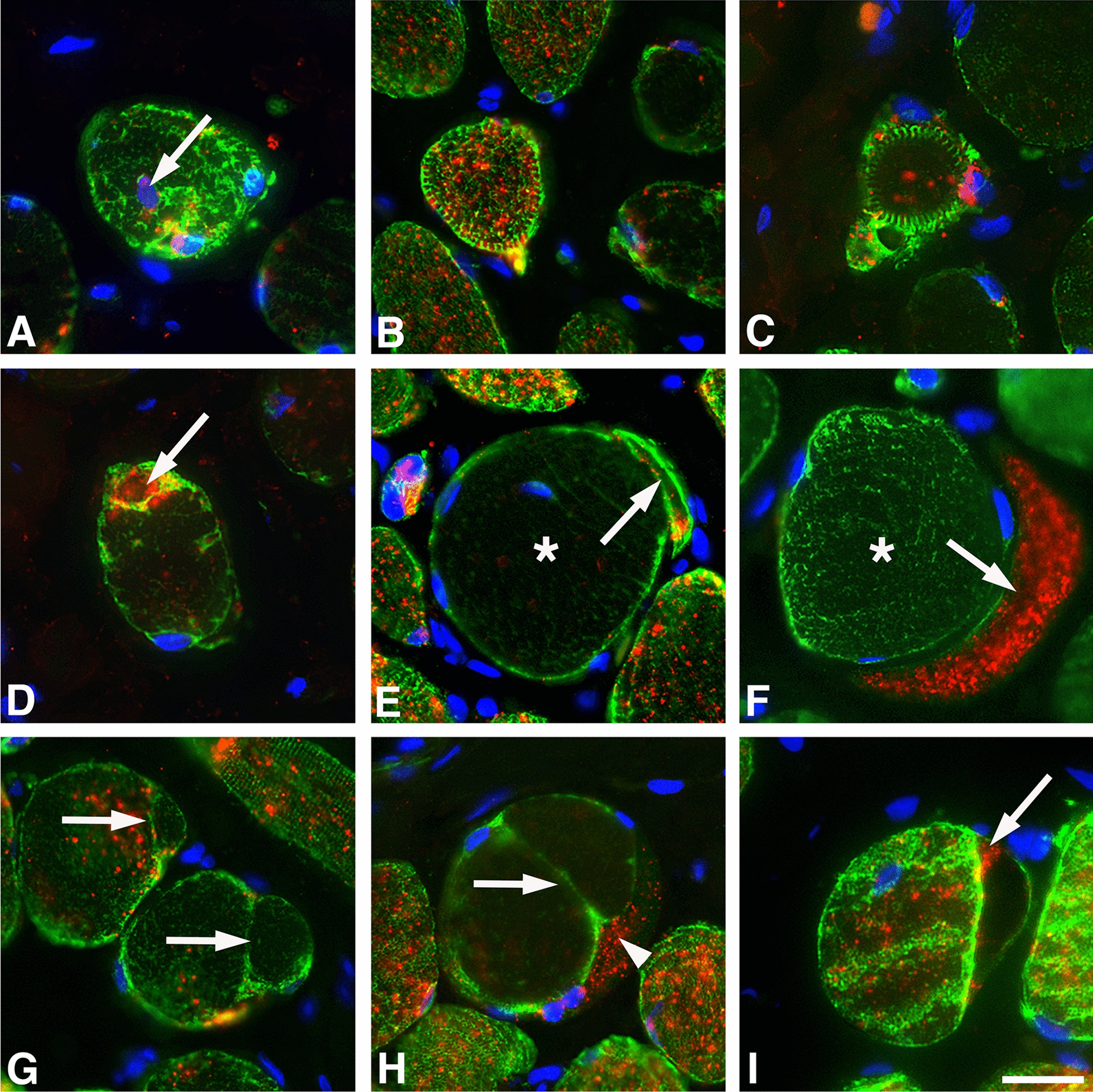 Figure 8
Peer Reviews
No public reviews on file for this paper yet. If you reviewed it on a platform where reviews are public (OpenReview, ICLR, NeurIPS, ICML), you can paste yours below so the community can read it here.
Videos
No videos yet. Explain this paper in a talk, walkthrough, or lecture? Add one.
Taxonomy
TopicsMuscle Physiology and Disorders · Skin and Cellular Biology Research · Neurogenetic and Muscular Disorders Research