circular RNA circ-231 promotes protein biogenesis of TPI1 and PRDX6 through mediating the interaction of eIF4A3 with STAU1 to facilitate unwinding of secondary structure in 5′ UTR, enhancing progression of human esophageal squamous cell carcinoma (ESCC)
Guo-Wei Huang, Ti-Qun Yang, Qian-Qian Chen, Xing-Mu Liu, Ling-Hui Xie, Wei Huang, Xue-Ling Chen, Yi-Qun Geng, Jiang Gu

TL;DR
This study shows how a circular RNA called circ-231 helps cancer cells grow by aiding in protein production through interactions with specific RNA proteins.
Contribution
The study reveals a novel mechanism where circ-231 promotes cancer progression by mediating eIF4A3 and STAU1 interactions to unwind RNA structures.
Findings
circ-231 interacts with eIF4A3 to control protein expression of TPI1 and PRDX6 in ESCC.
circ-231 promotes eIF4A3 and STAU1 interaction to unwind 5′ UTR secondary structures.
Higher circ-231 expression in ESCC correlates with lymph node metastasis and cancer progression.
Abstract
Background: The nuclear cap-binding complex (CBC)-dependent translation (CT) is an important initial translation pathway for 5′-cap-dependent translation in normal mammal cells. Eukaryotic translation initiation factor 4A-III (eIF4A3), as an RNA helicase, is recruited to CT complex and enhances CT efficiency through participating in unwinding of secondary structure in the 5′ UTR. However, the detailed mechanism for eIF4A3 implicated in unwinding of secondary structure in the 5′ UTR in normal mammal cells is still unclear. Specially, we need to investigate whether the kind of mechanism in normal mammal cells extrapolates to cancer cells, e.g. ESCC, and further interrogate whether and how the mechanism triggers malignant phenotype of ESCC, which are important for identifying a potential therapeutic target for patients with ESCC. Methods: Bioinformatics analysis, RNA immunoprecipitation…
Genes, proteins, chemicals, diseases, species, mutations and cell lines named across the full text — each resolved to its canonical identifier and authoritative record.
Click any figure to enlarge with its caption.
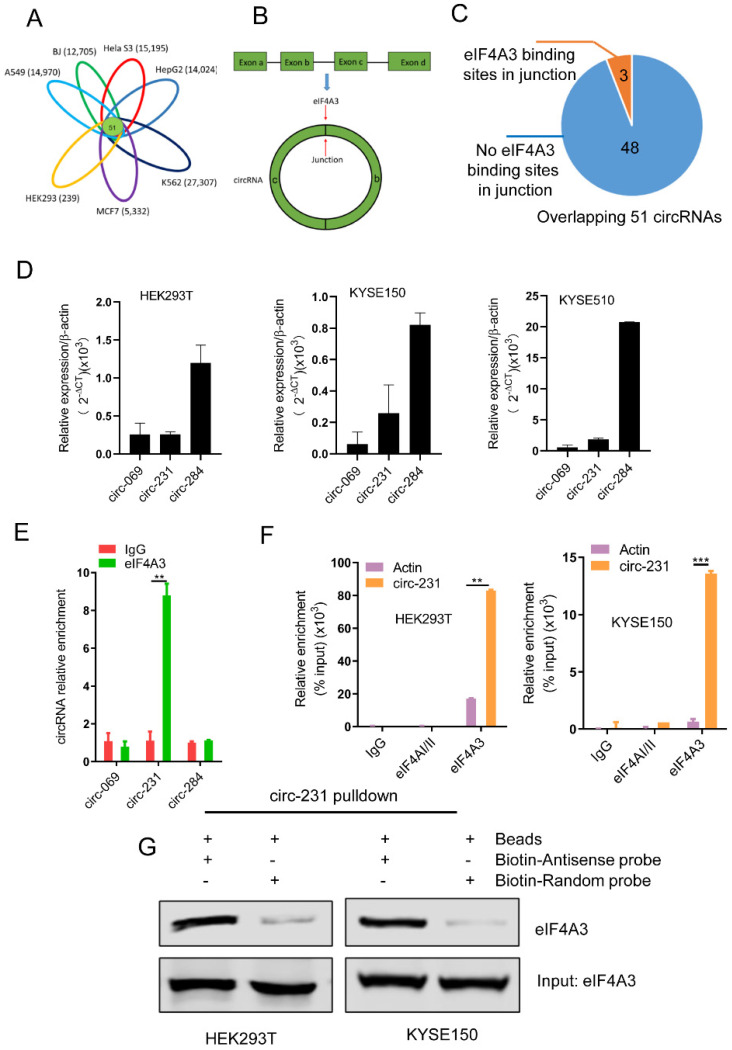 Figure 1
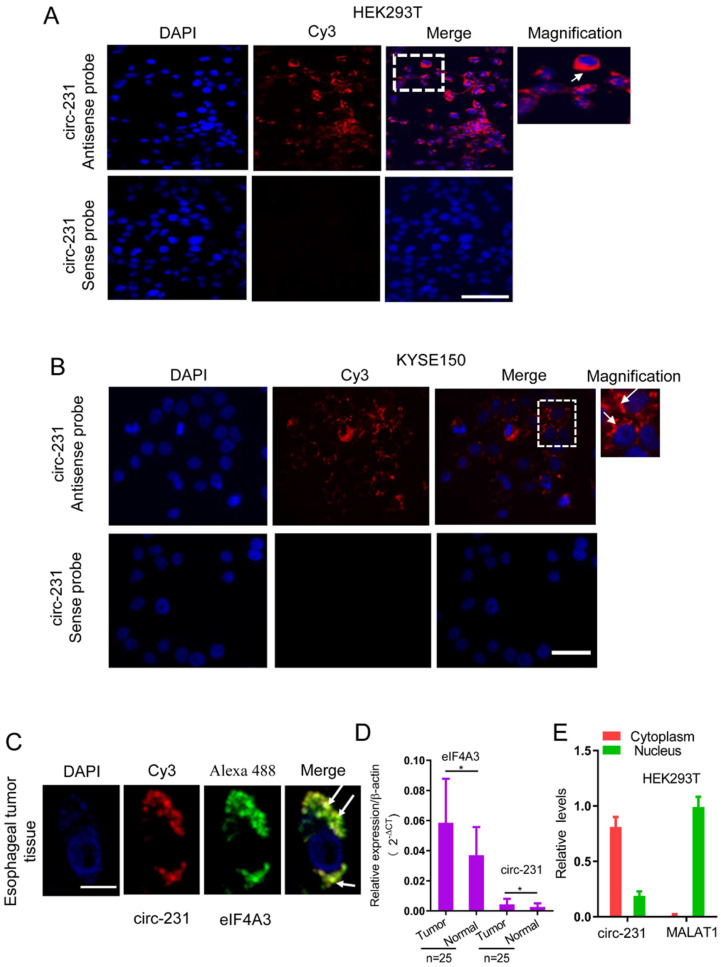 Figure 2
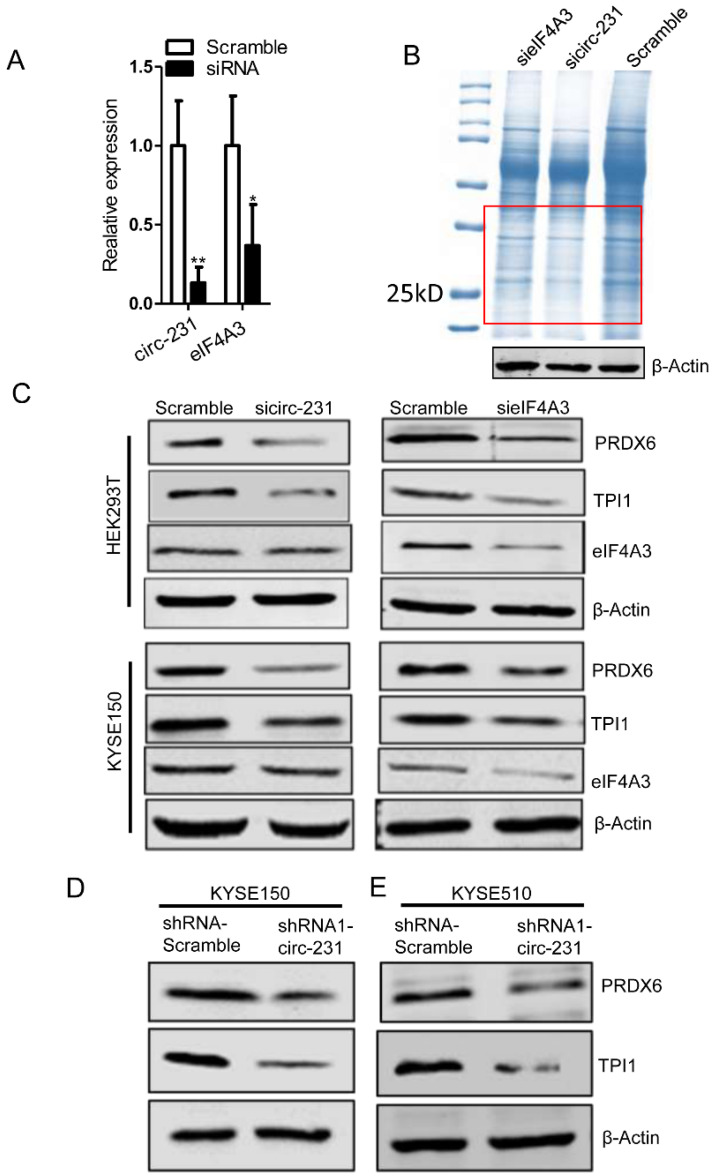 Figure 3
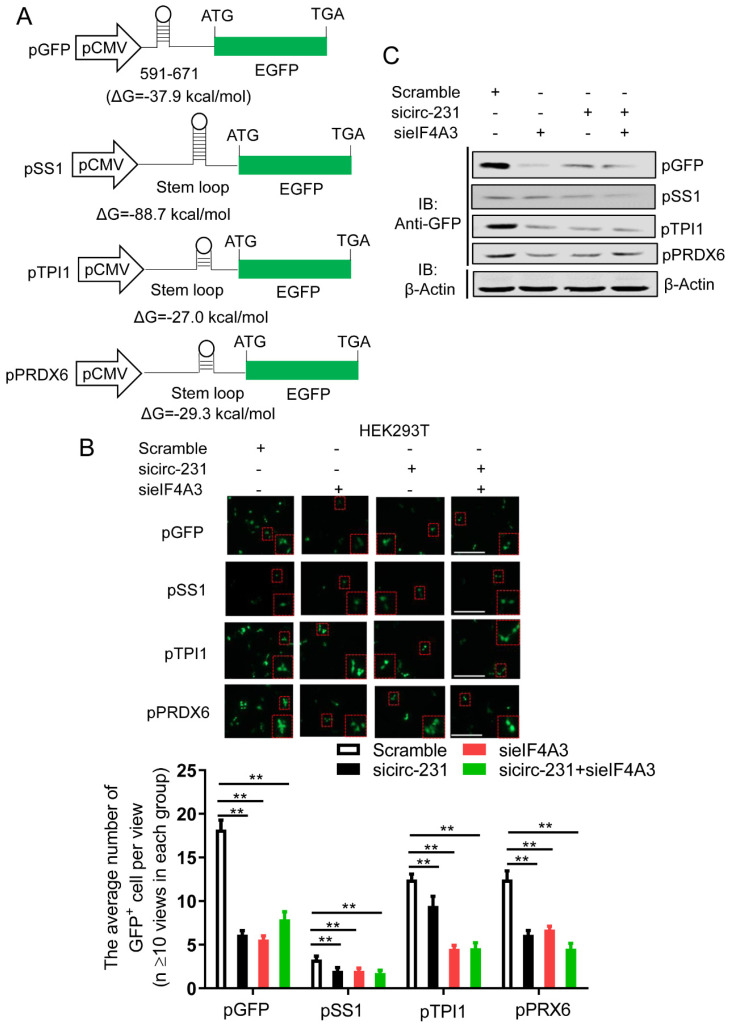 Figure 4
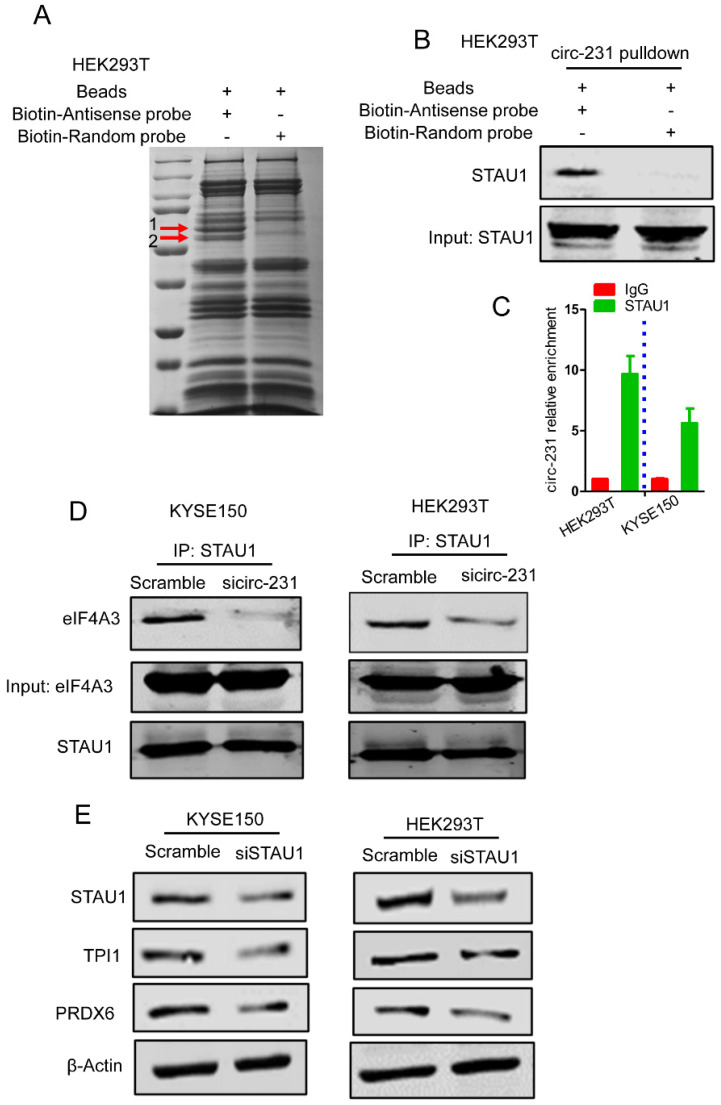 Figure 5
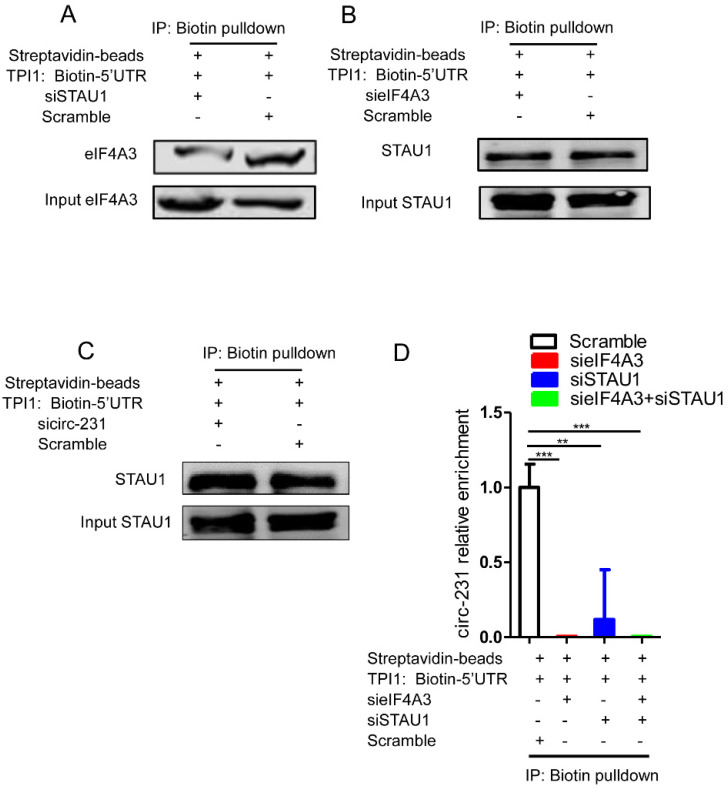 Figure 6
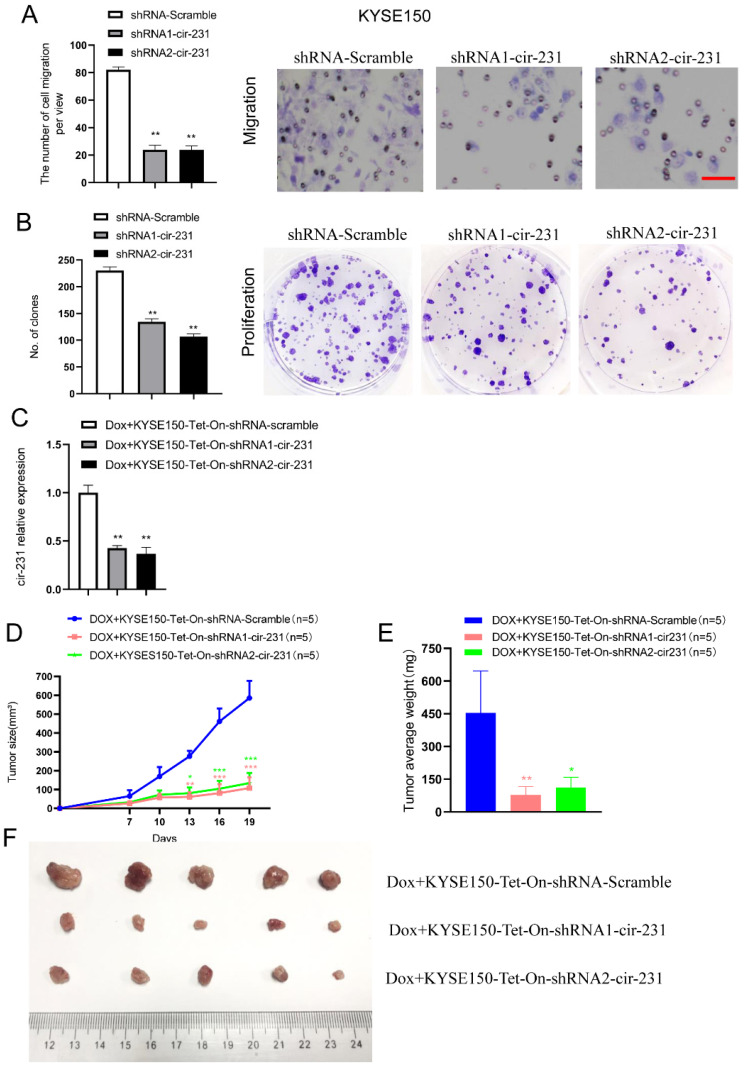 Figure 7
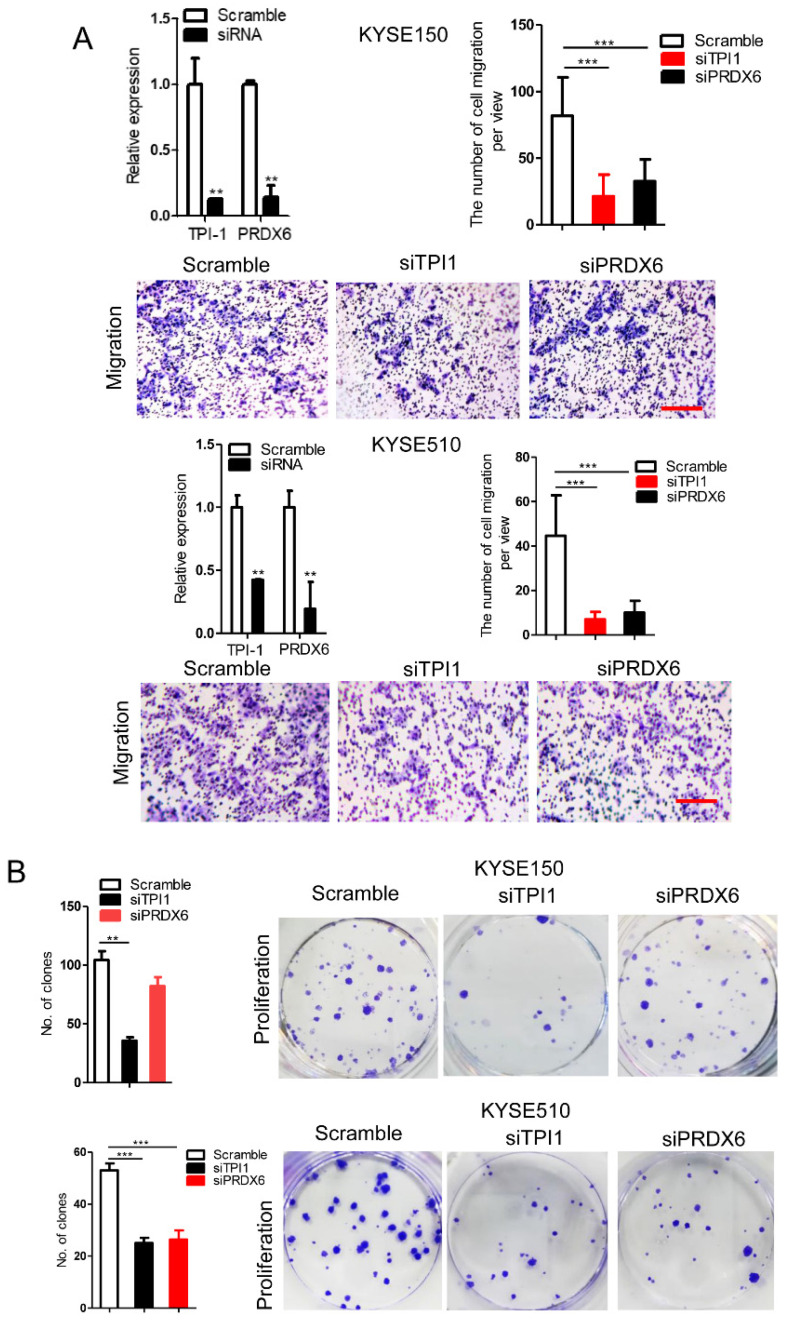 Figure 8
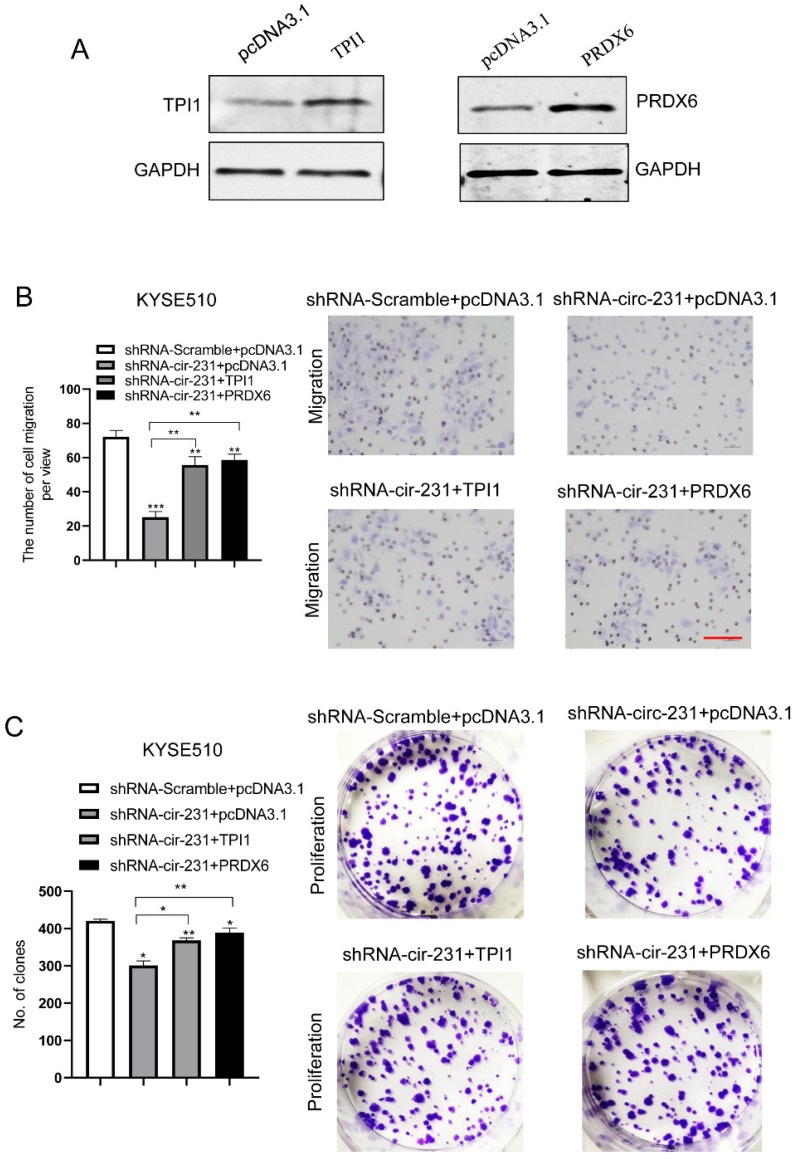 Figure 9
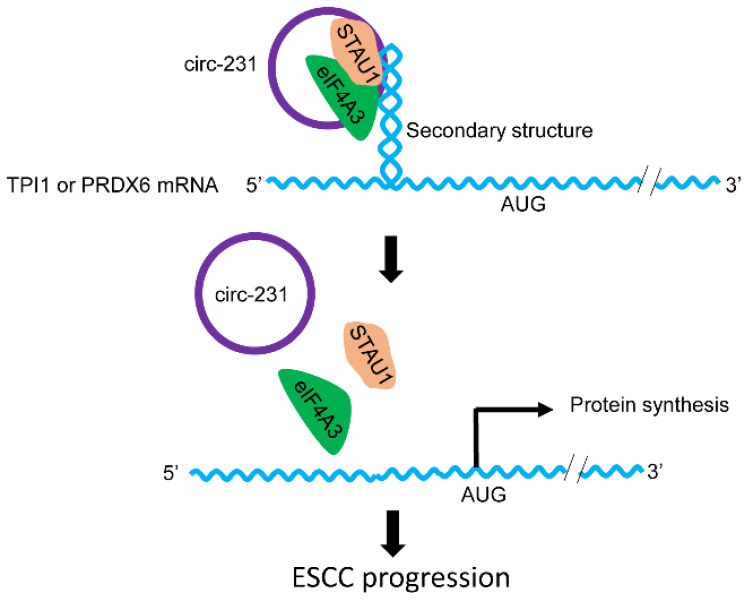 Figure 10
Peer Reviews
No public reviews on file for this paper yet. If you reviewed it on a platform where reviews are public (OpenReview, ICLR, NeurIPS, ICML), you can paste yours below so the community can read it here.
Videos
No videos yet. Explain this paper in a talk, walkthrough, or lecture? Add one.
Taxonomy
TopicsRegional Socio-Economic Development Trends · Historical Geography and Cartography