Successful Endoscopic Retrograde Appendicitis Therapy Following a Recent ST-Elevation Myocardial Infarction
Zoilo K. Suarez, Jalal Samhoun, Joshua Drourr, Talwinder Nagi, Muhammad A. Haider, Charles Vallejo, Zahra Touqir, David Forcione

TL;DR
A 59-year-old man with a recent heart attack successfully had his appendicitis treated with a new endoscopic method instead of surgery.
Contribution
Demonstrates successful use of endoscopic retrograde appendicitis therapy in a high-risk cardiac patient.
Findings
Endoscopic retrograde appendicitis therapy was effective in treating appendicitis in a post-heart attack patient.
The patient avoided the risks of surgery due to his recent cardiac event.
This case highlights a potential alternative to traditional appendectomy in high-risk individuals.
Abstract
Acute appendicitis is one of the most common abdominal surgical emergencies. A laparoscopic or open appendectomy has traditionally been the gold standard. Antibiotic therapy has recently been found to be noninferior. The treatment of acute uncomplicated appendicitis remains a challenge, especially in the presence of an appendicolith. We present a case of a 59-year-old man with recent ST-elevation myocardial infarction who underwent successful endoscopic retrograde appendicitis therapy.
Genes, proteins, chemicals, diseases, species, mutations and cell lines named across the full text — each resolved to its canonical identifier and authoritative record.
Click any figure to enlarge with its caption.
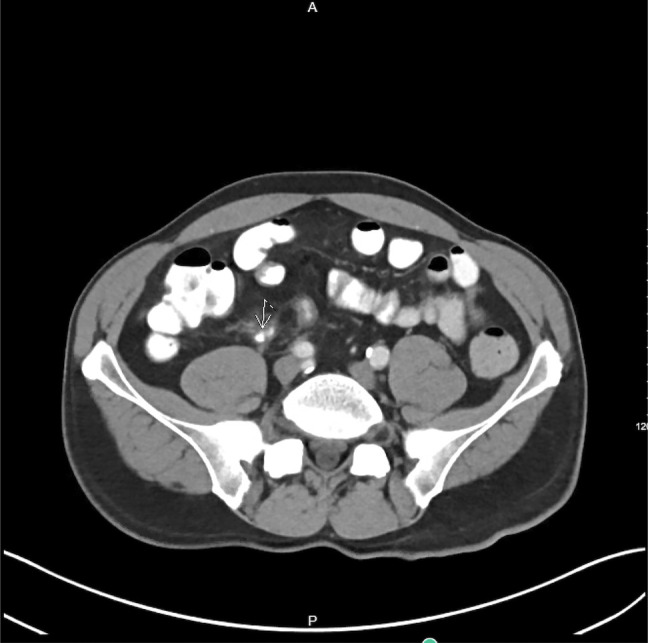 Figure 1
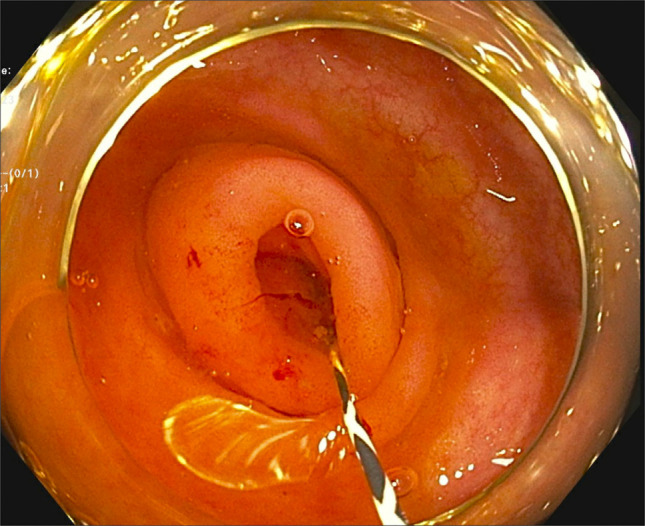 Figure 2
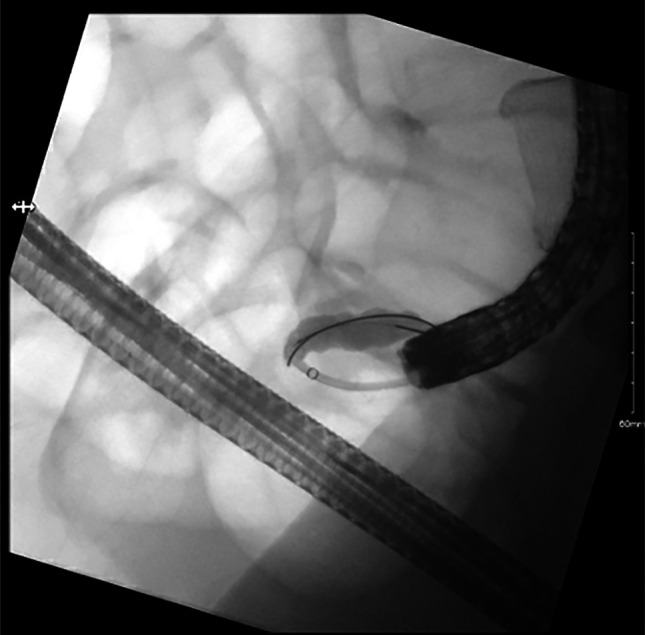 Figure 3
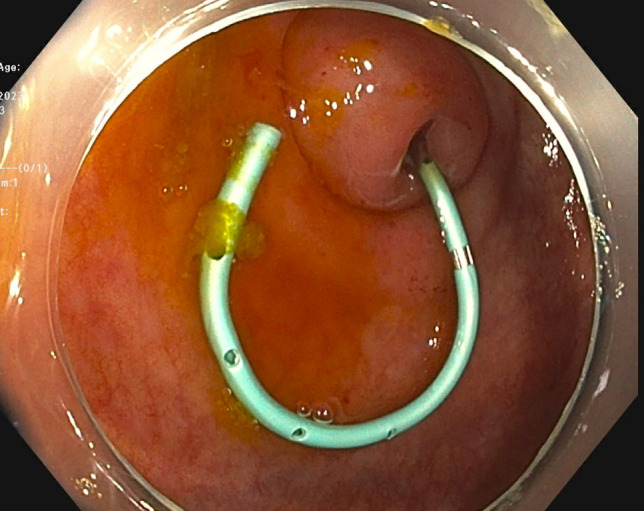 Figure 4
Peer Reviews
No public reviews on file for this paper yet. If you reviewed it on a platform where reviews are public (OpenReview, ICLR, NeurIPS, ICML), you can paste yours below so the community can read it here.
Videos
No videos yet. Explain this paper in a talk, walkthrough, or lecture? Add one.
Taxonomy
TopicsAppendicitis Diagnosis and Management · Intraperitoneal and Appendiceal Malignancies · Diverticular Disease and Complications