A spider mating plug functions to protect sperm
He Jiang, Yongjia Zhan, Qingqing Wu, Huitao Zhang, Matjaž Kuntner, Lihong Tu, Myeongwoo Lee, Myeongwoo Lee, Myeongwoo Lee, Myeongwoo Lee

TL;DR
This study shows that spider mating plugs may protect sperm from leaking and drying out, in addition to preventing females from mating again.
Contribution
The study reveals that mating plugs in spiders may serve as a sperm protection mechanism, not just a mating strategy.
Findings
Mating plugs in spiders can function as temporary and permanent sperm protection mechanisms.
Variation in spermathecal morphology suggests different solutions to sperm protection across spider species.
Mating plugs may serve multiple purposes, including both sperm protection and mating strategy.
Abstract
Mating plugs in animals are ubiquitous and are commonly interpreted to be products of mating strategies. In spiders, however, mating plugs may also take on functions beyond female remating prevention. Due to the vagaries of female genital (spermathecal) anatomy, most spiders face the problem of having to secure additional, non-anatomical, protection for transferred sperm. Here, we test the hypothesis that mating plugs, rather than (or in addition to) being adaptations for mating strategies, may serve as sperm protection mechanism. Based on a comparative study on 411 epigyna sampled from 36 families, 187 genera, 330 species of entelegyne spiders, our results confirm the necessity of a sperm protection mechanism. We divided the entelegyne spermathecae into four types: SEG, SED, SCG and SCD. We also studied detailed morphology of epigynal tracts in the spider Diphya wulingensis having the…
Genes, proteins, chemicals, diseases, species, mutations and cell lines named across the full text — each resolved to its canonical identifier and authoritative record.
Click any figure to enlarge with its caption.
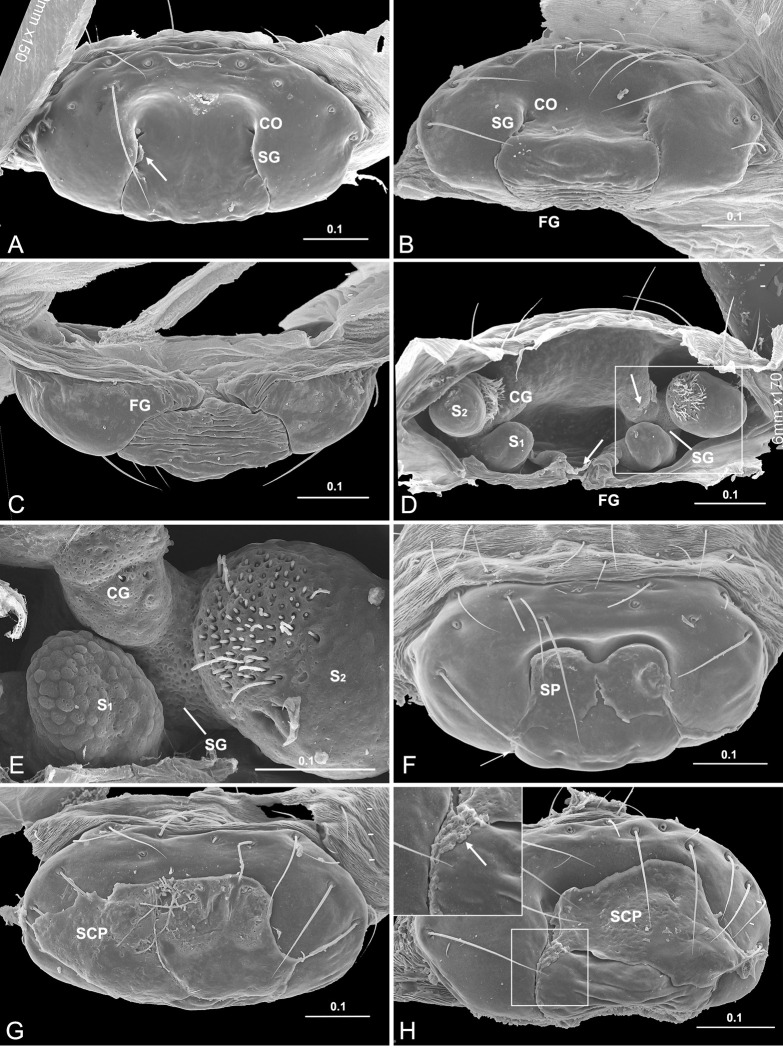 Figure 1
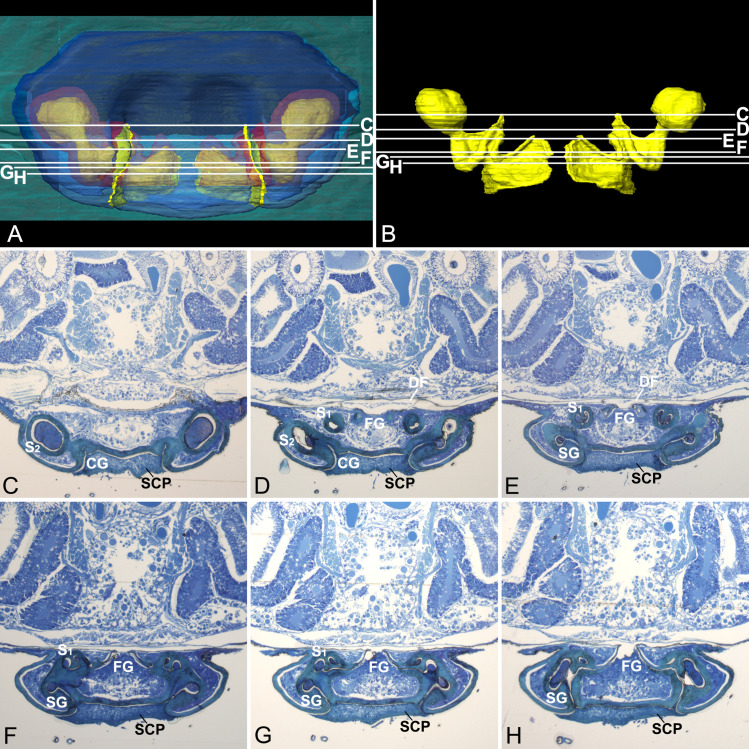 Figure 2
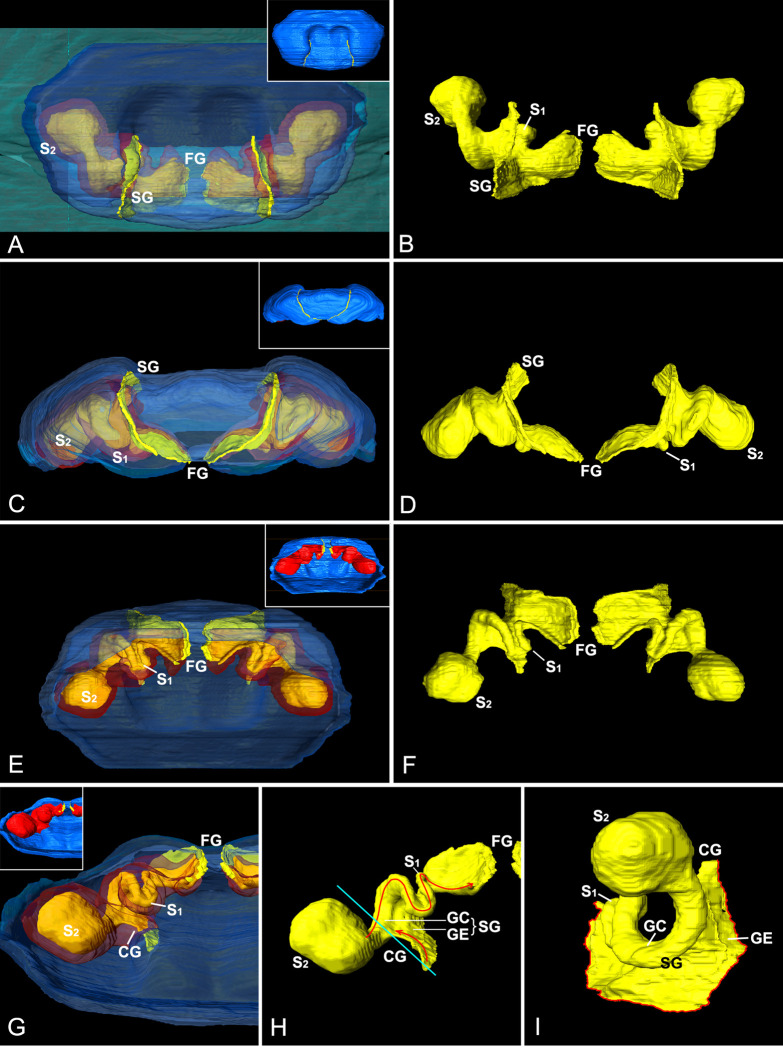 Figure 3
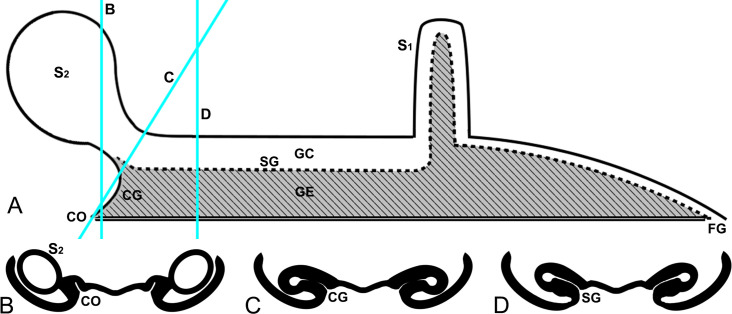 Figure 4
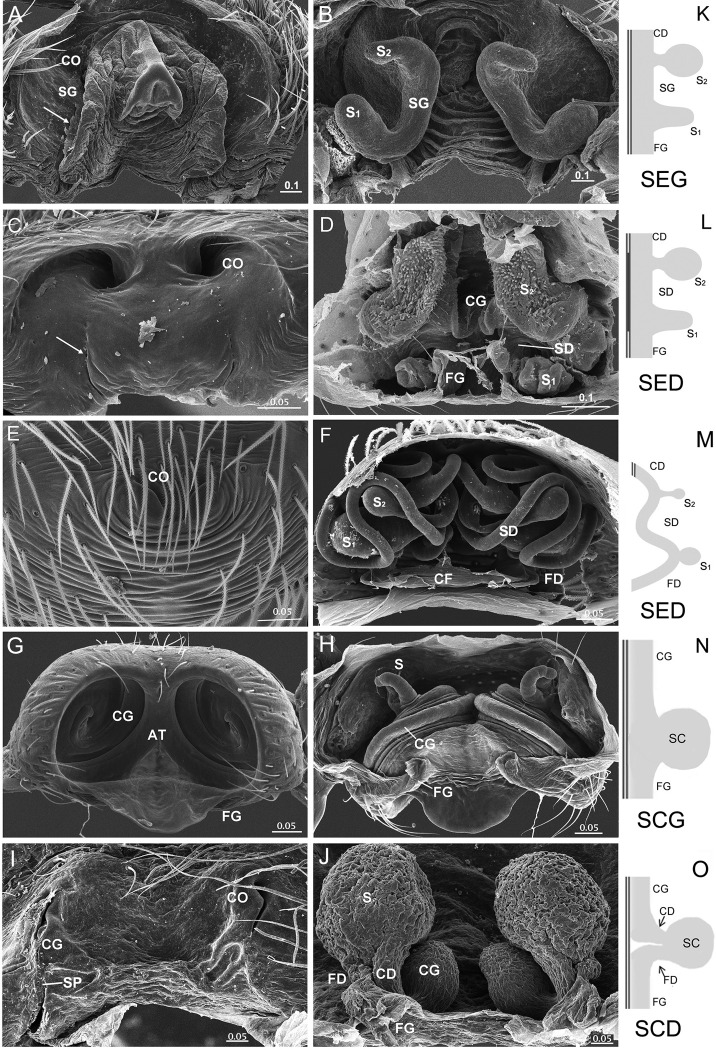 Figure 5
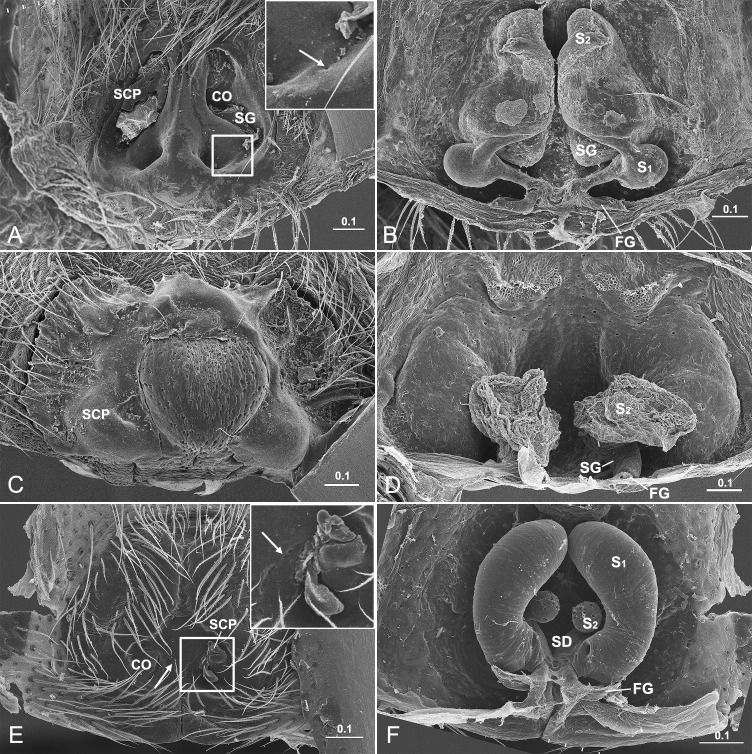 Figure 6
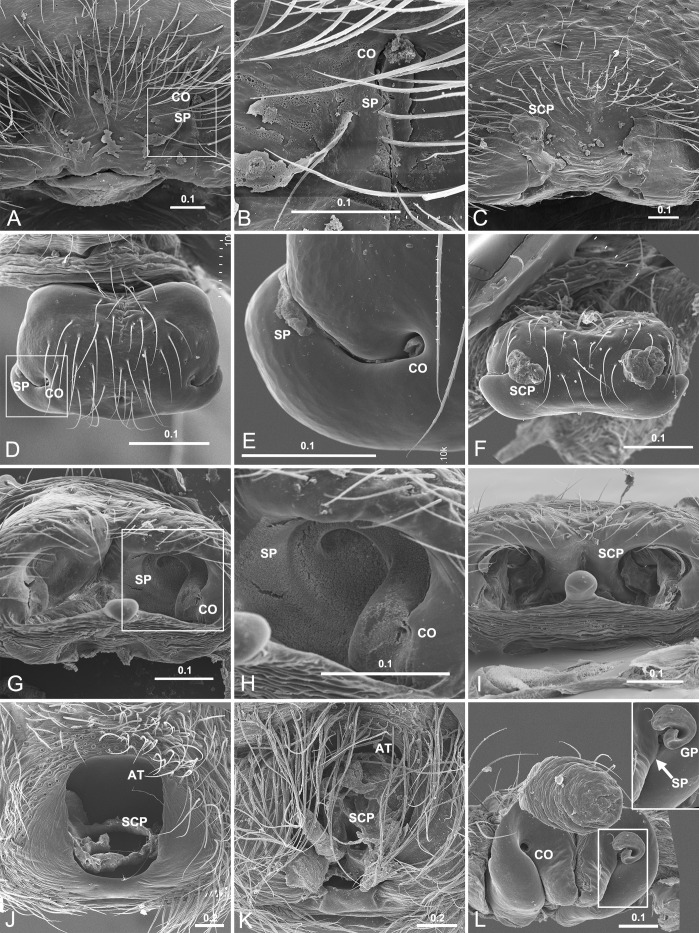 Figure 7
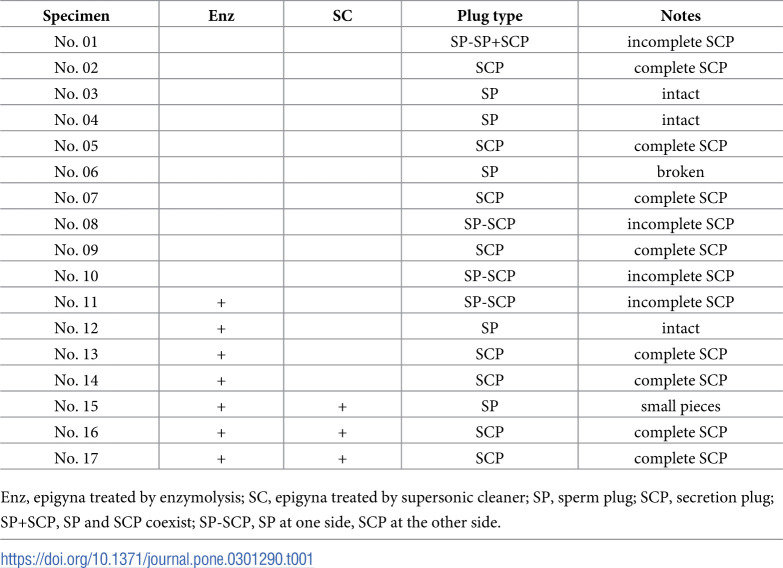 Figure 8
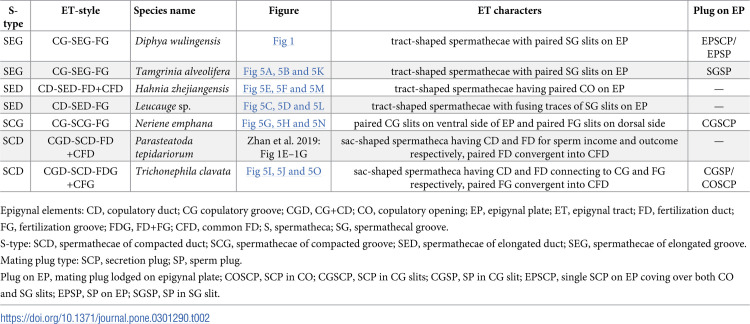 Figure 9
Peer Reviews
No public reviews on file for this paper yet. If you reviewed it on a platform where reviews are public (OpenReview, ICLR, NeurIPS, ICML), you can paste yours below so the community can read it here.
Videos
No videos yet. Explain this paper in a talk, walkthrough, or lecture? Add one.
Taxonomy
TopicsSpider Taxonomy and Behavior Studies · Animal Behavior and Reproduction · Insect and Arachnid Ecology and Behavior