Similarities and differences: species and diet impact gut microbiota of captive pheasants
Yushuo Zhang, Xin He, Xiuhong Mo, Hong Wu, Dapeng Zhao

TL;DR
This study explores how species and diet affect gut bacteria in captive pheasants, revealing differences that could help wildlife conservation.
Contribution
The study provides new insights into how diet and environment influence gut microbiota in two pheasant species.
Findings
Firmicutes was the most abundant bacterial phylum in all fecal samples.
Bacteroides was a common dominant genus, but other dominant genera varied between species and locations.
Diet and living conditions significantly influenced gut microbiota composition and host metabolism.
Abstract
The fecal microbiota plays an important role in maintaining animal health and is closely related to host life activities. In recent years, there have been an increasing number of studies on the fecal microbiota from birds. An exploration of the effects of species and living environments on the composition of gut microbiota will provide better protection for wildlife. In this study, non-injury sampling and 16S rDNA high-throughput sequencing were used to investigate the bacterial composition and diversity of the fecal microbiota in silver pheasants (Lophura nycthemera) and golden pheasants (Chrysolophus pictus) from Tianjin Zoo and Beijing Wildlife Park. The results showed that the abundance of Firmicutes was the highest in all fecal samples. At the genus level, Bacteroides was the common dominant bacteria, while there were some differences in other dominant bacteria genera. There were…
Genes, proteins, chemicals, diseases, species, mutations and cell lines named across the full text — each resolved to its canonical identifier and authoritative record.
Click any figure to enlarge with its caption.
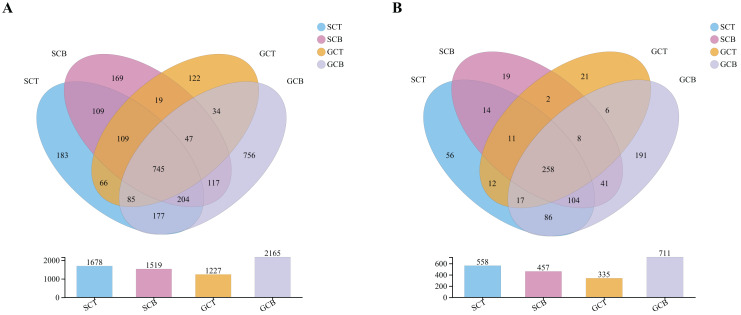 Figure 1
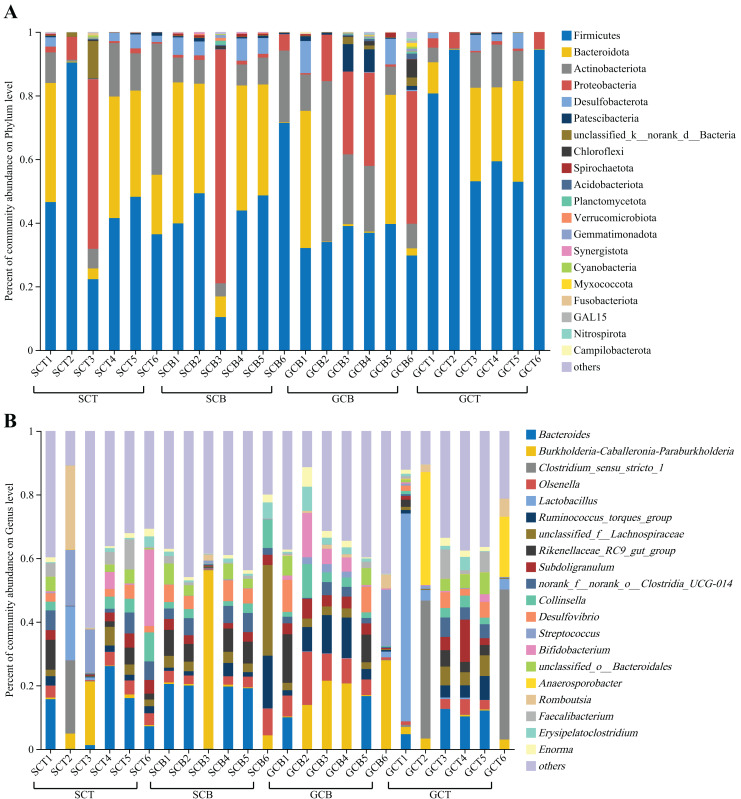 Figure 2
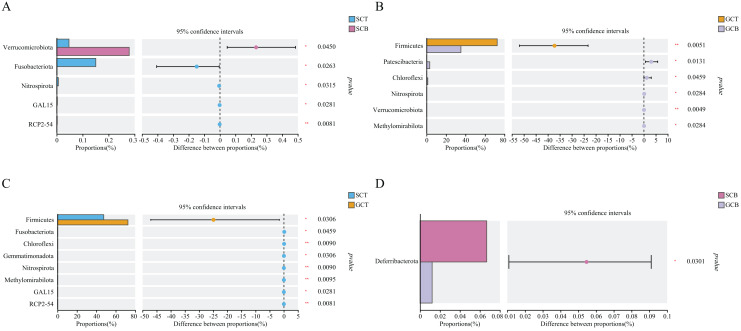 Figure 3
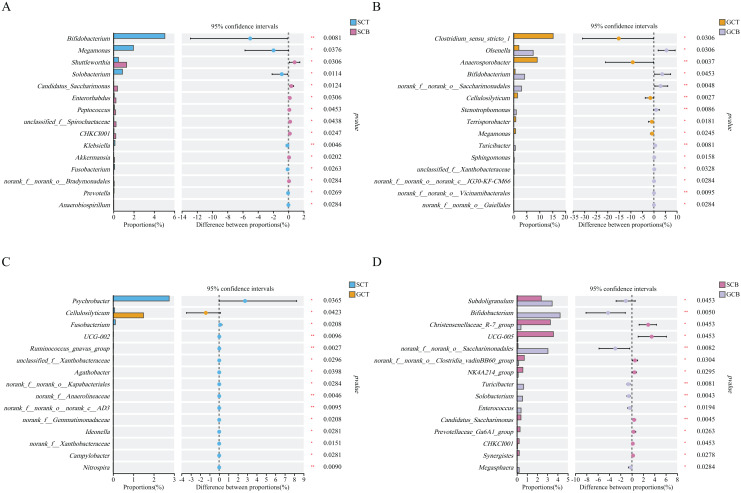 Figure 4
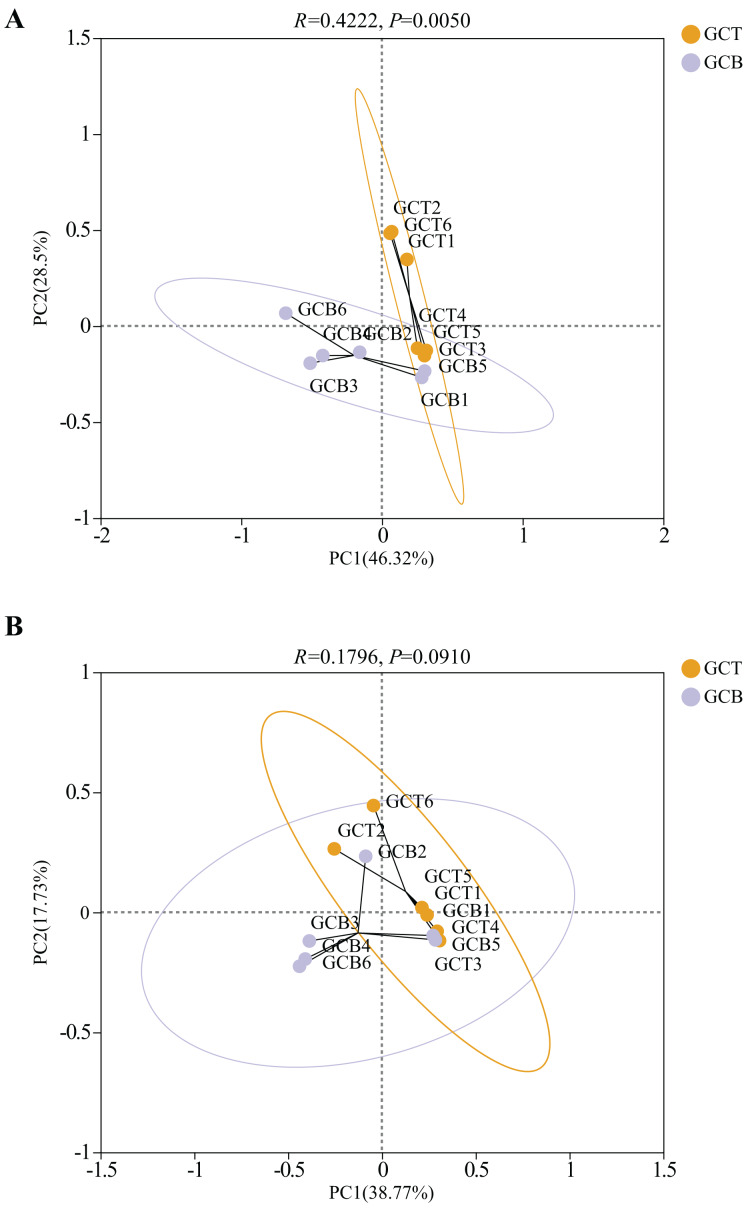 Figure 5
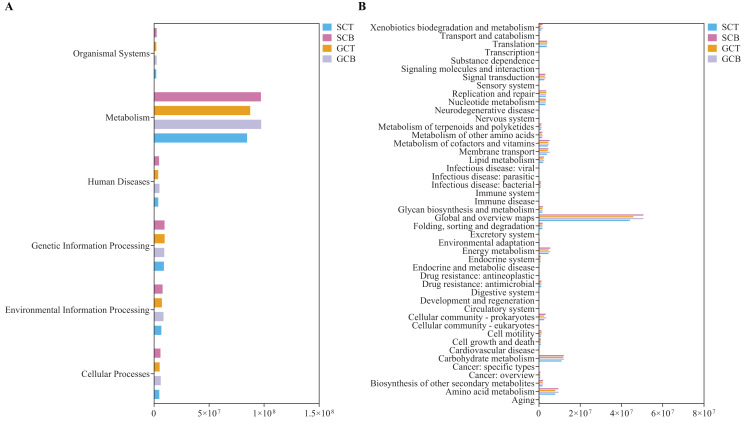 Figure 6
 Figure 7
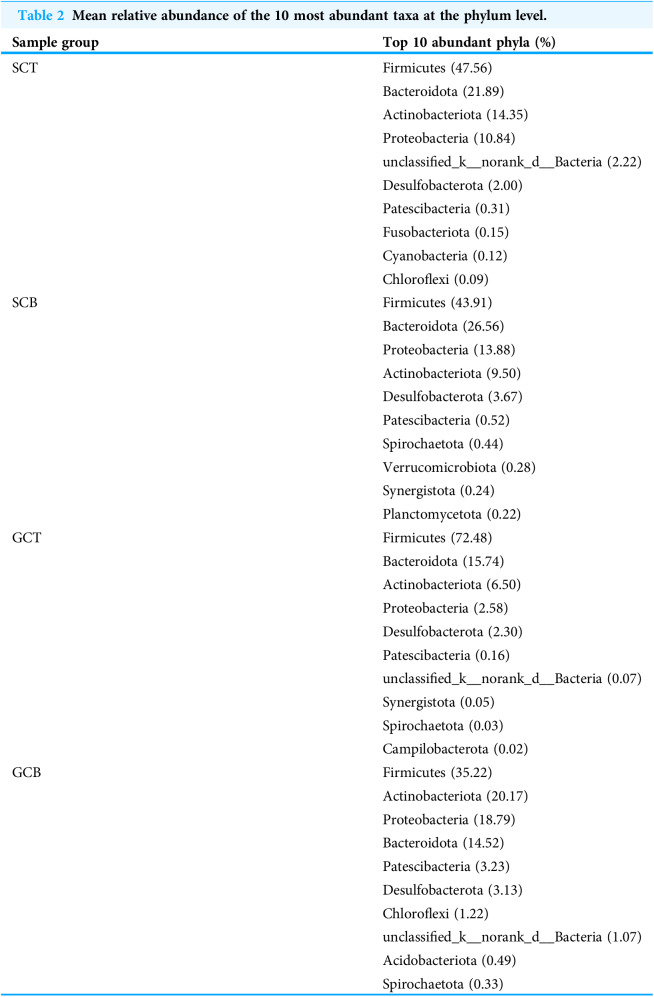 Figure 8
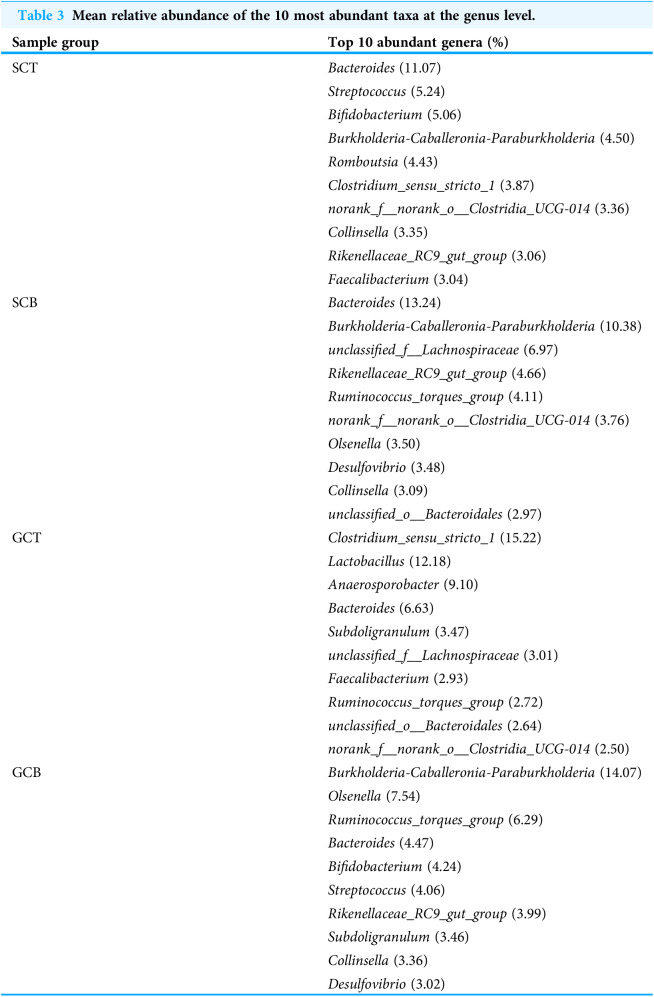 Figure 9
Peer Reviews
No public reviews on file for this paper yet. If you reviewed it on a platform where reviews are public (OpenReview, ICLR, NeurIPS, ICML), you can paste yours below so the community can read it here.
Videos
No videos yet. Explain this paper in a talk, walkthrough, or lecture? Add one.
Taxonomy
TopicsGut microbiota and health · Clostridium difficile and Clostridium perfringens research · Probiotics and Fermented Foods