Correlation Between Volume and Pressure of Intracranial Space With Craniectomy Surface Area and Brain Herniation: A Phantom-Based Study
Sudip Kumar Sengupta, Rohit Aggarwal, Manish Kumar Singh

TL;DR
This study uses a phantom model to explore how intracranial volume and pressure relate to craniectomy size and brain herniation, aiming to improve surgical decision-making.
Contribution
The paper introduces a novel phantom-based model to study the relationship between intracranial volume, pressure, craniectomy surface area, and brain herniation.
Findings
A 10-cm-diameter craniectomy defect caused a midline shift of 5 mm with a 35 mL volume differential.
Brain herniation reduced pressure in both ipsilateral and contralateral sacs from 35/33 mm Hg to 25/24 mm Hg.
The model's results matched those of other model-based studies, suggesting potential for pre-surgical planning.
Abstract
There are proponents of decompressive craniectomy (DC) and its various modifications who claim reasonable clinical outcomes for each of them. Clinical outcome in cases of traumatic brain injury, managed conservatively or aided by different surgical techniques, depends on multiple factors, which vary widely among patients and have complex interplay, making it difficult to compare one case with another in absolute terms. This forms the basis of the perceived necessity to have a standard model to study, compare, and strategize in this field. We designed a phantom-based model and present the findings of the study aimed at establishing a correlation of the volume of intracranial space and changes in intracranial pressure (ICP) with surface area of the craniectomy defect created during DC and brain herniation volume. A roughly hemispherical radio-opaque container was scanned on a 128-slice…
Genes, proteins, chemicals, diseases, species, mutations and cell lines named across the full text — each resolved to its canonical identifier and authoritative record.
Click any figure to enlarge with its caption.
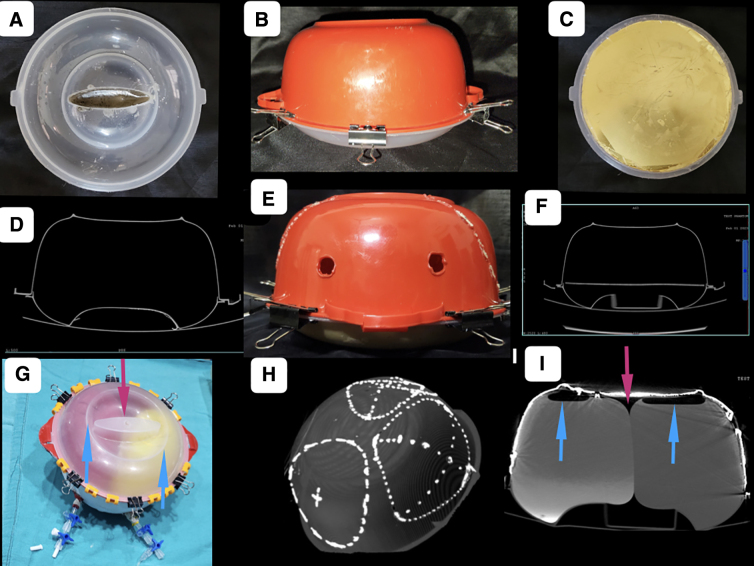 Figure 1
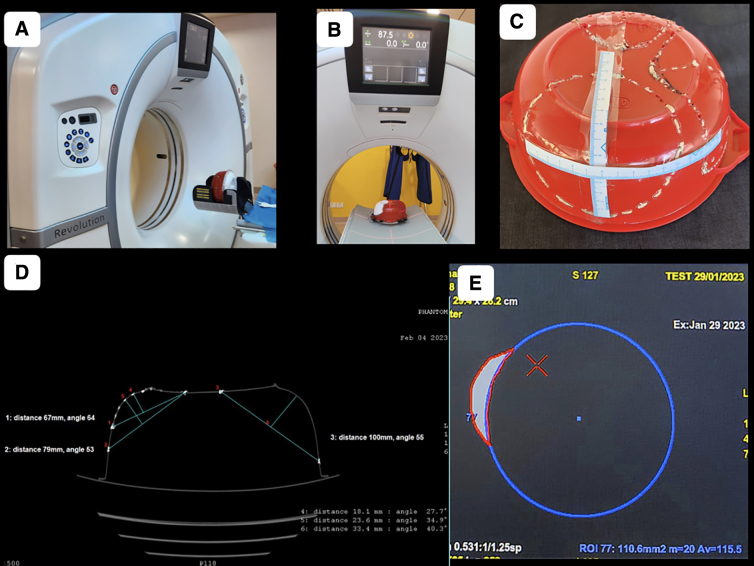 Figure 2
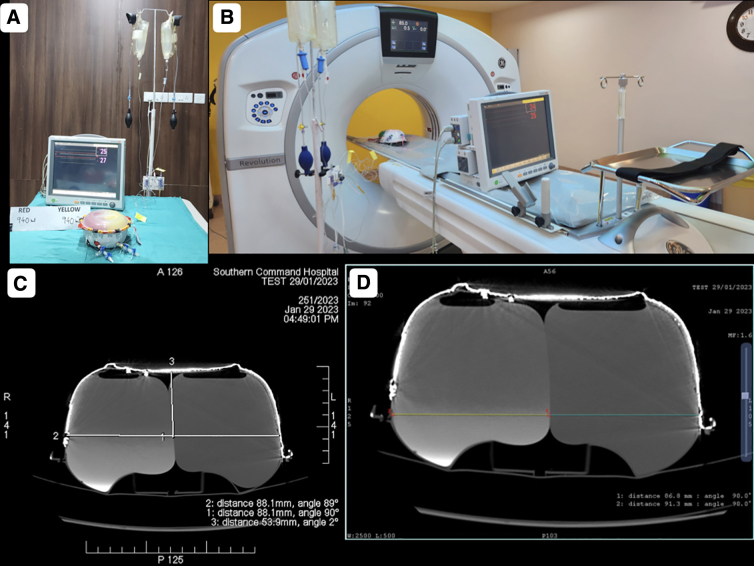 Figure 3
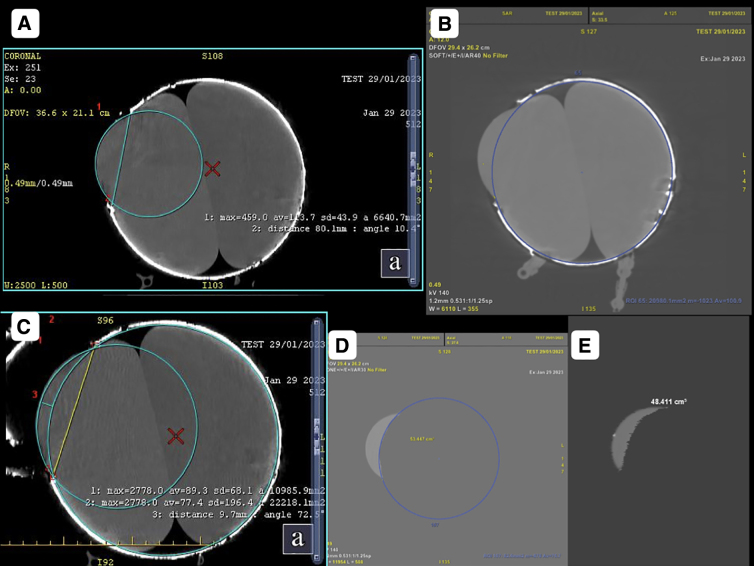 Figure 4
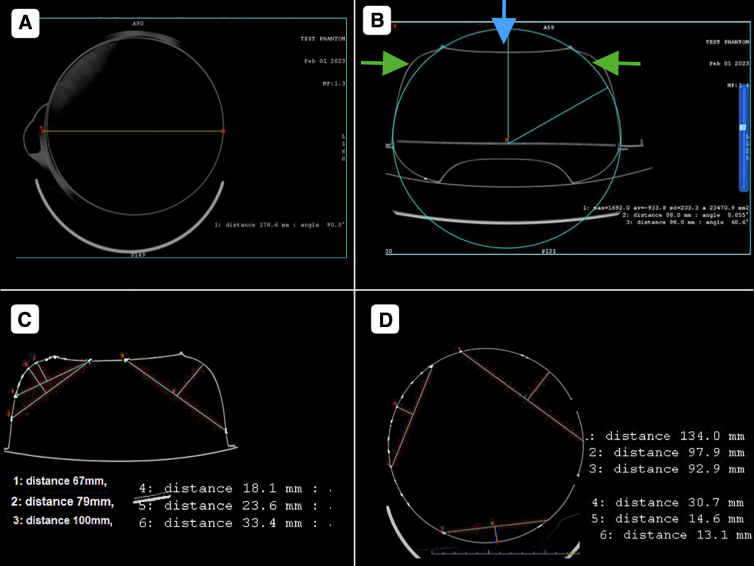 Figure 5
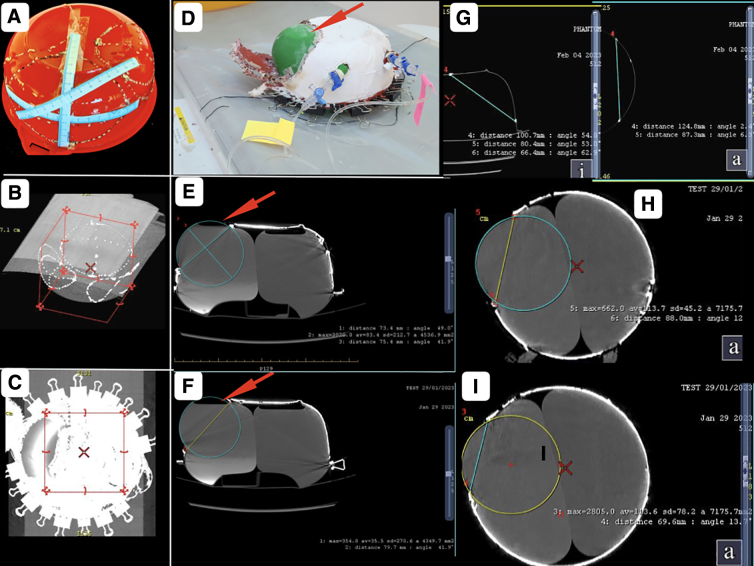 Figure 6
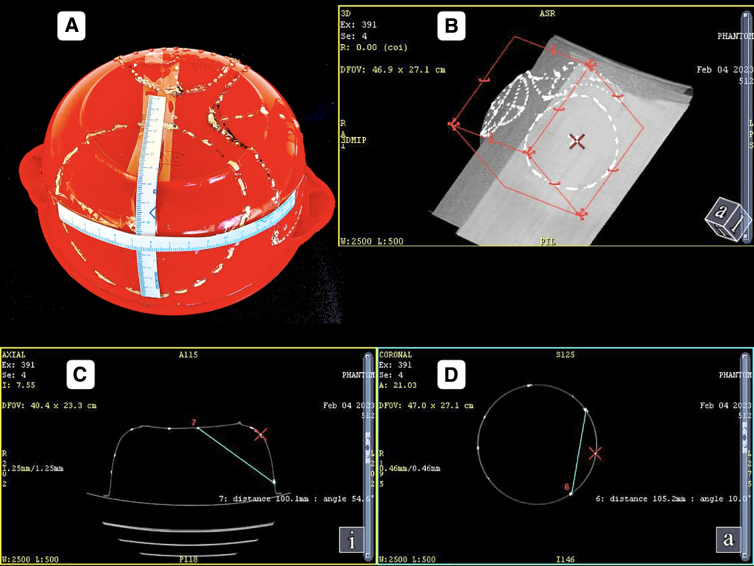 Figure 7
Peer Reviews
No public reviews on file for this paper yet. If you reviewed it on a platform where reviews are public (OpenReview, ICLR, NeurIPS, ICML), you can paste yours below so the community can read it here.
Videos
No videos yet. Explain this paper in a talk, walkthrough, or lecture? Add one.
Taxonomy
TopicsTraumatic Brain Injury and Neurovascular Disturbances · Cerebrospinal fluid and hydrocephalus · Traumatic Brain Injury Research