To Test or Not to Test: A Case Report on Hereditary Hemorrhagic Telangiectasia
Bhavya Chadalavada, Ritesh Baddam

TL;DR
A 50-year-old woman with overlapping symptoms of two diseases was diagnosed with hereditary hemorrhagic telangiectasia after genetic testing.
Contribution
The case highlights the importance of genetic testing in ambiguous clinical presentations involving hereditary hemorrhagic telangiectasia.
Findings
The patient met criteria for mixed connective tissue disease but tested positive for hereditary hemorrhagic telangiectasia.
Epistaxis was a key clinical clue leading to genetic testing for HHT.
Treatment for both conditions is now being managed alongside surveillance.
Abstract
A 50-year-old female patient presenting with joint pains, Raynaud’s phenomenon, epistaxis, and telangiectasias was posed with a diagnostic conundrum, i.e., whether to accept the diagnosis of mixed connective tissue disease (MCTD), for which she fulfilled all the criteria, or test for another probable disease, namely hereditary hemorrhagic telangiectasia (HHT), even though only some clinical features were present and all diagnostic criteria were not satisfied. Taking the patient’s onset of epistaxis as an important clue, the patient was counseled for genetic testing for HHT, which was positive. Treatment for both MCTD and HHT is underway, and appropriate surveillance is planned for the patient.
Genes, proteins, chemicals, diseases, species, mutations and cell lines named across the full text — each resolved to its canonical identifier and authoritative record.
Click any figure to enlarge with its caption.
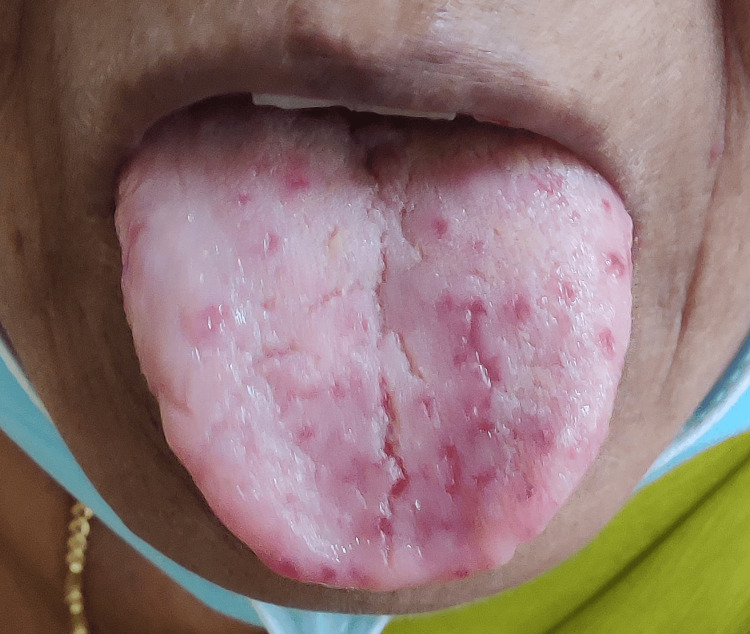 Figure 1
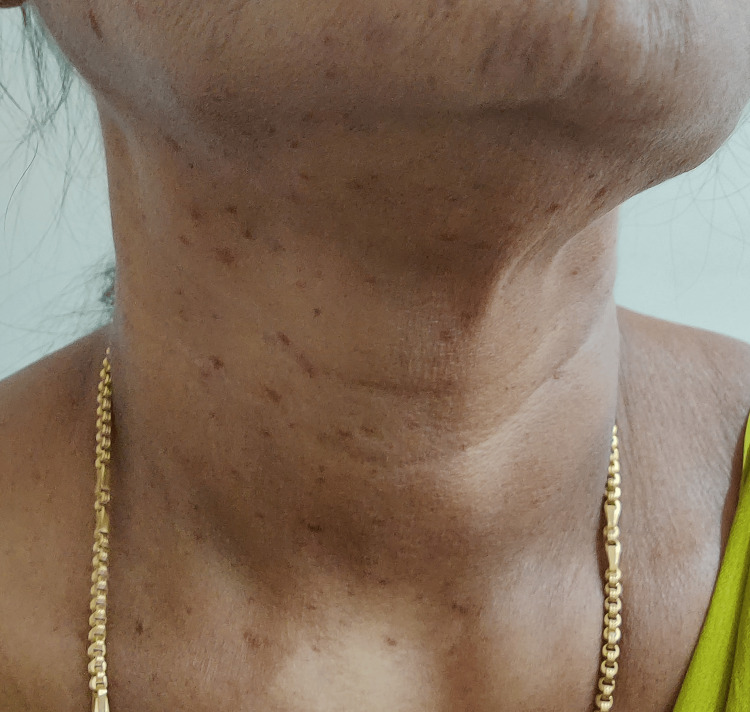 Figure 2
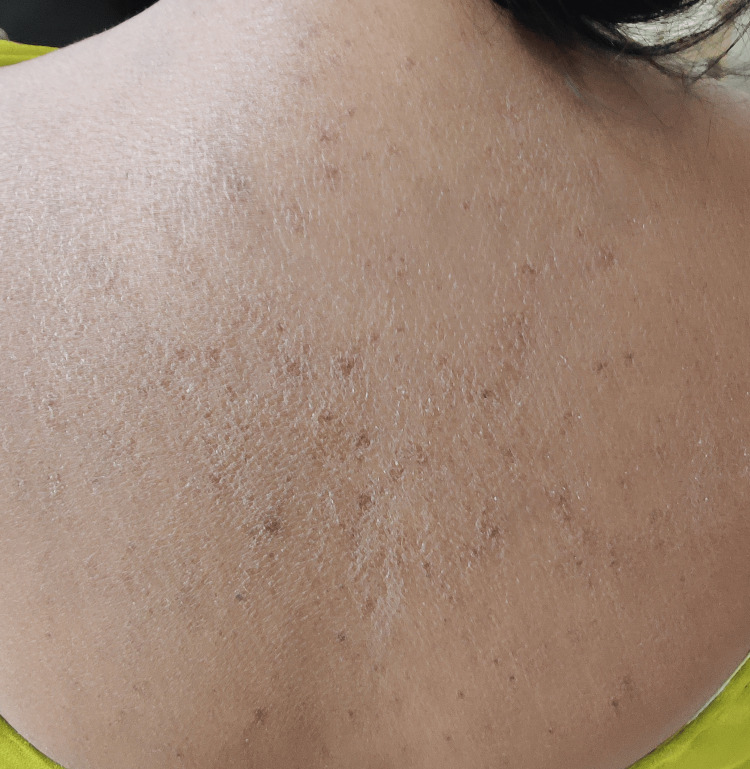 Figure 3
Peer Reviews
No public reviews on file for this paper yet. If you reviewed it on a platform where reviews are public (OpenReview, ICLR, NeurIPS, ICML), you can paste yours below so the community can read it here.
Videos
No videos yet. Explain this paper in a talk, walkthrough, or lecture? Add one.
Taxonomy
TopicsVascular Anomalies and Treatments · Tracheal and airway disorders · Vascular Malformations and Hemangiomas