Contribution of pudendal nerve injury to stress urinary incontinence in a male rat model
Shaimaa Maher, Daniel Gerber, Brian Balog, Lan Wang, Mei Kuang, Brett Hanzlicek, Tejasvini Malakalapalli, Cassandra Van Etten, Roger Khouri, Margot S. Damaser

TL;DR
This study shows that injury to the pudendal nerve in male rats leads to urinary incontinence, offering a model for testing treatments.
Contribution
The study introduces a male rat model to investigate pudendal nerve injury's role in post-prostatectomy incontinence.
Findings
Acute pudendal nerve transection significantly reduced leak point pressure and EMG activity in male rats.
Pudendal nerve crush caused long-term reductions in leak point pressure and EMG firing rate.
Neuromuscular junctions were less organized after pudendal nerve injury, with increased collagen infiltration.
Abstract
Urinary incontinence is a common complication following radical prostatectomy, as the surgery disturbs critical anatomical structures. This study explored how pudendal nerve (PN) injury affects urinary continence in male rats. In an acute study, leak point pressure (LPP) and external urethral sphincter electromyography (EMG) were performed on six male rats with an intact urethra, the urethra exposed (UE), the PN exposed (NE), and after PN transection (PNT). In a chronic study, LPP and EMG were tested in 67 rats 4 days, 3 weeks, or 6 weeks after sham PN injury, PN crush (PNC), or PNT. Urethras were assessed histologically. Acute PNT caused a significant decrease in LPP and EMG amplitude and firing rate compared to other groups. PNC resulted in a significant reduction in LPP and EMG firing rate 4 days, 3 weeks, and 6 weeks later. EMG amplitude was also significantly reduced 4 days and 6…
Genes, proteins, chemicals, diseases, species, mutations and cell lines named across the full text — each resolved to its canonical identifier and authoritative record.
Click any figure to enlarge with its caption.
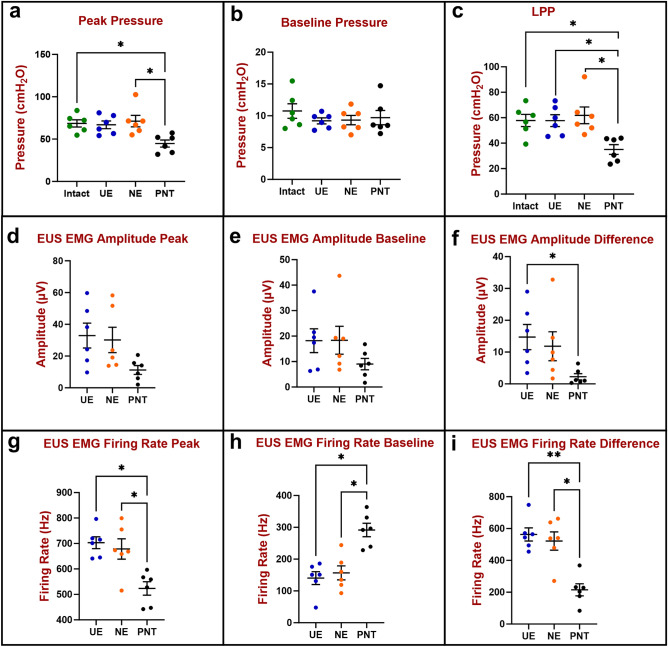 Figure 1
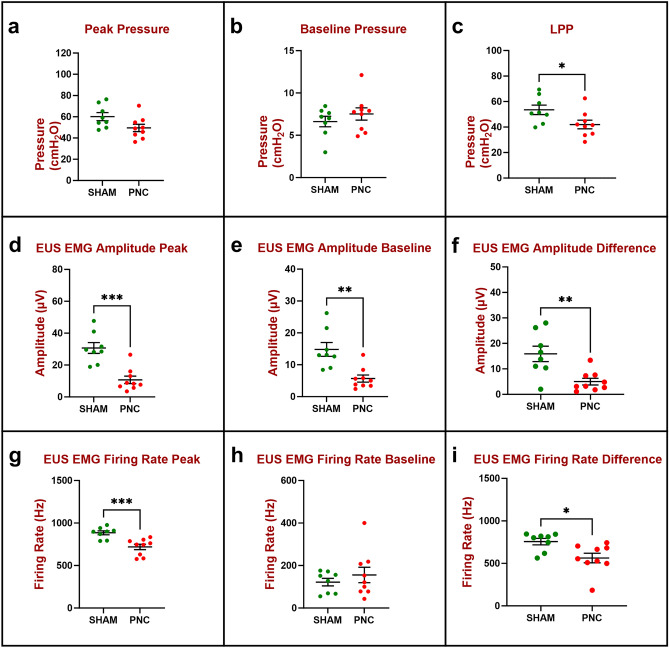 Figure 2
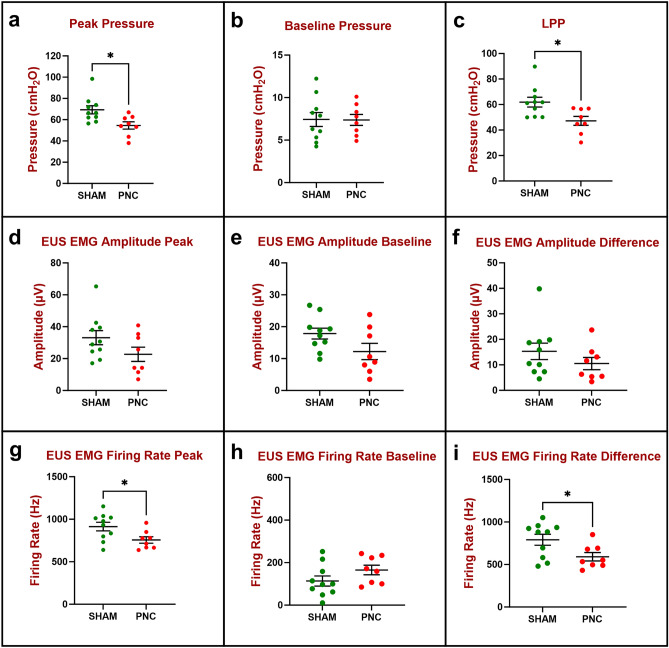 Figure 3
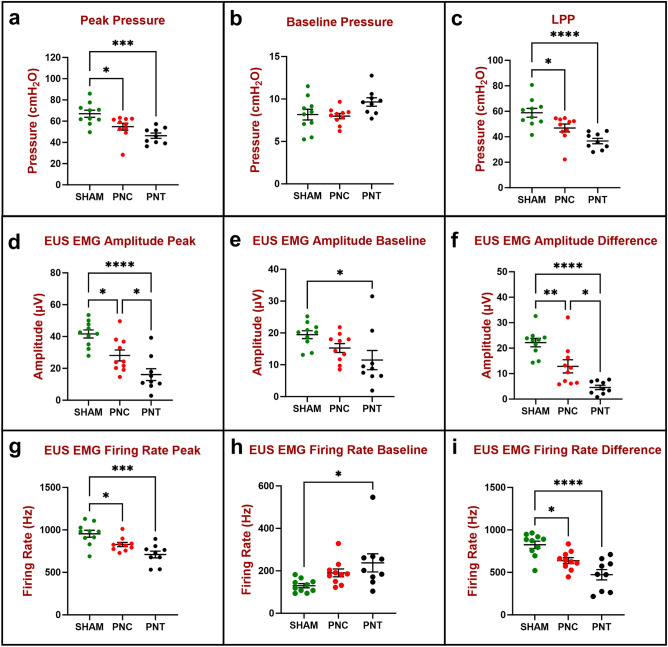 Figure 4
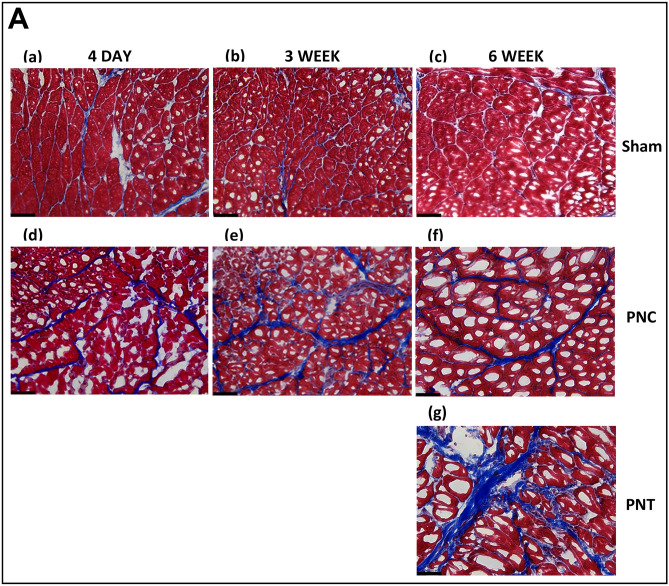 Figure 5
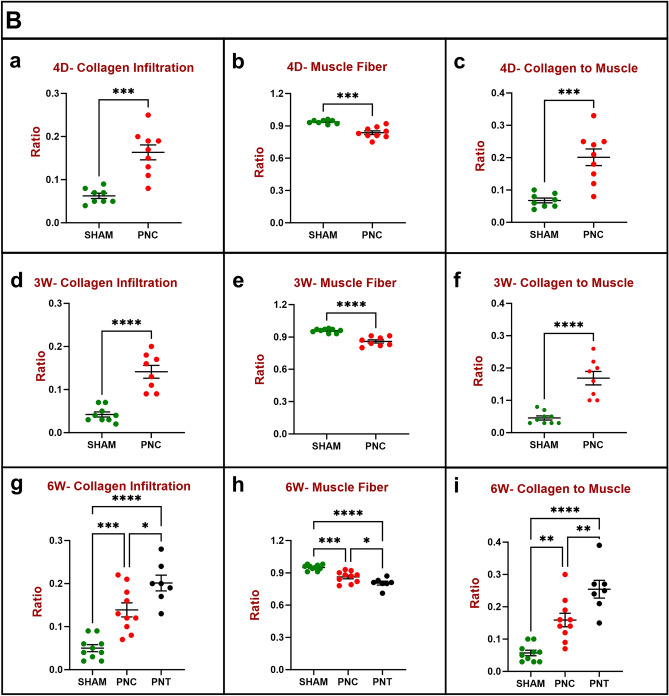 Figure 5
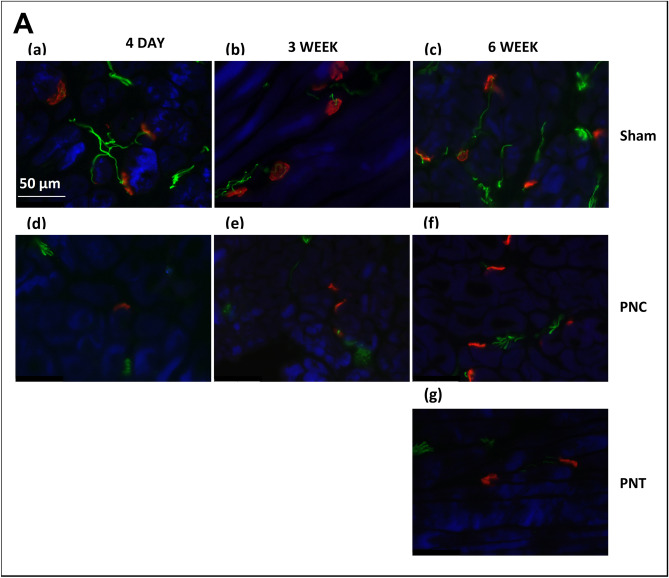 Figure 6
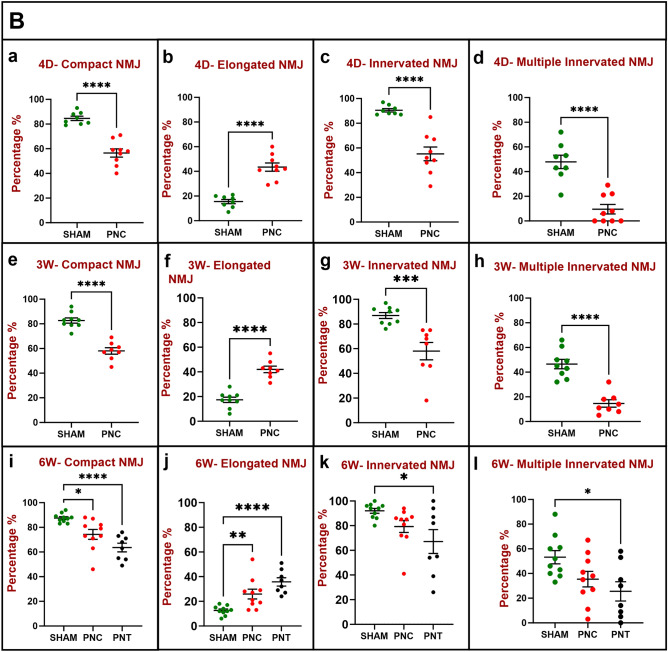 Figure 6
Peer Reviews
No public reviews on file for this paper yet. If you reviewed it on a platform where reviews are public (OpenReview, ICLR, NeurIPS, ICML), you can paste yours below so the community can read it here.
Videos
No videos yet. Explain this paper in a talk, walkthrough, or lecture? Add one.
Taxonomy
TopicsUrinary Bladder and Prostate Research · Pelvic floor disorders treatments · Prostate Cancer Diagnosis and Treatment