Difference in Intraspecies Transmissibility of Severe Fever with Thrombocytopenia Syndrome Virus Depending on Abrogating Type 1 Interferon Signaling in Mice
Byungkwan Oh, Seok-Chan Park, Myeon-Sik Yang, Daram Yang, Gaeul Ham, Dongseob Tark, Myung Jo You, Sang-Ik Oh, Bumseok Kim

TL;DR
This study shows that mice lacking type I interferon signaling transmit SFTS virus more efficiently to other mice than healthy mice, highlighting the role of this immune response in virus spread.
Contribution
The study demonstrates the impact of type I interferon signaling on intraspecies transmission of SFTSV in mice.
Findings
Mice with abrogated type I interferon signaling transmitted SFTSV more effectively than wild-type mice.
IFNAR knockout mice were more susceptible to SFTSV infection when acting as recipients.
SFTSV antigens were detected in sera, secretions, and organs of infected mice.
Abstract
Severe fever with thrombocytopenia syndrome (SFTS), a tick-borne zoonotic disease, is caused by infection with SFTS virus (SFTSV). A previous study reported that human-to-human direct transmission of SFTSV can occur. However, potential animal-to-animal transmission of SFTSV without ticks has not been fully clarified. Thus, the objective of this study was to investigate potential mice-to-mice transmission of SFTSV by co-housing three groups of mice [i.e., wild-type mice (WT), mice injected with an anti-type I interferon-α receptor-blocking antibody (IFNAR Ab), and mice with knockout of type I interferon-α receptor (IFNAR KO)] as spreaders or recipients with different immune competence. As a result, co-housed IFNAR Ab and IFNAR KO mice showed body weight loss with SFTS viral antigens detected in their sera, extracorporeal secretions, and various organs. Based on histopathology, white pulp…
Genes, proteins, chemicals, diseases, species, mutations and cell lines named across the full text — each resolved to its canonical identifier and authoritative record.
Click any figure to enlarge with its caption.
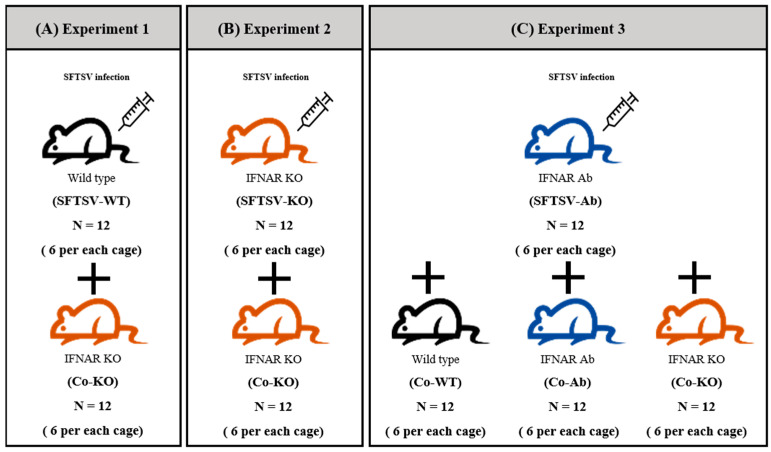 Figure 1
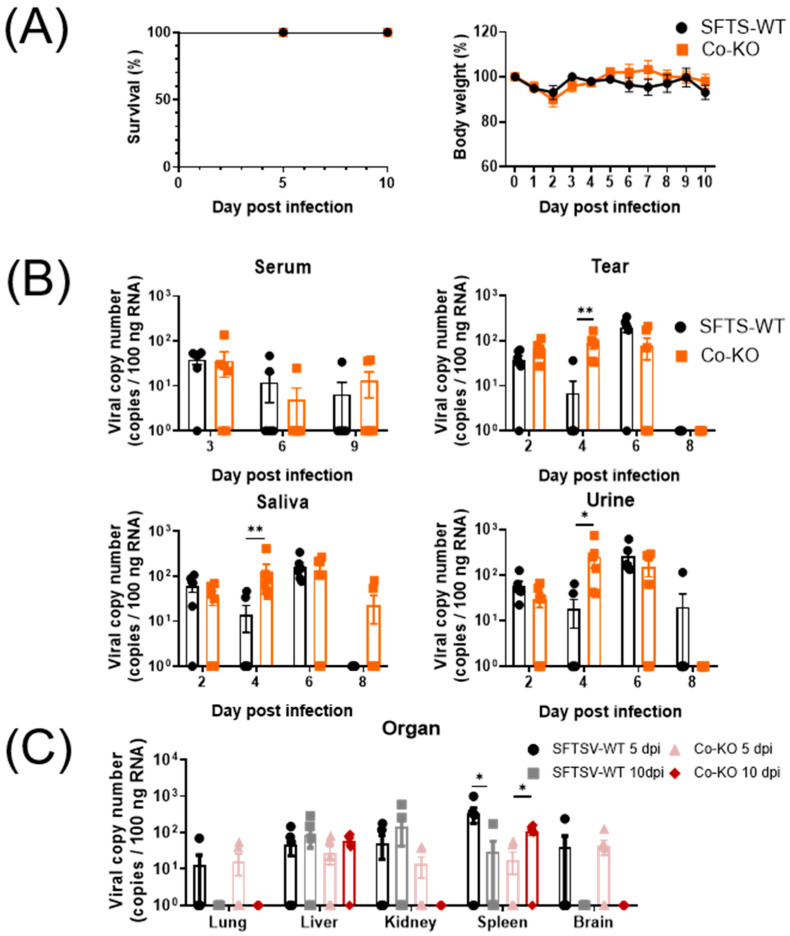 Figure 2
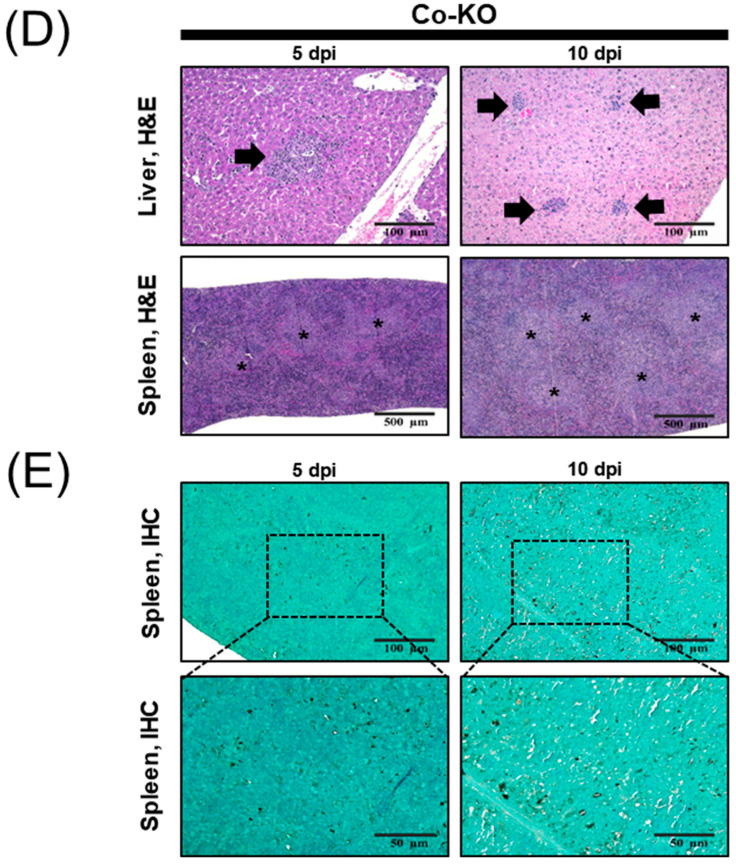 Figure 3
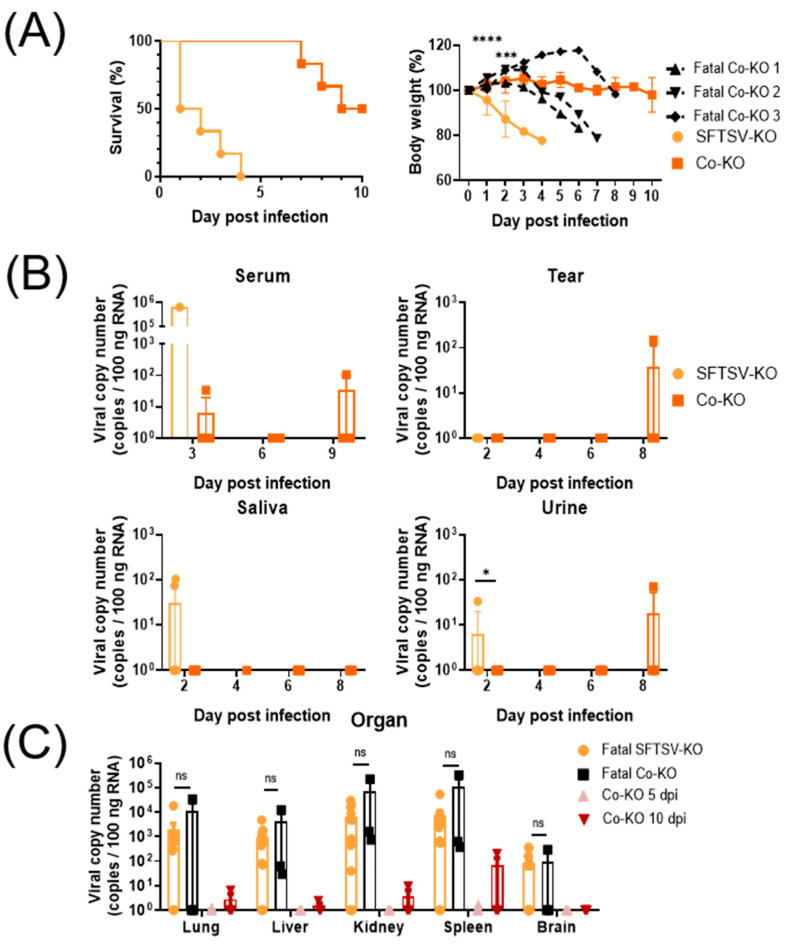 Figure 4
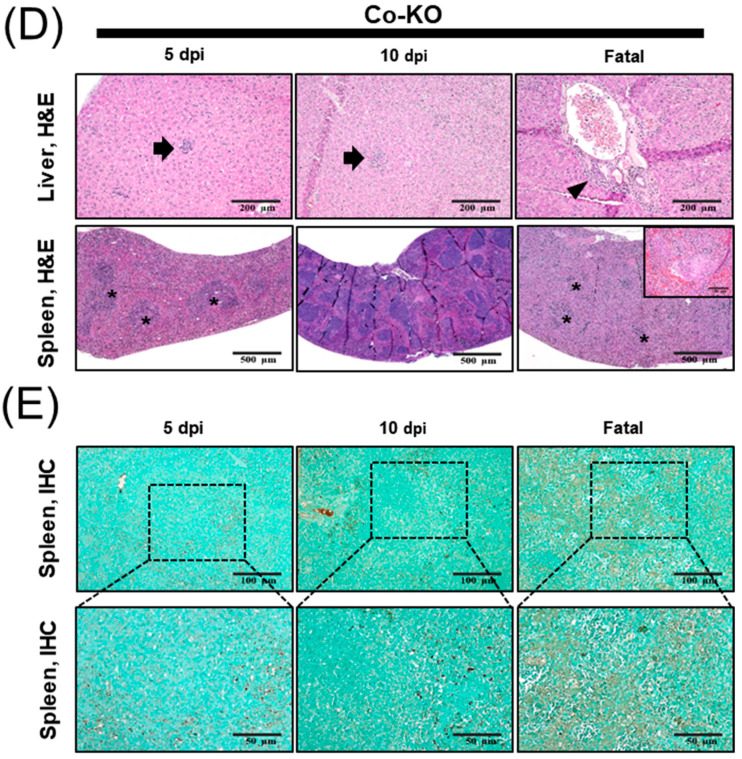 Figure 5
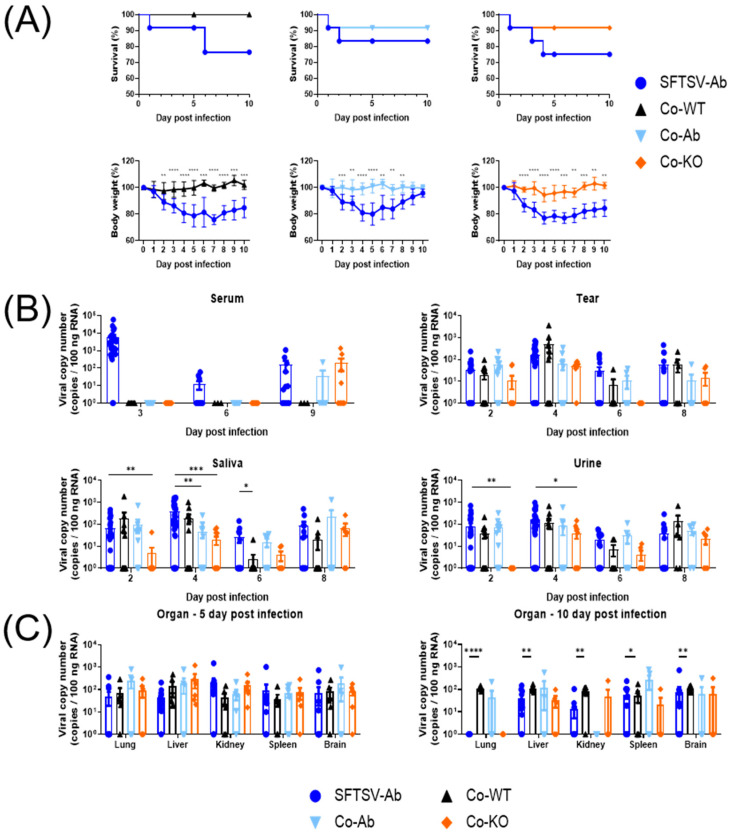 Figure 6
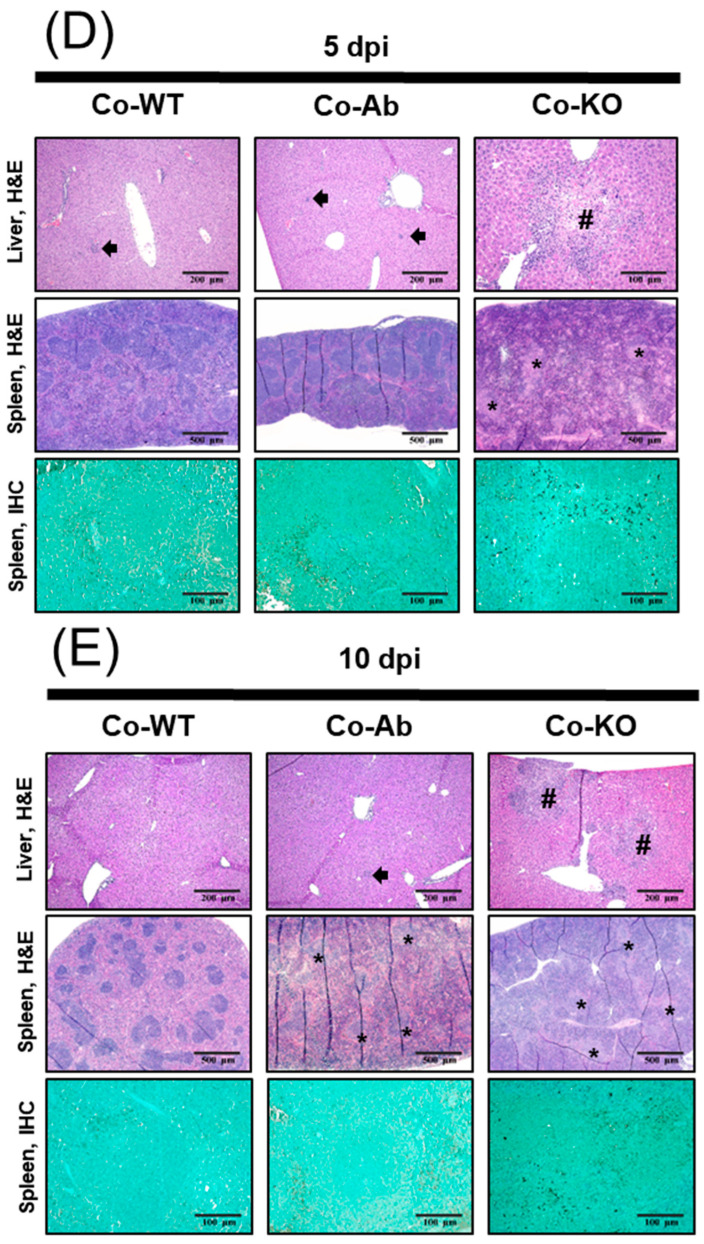 Figure 7
Peer Reviews
No public reviews on file for this paper yet. If you reviewed it on a platform where reviews are public (OpenReview, ICLR, NeurIPS, ICML), you can paste yours below so the community can read it here.
Videos
No videos yet. Explain this paper in a talk, walkthrough, or lecture? Add one.
Taxonomy
Topics3D Modeling in Geospatial Applications · BIM and Construction Integration · Mechanical and Thermal Properties Analysis