MDCK-Adaptive Mutation of A169S Changes Glycosylation Pattern of Hemagglutinin and Enhances MDCK-Based H7N9 Vaccine Virus Production without Loss of Antigenicity and Immunogenicity
Po-Ling Chen, Tsai-Chuan Weng, Chia-Chun Lai, Tsai-Teng Tzeng, Min-Han Lin, Kai-Chieh Hu, Alan Yung-Chih Hu, Min-Shi Lee, Wang-Chou Sung

TL;DR
A mutation in the HA protein of an H7N9 vaccine virus improves its production in MDCK cells without reducing its ability to trigger immune responses.
Contribution
The study identifies a new glycosylation site caused by the A169S mutation that enhances vaccine virus production in MDCK cells.
Findings
RG268-M5 showed 4-fold higher HA titer and 3.5-fold higher TCID50 compared to the original CVV.
A new glycosylation site at N167 was identified in the HA protein of RG268-M5.
RG268-M5 retained antigenicity and induced strong antibody responses in mice similar to the original virus.
Abstract
The adaptation of egg-derived H7N9 candidate vaccine virus (CVV) in the mammalian cell line is an approach to developing a high-growth virus strain for the mass production of vaccine manufacturing. The adaptive mutations that occur in hemagglutinin (HA) are critical to the activity and potency of the vaccine virus. Previously, we identified a new mutation of A169S in the HA protein of an MDCK-adapted H7N9 vaccine virus (A/Anhui/2013, RG268); however, whether and how this mutation affects vaccine potency remain to be investigated. In this study, we serially passaged RG268 in MDCK cells and found that the HA titer and the TCID50 of the passaged virus RG268-M5 were 4-fold (HA units/50 μL) and 3.5-fold (log10 TCID50/mL) higher than those of the original CVV. By inspecting tandem MS spectra, we identified a new glycosylation site at N167 near the receptor binding site of the HA protein of…
Genes, proteins, chemicals, diseases, species, mutations and cell lines named across the full text — each resolved to its canonical identifier and authoritative record.
Click any figure to enlarge with its caption.
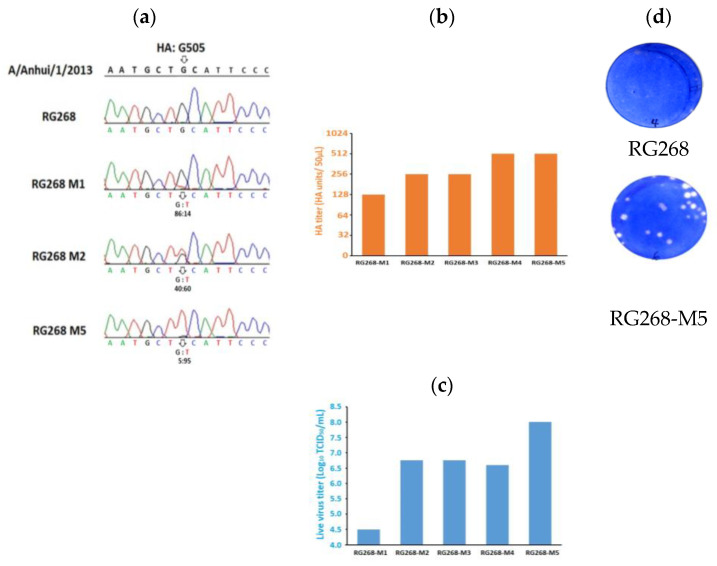 Figure 1
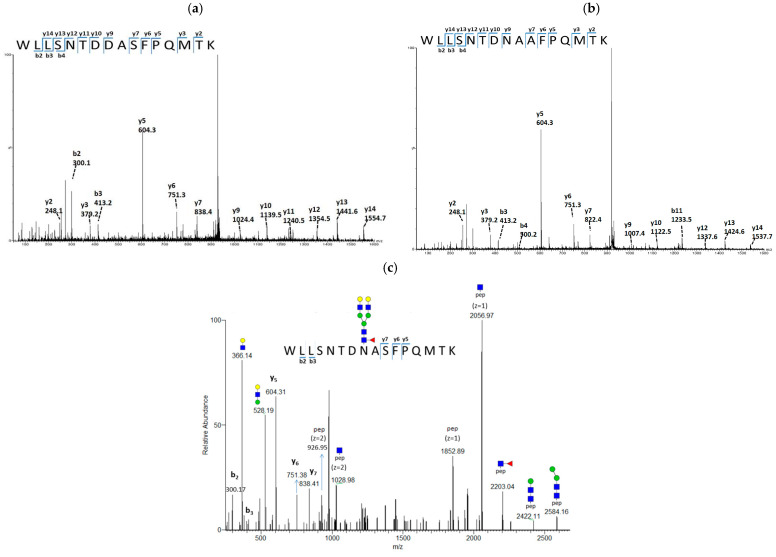 Figure 2
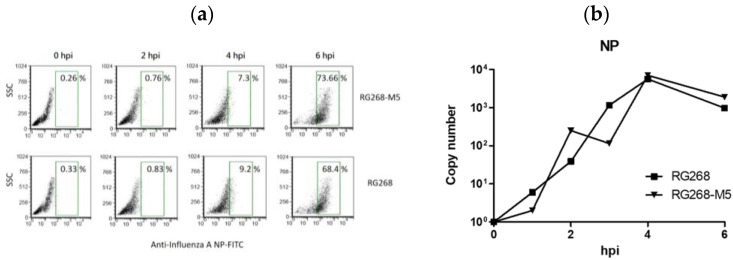 Figure 3
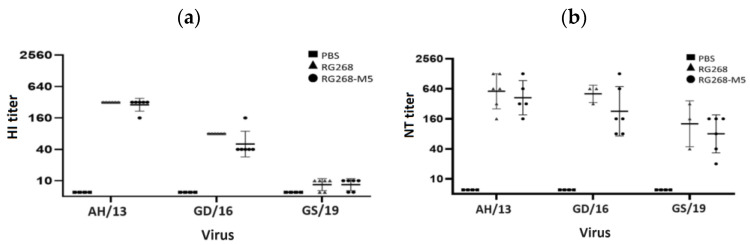 Figure 4
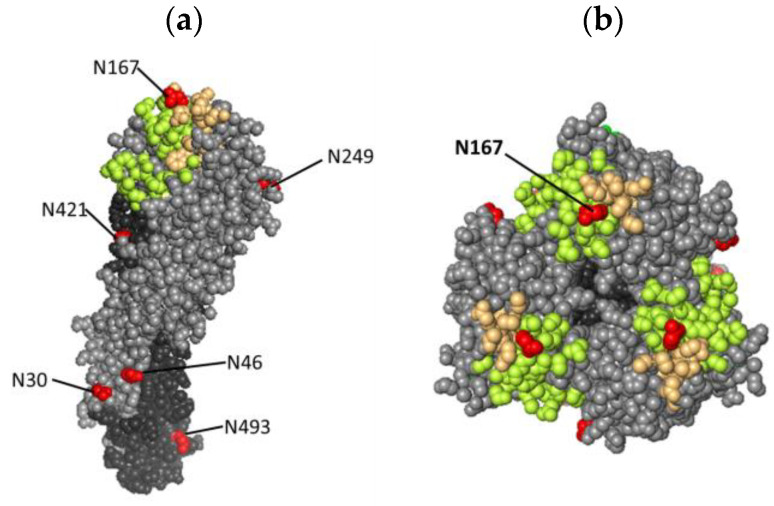 Figure 5
Peer Reviews
No public reviews on file for this paper yet. If you reviewed it on a platform where reviews are public (OpenReview, ICLR, NeurIPS, ICML), you can paste yours below so the community can read it here.
Videos
No videos yet. Explain this paper in a talk, walkthrough, or lecture? Add one.
Taxonomy
TopicsAnimal Virus Infections Studies · Influenza Virus Research Studies · Viral gastroenteritis research and epidemiology