Estimating Asymptomatic and Symptomatic Transmission of the COVID‐19 First Few Cases in Selenge Province, Mongolia
Davaalkham Dambadarjaa, Tsogt Mend, Andrew Shapiro, Mark S. Handcock, Undram Mandakh, Temuulen Enebish, Linh‐Vi Le, DJ Darwin R. Bandoy, Ambaselmaa Amarjargal, Bilegt Altangerel, Tuvshintur Chuluunbaatar, Uugantsetseg Guruuchin, Oyuntulkhuur Lkhagvajav, Oyunsuren Enebish

TL;DR
This study estimates how much asymptomatic and symptomatic people contributed to spreading COVID-19 in a Mongolian province, emphasizing the need to isolate symptomatic cases early.
Contribution
The study introduces a novel method combining contact tracing and statistical modeling to estimate transmission rates for different symptom statuses.
Findings
Most cases were transmitted within households or workplaces.
Symptomatic cases had a higher reproduction number than asymptomatic or presymptomatic cases.
The approach can be applied to other infectious diseases for better transmission understanding.
Abstract
Following the first locally transmitted case in Sukhbaatar soum, Selenge Province, we aimed to investigate the ultimate scale of the epidemic in the scenario of uninterrupted transmission. This was a prospective case study following the locally modified WHO FFX cases generic protocol. A rapid response team collected data from November 14 to 29, 2020. We created a stochastic process to draw many transmission chains from this greater distribution to better understand and make inferences regarding the outbreak under investigation. The majority of the cases involved household transmissions (35, 52.2%), work transmissions (20, 29.9%), index (5, 7.5%), same apartment transmissions (2, 3.0%), school transmissions (2, 3.0%), and random contacts between individuals transmissions (1, 1.5%). The posterior means of the basic reproduction number of both the asymptomatic cases R0Asy and the…
Genes, proteins, chemicals, diseases, species, mutations and cell lines named across the full text — each resolved to its canonical identifier and authoritative record.
Click any figure to enlarge with its caption.
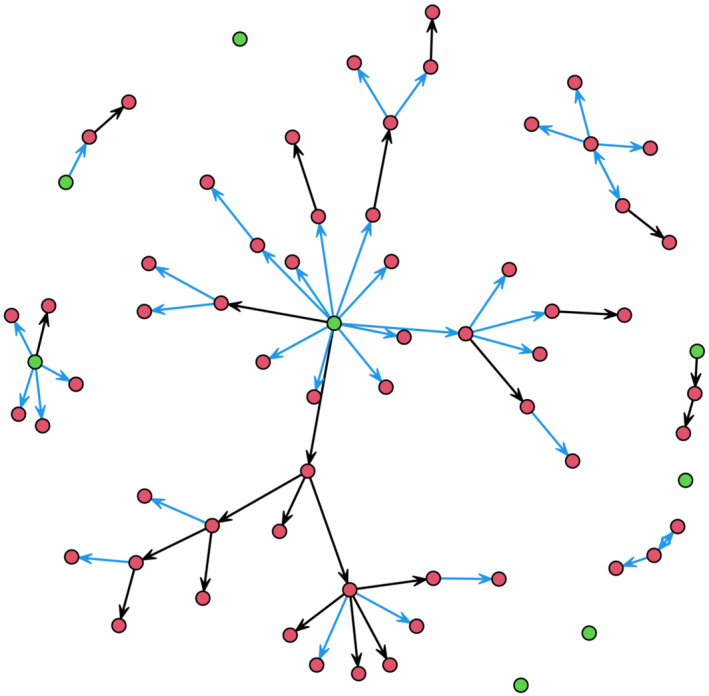 Figure 1
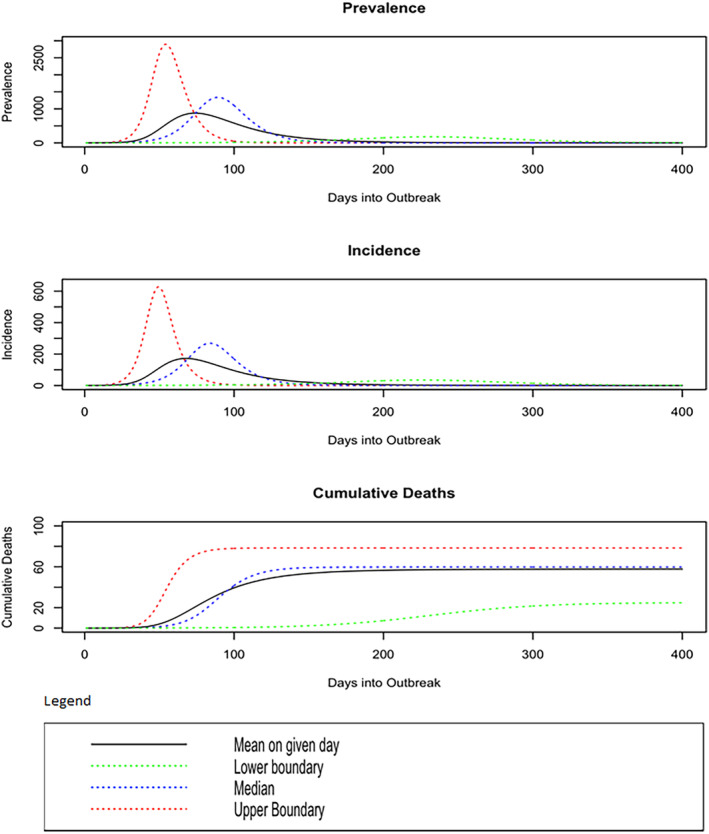 Figure 2
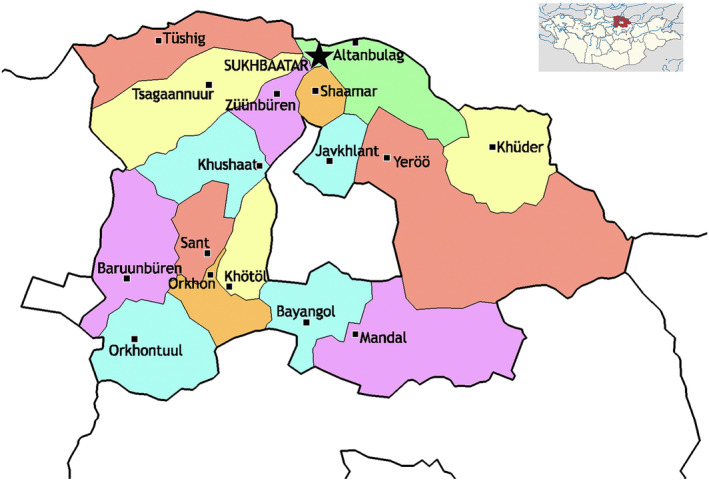 Figure 3
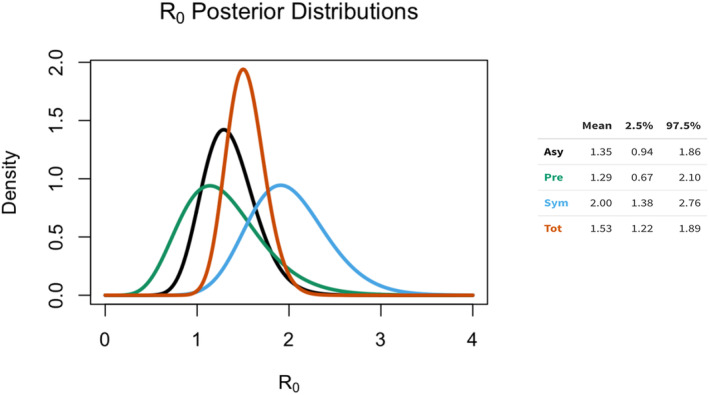 Figure 4
Peer Reviews
No public reviews on file for this paper yet. If you reviewed it on a platform where reviews are public (OpenReview, ICLR, NeurIPS, ICML), you can paste yours below so the community can read it here.
Videos
No videos yet. Explain this paper in a talk, walkthrough, or lecture? Add one.
Taxonomy
TopicsCOVID-19 epidemiological studies · Viral Infections and Outbreaks Research · SARS-CoV-2 detection and testing