A Phase Model of the Bio-Inspired NbOx Local Active Memristor under Weak Coupling Conditions
Xuetiao Ma, Yiran Shen

TL;DR
This paper explores a new type of computer using bio-inspired memristors to solve complex problems more efficiently.
Contribution
The paper introduces a physics-based computational method using local active memristor coupling for solving NP-hard problems.
Findings
The dynamics of memristor coupling networks were studied.
A simplified system phase model was derived for potential analog computing applications.
Abstract
For some so-called computationally difficult problems, using the method of Boolean logic is fundamentally inefficient. For example, the vertex coloring problem looks very simple, but the number of possible solutions increases sharply with the increase of graph vertices. This is the difficulty of the problem. This complexity has been widely studied because of its wide applications in the fields of data science, life science, social science, and engineering technology. Consequently, it has inspired the use of alternative and more effective non-Boolean methods for obtaining solutions to similar problems. In this paper, we explore the research on a new generation of computers that use local active memristors coupling. First, we study the dynamics of the memristor coupling network. Then, the simplified system phase model is obtained. This research not only clarifies a physics-based…
Click any figure to enlarge with its caption.
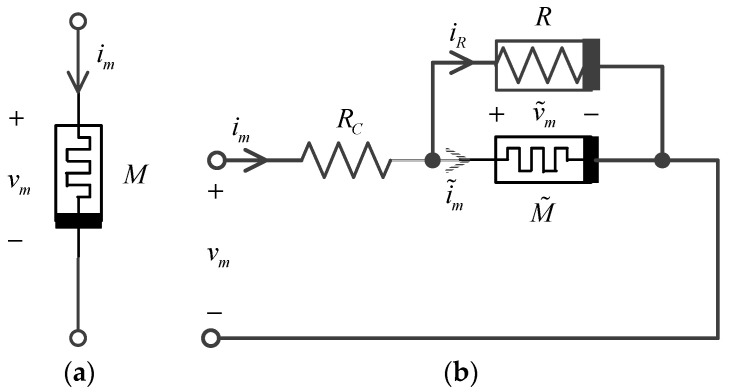 Figure 1
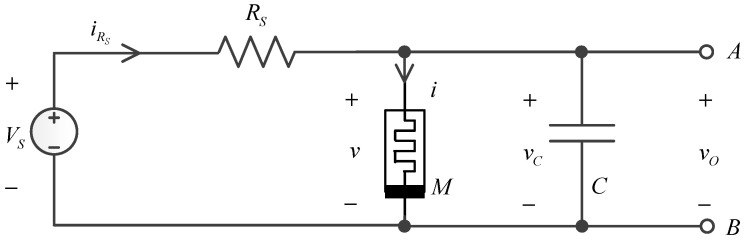 Figure 2
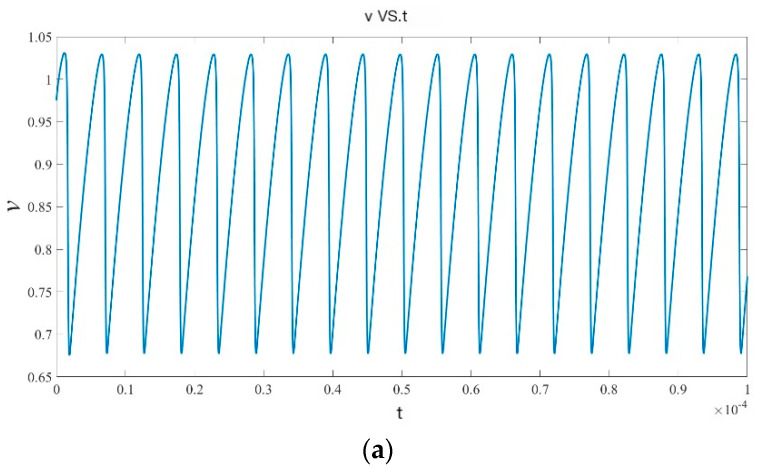 Figure 3
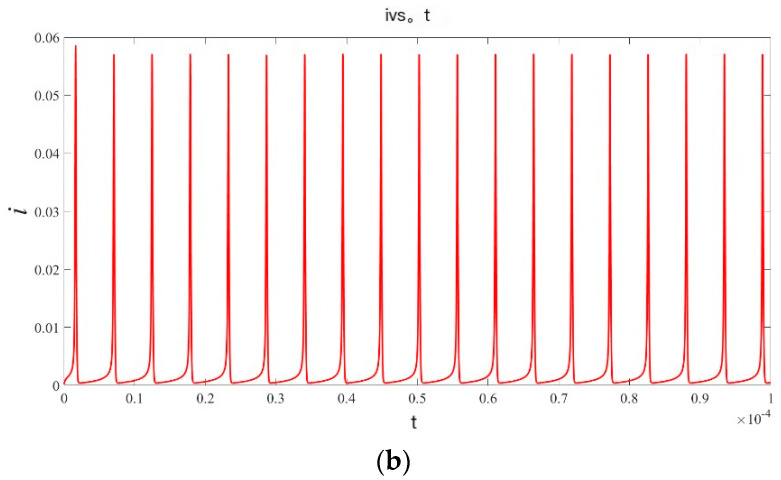 Figure 4
 Figure 5
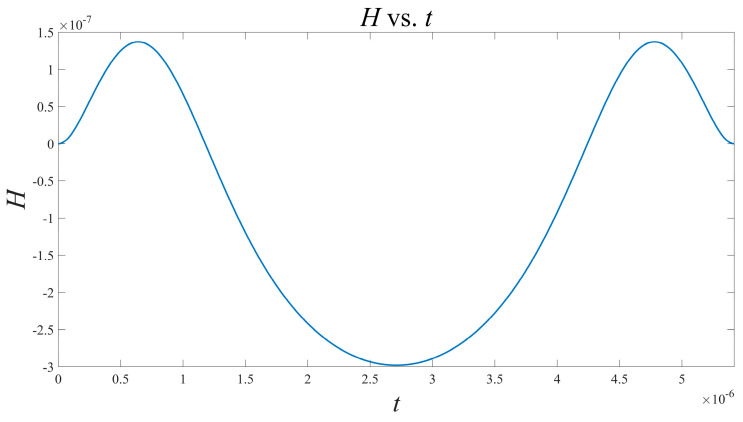 Figure 6
 Figure 7
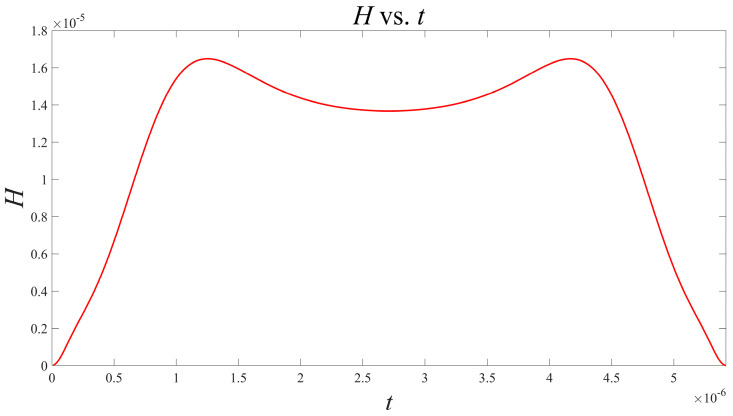 Figure 8
Peer Reviews
No public reviews on file for this paper yet. If you reviewed it on a platform where reviews are public (OpenReview, ICLR, NeurIPS, ICML), you can paste yours below so the community can read it here.
Videos
No videos yet. Explain this paper in a talk, walkthrough, or lecture? Add one.
Taxonomy
TopicsAdvanced Memory and Neural Computing · Neuroscience and Neural Engineering · Neural dynamics and brain function