Physical Properties of Paste Synthesized from Wet- and Dry-Processed Silver Powders
Hyun Jin Nam, Minkyung Shin, Hye Young Koo, Se-Hoon Park, Hyun Min Nam, Su-Yong Nam

TL;DR
This paper compares silver pastes made from wet and dry processing methods, focusing on their physical properties and performance after low-temperature curing.
Contribution
The study introduces a comparison of physical and electrical properties of pastes made from wet- and dry-processed silver powders for low-temperature applications.
Findings
Wet-processed pastes are plastic fluids, while dry-processed pastes behave more like pseudoplastic fluids.
Dry-processed pastes show significantly better conductivity after low-temperature curing.
Wet-processed pastes remain nonconductive after curing at 130 °C for 30 minutes.
Abstract
This study compares the characteristics and low-temperature curing properties of pastes prepared from silver (Ag) powders synthesized by either wet powder (WP) or dry powder (DP) processing. The WP synthesis of electrode particles has the advantage of controlling the average particle size and particle size distribution but the disadvantage of producing low-purity, crystalline particles because they are synthesized through chemical reduction at less than 100 °C. Conversely, the DP synthesis of electrode particles has the advantage of producing pure, highly crystalline particles (due to synthesis at high temperatures) but the disadvantage of a high processing cost. WP and DP were used to manufacture pastes for low-temperature curing, and the physical properties of the pastes and the electrode characteristics after low-temperature curing were compared between powder types. Shear stress as…
Genes, proteins, chemicals, diseases, species, mutations and cell lines named across the full text — each resolved to its canonical identifier and authoritative record.
Click any figure to enlarge with its caption.
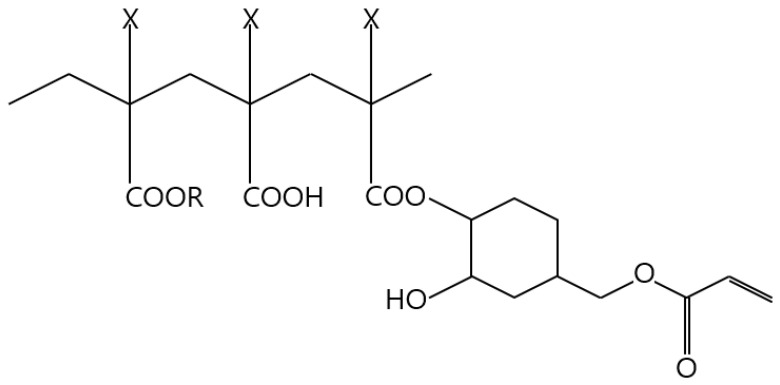 Figure 1
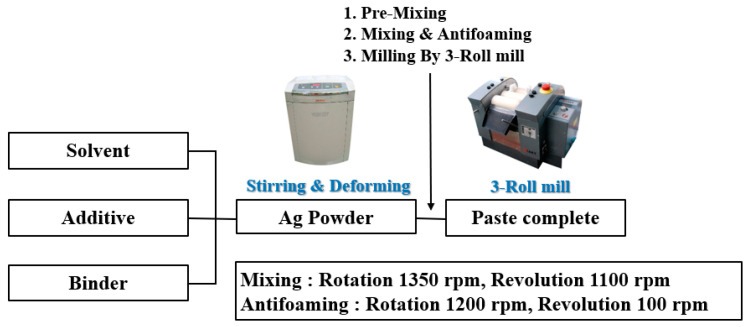 Figure 2
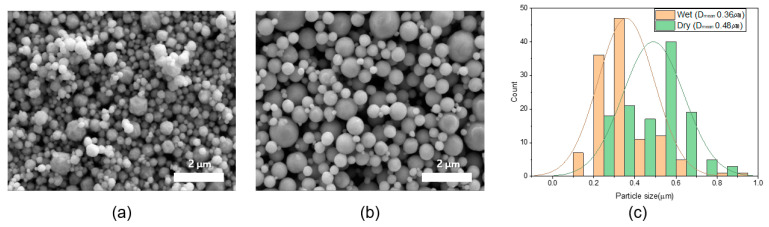 Figure 3
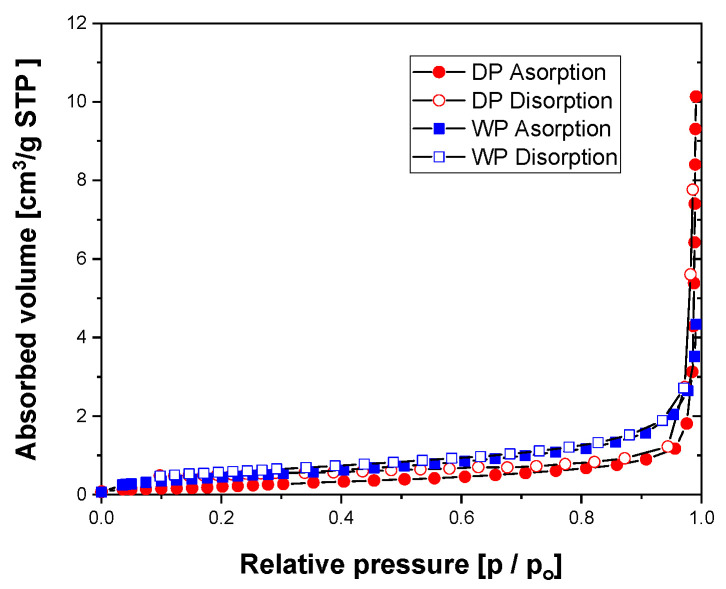 Figure 4
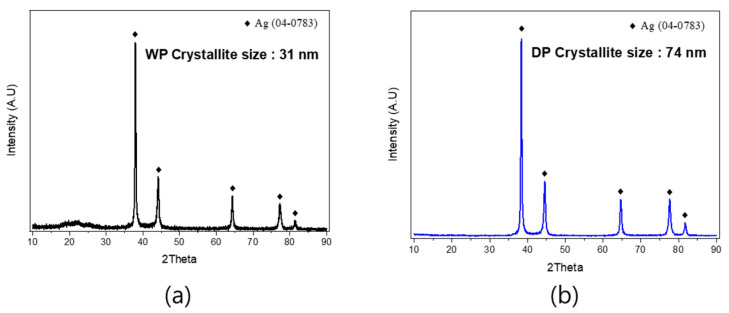 Figure 5
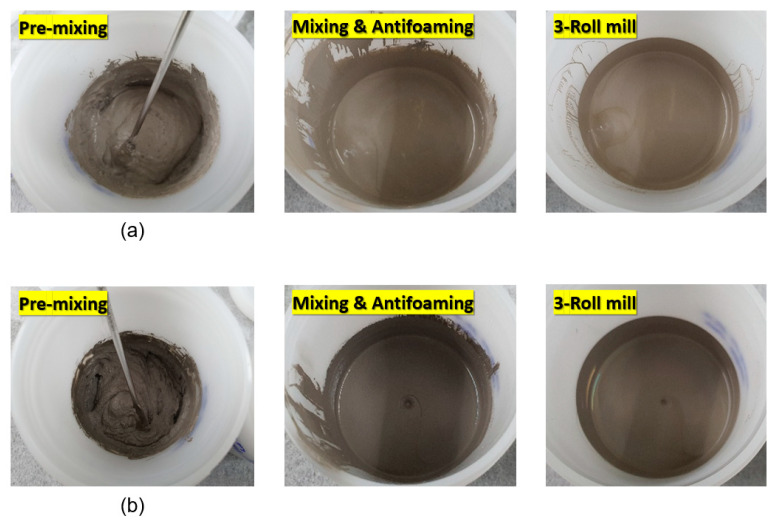 Figure 6
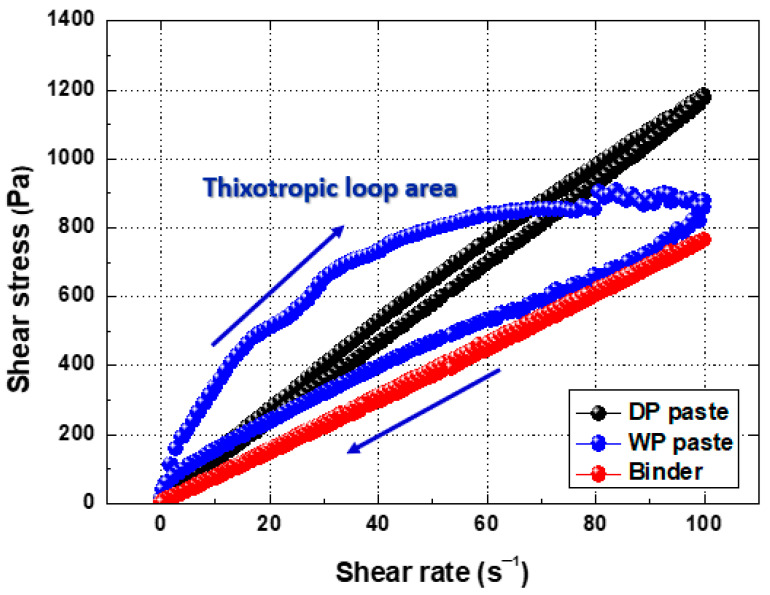 Figure 7
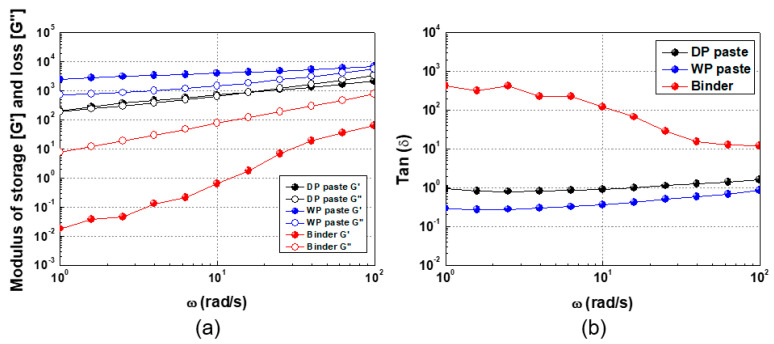 Figure 8
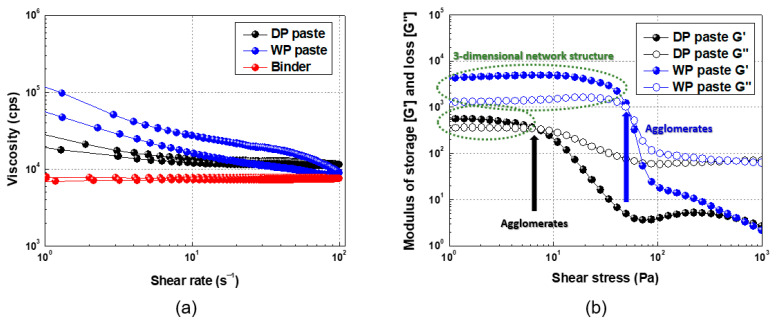 Figure 9
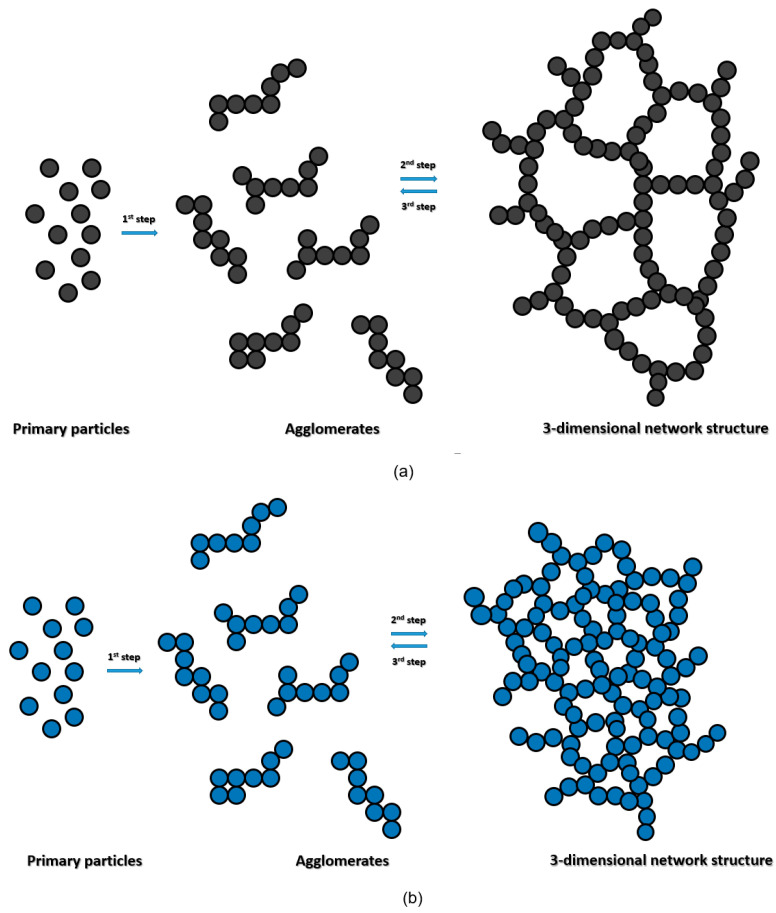 Figure 10
 Figure 11
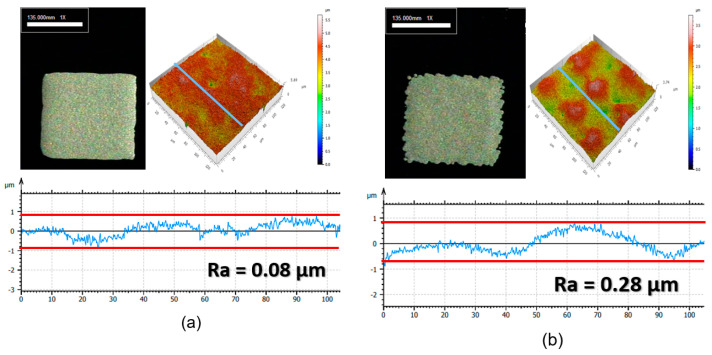 Figure 12
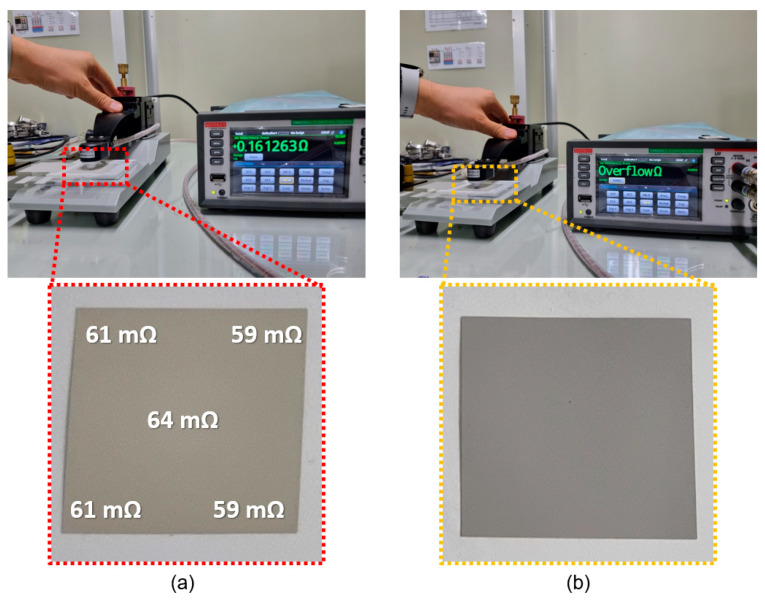 Figure 13
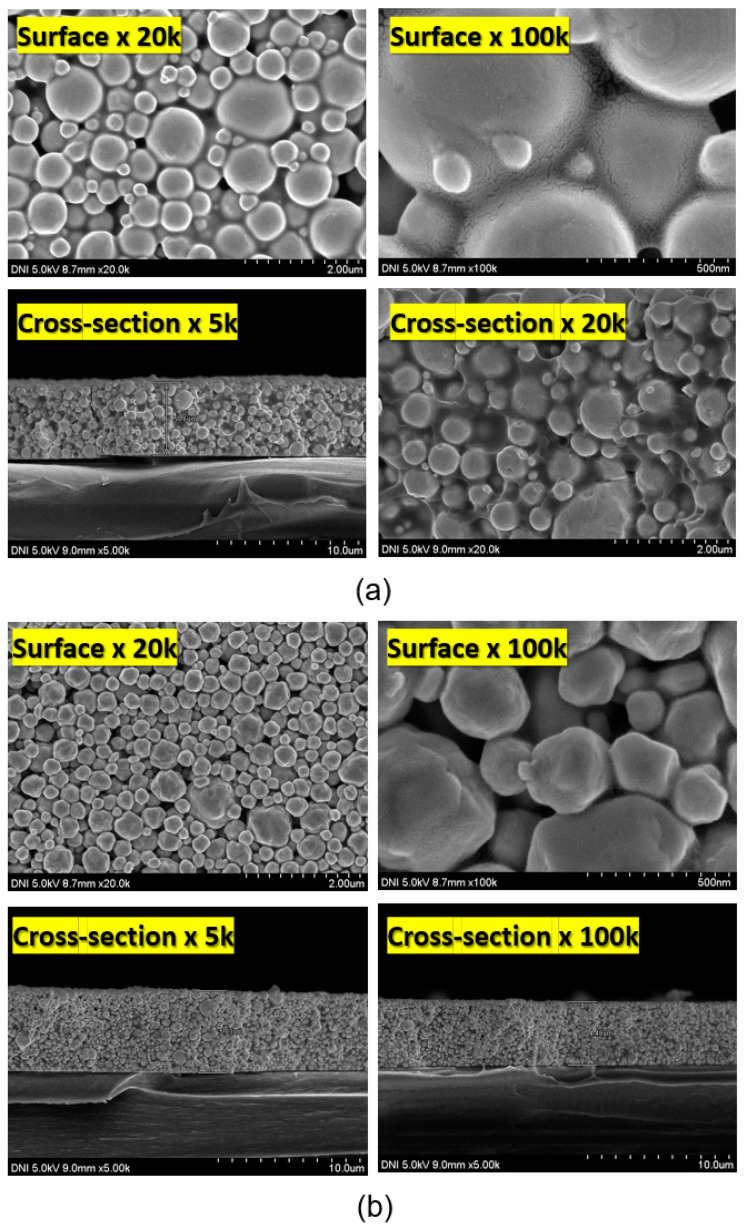 Figure 14
Peer Reviews
No public reviews on file for this paper yet. If you reviewed it on a platform where reviews are public (OpenReview, ICLR, NeurIPS, ICML), you can paste yours below so the community can read it here.
Videos
No videos yet. Explain this paper in a talk, walkthrough, or lecture? Add one.
Taxonomy
TopicsInnovative Educational Technologies · Educational Methods and Teacher Development · Educational Innovations and Challenges