Recycled or Bio-Based Solvents for the Synthesis of ZnO Nanoparticles: Characterization and Validation in Organic Solar Cells
Cristiano Albonetti, Riva Alkarsifi, Virginie El Qacemi, Benjamin Dhuiege, Giampiero Ruani, Mirko Seri

TL;DR
This paper explores using recycled or bio-based solvents to make ZnO nanoparticles for solar cells, achieving similar performance to traditional methods.
Contribution
The study introduces sustainable solvents (recycled methanol and bioethanol) for ZnO NP synthesis without compromising solar cell efficiency.
Findings
ZnO nanoparticles synthesized with recycled methanol and bioethanol showed comparable optical and electronic properties to conventional methods.
Solar cells using these sustainable ZnO NPs achieved power conversion efficiencies of approximately 7%.
The alternative solvents validated a more eco-friendly approach without sacrificing performance.
Abstract
Among solution-processable metal oxides, zinc oxide (ZnO) nanoparticle inks are widely used in inverted organic solar cells for the preparation, at relatively low temperatures (<120 °C), of highly efficient electron-transporting layers. There is, however, a recent interest to develop more sustainable and less impacting methods/strategies for the preparation of ZnO NPs with controlled properties and improved performance. To this end, we report here the synthesis and characterization of ZnO NPs obtained using alternative reaction solvents derived from renewable or recycled sources. In detail, we use (i) recycled methanol (r-MeOH) to close the loop and minimize wastes or (ii) bioethanol (b-EtOH) to prove the effectiveness of a bio-based solvent. The effect of r-MeOH and b-EtOH on the optical, morphological, and electronic properties of the resulting ZnO NPs, both in solution and…
Genes, proteins, chemicals, diseases, species, mutations and cell lines named across the full text — each resolved to its canonical identifier and authoritative record.
Click any figure to enlarge with its caption.
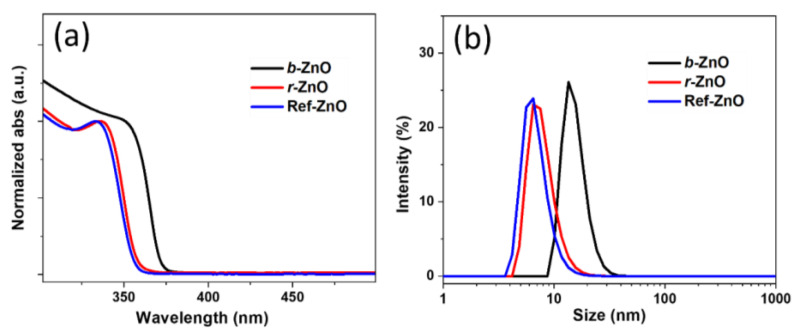 Figure 1
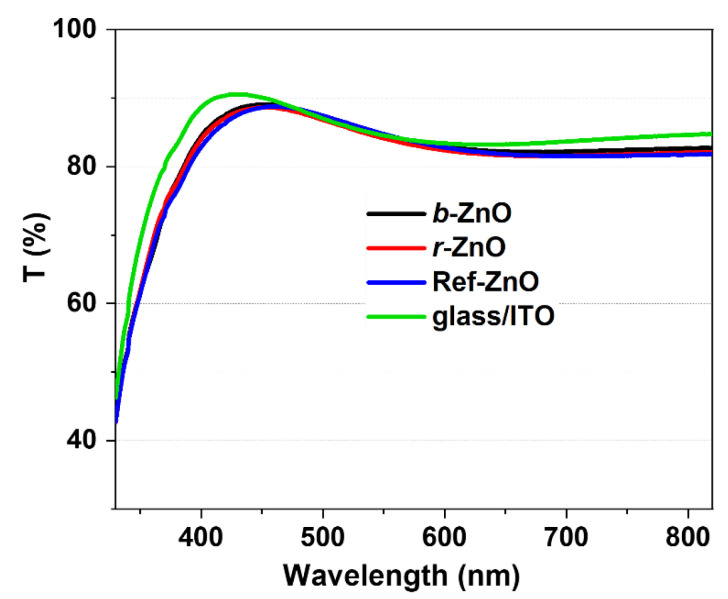 Figure 2
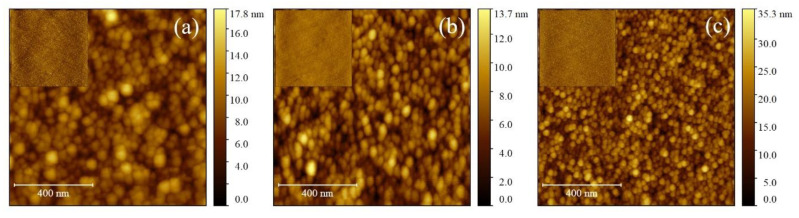 Figure 3
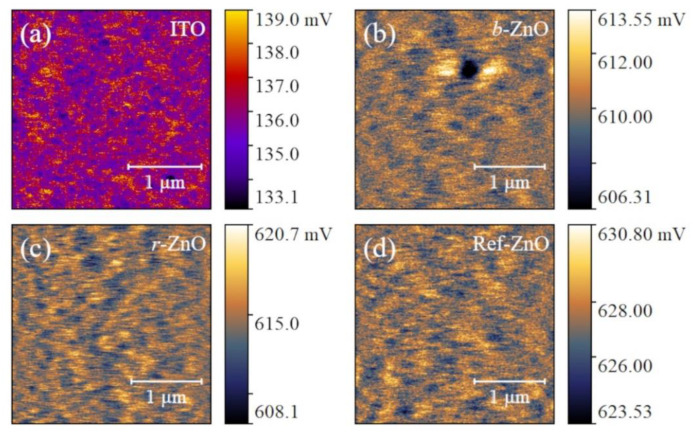 Figure 4
 Figure 5
 Figure 6
 Figure 7
Peer Reviews
No public reviews on file for this paper yet. If you reviewed it on a platform where reviews are public (OpenReview, ICLR, NeurIPS, ICML), you can paste yours below so the community can read it here.
Videos
No videos yet. Explain this paper in a talk, walkthrough, or lecture? Add one.
Taxonomy
TopicsOrganic Electronics and Photovoltaics · Quantum Dots Synthesis And Properties · Conducting polymers and applications