Numerical Simulations of Combined Dielectrophoresis and Alternating Current Electrothermal Flow for High-Efficient Separation of (Bio)Microparticles
Hao Jiang, Yalin Li, Fei Du, Zhaoguang Nie, Gang Wei, Yan Wang, Xiaomin Liu

TL;DR
This paper proposes a new method combining dielectrophoresis and ACET flow to improve the efficiency of separating bio-microparticles while addressing Joule heating issues.
Contribution
A novel design integrating DEP and ACET flow to enhance separation efficiency and mitigate Joule heating effects.
Findings
ACET flow and DEP motion act in the same plane but different directions for precise separation.
The coupling model predicts particle trajectories effectively in the separator.
The design addresses Joule heating interference, improving system throughput.
Abstract
High-efficient separation of (bio)microparticles has important applications in chemical analysis, environmental monitoring, drug screening, and disease diagnosis and treatment. As a label-free and high-precision separation scheme, dielectrophoresis (DEP) has become a research hotspot in microparticle separation, especially for biological cells. When processing cells with DEP, relatively high electric conductivities of suspending media are sometimes required to maintain the biological activities of the biosample, which results in high temperature rises within the system caused by Joule heating. The induced temperature gradient generates a localized alternating current electrothermal (ACET) flow disturbance, which seriously impacts the DEP manipulation of cells. Based on this, we propose a novel design of the (bio)microparticle separator by combining DEP with ACET flow to intensify the…
Genes, proteins, chemicals, diseases, species, mutations and cell lines named across the full text — each resolved to its canonical identifier and authoritative record.
Click any figure to enlarge with its caption.
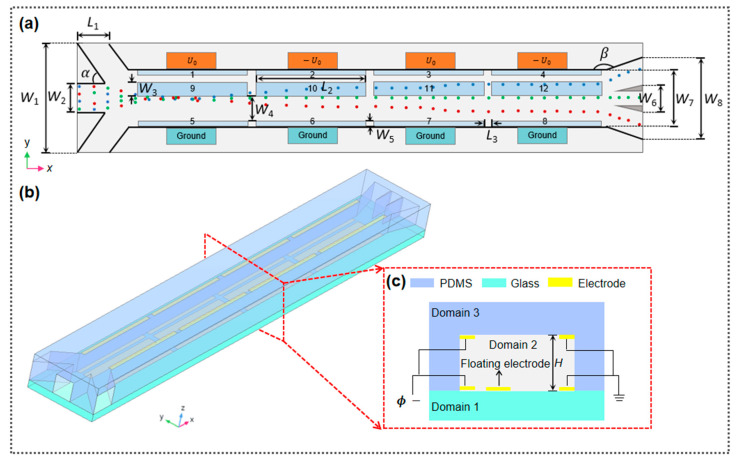 Figure 1
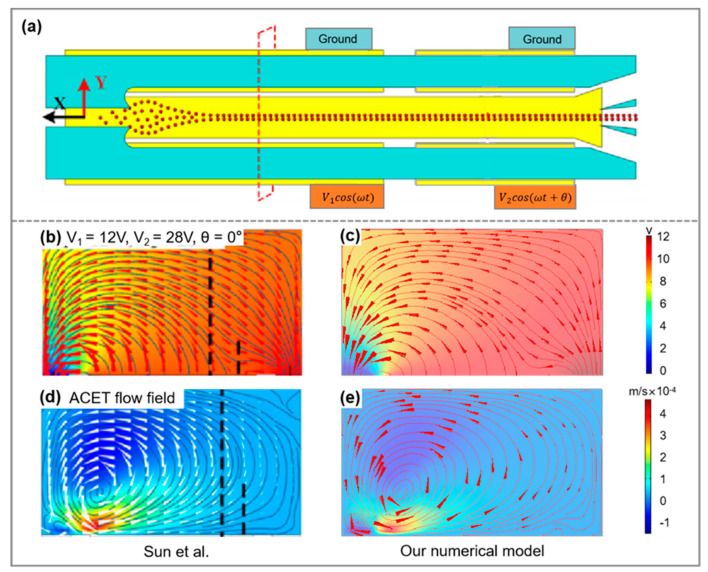 Figure 2
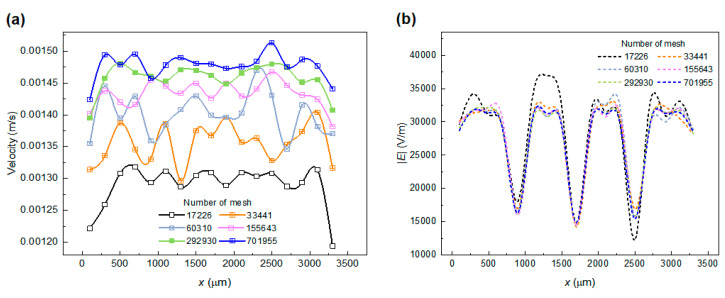 Figure 3
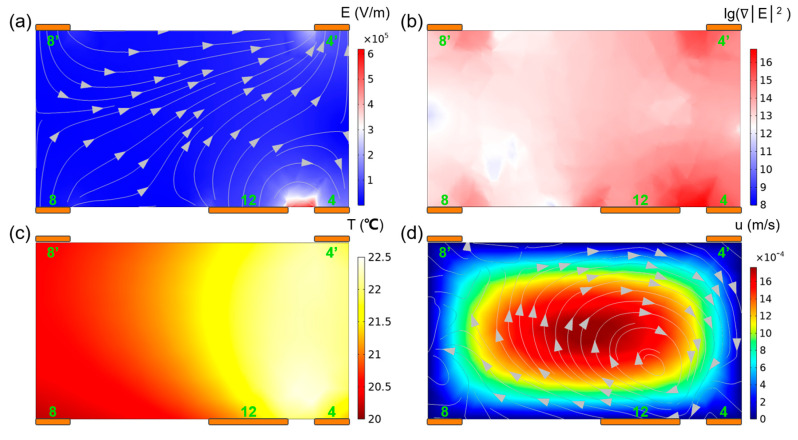 Figure 4
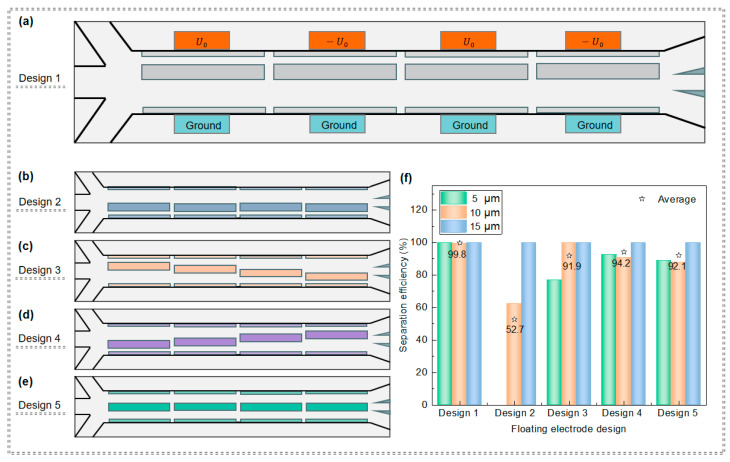 Figure 5
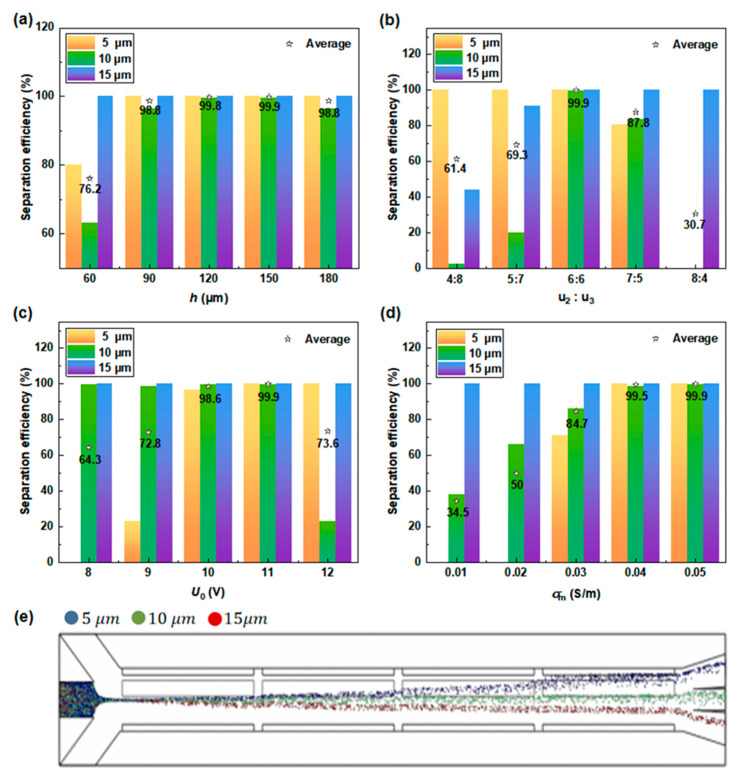 Figure 6
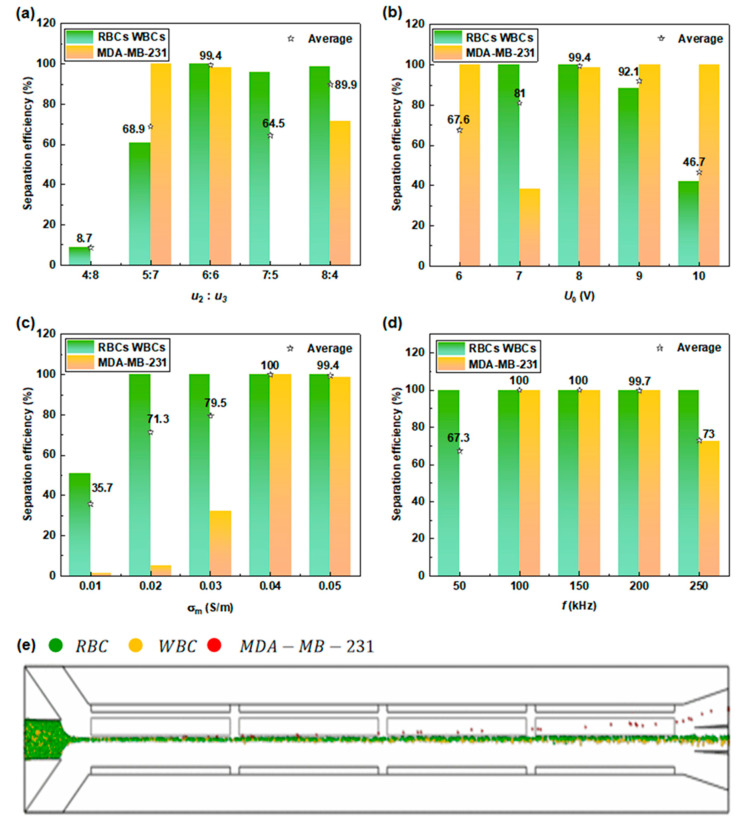 Figure 7
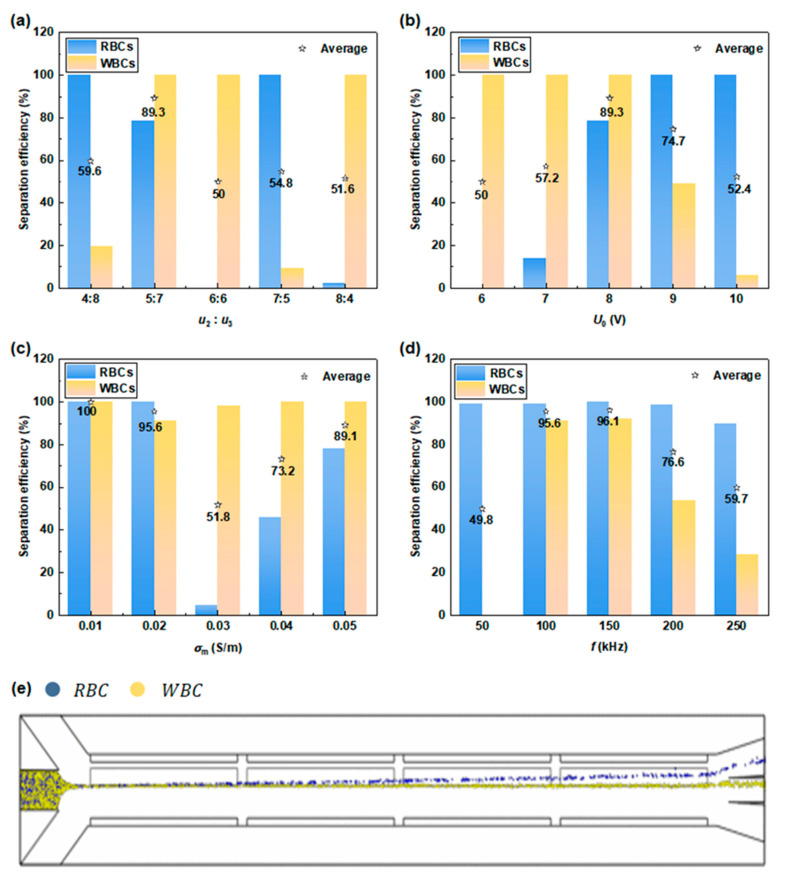 Figure 8
 Figure 9
Peer Reviews
No public reviews on file for this paper yet. If you reviewed it on a platform where reviews are public (OpenReview, ICLR, NeurIPS, ICML), you can paste yours below so the community can read it here.
Videos
No videos yet. Explain this paper in a talk, walkthrough, or lecture? Add one.
Taxonomy
TopicsHistorical and Environmental Studies · Italy: Economic History and Contemporary Issues