A More Comfortable Method for Hydrostatic Weighing: Head above Water at Total Lung Capacity
Erin White, Silas Bergen, Annabelle Berggren, Lillian Brinkman, Brianna Carman, Lucas Crouse, Emma Hoffmann, Sara Twedt

TL;DR
This study finds a more comfortable way to do hydrostatic weighing by keeping the head above water and taking a deep breath, making the process more accessible and enjoyable.
Contribution
The study introduces a more comfortable method for hydrostatic weighing by using head above water and total lung capacity.
Findings
Keeping the head above water increased body fat percentage estimates compared to head below water.
Using total lung capacity decreased body fat percentage estimates compared to residual volume.
For males, head above water at total lung capacity significantly lowered body fat estimates compared to head below water at residual volume.
Abstract
Hydrostatic weighing (HW) requires full submersion with the lungs at residual volume (RV) which is uncomfortable. Therefore, the purpose of this study was to find a more comfortable way to complete HW. A HW system was used to complete three comparisons: comparison 1: change in head position (head above water vs. head below water (HAW vs. HBW)), comparison 2: change in lung volume (total lung capacity (TLC) vs. RV), and comparison 3: change in head and lung volume changes. Participants were separated by males (n = 64) and females (n = 58). Comparison 1: HAW resulted in higher mean percent body fat (PBF) than HBW (4.5% overall, 3.8% in males, 5.4% in females, p < 0.05). Comparison 2: TLC resulted in lower mean PBF than RV (5.1% overall, 5.3% in males, 4.8% in females, p < 0.05). Comparison 3: HAW@TLC resulted in significantly lower (1.5% lower, p = 0.003) mean PBF for males but was not…
Genes, proteins, chemicals, diseases, species, mutations and cell lines named across the full text — each resolved to its canonical identifier and authoritative record.
Click any figure to enlarge with its caption.
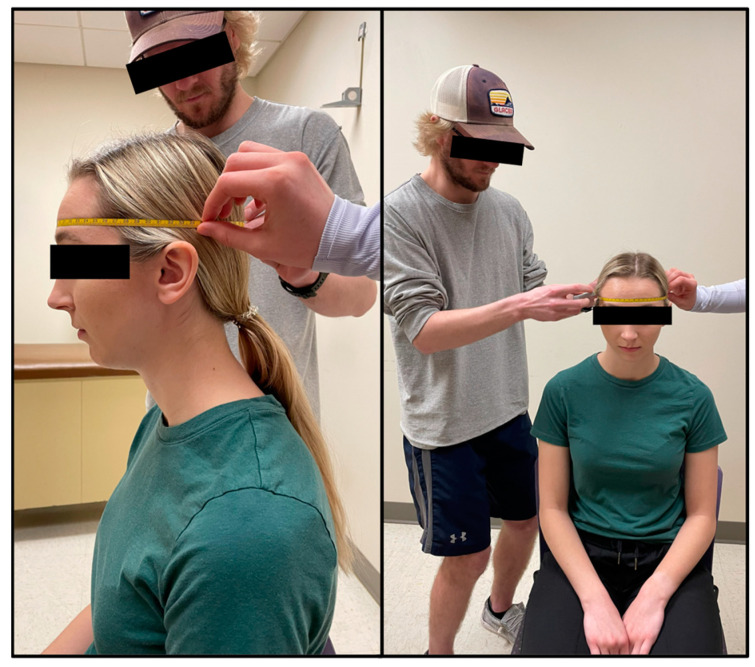 Figure 1
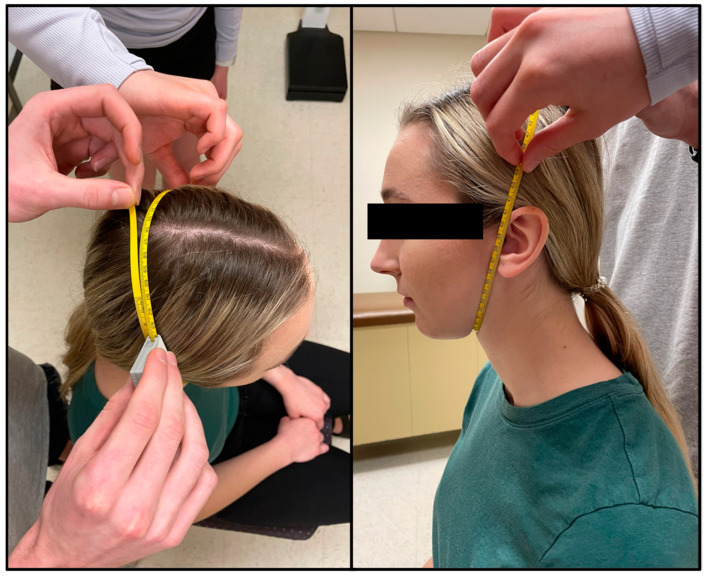 Figure 2
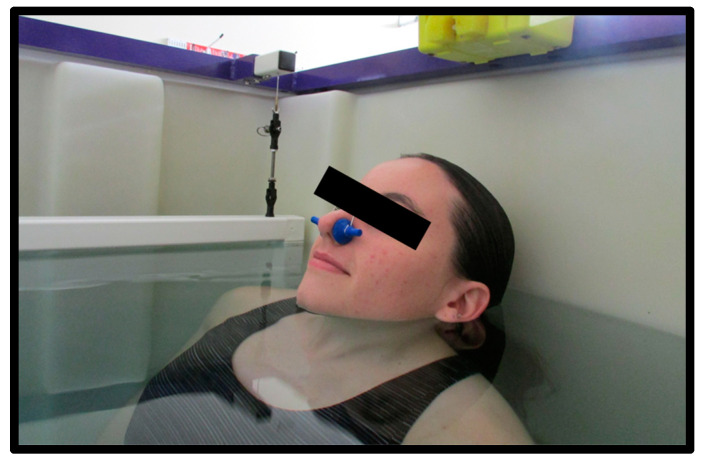 Figure 3
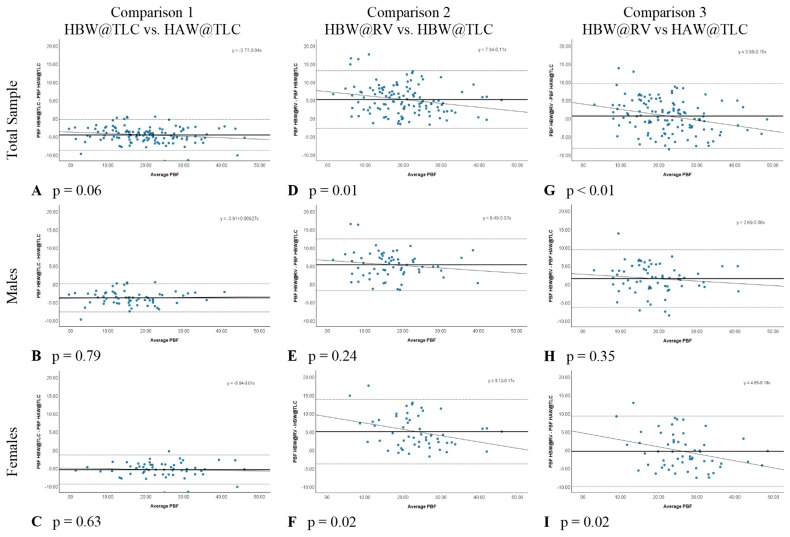 Figure 4
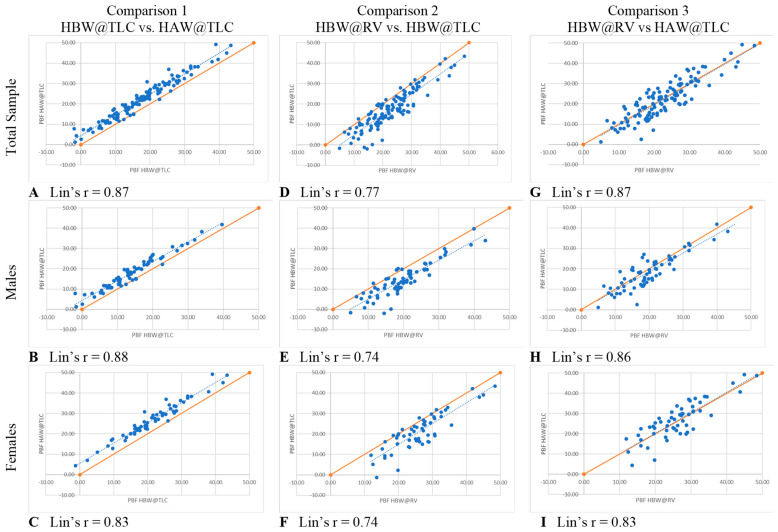 Figure 5
Peer Reviews
No public reviews on file for this paper yet. If you reviewed it on a platform where reviews are public (OpenReview, ICLR, NeurIPS, ICML), you can paste yours below so the community can read it here.
Videos
No videos yet. Explain this paper in a talk, walkthrough, or lecture? Add one.
Taxonomy
TopicsChronic Obstructive Pulmonary Disease (COPD) Research · Injury Epidemiology and Prevention · Delphi Technique in Research