Study protocol: Identifying transcriptional regulatory alterations of chronic effects of blast and disturbed sleep in United States Veterans
Molly J. Sullan, Kelly A. Stearns-Yoder, Zhaoyu Wang, Andrew J. Hoisington, Adam D. Bramoweth, Walter Carr, Yongchao Ge, Hanga Galfalvy, Fatemah Haghighi, Lisa A. Brenner

TL;DR
This study aims to identify how repeated blast exposure affects gene regulation and sleep in veterans, potentially leading to long-term health issues.
Contribution
The study introduces a protocol to explore epigenetic changes in veterans due to repeated blast exposure and their long-term effects.
Findings
Epigenetic markers like DNA methylation may indicate cumulative blast exposure in veterans.
Differentially methylated regions (DMRs) could be linked to sleep and psychological changes in veterans.
Comparing active duty and veteran cohorts may reveal the long-term effects of blast exposure.
Abstract
Injury related to blast exposure dramatically rose during post-911 era military conflicts in Iraq and Afghanistan. Mild traumatic brain injury (mTBI) is among the most common injuries following blast, an exposure that may not result in a definitive physiologic marker (e.g., loss of consciousness). Recent research suggests that exposure to low level blasts and, more specifically repetitive blast exposure (RBE), which may be subconcussive in nature, may also impact long term physiologic and psychological outcomes, though findings have been mixed. For military personnel, blast-related injuries often occur in chaotic settings (e.g., combat), which create challenges in the immediate assessment of related-injuries, as well as acute and post-acute sequelae. As such, alternate means of identifying blast-related injuries are needed. Results from previous work suggest that epigenetic markers,…
Genes, proteins, chemicals, diseases, species, mutations and cell lines named across the full text — each resolved to its canonical identifier and authoritative record.
Click any figure to enlarge with its caption.
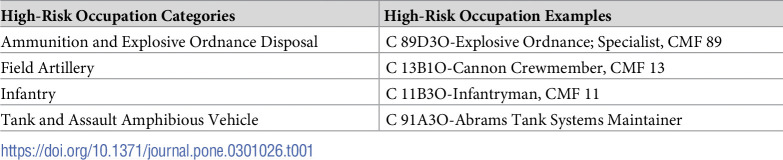 Figure 1
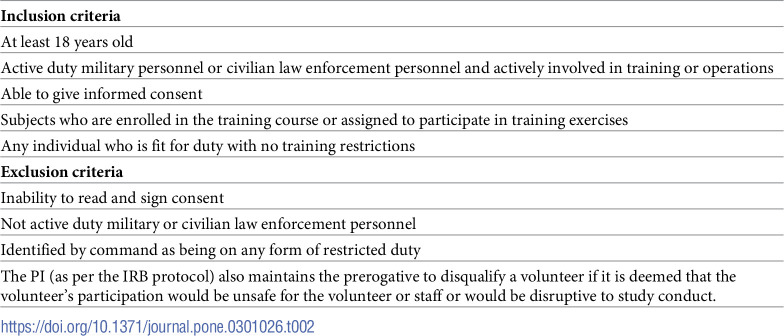 Figure 2
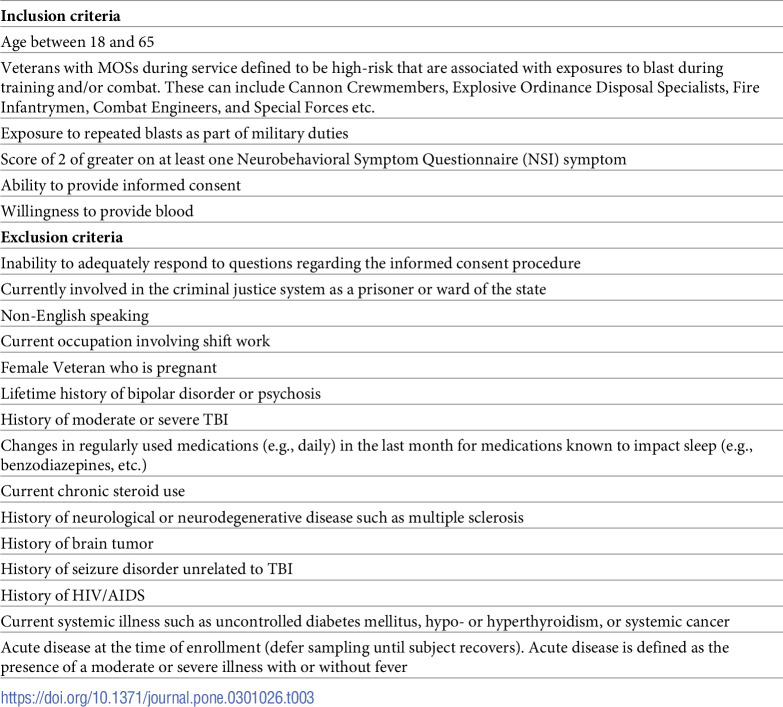 Figure 3
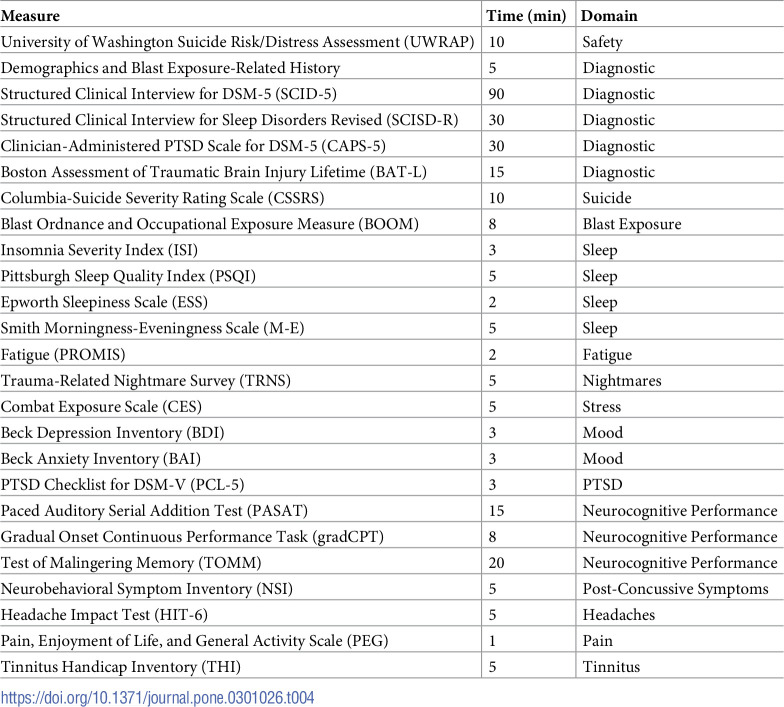 Figure 4
Peer Reviews
No public reviews on file for this paper yet. If you reviewed it on a platform where reviews are public (OpenReview, ICLR, NeurIPS, ICML), you can paste yours below so the community can read it here.
Videos
No videos yet. Explain this paper in a talk, walkthrough, or lecture? Add one.
Taxonomy
TopicsTraumatic Brain Injury Research · Cardiac Arrest and Resuscitation · Resilience and Mental Health