In Silico Description of the Direct Inhibition Mechanism of Endothelial Lipase by ANGPTL3
Linda Montavoci, Omar Ben Mariem, Simona Saporiti, Tommaso Laurenzi, Luca Palazzolo, Alice Federica Ossoli, Uliano Guerrini, Laura Calabresi, Ivano Eberini

TL;DR
This study uses computer modeling to understand how ANGPTL3 inhibits endothelial lipase, which could help in developing new therapies for lipid-related diseases.
Contribution
The study identifies specific residues in ANGPTL3 that may form a molecular recognition site for endothelial lipase.
Findings
Three glutamates in ANGPTL3 (Glu154, Glu157, Glu160) recognize a positively charged patch on endothelial lipase.
Molecular dynamics simulations and docking revealed the interaction mechanism between ANGPTL3 and EL.
The findings provide a foundation for designing novel ANGPTL3 inhibitors.
Abstract
Angiopoietin-like protein 3 (ANGPTL3) is a plasmatic protein that plays a crucial role in lipoprotein metabolism by inhibiting the lipoprotein lipase (LPL) and the endothelial lipase (EL) responsible for the hydrolysis of phospholipids on high-density lipoprotein (HDL). Interest in developing new pharmacological therapies aimed at inhibiting ANGPTL3 has been growing due to the hypolipidemic and antiatherogenic profile observed in its absence. The goal of this study was the in silico characterization of the interaction between ANGPTL3 and EL. Because of the lack of any structural information on both the trimeric coiled-coil N-terminal domain of ANGPTL3 and the EL homodimer as well as data regarding their interactions, the first step was to obtain the three-dimensional model of these two proteins. The models were then refined via molecular dynamics (MD) simulations and used to investigate…
Genes, proteins, chemicals, diseases, species, mutations and cell lines named across the full text — each resolved to its canonical identifier and authoritative record.
Click any figure to enlarge with its caption.
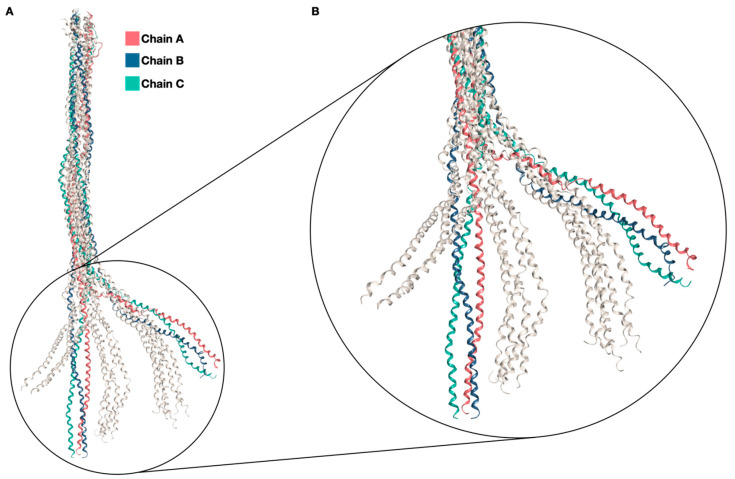 Figure 1
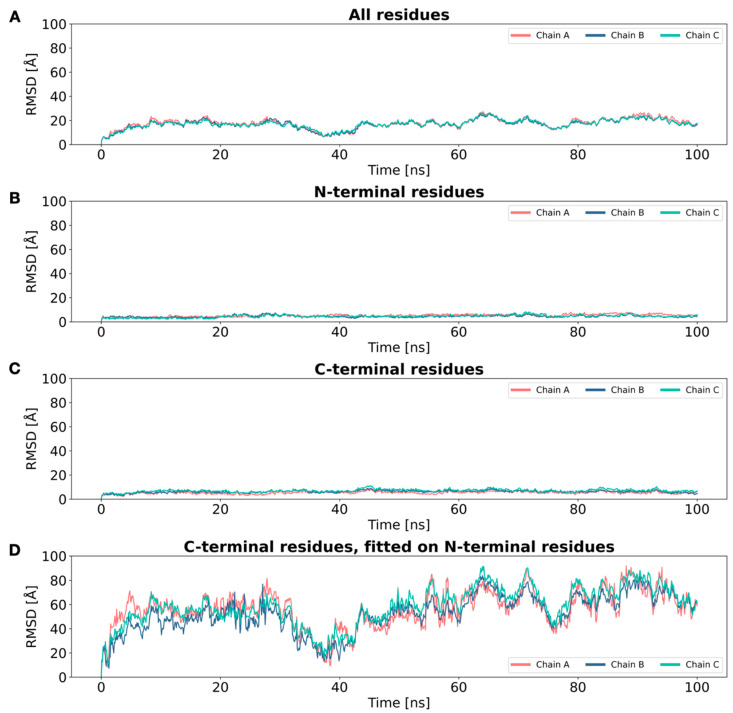 Figure 2
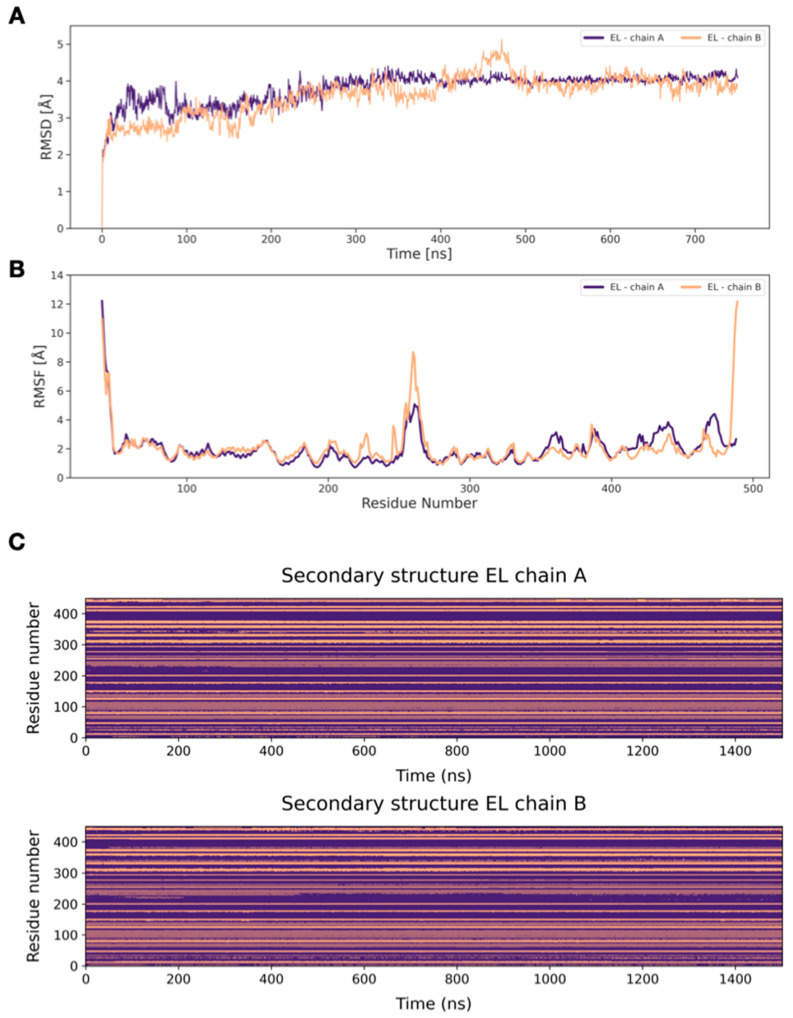 Figure 3
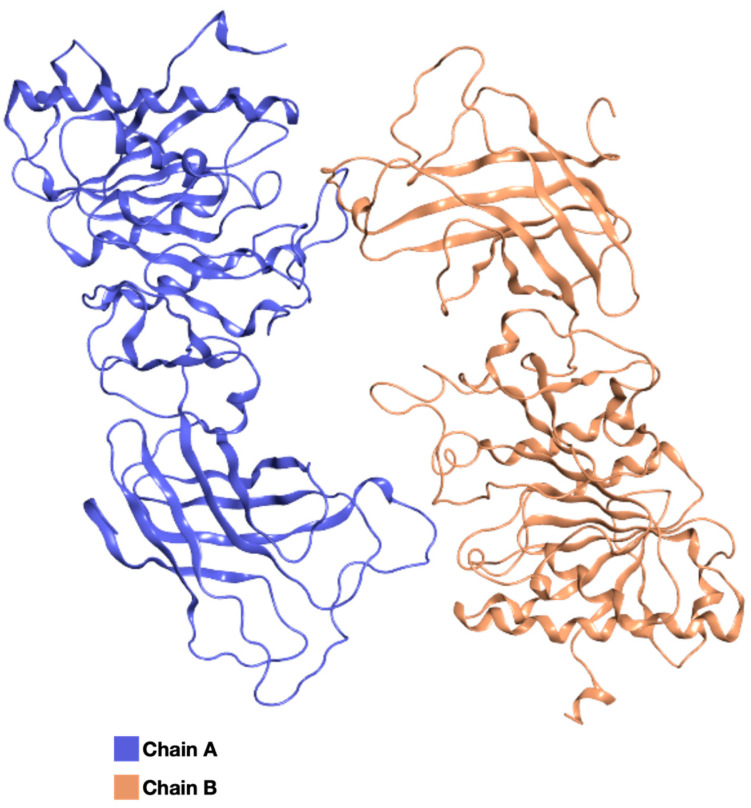 Figure 4
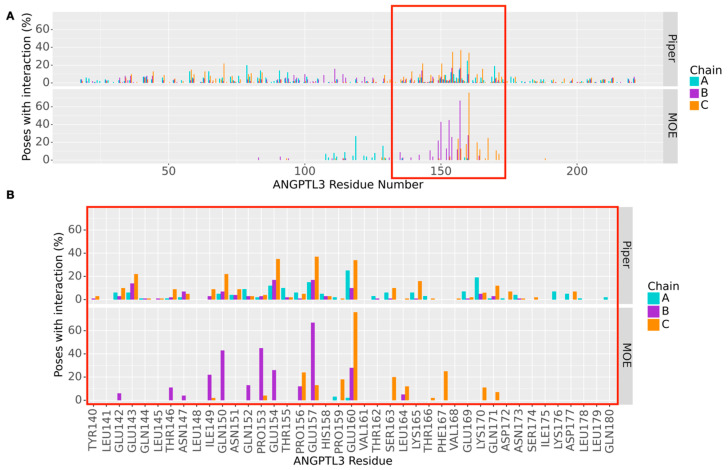 Figure 5
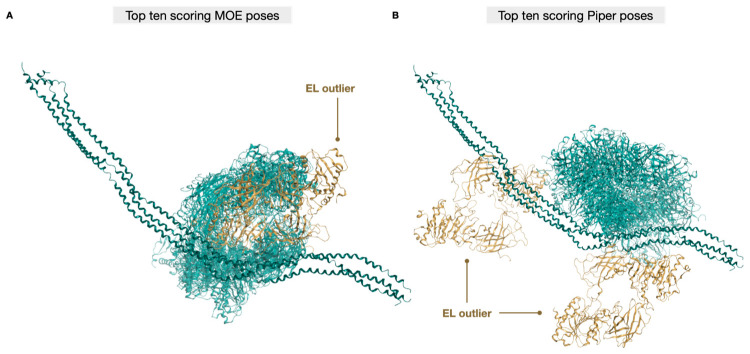 Figure 6
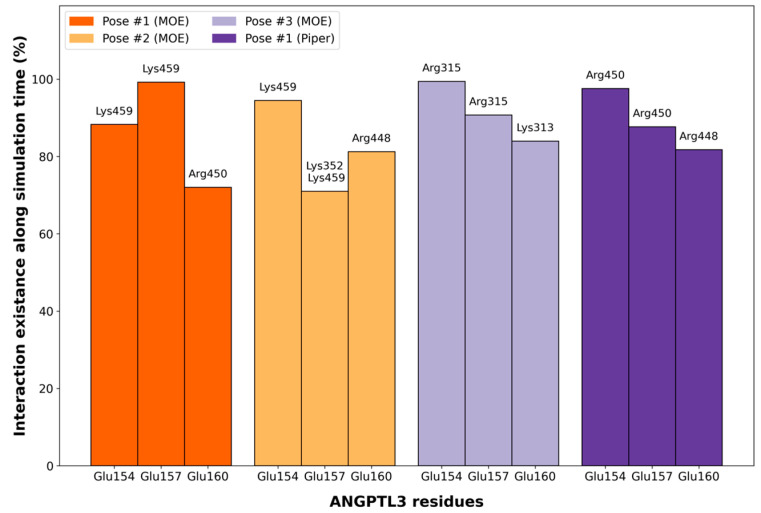 Figure 7
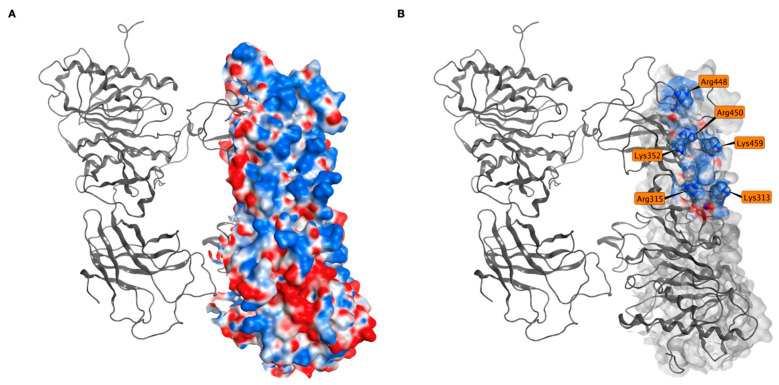 Figure 8
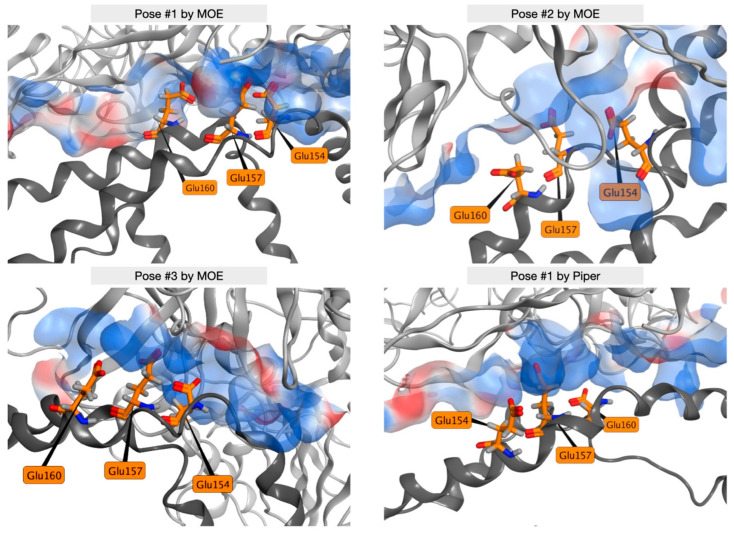 Figure 9
Peer Reviews
No public reviews on file for this paper yet. If you reviewed it on a platform where reviews are public (OpenReview, ICLR, NeurIPS, ICML), you can paste yours below so the community can read it here.
Videos
No videos yet. Explain this paper in a talk, walkthrough, or lecture? Add one.
Taxonomy
TopicsLipid metabolism and disorders · Diabetes, Cardiovascular Risks, and Lipoproteins