Development of a Technique Using Artificial Membrane for In Vitro Rearing of Body Lice Pediculus humanus humanus
Alissa Hammoud, Meriem Louni, Linda Abou-Chacra, Gabriel Haddad, Noelle Mazzotti, Florence Fenollar, Oleg Mediannikov

TL;DR
Researchers developed a new method to rear body lice on an artificial membrane, which could replace using live animals for studying lice-borne diseases.
Contribution
A novel in vitro lice-rearing technique using an artificial membrane was developed and successfully produced one generation of body lice.
Findings
Lice reared on heparinized blood in a Petri dish reached adulthood in 21 days and produced 52 eggs.
In vitro lice showed comparable feeding and longevity to those reared on rabbits, though fecundity was lower.
The artificial membrane method met animal welfare requirements and could replace animal models in biological assays.
Abstract
Louse-borne diseases have caused millions of deaths around the world and are currently re-emerging in some countries. Implementing a simple and accessible lice-rearing system would significantly advance research on the louse–pathogen cycle and vectorial capacities. Several in vivo and in vitro lice-rearing methods have been developed. However, these approaches have drawbacks, making lice production more difficult. Here, we aimed to adapt the Orlando (Or) strain of body lice on an artificial membrane. The Hemotek system and a Petri dish system covered with a Parafilm membrane were tested on newly hatched first-stage larvae (L1). Rearing follow-up consisted of recording dead, fed and moulted specimens throughout the experiments. In addition, microscopic ultra-structures, blood meal digestion and sterility were evaluated and compared to those of larvae being reared on rabbit hosts. When…
Genes, proteins, chemicals, diseases, species, mutations and cell lines named across the full text — each resolved to its canonical identifier and authoritative record.
Click any figure to enlarge with its caption.
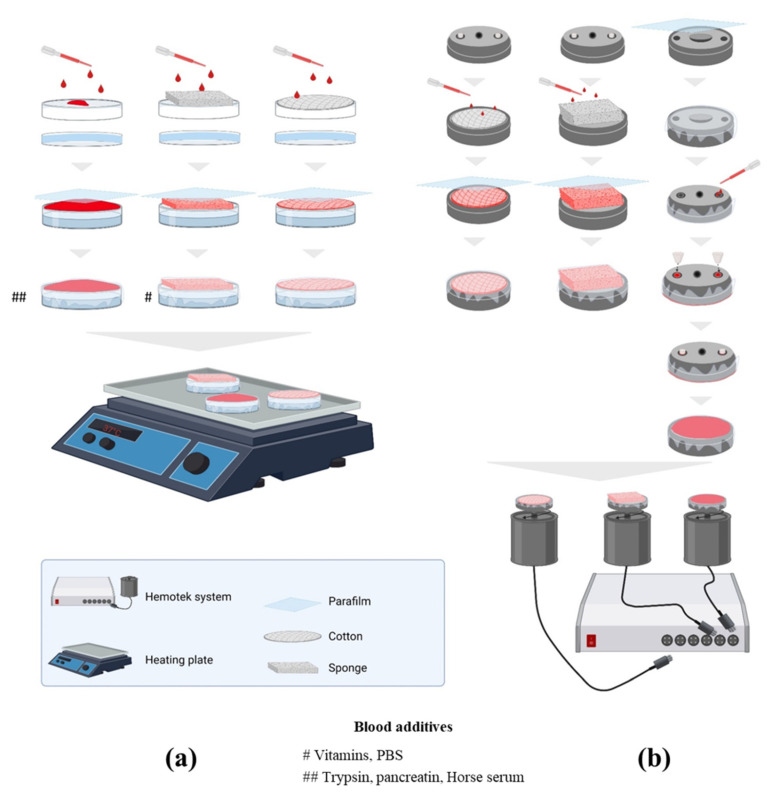 Figure 1
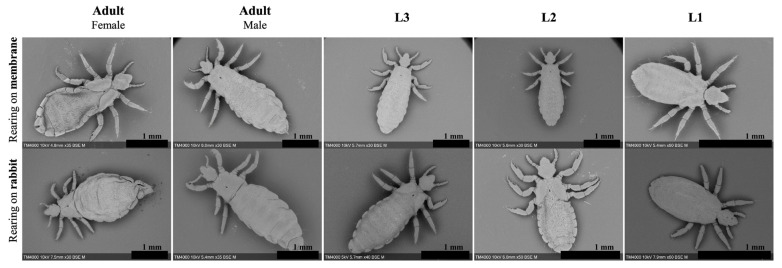 Figure 2
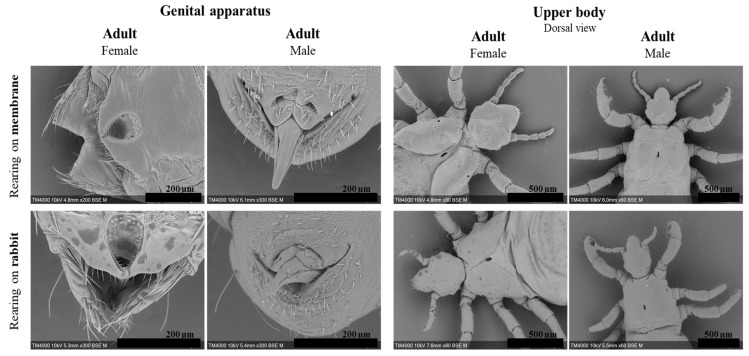 Figure 3
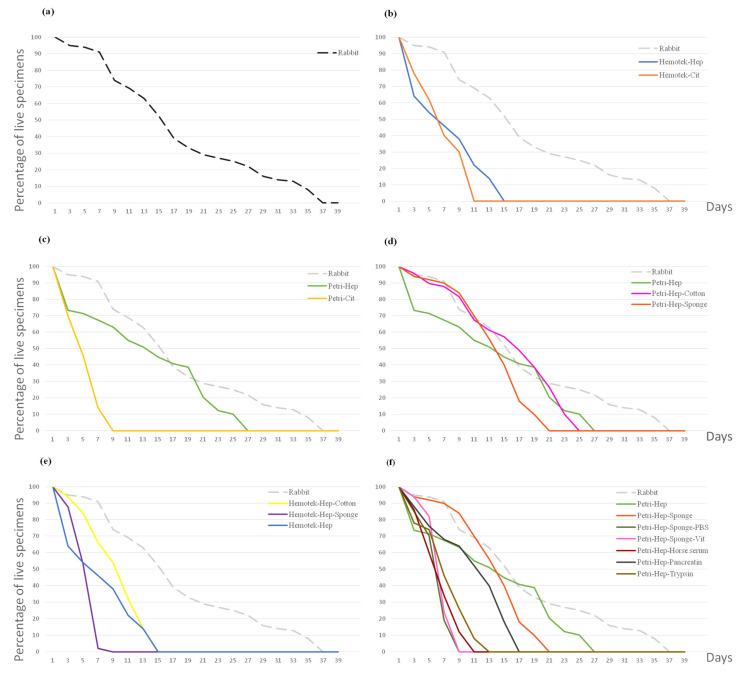 Figure 4
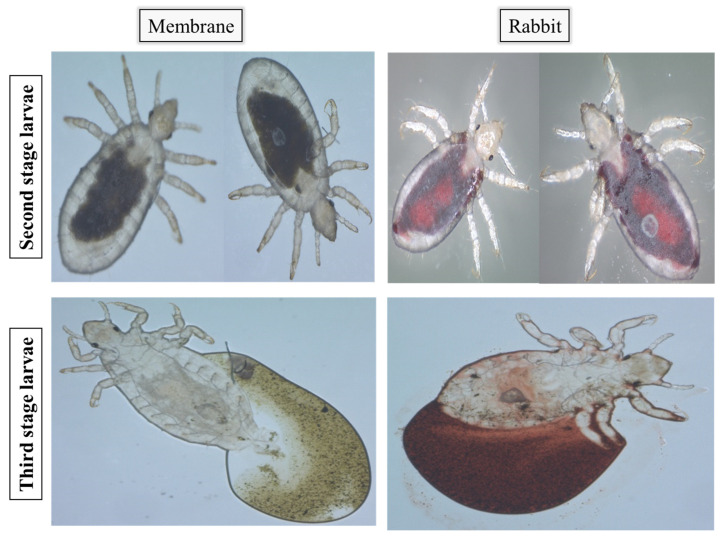 Figure 5
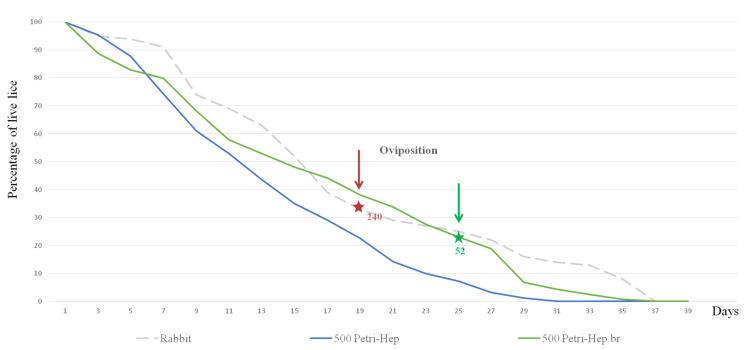 Figure 6
Peer Reviews
No public reviews on file for this paper yet. If you reviewed it on a platform where reviews are public (OpenReview, ICLR, NeurIPS, ICML), you can paste yours below so the community can read it here.
Videos
No videos yet. Explain this paper in a talk, walkthrough, or lecture? Add one.
Taxonomy
TopicsDermatological diseases and infestations · Vector-borne infectious diseases · Insect and Pesticide Research