Correlation of Presynaptic and Postsynaptic Proteins with Pathology in Alzheimer’s Disease
Geidy E. Serrano, Jessica Walker, Courtney Nelson, Michael Glass, Richard Arce, Anthony Intorcia, Madison P. Cline, Natalie Nabaty, Amanda Acuña, Ashton Huppert Steed, Lucia I. Sue, Christine Belden, Parichita Choudhury, Eric Reiman, Alireza Atri, Thomas G. Beach

TL;DR
This study shows how synaptic proteins change in Alzheimer's disease, linking their levels to brain pathology and cognitive decline.
Contribution
Quantifies presynaptic and postsynaptic protein levels in multiple brain regions of Alzheimer's patients and relates them to disease pathology.
Findings
SNAP25 levels are significantly reduced in ADD in the frontal cortex, visual cortex, and cingulate.
PSD95 concentrations are lower in ADD across all brain areas except the hippocampus.
Synaptic protein levels correlate with neurofibrillary tangles, amyloid plaques, and MMSE scores.
Abstract
Synaptic transmission is essential for nervous system function and the loss of synapses is a known major contributor to dementia. Alzheimer’s disease dementia (ADD) is characterized by synaptic loss in the mesial temporal lobe and cerebral neocortex, both of which are brain areas associated with memory and cognition. The association of synaptic loss and ADD was established in the late 1980s, and it has been estimated that 30–50% of neocortical synaptic protein is lost in ADD, but there has not yet been a quantitative profiling of different synaptic proteins in different brain regions in ADD from the same individuals. Very recently, positron emission tomography (PET) imaging of synapses is being developed, accelerating the focus on the role of synaptic loss in ADD and other conditions. In this study, we quantified the densities of two synaptic proteins, the presynaptic protein…
Genes, proteins, chemicals, diseases, species, mutations and cell lines named across the full text — each resolved to its canonical identifier and authoritative record.
Click any figure to enlarge with its caption.
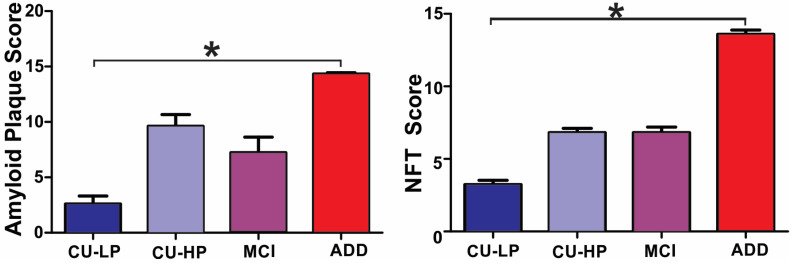 Figure 1
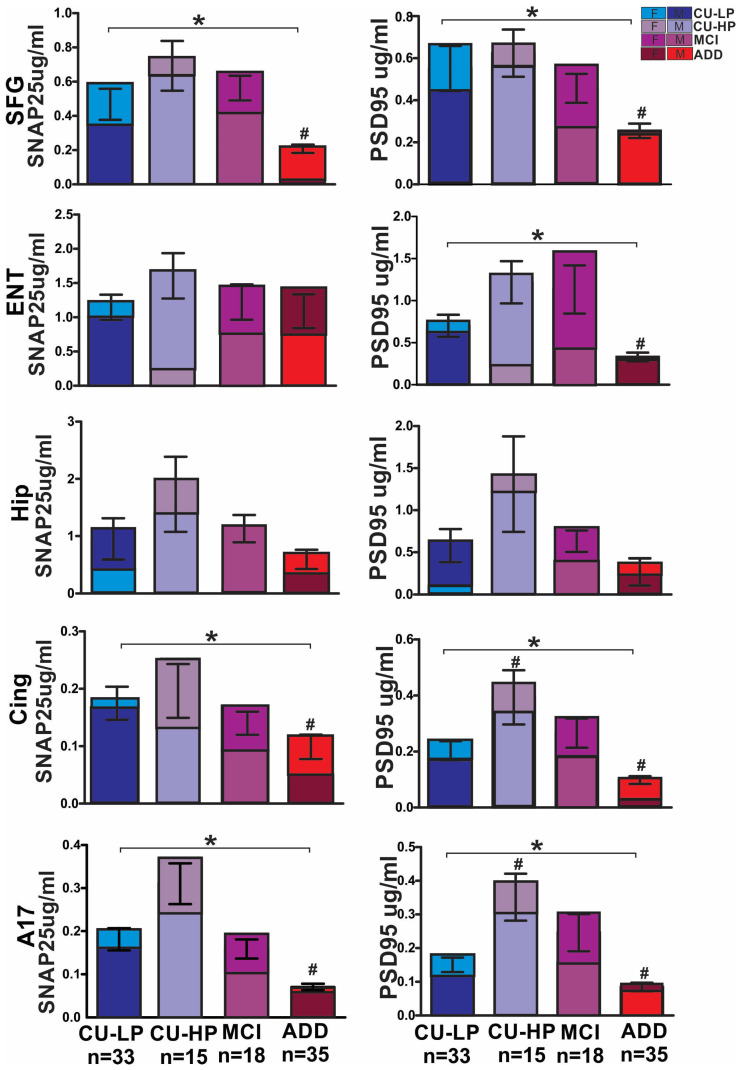 Figure 2
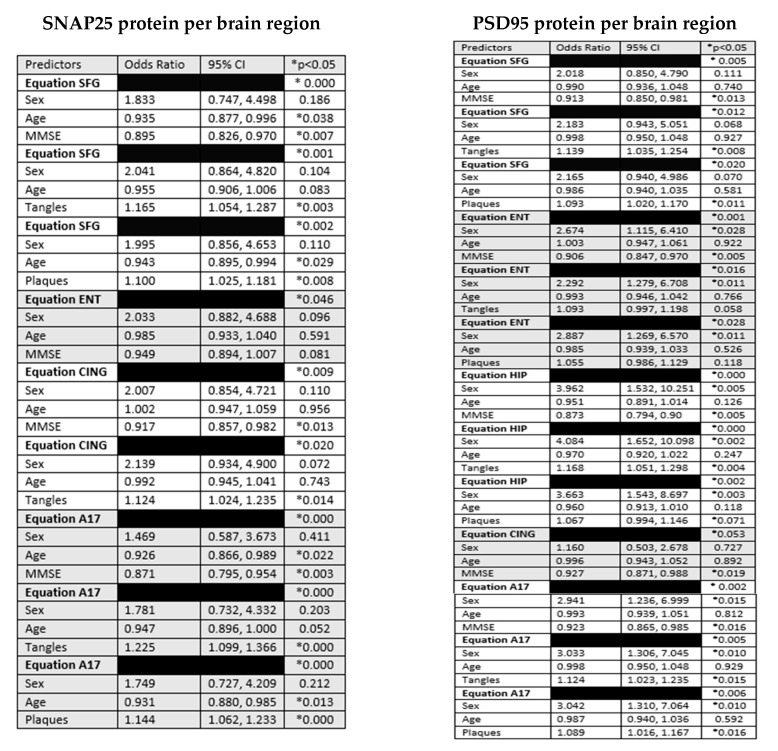 Figure 3
Peer Reviews
No public reviews on file for this paper yet. If you reviewed it on a platform where reviews are public (OpenReview, ICLR, NeurIPS, ICML), you can paste yours below so the community can read it here.
Videos
No videos yet. Explain this paper in a talk, walkthrough, or lecture? Add one.
Taxonomy
TopicsYouth, Politics, and Society