Identification and Analysis of Axolotl Homologs for Proteins Implicated in Human Neurodegenerative Proteinopathies
Lucas M. James, Zachary Strickland, Noah Lopez, Jessica L. Whited, Malcolm Maden, Jada Lewis

TL;DR
This paper explores whether axolotls, known for their brain regeneration, have proteins similar to those involved in human neurodegenerative diseases like Alzheimer's, suggesting they could help study disease mechanisms and regeneration.
Contribution
The study identifies and validates homologs of human disease-related proteins in axolotls, suggesting their potential use in neurodegenerative disease research.
Findings
Axolotls encode proteins highly similar to human tau, APP, and BACE1, which are linked to Alzheimer's Disease.
Monoclonal Tau and BACE1 antibodies used in human studies also recognize axolotl proteins, validating homology.
Axolotls may serve as a model to study neuroresilience and repair in the context of proteinopathies.
Abstract
Neurodegenerative proteinopathies such as Alzheimer’s Disease are characterized by abnormal protein aggregation and neurodegeneration. Neuroresilience or regenerative strategies to prevent neurodegeneration, preserve function, or restore lost neurons may have the potential to combat human proteinopathies; however, the adult human brain possesses a limited capacity to replace lost neurons. In contrast, axolotls (Ambystoma mexicanum) show robust brain regeneration. To determine whether axolotls may help identify potential neuroresilience or regenerative strategies in humans, we first interrogated whether axolotls express putative proteins homologous to human proteins associated with neurodegenerative diseases. We compared the homology between human and axolotl proteins implicated in human proteinopathies and found that axolotls encode proteins highly similar to human microtubule-binding…
Genes, proteins, chemicals, diseases, species, mutations and cell lines named across the full text — each resolved to its canonical identifier and authoritative record.
Click any figure to enlarge with its caption.
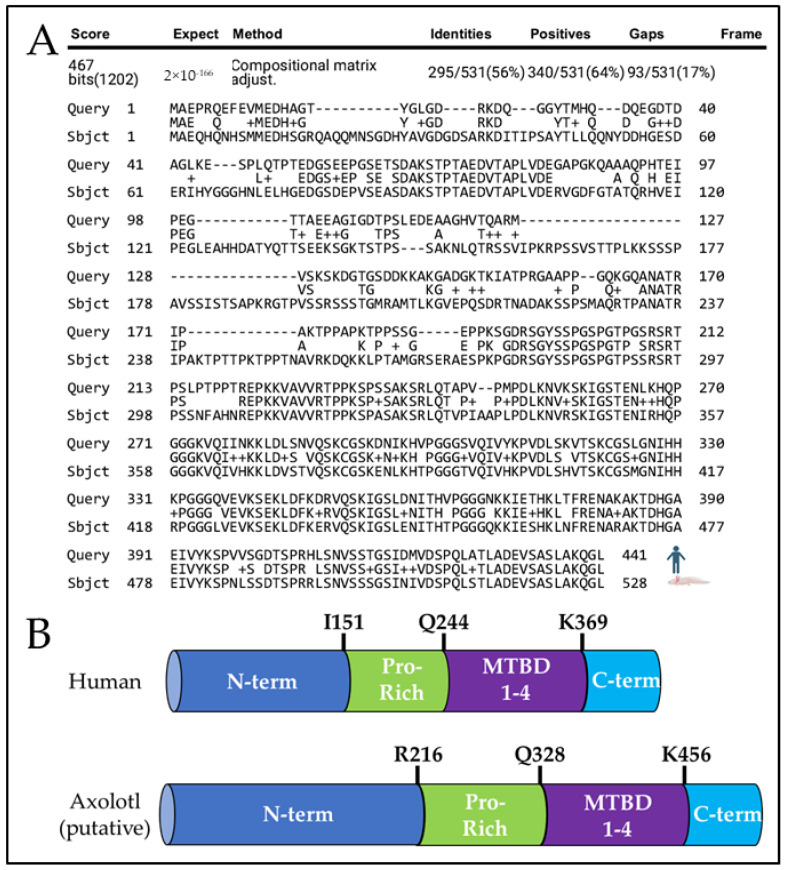 Figure 1
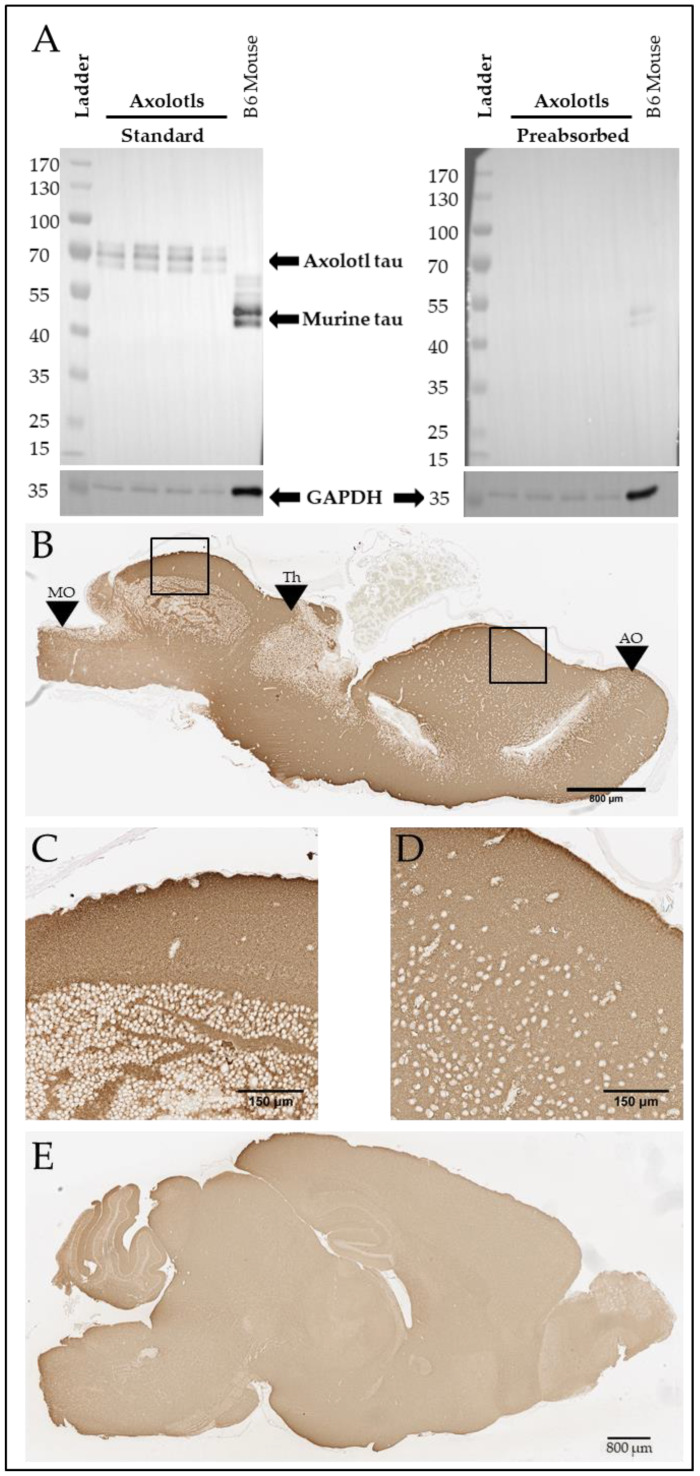 Figure 2
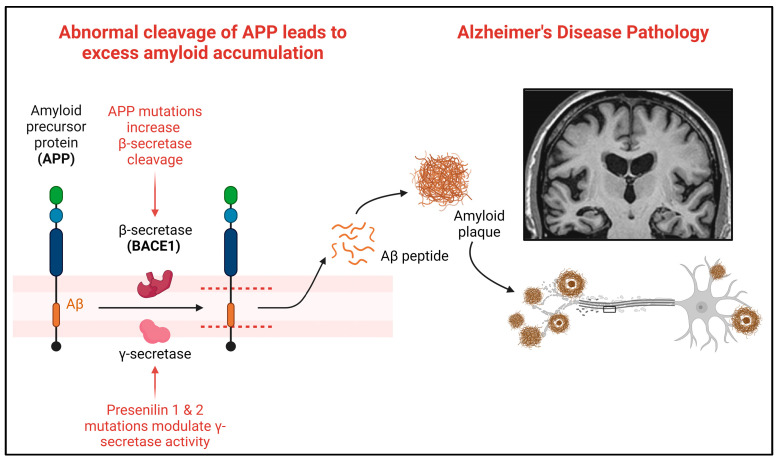 Figure 3
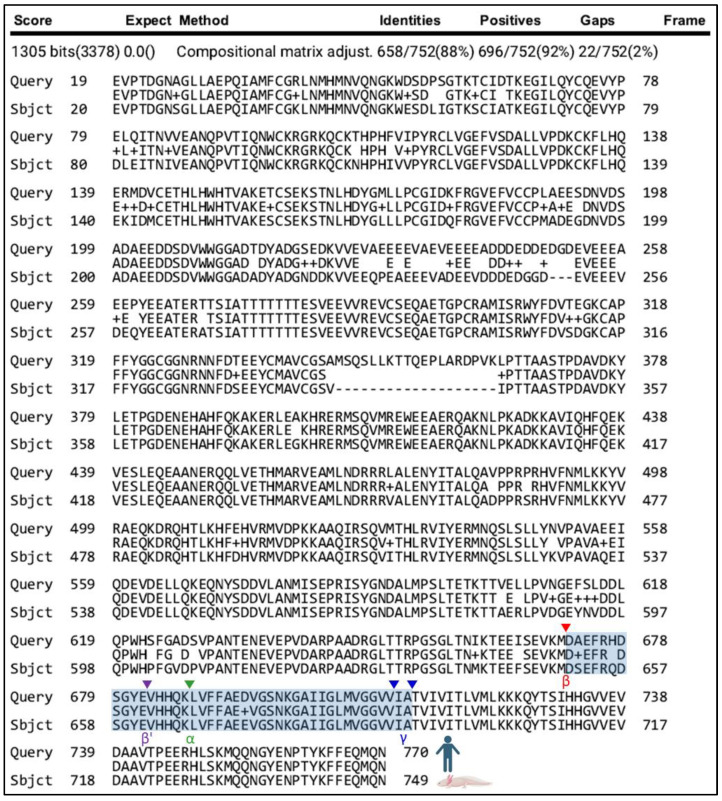 Figure 4
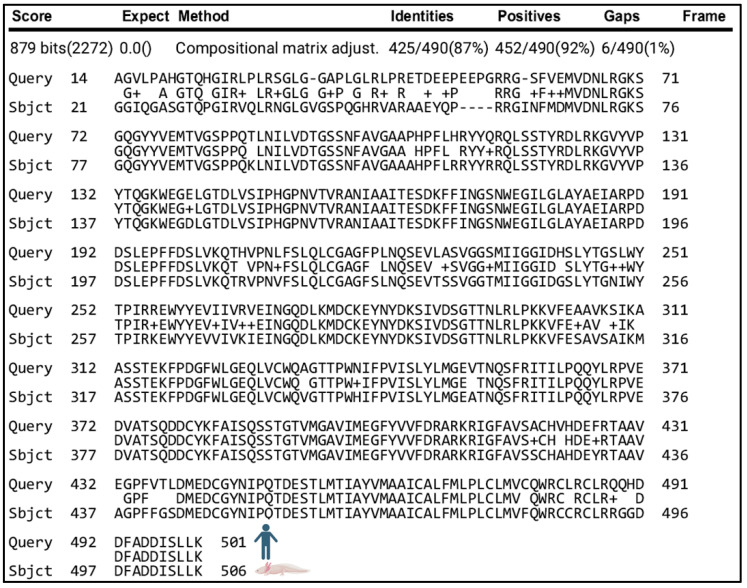 Figure 5
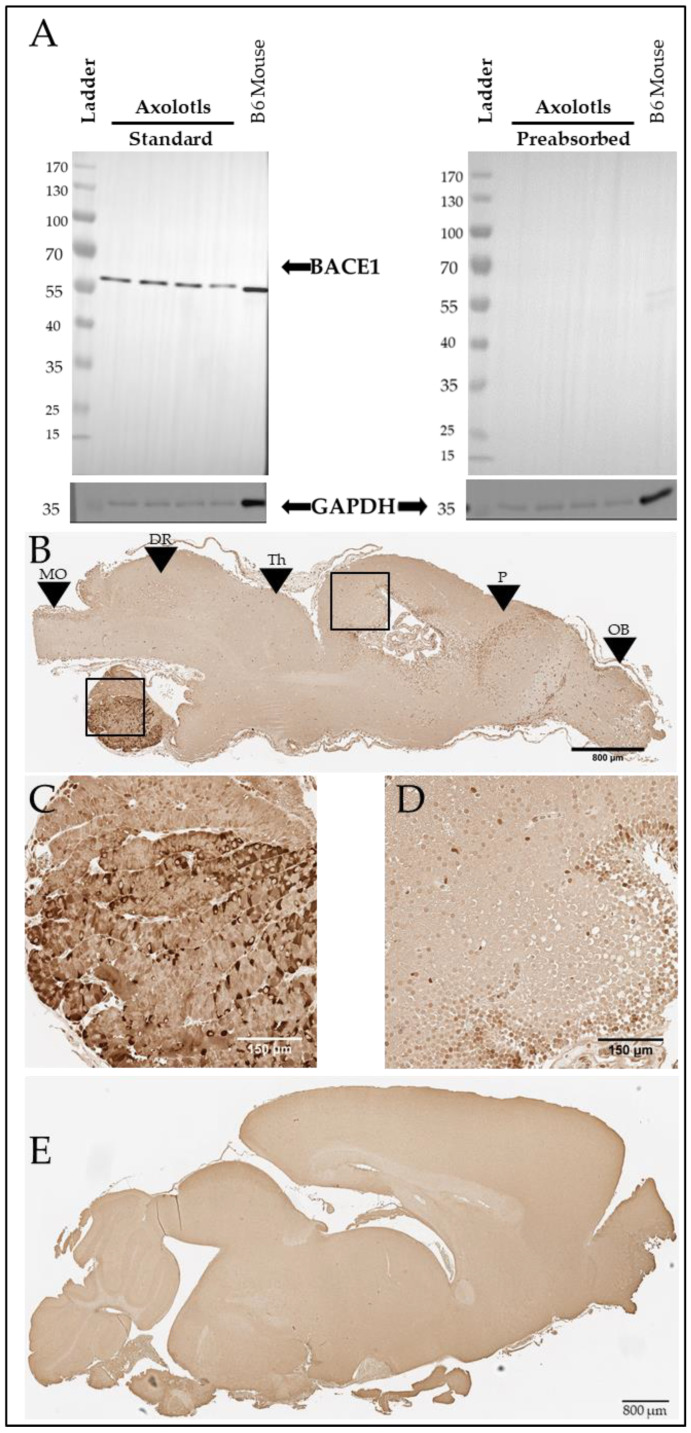 Figure 6
Peer Reviews
No public reviews on file for this paper yet. If you reviewed it on a platform where reviews are public (OpenReview, ICLR, NeurIPS, ICML), you can paste yours below so the community can read it here.
Videos
No videos yet. Explain this paper in a talk, walkthrough, or lecture? Add one.
Taxonomy
TopicsAlzheimer's disease research and treatments · Cellular transport and secretion · Endoplasmic Reticulum Stress and Disease